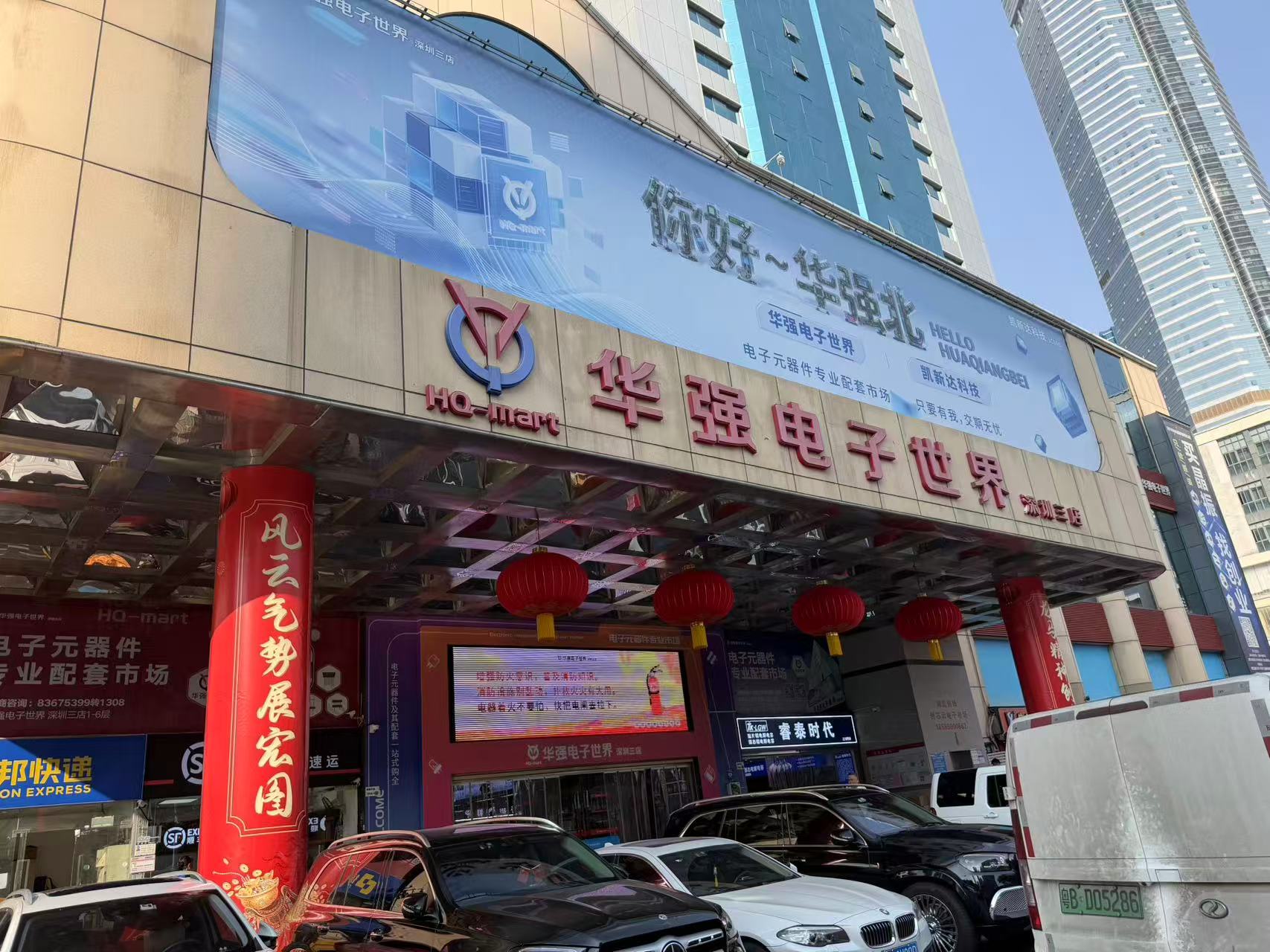
英特尔至强6530处理器

Search documents
AI带热CPU销情?记者实探深圳华强北:业内预期分化
3 6 Ke· 2026-02-04 02:57
Core Viewpoint - The CPU market is experiencing structural differentiation rather than a uniform price increase, with consumer-grade CPUs remaining stable while server-grade CPUs may see short-term fluctuations due to demand from AI and high-performance computing applications [3][21]. Group 1: Price Trends - Recent reports indicate that major cloud service providers have significantly increased their purchases, leading Intel and AMD to plan a price increase of 10%-15% for server CPUs due to supply-demand imbalances [4][18]. - Despite rumors of price increases, consumer-grade CPU prices have remained largely unchanged since December, with some models only seeing minor increases [6][7]. - The price of server CPUs has shown variability, with different retailers offering different prices for the same model, such as the Intel Xeon 6530 processor, which is currently priced around 8300 yuan [8][9]. Group 2: Market Dynamics - The CPU market is currently characterized by a "differentiated" phase, with consumer-grade CPUs showing stable prices due to sufficient inventory and competitive market conditions [18]. - In contrast, server CPUs, particularly mid-to-high-end products, are experiencing longer delivery times and increased bargaining power for specific models, but this does not translate to widespread price increases [18][19]. - The demand for CPUs is expected to rise, particularly in the context of AI applications, with predictions of a potential price increase of around 15% in the near future [20][21]. Group 3: Industry Shifts - Many CPU vendors are shifting their focus to memory products due to the limited price changes in CPUs, indicating a trend towards higher profitability in the memory market [12][14][15]. - The overall market for storage products is currently very strong, with significant price increases reported for DRAM and NAND Flash, which may influence the CPU market indirectly [15]. - The role of CPUs is evolving in the AI era, transitioning from being mere computation providers to becoming central to system scheduling and general computing, with a focus on high concurrency and low latency products [21].



AI带热CPU销情?记者实探深圳华强北:涨价潮尚未蔓延至C端,业内预期分化|传真
Sou Hu Cai Jing· 2026-02-03 05:46
Core Viewpoint - The CPU market is experiencing structural differentiation rather than a uniform price increase, with consumer-grade CPUs remaining stable while server-grade CPUs may see short-term price fluctuations due to specific demand from AI and high-performance computing applications [2][4][17]. Group 1: Price Trends - Recent reports indicate that major cloud service providers have significantly increased their purchases, leading Intel and AMD to plan a price increase of 10%-15% for server CPUs due to supply-demand imbalances [4][5]. - Despite rumors of price increases, consumer-grade CPU prices have remained largely unchanged since December, with some minor fluctuations observed [7][8]. - The price of server CPUs has shown variability, with different retailers reporting price increases, stability, or decreases for the same models [8][14]. Group 2: Market Dynamics - The CPU market is currently characterized by a "differentiated" phase, where consumer-grade CPUs are stable due to sufficient inventory and competitive pricing, while server CPUs are under pressure with longer delivery times and increased bargaining power for specific models [14][17]. - AMD is expected to limit price increases for server CPUs to a maximum of 15%, focusing on the latest generation products, while Intel's price adjustments are more defined and stable [14][15]. - The demand for CPUs is anticipated to rise, particularly in the context of AI applications, with projections indicating a potential price increase of around 15% in the near future [15][16]. Group 3: Industry Shifts - The role of CPUs is evolving in the AI era, transitioning from a sole provider of computing power to a central hub for system scheduling and general computation [17]. - Future trends to watch include the development of high-concurrency, low-latency CPUs for AI servers, heterogeneous computing architectures that integrate CPUs with GPUs and accelerators, and stable supply solutions for specific industries [17].
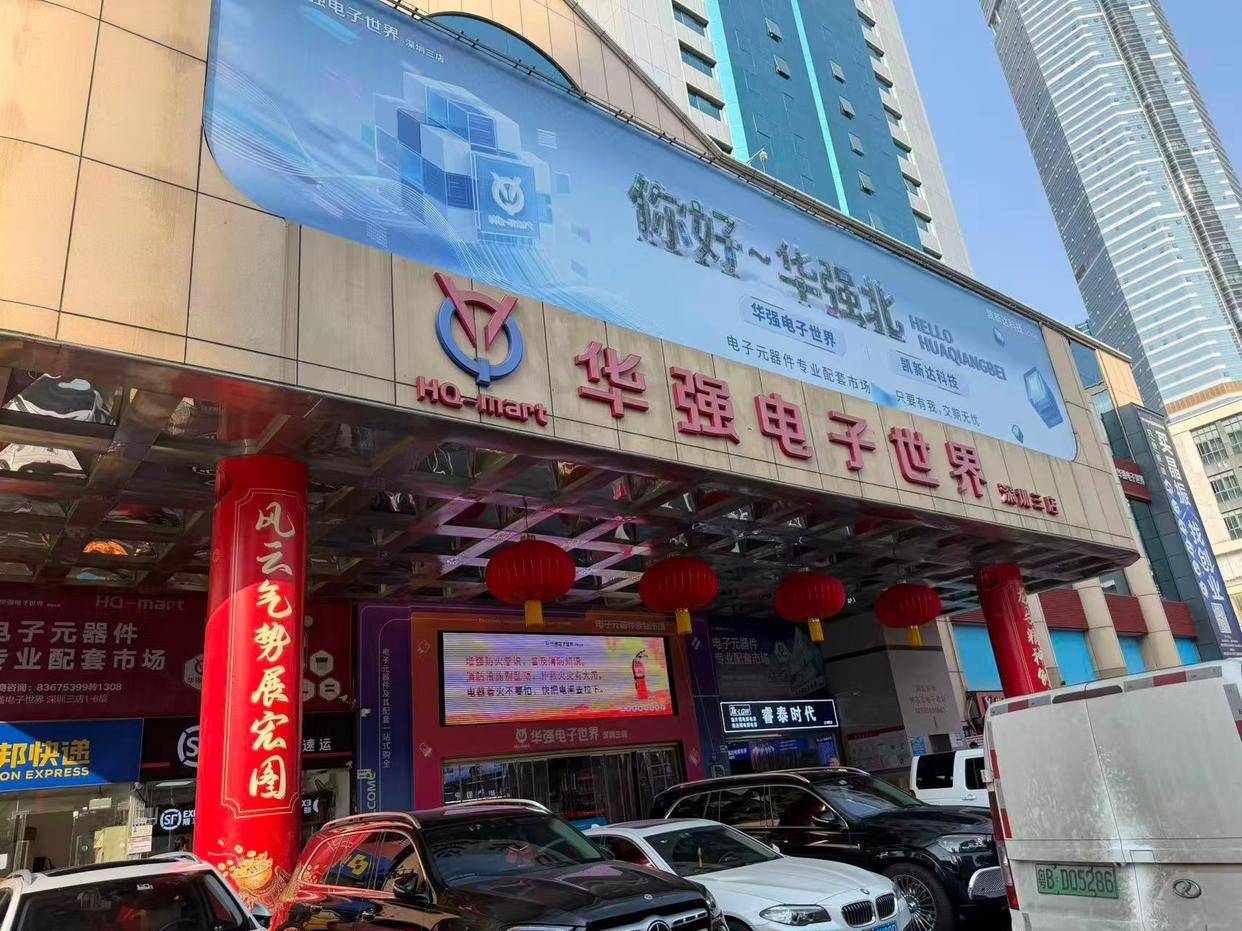
AI带热CPU销情?记者实探深圳华强北:涨价潮尚未蔓延至C端,业内预期分化
Xin Lang Cai Jing· 2026-02-03 05:35
Core Viewpoint - The CPU market is experiencing structural differentiation rather than a uniform price increase, with consumer-grade CPUs remaining stable while server-grade CPUs may see short-term price fluctuations due to specific demand from AI and high-performance computing applications [2][4][22]. Group 1: Current Market Situation - Recent reports indicate a price increase and shortages for various CPUs, particularly in the server segment, driven by large cloud service providers purchasing in bulk [4]. - Intel and AMD are reportedly planning to raise server CPU prices by 10%-15% due to supply-demand imbalances, although this information has not been officially confirmed [4][5]. - Despite rumors of price increases, consumer-grade CPU prices have remained stable in retail markets, with minimal changes observed since December [8][19]. Group 2: Price Trends and Market Dynamics - The price of server CPUs has shown differentiation, with some retailers reporting price increases while others maintain stable or even decreasing prices [9][10]. - The overall market for consumer-grade CPUs is characterized by stability, with competition limiting the ability of manufacturers to pass on costs to consumers [19]. - In contrast, server CPUs, especially for AI applications, are experiencing longer delivery times and increased bargaining power for specific models, but this does not translate to widespread price hikes [19][22]. Group 3: Future Outlook - The CPU market is expected to continue its differentiated trend, with stable supply and demand for consumer-grade CPUs, while server-grade CPUs may experience short-term volatility but are unlikely to see significant long-term price increases [22]. - The role of CPUs is evolving in the AI era, shifting from mere computation providers to central components in system scheduling and general computing, with a focus on high concurrency and low-latency products [22].