英特尔14A工艺

Search documents
联发科投奔英特尔1.4nm!
国芯网· 2026-02-10 12:25
Core Viewpoint - The semiconductor industry is witnessing significant developments with Intel securing partnerships with major clients like Apple and MediaTek for advanced chip manufacturing processes [2][4]. Group 1: Intel's Manufacturing Partnerships - MediaTek's Dimensity series chips will be manufactured by Intel, marking a notable collaboration in the semiconductor sector [2]. - Apple is expected to utilize Intel's 18A process for its entry-level M series chips, with shipments anticipated as early as 2027 [4]. - Intel's 14A process is also being considered by MediaTek, indicating a potential expansion of Intel's client base in the mobile chip market [4]. Group 2: Technological Innovations - Intel's 18A-P process is the first to support Foveros Direct 3D hybrid bonding technology, allowing for the stacking of multiple chiplets via silicon vias [4]. - The decision to focus on back power delivery technology at the 18A and 14A nodes aims to significantly enhance performance, although it introduces challenges related to self-heating effects [4]. - The compact nature of mobile devices presents a challenge for managing heat dissipation, which may require additional cooling solutions to ensure stable operation of the SoCs [4]. Group 3: Future Prospects - If Intel and MediaTek can overcome the technical challenges associated with the 14A process, there is potential for deeper collaboration between the two companies [4].


英特尔:大力进军14A工艺
半导体行业观察· 2026-01-10 03:37
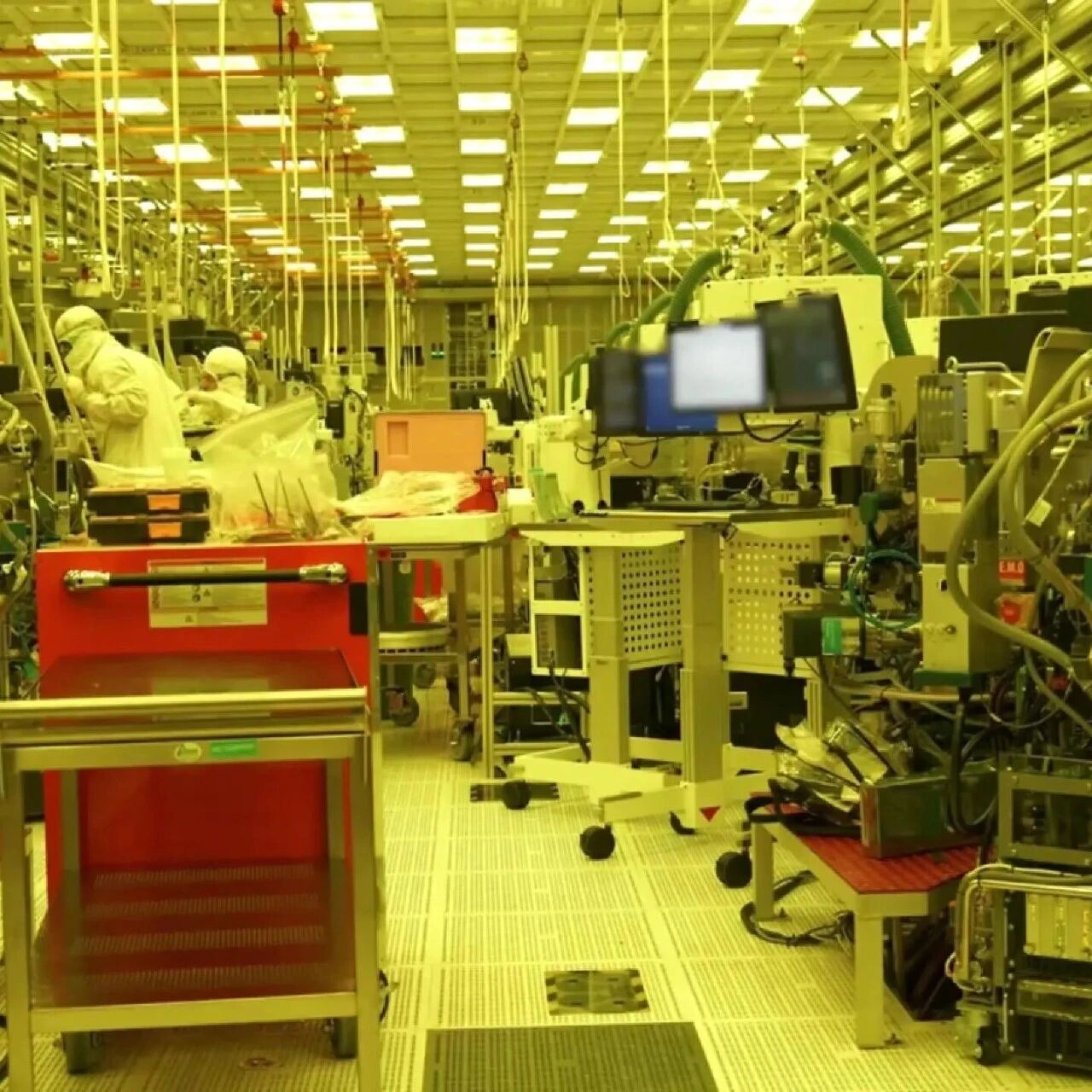
Core Viewpoint - Intel is optimistic about its 14A process technology, which is expected to enter mass production by 2027, and aims to attract external customers to ensure a return on investment in this advanced technology [1][4]. Group 1: 14A Process Technology - Intel's CEO emphasized the company's commitment to advancing the 14A chip technology, with early versions of the process design kit (PDK) being delivered to external customers this year [1]. - The 14A process will build on the experiences gained from the 18A process, introducing second-generation RibbonFET GAA transistors and PowerDirect for improved power delivery and control [3]. - The introduction of Turbo Cells in the 14A process aims to enhance speed without significantly increasing area or power consumption [3]. Group 2: External Customers and Market Position - Securing external customers for the 14A process is crucial for Intel, as the company has not yet obtained large orders from external clients for the 18A process, which limits its revenue potential [4]. - Intel's current capital expenditure plans do not include investments for third-party customers in 14A chip capacity, which could delay the company's ability to reach breakeven in its foundry business [5]. - The company must invest heavily before generating revenue from external customers, which may lead to delays in achieving its goals as customer numbers grow [6]. Group 3: Competitive Landscape - Intel's ability to provide capacity for external customers is critical, as competitors like TSMC and Samsung typically expand their foundries only after securing commitments from multiple core customers [7]. - The long lead times for advanced tools like EUV lithography mean that failure to provide timely capacity for third-party customers could result in missed opportunities in the foundry market [7].
英特尔代工,终于找到大客户
半导体行业观察· 2025-07-27 03:17
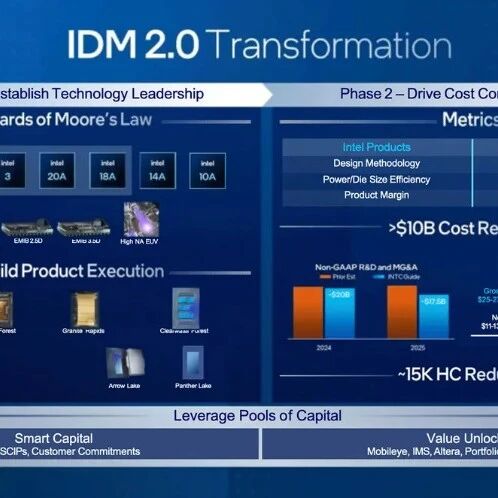
Core Viewpoint - Intel is experiencing a potential turnaround with new developments in its 14A process technology, which may involve collaboration with Apple and interest from Nvidia [3][4]. Group 1: Intel's 14A Process Technology - Intel's upcoming 14A process will introduce the second generation of RibbonFET and PowerDirect power delivery architecture, building on the PowerVia technology from its 18A process [3]. - The 14A process is targeted at applications in AI and edge computing, with early versions of the 14A Process Development Kit (PDK) provided to key customers, including Nvidia and Apple, for testing [3]. Group 2: Market Dynamics and Competition - Intel's future in the advanced process competition is uncertain, as the company has stated it will exit if it cannot attract significant external customer orders for its 18A and 14A processes [3]. - The semiconductor supply chain is currently dominated by TSMC, leaving major tech companies with limited options regarding node pricing and capacity allocation [4]. - Apple's consideration of Intel's 14A process is significant, as it may diversify its supply chain, especially with TSMC expected to launch its A14 process around the same time [4]. Group 3: Nvidia's Interest - Nvidia has shown interest in collaborating with Intel for its foundry business, driven by the strong demand in the AI sector, indicating that Nvidia cannot rely solely on one foundry [4].