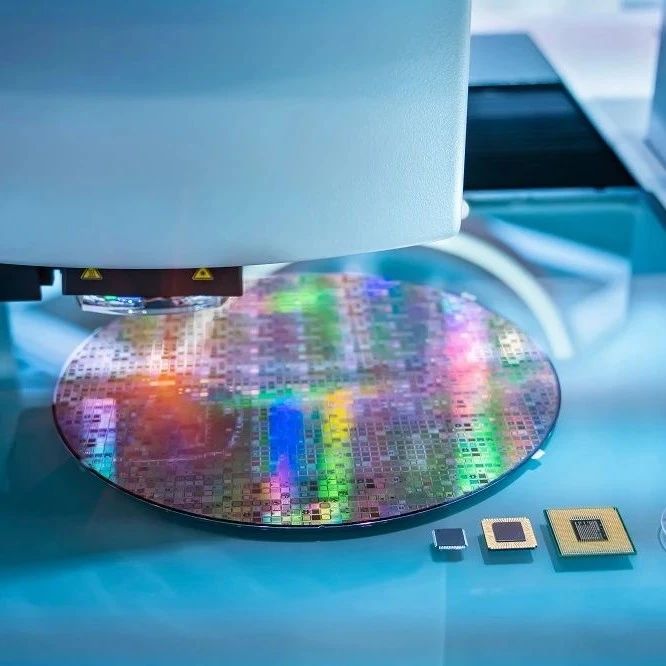
英特尔18A工艺

Search documents
联发科投奔英特尔1.4nm!
国芯网· 2026-02-10 12:25
Core Viewpoint - The semiconductor industry is witnessing significant developments with Intel securing partnerships with major clients like Apple and MediaTek for advanced chip manufacturing processes [2][4]. Group 1: Intel's Manufacturing Partnerships - MediaTek's Dimensity series chips will be manufactured by Intel, marking a notable collaboration in the semiconductor sector [2]. - Apple is expected to utilize Intel's 18A process for its entry-level M series chips, with shipments anticipated as early as 2027 [4]. - Intel's 14A process is also being considered by MediaTek, indicating a potential expansion of Intel's client base in the mobile chip market [4]. Group 2: Technological Innovations - Intel's 18A-P process is the first to support Foveros Direct 3D hybrid bonding technology, allowing for the stacking of multiple chiplets via silicon vias [4]. - The decision to focus on back power delivery technology at the 18A and 14A nodes aims to significantly enhance performance, although it introduces challenges related to self-heating effects [4]. - The compact nature of mobile devices presents a challenge for managing heat dissipation, which may require additional cooling solutions to ensure stable operation of the SoCs [4]. Group 3: Future Prospects - If Intel and MediaTek can overcome the technical challenges associated with the 14A process, there is potential for deeper collaboration between the two companies [4].


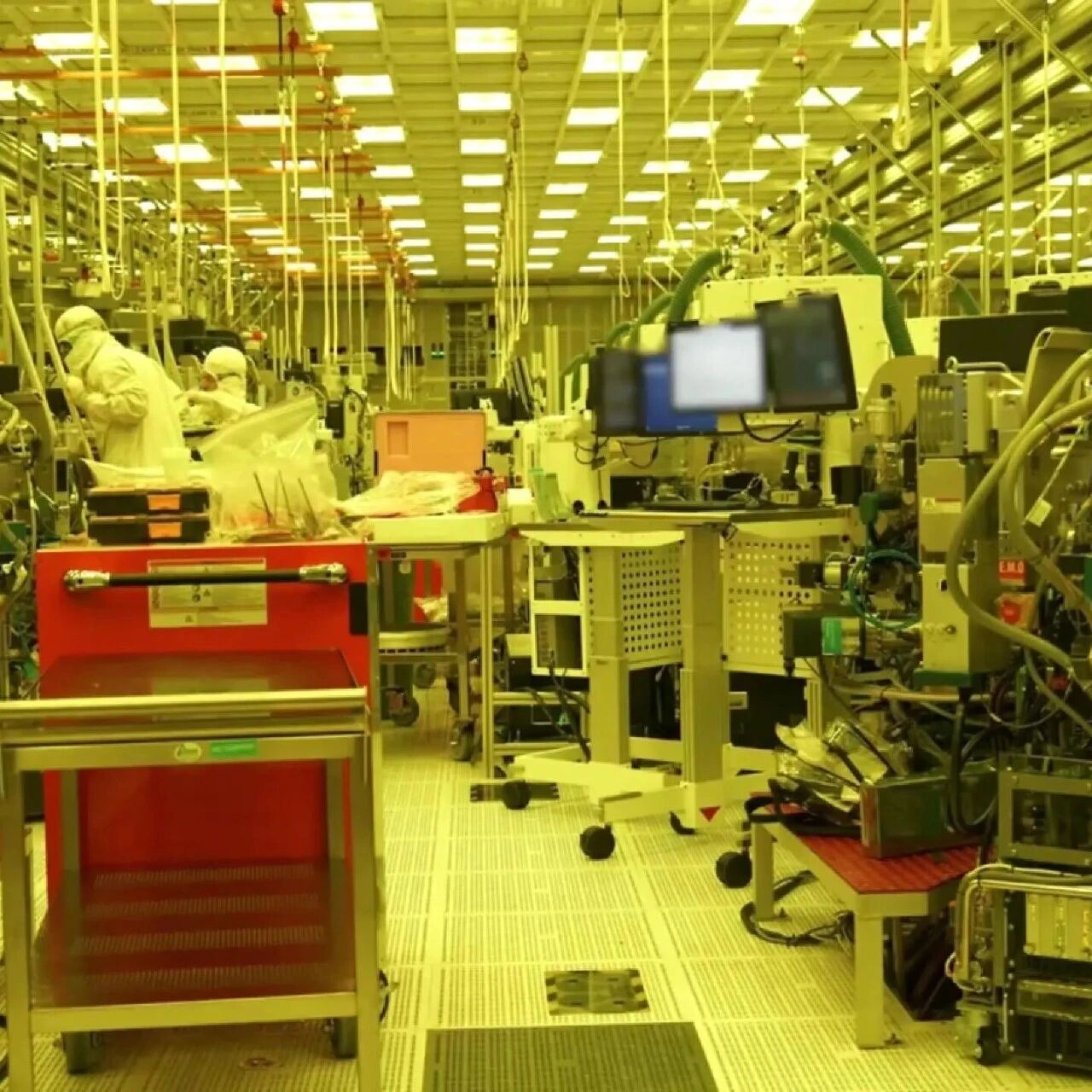
英特尔:大力进军14A工艺
半导体行业观察· 2026-01-10 03:37
Core Viewpoint - Intel is optimistic about its 14A process technology, which is expected to enter mass production by 2027, and aims to attract external customers to ensure a return on investment in this advanced technology [1][4]. Group 1: 14A Process Technology - Intel's CEO emphasized the company's commitment to advancing the 14A chip technology, with early versions of the process design kit (PDK) being delivered to external customers this year [1]. - The 14A process will build on the experiences gained from the 18A process, introducing second-generation RibbonFET GAA transistors and PowerDirect for improved power delivery and control [3]. - The introduction of Turbo Cells in the 14A process aims to enhance speed without significantly increasing area or power consumption [3]. Group 2: External Customers and Market Position - Securing external customers for the 14A process is crucial for Intel, as the company has not yet obtained large orders from external clients for the 18A process, which limits its revenue potential [4]. - Intel's current capital expenditure plans do not include investments for third-party customers in 14A chip capacity, which could delay the company's ability to reach breakeven in its foundry business [5]. - The company must invest heavily before generating revenue from external customers, which may lead to delays in achieving its goals as customer numbers grow [6]. Group 3: Competitive Landscape - Intel's ability to provide capacity for external customers is critical, as competitors like TSMC and Samsung typically expand their foundries only after securing commitments from multiple core customers [7]. - The long lead times for advanced tools like EUV lithography mean that failure to provide timely capacity for third-party customers could result in missed opportunities in the foundry market [7].
降息突发大消息,黄金直线跳水,中概股拉升
Zheng Quan Shi Bao· 2025-12-24 22:47
Group 1 - US stock market opened mixed, with initial jobless claims lower than expected, potentially reducing the probability of a Fed rate cut in January [1] - Intel's stock price declined due to a delay in testing its 18A process by Nvidia, raising concerns about its competitive edge in advanced manufacturing processes [3] - Nasdaq Golden Dragon Index for Chinese stocks opened lower but quickly rebounded, with individual stocks like Zai Ding Medical rising nearly 8% and Yikaton up over 5% [3] Group 2 - Recent data showed initial jobless claims at 214,000, below the expected 224,000, while continuing claims were at 1.923 million, slightly above expectations [7] - BlackRock strategists predict limited rate cuts by the Fed in 2026, with the current cycle having already seen a cumulative cut of 175 basis points [7] - US Treasury officials expect the economy to grow at a rate of 3%, suggesting that the Fed may continue to lower rates in this environment [7]

郭明錤:特斯拉AI6芯片预计用三星2纳米工艺、SF2良率约50% 难预测能否如期量产
news flash· 2025-07-29 06:22
Core Viewpoint - Tesla is expected to mass-produce the AI6 chip by 2027 using Samsung's 2nm process, but the yield rate and ability to meet production timelines remain uncertain [1] Group 1: Production and Technology - The AI6 chip will utilize Samsung's 2nm (SF2) advanced process technology [1] - The current yield rate for SF2 is approximately 40-50%, which is lower than TSMC's N2 process yield of over 70% and Intel's 18A yield of 50-55% [1] - SF2 employs GAA (Gate-All-Around) technology similar to SF3, which is beneficial for mass production [1] Group 2: Uncertainty in Production - There is significant uncertainty regarding whether the AI6 chip can be produced on schedule using the SF2 process [1]

英特尔晶圆代工,重要进展
半导体行业观察· 2025-03-04 00:53
Core Viewpoint - Nvidia and Broadcom are conducting manufacturing tests with Intel, indicating confidence in Intel's advanced production technology, which could significantly boost Intel's contract manufacturing business and revenue [1][2]. Group 1: Manufacturing Tests and Client Interest - Nvidia and Broadcom are evaluating Intel's 18A manufacturing process, which is designed for advanced AI processors and complex chips, as they consider committing hundreds of millions of dollars in manufacturing contracts [1]. - AMD is also assessing Intel's 18A process but has not confirmed whether it has submitted test chips for evaluation [1]. - Intel's spokesperson noted a strong interest from the ecosystem in Intel's 18A technology [1]. Group 2: Challenges and Delays - Intel's contract manufacturing business is facing delays, particularly in certifying key intellectual property (IP) components necessary for production, pushing timelines back by at least six months [2][7]. - Previous tests by Broadcom yielded disappointing results, raising concerns among its executives about Intel's manufacturing capabilities [2]. - The delays in production capacity could hinder Intel's ability to attract external clients, as many chip designers are waiting to see Intel's progress before committing to its services [8]. Group 3: Strategic Importance and Government Interest - Intel's contract manufacturing is a crucial part of the company's revitalization plan, especially after the dismissal of former CEO Pat Gelsinger [3]. - The U.S. government is interested in revitalizing domestic semiconductor manufacturing to counter China's dominance, with Intel seen as a key player capable of producing advanced chips domestically [3][4]. Group 4: Financial Projections and Revenue Impact - Analysts project that Intel's contract manufacturing could generate $16.47 billion in revenue by 2025, primarily from internal operations rather than external clients [8]. - Intel's contract manufacturing revenue dropped by 60% in 2023, and the company anticipates it will not achieve breakeven until at least 2027 [8].