
半导体代工

Search documents
三星大举进军GaN
半导体芯闻· 2026-03-20 10:08
Core Insights - Samsung Electronics plans to operate an 8-inch (200mm) GaN power semiconductor foundry line, expected to achieve full-scale production by Q2 2024, marking its official entry into the GaN wafer foundry business after over three years of announcements [1] - The company has secured one customer but anticipates revenues from the GaN foundry business to be below 1 trillion KRW due to a limited customer base [1] - Samsung aims to enhance profitability by offering a full suite of services without chip design and producing wafers in-house rather than sourcing them externally [1] Summary by Sections GaN Semiconductor Market - GaN devices are typically used in applications below 1200 volts, such as electric vehicle charging stations and smartphone chargers, and are critical for improving power conversion efficiency in AI data centers [2] - Nvidia promotes an 800V DC power architecture that requires high-voltage DC to be converted to lower voltages internally, where GaN-based converters are widely utilized [2] - GaN offers advantages in high-voltage operation and fast switching, leading to higher power density, lower heat generation, and more compact system designs [2] Samsung's Production Plans - Samsung previously announced plans to start power semiconductor foundry operations in 2025, but this timeline has been delayed [2] - Foundry companies typically secure customers before filling capacity, and Samsung's decision to advance its plans appears to be based on customer development over the past year [2] - The company also plans to launch a SiC power semiconductor foundry line this year, offering a full suite of services from design to packaging, with a voltage range of 1200 to 1700 volts [2] - Samsung has not confirmed specific details regarding the operation of the GaN power semiconductor foundry [2]


TSEM20260306
2026-03-09 05:18
Summary of Tower Semiconductor Conference Call Company Overview - Tower Semiconductor (TSEM) has shifted its business focus from mobile RF to silicon photonics and infrastructure, with silicon photonics expected to generate approximately $230 million in revenue by 2025, accounting for 27% of total revenue, making it the largest business segment [2][5][12]. Industry Insights - The penetration rate of silicon photonics is anticipated to enter an explosive growth phase, with the share of 800G silicon photonics expected to rise from less than 5% in 2024 to 60% by 2026, and the 1.6T segment projected to reach over 60-70% penetration by 2026-2027 [2][7]. - The estimated price for 8-inch silicon photonics wafers is around $50,000 per wafer, which can be divided into hundreds to thousands of channels, indicating a market potential worth tens of billions of dollars [3][9]. Financial Performance - From 2021 to 2025, the company experienced various phases of growth, with 2021-2022 marked by rapid growth driven by 5G mobile front-end demand, leading to a peak revenue of approximately $1.68 billion in 2022 and a net profit margin of 16% [5][11]. - In 2023, a significant decline was noted due to a weak mobile market, although profits were bolstered by a $1.2 billion one-time compensation from Intel, resulting in a profit of about $500 million [5]. - By 2025, revenue is expected to rebound to approximately $1.57 billion, with Q4 revenue projected at $440 million and a net profit of around $80 million, reflecting a net profit margin of about 18% [5][12]. Technological Advancements - The PH18 series process has achieved breakthroughs in single-channel rates of 200G-400G, with a yield rate of 70%-80%+ on 200mm lines [2][12]. - The company plans to complete capacity expansion by Q4 2026, aiming to increase silicon photonics monthly capacity to over five times that of Q4 2025, with over 70% of this capacity already secured through long-term agreements [2][14]. Competitive Landscape - TSMC is advancing in silicon photonics with Copper technology, which could reduce power consumption by over ten times compared to copper interconnects, with significant market expectations for 2026-2027 [8]. - Tower Semiconductor plans to triple its silicon photonics manufacturing capacity by mid-2026, focusing on 200mm and 300mm wafer fabs in the U.S. and Israel [8][14]. Market Opportunities - The transition to silicon photonics addresses key pain points in traditional discrete solutions, such as assembly difficulty, sensitivity to loss, and cost challenges, by offering high integration, lower power consumption (20%-40% less), and smaller form factors [6][10]. - The CPO (Co-Packaged Optics) is seen as a critical next step, addressing system-level bottlenecks and enhancing port density and power efficiency [10]. Future Outlook - The company is set to expand its capital expenditure to nearly $1 billion, with a focus on increasing 300mm silicon photonics capacity to meet future demand for 3.2T and CPO engines [14]. - The silicon photonics revenue is expected to double or achieve even higher growth rates starting in 2026, driven by increasing demand and successful capacity expansion [12][14].
成熟制程,又要涨价了?
半导体芯闻· 2026-03-03 09:53
Core Viewpoint - The article discusses the anticipated price increase in mature process foundry services due to the shift of orders from customers to Taiwanese manufacturers, driven by geopolitical tensions and supply chain adjustments [1][2]. Group 1: Market Dynamics - Tower Semiconductor's customers are reportedly starting to shift orders to Taiwanese foundries, leading to a surge in demand for mature process technologies [1]. - The ongoing US-Iran conflict is prompting downstream customers to accelerate their search for alternative production capacities, which is expected to result in higher prices for securing these capacities [2]. Group 2: Company Performance - World Advanced and Powerchip are expected to benefit significantly from the increased demand, with analysts predicting a notable rise in average selling prices (ASP) and gross margins for these companies [1]. - World Advanced has a strong position in power management ICs and power discrete components, with a well-established 8-inch capacity and close relationships with international IDM customers, which may lead to better-than-expected short-term revenue growth [1]. - Powerchip is well-positioned in mature nodes and power-related processes, and with rising capacity utilization, both companies are likely to see strong support for their mid-to-long-term operations [1]. Group 3: Pricing Power - The tight capacity environment is expected to enhance the bargaining power of foundries, allowing them to raise prices for new orders and renegotiate existing contracts, thereby improving overall product pricing and gross margin performance [2].
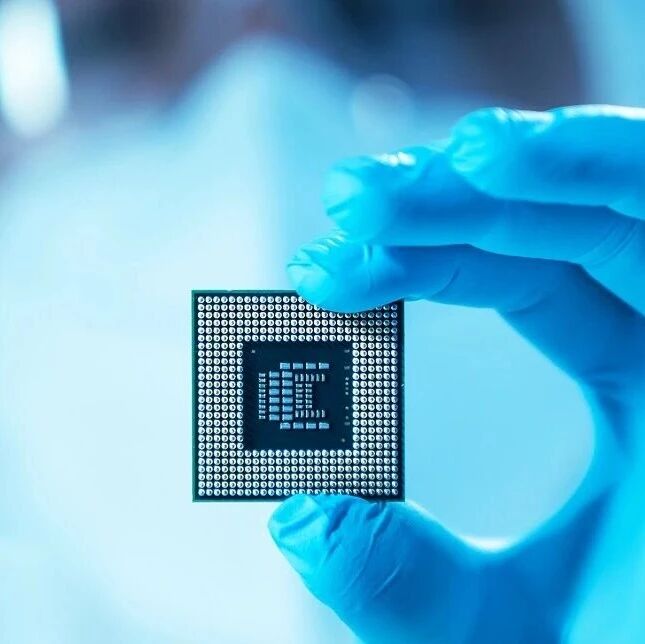
晶合集成(688249.SH)2025年度归母净利润6.96亿元 同比增长30.66%
智通财经网· 2026-02-27 15:15
Core Viewpoint - The company reported a significant increase in both revenue and net profit for the year 2025, driven by the recovery in the semiconductor industry and strong demand for its key products [1] Financial Performance - The company achieved total operating revenue of 10.885 billion yuan, representing a year-on-year growth of 17.69% [1] - The net profit attributable to the parent company was 696 million yuan, reflecting a year-on-year increase of 30.66% [1] Factors Influencing Performance - The recovery in the semiconductor industry has led to expanded market demand for key products such as CIS, PMIC, and DDIC, with the company gaining customer recognition through reliable foundry solutions [1] - The overall capacity utilization rate remained high, contributing to a comprehensive gross margin expected to be 25.52% [1] - The company is actively expanding production capacity, exploring new product applications, and developing advanced process platforms, which has resulted in increased R&D expenses and fixed asset depreciation impacting current operating performance [1] - The company has achieved mass production at mainstream technology nodes from 150nm to 40nm, enhancing product competitiveness and business diversification while consolidating existing products [1]

晶合集成(688249.SH):2025年净利润6.96亿元,同比增长30.66%
Ge Long Hui A P P· 2026-02-27 09:32
Core Viewpoint - The company reported a significant increase in revenue and net profit for the fiscal year 2025, driven by the recovery in the semiconductor industry and increased market demand for its key products [1] Group 1: Financial Performance - The company achieved total operating revenue of 10.885 billion, representing a year-on-year growth of 17.69% [1] - The net profit attributable to the parent company was 696 million, reflecting a year-on-year increase of 30.66% [1] - The net profit attributable to the parent company after deducting non-recurring gains and losses was 194 million, showing a year-on-year decline of 50.79% [1] Group 2: Operational Factors - The recovery in the semiconductor industry has led to expanded market demand for key products such as CIS, PMIC, and DDIC, resulting in increased order volume for the company [1] - The overall capacity utilization rate of the company remained high, with scale effects continuing to manifest, and the comprehensive gross profit margin is expected to be 25.52% [1] - The company is actively expanding production capacity, exploring new product applications, and developing advanced process platforms, which has led to increased R&D expenses and fixed asset depreciation impacting current operating performance [1] Group 3: Technological Advancements - The company has achieved large-scale production at mainstream technology nodes from 150nm to 40nm, while consolidating existing products and actively promoting technological research and development [1] - These efforts have further enhanced the company's product competitiveness and diversified its business offerings [1]
晶合集成:2025年净利润6.96亿元,同比增长30.66%
Ge Long Hui· 2026-02-27 09:29
Core Viewpoint - The company reported a significant increase in revenue and net profit for the year 2025, driven by the recovery in the semiconductor industry and increased market demand for its main products [1] Financial Performance - The company achieved total operating revenue of 10.885 billion yuan, a year-on-year increase of 17.69% [1] - The net profit attributable to the parent company was 696 million yuan, reflecting a year-on-year growth of 30.66% [1] - The net profit attributable to the parent company after deducting non-recurring gains and losses was 194 million yuan, which represents a year-on-year decline of 50.79% [1] Market and Operational Factors - The recovery in the semiconductor industry has led to increased market demand for key products such as CIS, PMIC, and DDIC, resulting in a steady increase in order volume [1] - The overall capacity utilization rate of the company remained high, with a comprehensive gross profit margin expected to be 25.52% [1] - The company is expanding its production capacity, exploring new product applications, and developing advanced process platforms, which has led to increased R&D expenses and fixed asset depreciation impacting current operating performance [1] Technological Advancements - The company has achieved large-scale production of mainstream technology nodes from 150nm to 40nm, enhancing product competitiveness and business diversification while consolidating existing products [1]
晶合集成:2025年净利润4.67亿元,同比增长30.66%
Xin Lang Cai Jing· 2026-02-27 08:04
Core Viewpoint - The company reported a significant increase in revenue and net profit for the fiscal year 2025, driven by the recovery in the semiconductor industry and growing market demand for its key products [1] Financial Performance - The total operating revenue for the fiscal year 2025 reached 10.885 billion yuan, representing a year-on-year growth of 17.69% [1] - The net profit for the same period was 467 million yuan, showing a year-on-year increase of 30.66% [1] - The net profit attributable to the owners of the parent company was 696 million yuan, also reflecting a year-on-year growth of 30.66% [1] Market Demand and Product Performance - The recovery in the semiconductor industry has led to an expanded market demand for key products such as CIS, PMIC, and DDIC [1] - The company has gained recognition from clients due to its high-quality and reliable foundry solutions, resulting in a steady increase in order volume [1]
台积电改写GaN格局
半导体行业观察· 2026-02-15 01:37
Core Viewpoint - TSMC's decision to exit the GaN foundry service by July 2027 is reshaping the GaN industry landscape, transitioning from reliance on advanced foundries to a focus on specialty process foundries [2][19]. Group 1: TSMC's Exit and Industry Impact - TSMC has been a crucial player in the GaN industry, being the only foundry capable of providing both high and low voltage GaN solutions [2]. - The exit of TSMC is prompting second-tier foundries to accelerate their capacity to fill the void left behind, leading to a reconfiguration of GaN manufacturing capabilities [2][5]. - GlobalFoundries (GF) has signed a GaN technology licensing agreement with TSMC, aiming to establish itself as a strategic GaN production center in the U.S. with over $80 million in federal funding [3]. Group 2: New Entrants and Strategic Moves - World Advanced (VIS), a TSMC subsidiary, is also entering the GaN market by expanding its GaN-on-Si capabilities, targeting mid-to-low margin orders previously handled by TSMC [3]. - Navitas, a major GaN customer of TSMC, is diversifying its supply chain by partnering with PSMC for 200mm GaN-on-Si production and strengthening ties with GF to mitigate manufacturing risks [4]. - ROHM is shifting from relying on TSMC to producing GaN devices in-house, establishing a new 8-inch wafer production line in Japan [7]. Group 3: Market Dynamics and Growth Projections - The GaN market is expected to grow significantly, with projections indicating a market size of approximately $3 billion by 2030 and a compound annual growth rate (CAGR) of 42% from 2024 to 2030 [10]. - The demand for GaN is expanding beyond consumer applications into high-reliability sectors such as data centers and electric vehicles, with automotive applications projected to grow at a CAGR of 73% from 2024 to 2030 [13]. - The shift in GaN applications is moving from consumer electronics to critical systems in data centers and automotive power supplies, emphasizing the need for reliability and efficiency [19]. Group 4: Structural Changes in the GaN Industry - The exit of TSMC is not a sign of declining GaN demand but rather a transition towards a decentralized manufacturing model, where multiple foundries share the production load [19]. - The industry is witnessing a redistribution of power, with IDM manufacturers regaining control over core processes and Fabless companies gaining more flexible manufacturing options [19]. - The GaN industry is evolving into a more independent and scalable sector, moving away from dependence on a single advanced foundry [19].



赛微电子业绩扭亏依赖非经常性收益,主营业务承压致股价回调
Jing Ji Guan Cha Wang· 2026-02-14 01:42
Company Performance - The company forecasts a net profit attributable to shareholders of between 1.414 billion and 1.504 billion yuan for 2025, marking a significant turnaround with an increase of 932% to 985% year-on-year. However, this growth is primarily driven by a one-time gain from the sale of a subsidiary's equity, amounting to approximately 1.815 billion yuan [2] - Excluding this non-recurring gain, the company's net profit is expected to be a loss of between 303 million and 391 million yuan, indicating a further deterioration compared to 2024, with operating revenue projected to decline by over 30% [2] Operational Situation - The core Beijing FAB3 production line is still in the ramp-up phase, achieving a monthly capacity of 15,000 wafers by the end of June 2025, but with a low capacity utilization rate of approximately 23% [3] - High fixed costs due to depreciation and amortization, along with increased asset impairment provisions and stock incentive expenses, have led to ongoing losses for this production line [3] - The long customer certification cycle and small order sizes have exacerbated the mismatch between idle capacity and strong market demand, hindering the recovery of profitability [3] Market Dynamics - Prior to the earnings forecast announcement, the company's stock price experienced fluctuations, including a single-day increase of 7.71% on February 9, followed by a decline of 4.82% on February 13. Net capital outflow of 491 million yuan was recorded on February 5, while there was a net inflow of 254 million yuan on February 9, indicating that some funds may have positioned themselves ahead of the positive earnings forecast and subsequently realized profits, leading to a stock price correction [4] Industry Analysis - Despite the long-term steady growth of the global MEMS market, projected to reach 19.2 billion dollars by 2030, the company faces competition from international giants in the high-end foundry sector, with the domestic substitution process constrained by customer certification cycles [5] - The semiconductor sector has recently experienced an overall pullback, with the semiconductor index underperforming the broader market by 6.70 percentage points last week, which may amplify individual stock volatility [5] Future Outlook - The stock price correction is primarily due to the market recognizing that the company's earnings growth relies on non-recurring gains rather than improvements in core business operations. The expansion of operating losses, low capacity utilization, and competitive pressures in the industry have weakened investor confidence in the sustainability of short-term profits [6] - Attention should be paid to the subsequent capacity digestion and order fulfillment of the Beijing FAB3 production line [6]

美银证券:华虹半导体(01347)经营亏损持续 重申“跑输大市”评级
智通财经网· 2026-02-13 09:01
Group 1 - The core viewpoint of the reports indicates that Huahong Semiconductor's Q4 2025 performance met expectations, but the company continues to face operational losses [1] - The company's Q4 sales reached $660 million, representing a quarterly increase of 4% and a year-on-year increase of 22%, aligning with the upper limit of guidance [1] - The gross margin for Q4 was 13%, consistent with the guidance range of 12% to 14%, but showed no significant improvement compared to Q3's 13.5% [1] Group 2 - The operational loss rate for Huahong expanded from 2% in Q3 to 7% in Q4, likely due to increased operating expenses from the new Fab9 [1] - The net loss excluding minority interests was approximately $19 million, while the net profit including minority interests was about $17 million, with Q4 earnings per share at $0.01 [1] - The overall profit margins for Huahong are expected to remain under pressure due to ongoing capacity expansion, with the new Fab9B set to add over 50,000 12-inch wafer monthly capacity primarily between 2026 and 2028 [2] Group 3 - The expectation is that operational losses will continue into the first half of 2026, with low single-digit operating profit margins anticipated in the second half of 2026 and the first half of 2027 [2] - The projected return on equity for 2026 and 2027 is expected to remain low at 3% to 4%, compared to 5% to 10% for peers in the Chinese semiconductor foundry and packaging sectors [2]