荣威Ei5

Search documents
大市场“中”力量丨新能源汽车“链”变记——“大市场‘中’力量”系列报道之五
He Nan Ri Bao· 2025-12-21 23:48
Core Insights - The article highlights the rapid transformation of Henan's new energy vehicle (NEV) industry, showcasing its significant growth in production and exports, positioning it as a key player in China's NEV landscape [1][2][3][4][5][6][7][8][11] Production Capacity - Henan's NEV production reached 681,000 units in 2024, marking a more than tenfold increase compared to three years ago [11] - The province's NEV exports amounted to 8.85 billion yuan, reflecting a year-on-year growth of 91.4% [11] - In the first eleven months of the year, Henan exported 102,000 NEVs, a staggering increase of 25 times compared to the previous year [11] Industry Development - The establishment of major production bases, such as BYD's facility in Zhengzhou, has led to high levels of automation, with a production line efficiency of 98% [2] - BYD's Zhengzhou base produced over 200,000 vehicles in 2023, contributing to a total output value exceeding 20 billion yuan [2][3] - SAIC Motor's Zhengzhou base has also seen significant production, surpassing 2 million vehicles since its inception [3] Supply Chain and Ecosystem - Henan is moving beyond being merely an "assembly factory" to creating a robust, collaborative industrial ecosystem [4][5] - The region has developed a comprehensive supply chain involving key local companies, enhancing the overall competitiveness of the NEV sector [4][5][6] - The establishment of a specialized racing test track for NEVs in Zhengzhou signifies the commitment to innovation and development in the sector [4] Export and Global Reach - The international logistics capabilities of Henan, including the Zhengzhou International Land Port, facilitate efficient export of NEVs to global markets [7] - The province's NEV exports have expanded to over 60 countries, with significant deliveries to markets like Chile, Morocco, and Pakistan [3][8] - The shift from product output to technology and solution exports is evident, as seen in partnerships with countries for localized production [8] Future Potential - The NEV industry in Henan is not just about current production but also about future potential, with investments in high-end models and advanced manufacturing capabilities [7][8] - The establishment of a comprehensive automotive ecosystem, including data centers and battery production facilities, positions Henan as a leading hub for NEV manufacturing [8]



新能源汽车“链”变记(大市场“中”力量)
He Nan Ri Bao· 2025-12-21 22:17
Core Viewpoint - The article highlights the rapid transformation of Henan's automotive industry, particularly in the electric vehicle (EV) sector, showcasing significant growth in production and exports, driven by strategic initiatives and a robust industrial ecosystem [2][11]. Production Capacity Leap - Henan's new energy vehicle (NEV) production reached 681,000 units in 2024, a tenfold increase compared to three years ago [12] - The province's NEV exports amounted to 8.85 billion yuan, reflecting a year-on-year growth of 91.4% [12] - In the first eleven months of this year, Henan exported 102,000 NEVs, marking a staggering 25-fold increase [12] Industry Ecosystem Development - The establishment of a highly collaborative and self-sustaining industrial ecosystem is a key focus for Henan, moving beyond merely being an "assembly factory" [6] - The integration of various supply chain enterprises, including local and international firms, has strengthened the overall industrial chain [7] - The presence of over 600 large-scale enterprises across the entire NEV value chain has become evident, covering upstream materials to downstream services [8] Strategic Partnerships and Investments - A strategic partnership between the Henan provincial government and BYD has led to the establishment of a major production base, which has achieved a production value of 33.47 billion yuan and over 200,000 vehicles produced in its first year [4] - The local automotive industry has seen significant contributions from companies like Yutong, which has expanded its export capabilities, delivering electric buses to multiple countries [5] Future Potential and Market Expansion - The logistics capabilities of the Zhengzhou International Land Port facilitate the export of NEVs to broader markets, enhancing Henan's position in international trade [9] - The development of high-end models, such as the IM LS9 by SAIC, is expected to further elevate Henan's manufacturing capabilities and smart ecosystem [9][10] - The article emphasizes that Henan's rise in the NEV sector serves as a model for other industries aiming for similar upgrades and breakthroughs [11]

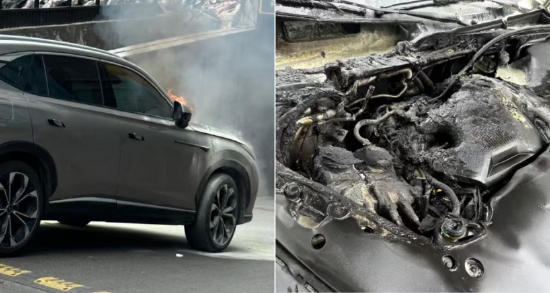
ESG观察|上汽荣威“零自燃”承诺背后的安全与责任之考
Xin Lang Cai Jing· 2025-12-18 10:52
Core Viewpoint - SAIC Motor Corporation's sub-brand Roewe faces significant backlash due to multiple incidents of vehicle fires, raising serious concerns about product safety and consumer rights, despite previous claims of "zero self-ignition" [1][3][10] Group 1: Incident Details - A Roewe RX5 vehicle caught fire while driving, with the fire department attributing the cause to potential mechanical failure in the engine compartment [1][16] - The owner reported inadequate response from Roewe, stating that the company only authorized a local dealership to handle the matter without offering an apology or satisfactory resolution [1][16] - Previous incidents involving Roewe's electric vehicles also included fires during charging, further highlighting ongoing safety issues [3][16] Group 2: Marketing and Brand Image - Roewe had previously promoted a "zero self-ignition" guarantee, claiming to make fire extinguishers obsolete, which contrasts sharply with the recent incidents [3][16] - The company introduced a "Super Safety Commitment" in July 2024, promising lifetime warranties on key components, but the execution of these promises has been called into question [3][16] Group 3: ESG Ratings and Implications - SAIC Motor's ESG rating is a B, ranking 6th among 8 companies in the passenger vehicle sector, with a social score of only 1.4, indicating poor performance in social responsibility [10][21] - Frequent safety incidents and inadequate responses to consumer complaints could negatively impact the company's ESG scores, particularly in customer safety and supply chain management [11][22] - The company is advised to align its marketing claims with actual safety performance and improve its after-sales service to enhance consumer trust and long-term sustainability [22]
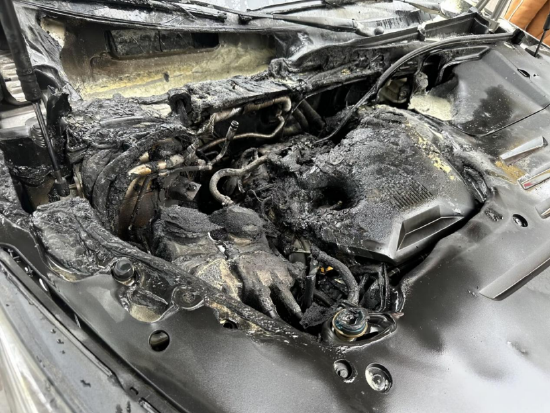
上汽荣威行驶途中自燃,曾宣传「让灭火器失业」,消防认定「不排除发动机故障」
3 6 Ke· 2025-12-18 03:31
Core Viewpoint - The promotional claim of "zero self-ignition" by Roewe is being challenged due to recent incidents of vehicle fires, raising concerns about the reliability of their vehicles and the company's response to such issues [1][7][11]. Group 1: Incidents of Vehicle Fires - A Roewe RX5 vehicle caught fire while being driven, with the cause attributed to potential mechanical failure in the engine compartment, as per the fire department's report [5][6]. - Another incident involved a Roewe RX5 that ignited while parked at a shopping mall, with the owner expressing dissatisfaction over the company's handling of the situation and compensation offered [2][6]. - Additional reports indicate that a Roewe Ei5 caught fire at a charging station, affecting surrounding vehicles, and another Roewe electric vehicle ignited in Chengdu, with both incidents not linked to external factors [9][11]. Group 2: Company Response and Policies - Roewe's official response to the incidents has been criticized as dismissive, with compensation offered based on second-hand vehicle prices, which the affected owners find unacceptable [6][12]. - The company's "zero ignition guarantee" policy, which promises a replacement vehicle under certain conditions, appears to be limited to specific electric and hybrid models, excluding fuel vehicles like the RX5 [9][12]. - Despite high safety ratings and previous claims of reliability, the recent self-ignition events have undermined consumer trust in the brand [11][12]. Group 3: Sales and Marketing Challenges - Roewe's sales have significantly declined, dropping from over 460,000 units in 2018 to just 139,000 units in 2024, falling short of the company's sales targets [14]. - The brand's marketing strategies have faced backlash, with accusations of "crawling" on competitors' promotional activities, leading to negative public perception [15]. - The merger of Roewe and another brand, Feifan, indicates a failure in Roewe's high-end market strategy, further complicating its market position [14].
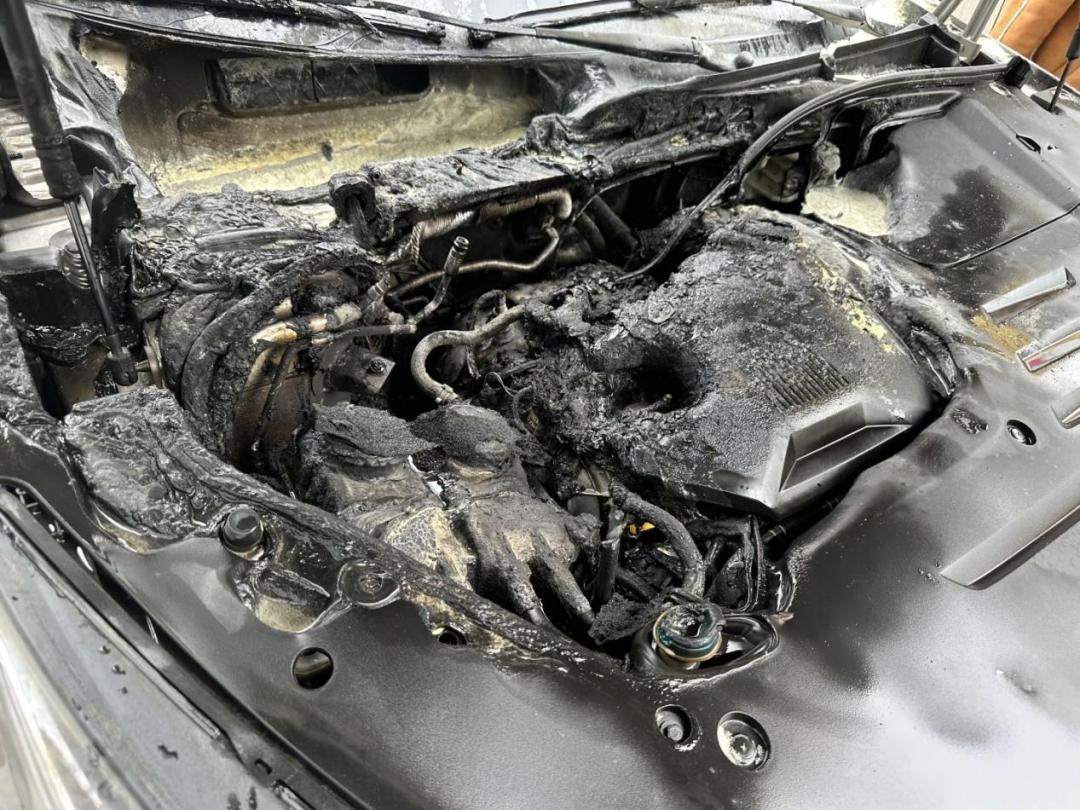
上汽荣威行驶途中自燃!曾宣传「让灭火器失业」,消防认定「不排除发动机故障」
Xin Lang Ke Ji· 2025-12-18 01:39
Core Viewpoint - The article highlights the contradiction between Roewe's marketing claims of "zero self-ignition" and recent incidents of vehicle fires, raising concerns about the company's reliability and customer trust [3][14][21]. Group 1: Incidents of Vehicle Fires - A Roewe RX5 owner reported a fire incident after only one year of ownership, with the cause attributed to potential mechanical failure in the engine compartment [4][10]. - The owner expressed dissatisfaction with Roewe's compensation offer, which was based on the vehicle's second-hand value, significantly lower than the original purchase price [11][12]. - Other fire incidents involving Roewe vehicles have been reported, including a fire during charging and another in Chengdu, with no satisfactory responses from the company [5][20]. Group 2: Marketing Claims and Policies - Roewe has promoted a "zero self-ignition" policy, offering to replace vehicles under certain conditions, but this policy primarily applies to electric and hybrid models, excluding gasoline vehicles [15][17]. - The company's marketing strategy has faced criticism for being misleading, especially as incidents of self-ignition continue to occur [14][21]. Group 3: Sales Performance and Brand Strategy - Roewe's sales have significantly declined from over 460,000 units in 2018 to just 139,000 units in 2024, falling short of the company's sales target of 200,000 units [27]. - The brand's attempts to position itself as a high-end player in the market have failed, leading to a merger with another brand, Feifan, to streamline operations [26]. - The company has faced backlash for its marketing tactics, with accusations of "crawling" on competitors' promotional activities [30].
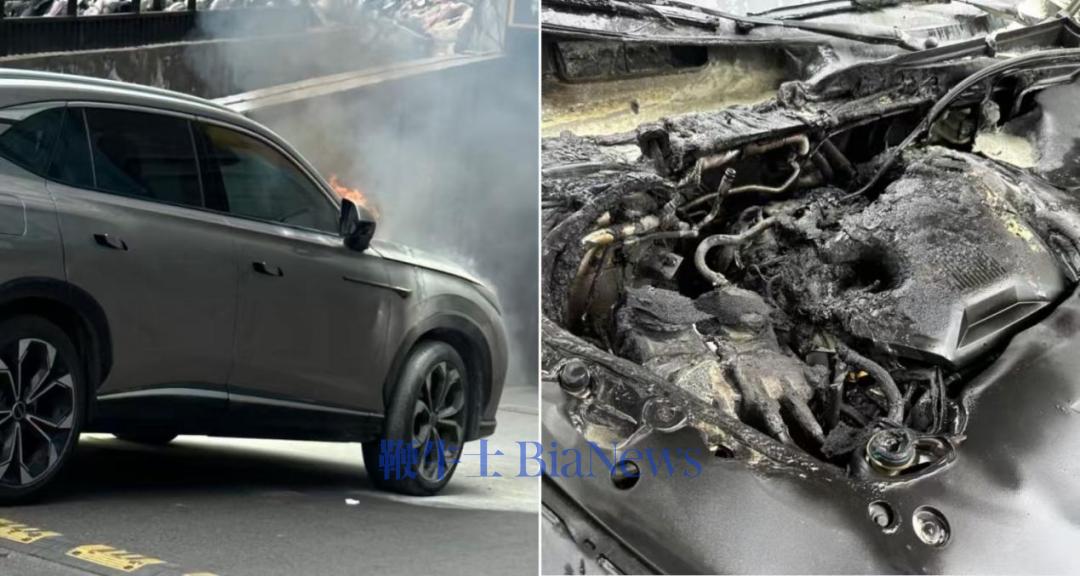
上汽荣威行驶途中自燃! 曾宣传“让灭火器失业”,消防认定“不排除发动机故障”
Xin Lang Cai Jing· 2025-12-18 00:35
Core Viewpoint - The promotional claim of "zero self-ignition" by SAIC Roewe faces backlash after incidents of vehicle fires, raising concerns about the brand's reliability and customer trust [2][3][12] Group 1: Incidents of Vehicle Fires - A Roewe RX5 owner reported a fire incident after only one year of ownership, with the cause linked to potential mechanical failure in the engine compartment [3][10] - The local fire department's report indicated that external factors like lightning or electrical faults were ruled out, suggesting a mechanical issue within the vehicle [10][30] - Other incidents involving Roewe vehicles, including a fire during charging and another in Chengdu, have also been reported, with authorities stating that these were not caused by accidents [4][16][36] Group 2: Company Response and Customer Dissatisfaction - The Roewe official response to the fire incident was deemed unsatisfactory, offering compensation based on the vehicle's second-hand value rather than the original purchase price [10][30] - The affected owner expressed frustration over the lack of accountability and the dismissive attitude from the Roewe service center [10][30] - The company's high-profile "zero self-ignition" campaign is contradicted by these incidents, undermining customer confidence [12][37] Group 3: Marketing and Sales Challenges - Roewe's ambitious marketing strategies, including the "Super Safety Commitment" and "zero ignition guarantee," have been criticized for not covering fuel vehicles, only electric and hybrid models [12][34] - The brand's sales have significantly declined from over 460,000 units in 2018 to just 139,000 units in 2024, falling short of the 200,000 unit target set by management [38][39] - The company has faced accusations of "marketing opportunism" in response to competitors, further damaging its reputation [41]