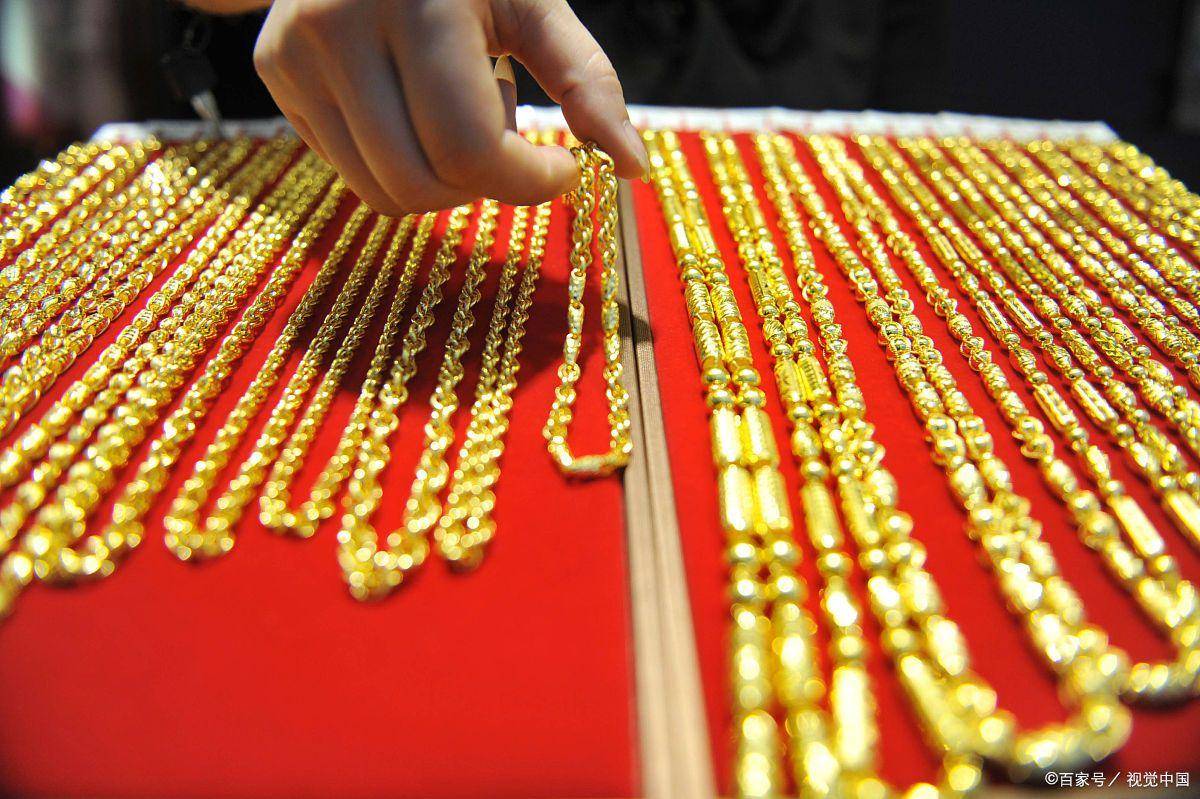
葫芦项链

Search documents
新年第一站,为什么是金店
Xin Jing Bao· 2026-02-18 07:07
Core Insights - The gold jewelry market during the Spring Festival has transformed from a traditional consumption habit into a blend of price, emotion, and social experience, with consumers increasingly valuing aesthetics over weight [2][12][19] Group 1: Market Trends - Gold prices have seen a significant increase, with a rise of over 12% in less than two months and more than 80% compared to last year's prices [1][14] - High-end gold brands like Lao Pu Gold and Chao Hong Ji have emerged as market leaders, with Lao Pu Gold reporting a 251% increase in revenue and a 285.8% increase in net profit for the first half of the year [17][18] - The trend of purchasing gold has shifted towards smaller weights and more visually appealing designs, with younger consumers favoring unique and trendy items [9][11][12] Group 2: Consumer Behavior - Consumers are increasingly willing to pay a premium for aesthetically pleasing gold items, with some opting for "one-price" products that may be more expensive per gram but are perceived as more valuable [9][12] - The social aspect of buying gold has become prominent, with consumers sharing their experiences on social media and treating gold purchases as part of their holiday rituals [1][5][8] - The demand for gold jewelry has been bolstered by promotional activities and discounts offered by retailers during the festive season, attracting both local and foreign tourists [7][8][14] Group 3: Industry Challenges - Despite the booming sales, not all companies are profiting; some, like ST Cuihua and Mingpai Jewelry, are facing significant financial difficulties due to reliance on low-margin wholesale and cross-industry losses [18][19] - The industry is experiencing a pricing adjustment phase, with many brands planning to increase prices by 15% to 20% in the near future due to rising costs of gold and raw materials [14][15] - The shift towards high-end products is seen as essential for companies to navigate the pressures of high gold prices and changing consumer preferences [19]


今日金价!1月22日最新黄金价格!各大金店、黄金回收价格查询
Sou Hu Cai Jing· 2026-01-23 00:27
Group 1 - The core point of the article is that spot gold has reached a historic high, surpassing $4800 per ounce and hitting $4835.28, leading to a rapid increase in domestic retail gold prices, with major brands approaching 1500 yuan per gram [1][6] - Retail gold prices are significantly higher than the domestic benchmark price due to a composite pricing structure of "benchmark price + processing fees + brand premium," which may lead to delayed or excessive price adjustments in the retail sector [2][6] - The rise in gold prices has positively impacted related assets, with significant increases in A-shares and Hong Kong stocks in the gold sector, supported by substantial net inflows into Shanghai Gold ETFs, totaling approximately 32.90 billion yuan over four days [3][4] Group 2 - The driving factors behind the current rise in gold prices include geopolitical uncertainties increasing demand for safe-haven assets, sustained high levels of gold purchases by central banks, a decline in the dollar's share in global reserves, and expectations of interest rate cuts by the Federal Reserve [6][7] - Domestic consumers face challenges in the current high-price environment, including significant price differences when buying gold and lower recovery prices when selling, which do not account for processing fees and brand premiums [7][6] - The volatility risk at high price levels is increasing, with some market participants hedging against potential pullbacks, suggesting that consumers and investors should differentiate between wearing and investment needs while being mindful of channel costs and repurchase rules [7][6]