蒜鸟文创产品

Search documents
《2025活力之城IP指数报告》发布 武汉城市IP综合实力全国第二
Chang Jiang Ri Bao· 2025-12-04 00:48
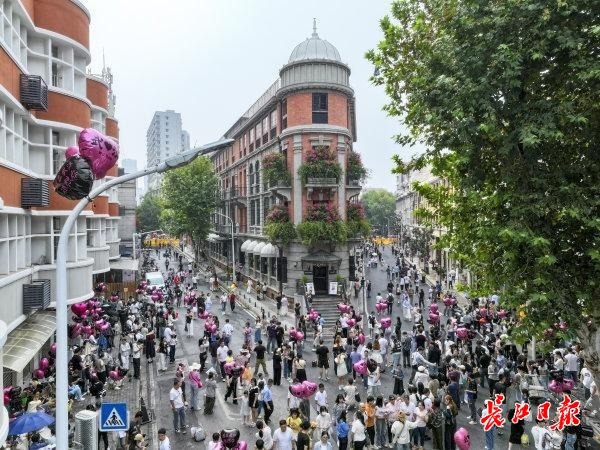
Group 1 - The core viewpoint of the articles highlights the emergence of urban IP as a key factor in transforming traffic into retention, with Wuhan ranking second nationally in the "Vibrant City IP Index" [1] - The "2025 Vibrant City IP Index Report" evaluates cities based on their communication, consumption, cultural, and innovation vitality, with 21 cities selected as case studies, including Guangzhou, Wuhan, Chengdu, Nanjing, and Jinan in the top five [1] - Wuhan's unique path combines historical heritage with modern innovation, contributing to its recognition as a "Vibrant City" [1] Group 2 - The Ba Gong House, a historical building in Wuhan, has been transformed into a hotel that offers a blend of classical and modern elements, attracting visitors for its unique cultural experiences [2][4] - The hotel features 45 rooms and has developed additional spaces like Ba Gong Tavern and various cultural creative spaces, enhancing its appeal to younger audiences [2][7] - The Ba Gong House has become a cultural landmark, showcasing the integration of historical architecture with modern amenities and experiences [2][7] Group 3 - The local creative products, such as the "Garlic Bird" series, have gained popularity, with 600,000 units sold this year, reflecting a trend in local consumption driven by cultural products [7][10] - The integration of traditional crafts with modern design has made local heritage items appealing to younger consumers, leading to significant sales growth in cultural products [11][12] - The city has established 20 new cultural tourism stores to promote local creative brands, enhancing the immersive cultural shopping experience for visitors [12] Group 4 - Wuhan is expanding its cultural tourism sector with innovative projects that combine technology and culture, such as the upgraded "Water Show" and the "AI Fantasy Art Journey," attracting large audiences [13][15] - The city has launched seven new digital performance products this year, creating diverse cultural consumption options that appeal to younger demographics [15] - The revitalization of historical buildings, the popularity of local creative products, and the emergence of new cultural tourism formats are collectively enhancing Wuhan's urban vitality [15]

消费冲万亿,三大省会谁先撞线?
Sou Hu Cai Jing· 2025-09-21 04:41
Core Viewpoint - The article discusses the competition among three sub-provincial cities: Hangzhou, Nanjing, and Wuhan, as they strive to reach or exceed a retail sales total of 1 trillion yuan, driven by unique strategies and consumer trends [2][12]. Group 1: Retail Sales Performance - In 2024, Nanjing, Wuhan, and Hangzhou are projected to have retail sales totals of 855.3 billion yuan, 793.2 billion yuan, and 788.4 billion yuan respectively, placing them in the eighth to tenth positions among China's top ten consumer cities [6]. - Hangzhou's retail sales grew by 5.1% year-on-year in the first seven months of 2024, reaching 527.07 billion yuan, surpassing both Nanjing and Wuhan [6]. - Wuhan's retail sales reached 492.9 billion yuan in the first seven months, with a growth rate of 6.6%, significantly above the national average of 3.7% [7]. Group 2: Consumer Trends and Policies - The "old for new" policy and the integration of digital economy have significantly boosted retail sales in various categories, including home appliances (up 86.3%) and new energy vehicles (up 23.7%) [7]. - Nanjing's retail sales increased by 4.4% year-on-year to 496 billion yuan, benefiting from subsidy policies and the popularity of the Suzhou Super League, which attracted over 60,000 spectators to a match [9]. Group 3: Historical Context and Future Projections - Historically, Wuhan led in retail sales among the three cities until 2020, when it was surpassed by Nanjing and Hangzhou [12][16]. - By 2023, both Wuhan and Nanjing adjusted their 2025 retail sales targets to 900 billion yuan, while Hangzhou aims for 900 billion yuan by 2027 [12][18]. - The competition is not just about reaching the 1 trillion yuan mark but also about achieving high-quality and innovative consumption [25]. Group 4: Economic and Demographic Insights - Hangzhou has the highest household savings balance at 2.58 trillion yuan, with a per capita disposable income exceeding 83,000 yuan, supported by a strong digital economy [20]. - Nanjing's consumption is driven by events and tourism, but it faces challenges in high-end digital consumption and international brand introduction [23]. - Wuhan, while rich in cultural and educational resources, has a lower household savings balance of 1.82 trillion yuan and per capita disposable income of approximately 67,000 yuan, indicating a need for improvement in high-end consumption and digital economy [25].
武汉,稳坐“中部消费第一城”!哪些中部重点城市“更能花钱”?
21世纪经济报道· 2025-05-16 12:28
Core Viewpoint - The consumption market in central China is showing significant vitality, driven by various factors including government policies aimed at boosting consumption and the popularity of cultural tourism [2][3]. Group 1: Consumption Trends in Central Cities - Wuhan leads the central region with a retail sales total exceeding 200 billion yuan in Q1 2025, while Zhengzhou, Hefei, and Changsha also surpass 100 billion yuan [5]. - The overall retail sales growth in central cities outpaced the national average, with eight out of eleven cities achieving higher growth rates [5]. - The "old-for-new" consumption policy has significantly boosted sales in various categories, with notable increases in electronics and home appliances [8][13]. Group 2: Cultural Tourism Impact - Cultural tourism has become a major driver of consumption, with cities like Wuhan, Changsha, and Luoyang seeing substantial increases in tourist numbers and spending [9][15]. - During the Spring Festival, Changsha received nearly 950,000 visitors, marking a 26% increase in tourist spending [9]. - Luoyang's tourism revenue reached 6.515 billion yuan during the "May Day" holiday, reflecting a 9.37% year-on-year growth [15]. Group 3: E-commerce and New Consumption Models - Online sales have surged, with cities like Zhengzhou and Hefei reporting significant growth in e-commerce retail [9][12]. - The rise of new consumption models, including live-streaming and short video commerce, has diversified the supply of goods available to consumers [9][12]. Group 4: Policy Initiatives and Economic Goals - Central provinces have implemented policies to stimulate consumption, with cities like Wuhan and Zhengzhou aiming to become international consumption centers [12][13]. - The focus on service consumption and the integration of cultural and commercial activities are key strategies for enhancing local economies [14][15]. - The "first-store economy" is being promoted, with financial incentives for brands to establish their first outlets in these cities [16][17].