蚝豉

Search documents
阳江阳西以“蚝”为媒激活乡村振兴新动能 撬动超7亿元全产业链产值
Nan Fang Ri Bao Wang Luo Ban· 2025-12-22 07:46
Core Viewpoint - The article highlights the successful integration of the oyster industry with tourism and cultural activities in Chengcun, Yangxi County, leading to significant economic growth and community development. Industry Overview - Chengcun oysters, recognized as a national geographical indication product, thrive in a unique brackish water environment and mangrove ecosystem, contributing to an industry value exceeding 700 million yuan [1] - The oyster industry has transitioned from traditional farming methods to scientific approaches, resulting in improved quality and doubled production [2][3] Production and Processing - The introduction of triploid oysters, which do not require seasonal breeding, has revolutionized local oyster farming, with investments exceeding 4 million yuan in research and development [3] - The processing capabilities of local companies have significantly increased, with daily processing capacity rising from 5,000 kg to 50,000 kg, generating an annual output value of over 30 million yuan [3] Tourism and Cultural Integration - The integration of agriculture, culture, and tourism has transformed Chengcun into a destination where visitors can enjoy a full day of activities, including dining, lodging, and nature exploration [4][5] - The annual Chengcun Oyster Food Culture Promotion Week has enhanced the region's visibility and market influence, with fresh oyster production increasing by an average of 20% annually [6] Future Prospects - By 2025, it is projected that tourism numbers and revenue in Hongguang Village will increase to 20 times that of 2022, indicating strong economic vitality in the oyster sector [6] - The local government aims to further develop the oyster industry by expanding into tourism services, thereby creating a comprehensive development model that enhances the reputation of Chengcun oysters nationwide [6]
广西钦州蚝情节启幕 “文旅+百业”联动带热冬日消费
Sou Hu Cai Jing· 2025-12-07 00:35
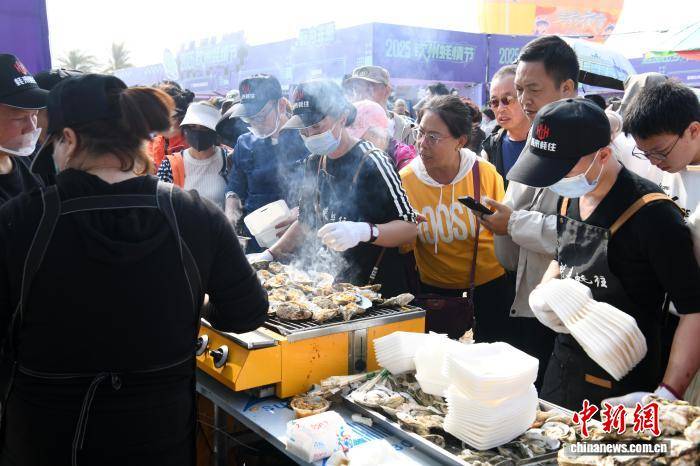
Core Insights - The 14th Qinzhou Oyster Festival has opened in Qinzhou City, Guangxi, focusing on the "Qinzhou Big Oyster" brand and integrating "culture, tourism, and various industries" with AI technology to create a multi-dimensional consumption scenario, aiming to stimulate winter consumption over a month-long series of activities [1] Group 1: Event Highlights - The festival features diverse performances including drum shows, lion dances, and underwater robots acting as "AI oyster harvesters," alongside a variety of oyster dishes attracting large crowds [3] - A total of 26 leisure, cultural, and consumption-promoting activities are being held, with nine themed sections including "food, travel, shopping, and entertainment," showcasing products like imported durians and bird's nest [3] - The event will also have sub-venues across major shopping districts in Qinzhou, promoting a series of consumption activities such as the "Qinzhou Station of the 15-Minute Convenient Living Service Consumption Month" and an automotive carnival [3] Group 2: Digital and Service Innovations - The festival has implemented a digital upgrade in service assurance through the "One Code Pass" smart service platform, which integrates merchant navigation, route planning, parking guidance, and real-time monitoring for a convenient visitor experience [4] - Offline, a comprehensive service center and complaint handling point have been established to quickly address visitor needs, while drone technology and robotic patrols enhance safety and order during the event [4] Group 3: Industry Development - Qinzhou City, known as the "Hometown of Chinese Oysters," has prioritized the development of the oyster industry, implementing initiatives for brand creation, geographical indication product protection, and a three-year action plan for "one town, one product" [6] - The "Qinzhou Big Oyster" brand has a value of 5.316 billion RMB, ranking seventh in the national geographical indication agricultural product regional brand value list [6] - Currently, the oyster farming area in Qinzhou is 128,000 acres, with an expected production of over 330,000 tons and a value exceeding 4 billion RMB by 2025, creating nearly 100,000 jobs [6] - The farming method has shifted to a floating ball suspension system, increasing typhoon resistance to level 12 and tripling production compared to traditional methods [6] - The industry has established a complete supply chain from breeding to processing, with innovations such as high-end raw oysters and the mass production of fresh oyster balls, catering to markets in the Guangdong-Hong Kong-Macao Greater Bay Area [6]