
蜜桃乌龙茶

Search documents
一线饮料品牌释放“价格战”信号,2026饮料行业或将再迎来降价潮
Xin Lang Cai Jing· 2025-12-05 11:37
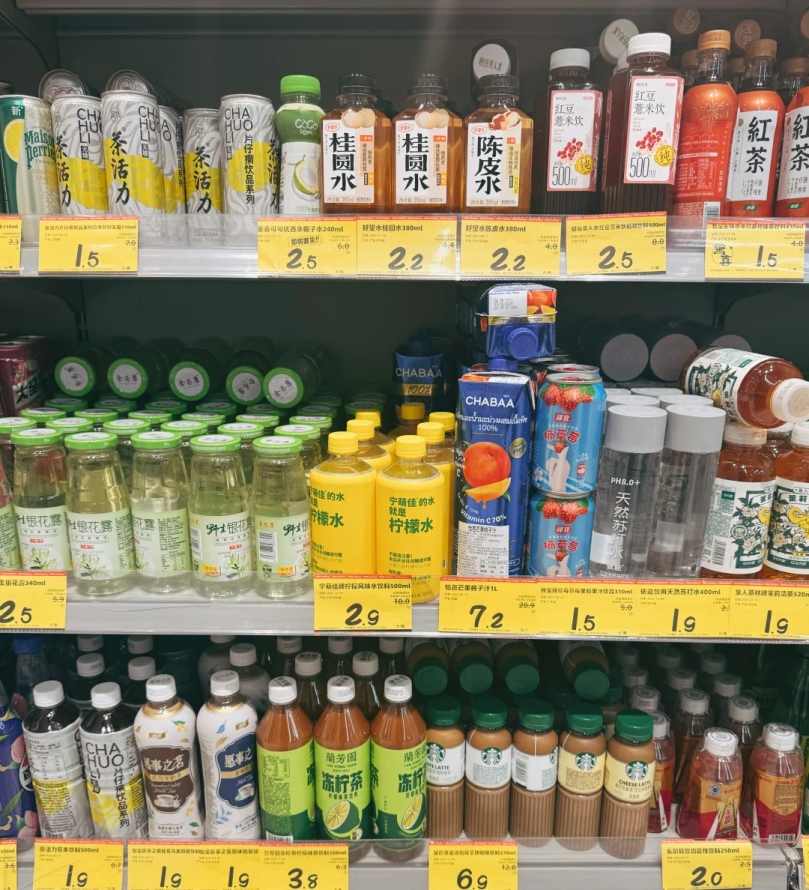
Core Insights - A leading beverage company in China has proactively lowered its growth target for 2026, indicating a significant reduction compared to its historical growth rates, while simultaneously pursuing aggressive expansion plans, suggesting the initiation of a "price war" [1][3] - Another major beverage player has announced a clear and aggressive strategy for the coming year, focusing on expanding market share through "internal competition" and seeking breakthroughs in new categories via price wars [1][3] Price War Dynamics - Historical trends show that when industry giants initiate internal competition, it often compels other players to follow suit, leading to a downward spiral into price wars [3] - The price decline in the beverage market has already begun to manifest, with average prices for sugar-free tea and "health water" dropping from approximately 5.6 yuan and 0.9 yuan per 100ml in 2023 to about 5.15 yuan and 0.86 yuan in 2025 [4][6] Pricing Strategies - New products in the health beverage category launched in the first half of the year have an average price of about 5 yuan per bottle, a 12% decrease from the 2024 average of 5.7 yuan [6] - Promotions such as "second bottle for 1 yuan" have led to actual transaction prices for health beverages dropping to between 3 and 5.5 yuan per bottle, representing a decline of over 40% [6] - The bottled water sector is also experiencing price reductions, with major brands like Nongfu Spring and Wahaha temporarily pausing before second-tier brands like Master Kong and Yili continue to push low-price strategies [8] Market Sentiment and Consumer Behavior - Distributors are feeling the impact of price reductions directly, with reports indicating that previously popular beverages priced at 6-8 yuan are now generally below 5 yuan [10] - The shift in pricing power from distributors to brand owners is evident, as brands are forced to lower prices to maintain market share and relationships with distributors amid high inventory levels [10][12] Promotional Tactics - Brands are employing sophisticated pricing strategies, including large packaging and "one yuan exchange" promotions, to capture market share without directly undermining existing price structures [12][15] - Some companies have officially announced price reductions by launching newly priced products, such as a major international cola brand introducing a 400ml product priced lower than its previous 500ml offerings [15] Industry Outlook - The signals from industry giants indicate that the beverage sector will become increasingly competitive in 2026, with price wars expected to be a primary battleground [16][20] - The ongoing price war is likely to impact all segments of the supply chain, including small brands, distributors, and consumers, with potential negative consequences for profit margins and product quality [20][22]






织就“百千”锦绣图 振兴乡村万象新
Bei Jing Wan Bao· 2025-11-11 06:15
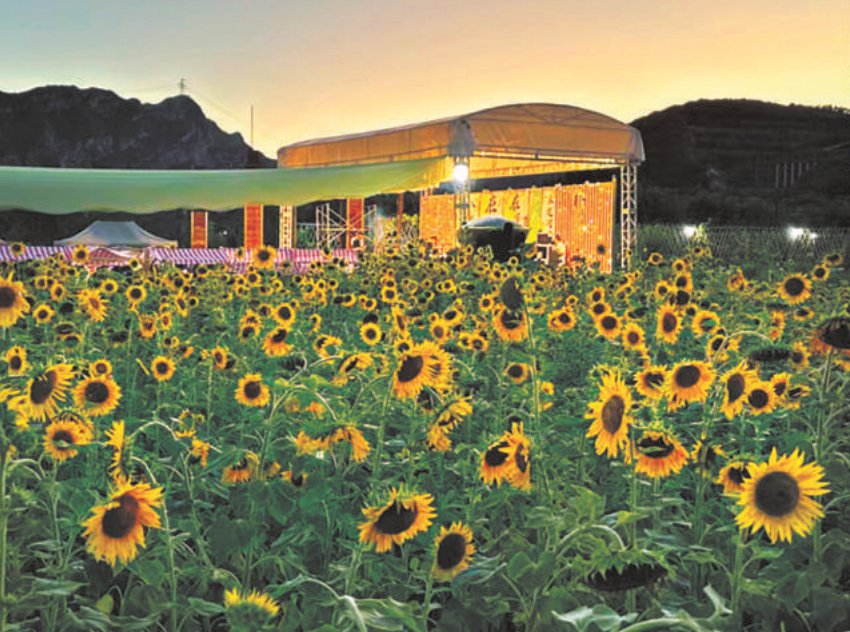
Core Insights - The "Hundred Villages Demonstration, Thousand Villages Revitalization" project aims to cultivate demonstration villages that reflect the capital's standards and characteristics, promoting comprehensive rural revitalization in the capital city [1][2] Group 1: Project Overview - In 2023, the city launched the "Hundred Villages Demonstration, Thousand Villages Revitalization" initiative, with a goal to establish 100 demonstration villages by 2027 that are strong in industry, beautiful in rural landscape, and prosperous for farmers [2] - The project includes the creation of demonstration areas and aims to improve over 3,000 existing villages by addressing shortcomings and promoting revitalization [2] Group 2: Case Studies of Revitalization - Water Yuzui Village, known for its historical significance, is undergoing transformation post-disaster, leveraging the project to develop new tourism and hospitality offerings, including a French-style inn and wellness facilities [5][6][7] - Zhouzhuangzi Village has embraced e-commerce and live streaming, with over 300 local residents becoming live streamers, significantly boosting local employment and economic activity [9][10][11] - Longtou Village is revitalizing its cultural heritage through a lantern workshop, enhancing local craftsmanship and creating job opportunities for residents [13][14][15] - Yaoshuigou Village is restoring its ancient fortress, improving infrastructure and aesthetics, which is expected to enhance tourism and local business [17][18][19] Group 3: Community Engagement and Development - Dongtai Village is focusing on creating a warm and culturally rich community, integrating agriculture, culture, and tourism, while encouraging local youth to participate in village development [22][23][24][25]
宗馥莉被困在“接班人”里20年,但不会是永远
3 6 Ke· 2025-04-28 10:25
Core Viewpoint - The article discusses the recent developments surrounding Wahaha's foray into the footwear market, particularly the controversy over the "Wahaha AD Calcium Milk" shoes, and the implications of leadership transition from Zong Qinghou to his daughter Zong Fuli [1][2][5]. Group 1: Wahaha's Footwear Venture - A new Douyin account named "Wahaha Sports Shoes and Clothing Flagship Store" has seen rapid growth, with the "Wahaha AD Calcium Milk" shoes selling nearly 20,000 pairs in just one month [1]. - The shoes are priced at 136 yuan and feature designs inspired by popular Wahaha beverages [1]. - Despite the initial success, Wahaha's management has stated that the production and sales of these shoes violate trademark agreements, leading to the termination of trademark authorization [1][2]. Group 2: Leadership Transition - Zong Fuli, the daughter of the late Zong Qinghou, has taken over leadership at Wahaha, facing challenges both internally and externally [5][6]. - Zong Fuli has initiated new product launches, including "New Ice Red Tea" and "Fruit Green Tea," aiming for significant sales growth [8]. - The transition has not been smooth, with reports of internal dissent and challenges from Zong Qinghou's brother, Zong Zehou, who is also entering the beverage market with a competing brand [10][11]. Group 3: Historical Context and Challenges - Wahaha's exploration into the clothing sector dates back to 2002, but previous attempts, such as the children's clothing line, faced difficulties and were eventually discontinued [3][4]. - The company has seen a significant increase in beverage sales, with a 53% year-on-year growth in 2024, largely driven by its classic products [6]. - Despite the growth, there are concerns about the sustainability of this success, as the company has struggled to innovate beyond its established product lines [6][9]. Group 4: Market Dynamics - The emergence of a competing brand, "Yipin Zongshi AD Calcium Milk," which closely resembles Wahaha's branding, indicates increasing competition in the beverage market [10]. - Zong Fuli's leadership style and decisions have led to mixed reactions from stakeholders, with some questioning her approach to managing the company [11][12]. - The transfer of labor relations and contracts to her own company, Hongsheng Beverage, suggests a blurring of lines between the two entities, raising concerns about governance and operational clarity [15][16].