蝴蝶刀

Search documents
一天蒸发近20亿美元! 游戏装备造富神话破灭
Di Yi Cai Jing· 2025-10-26 01:11
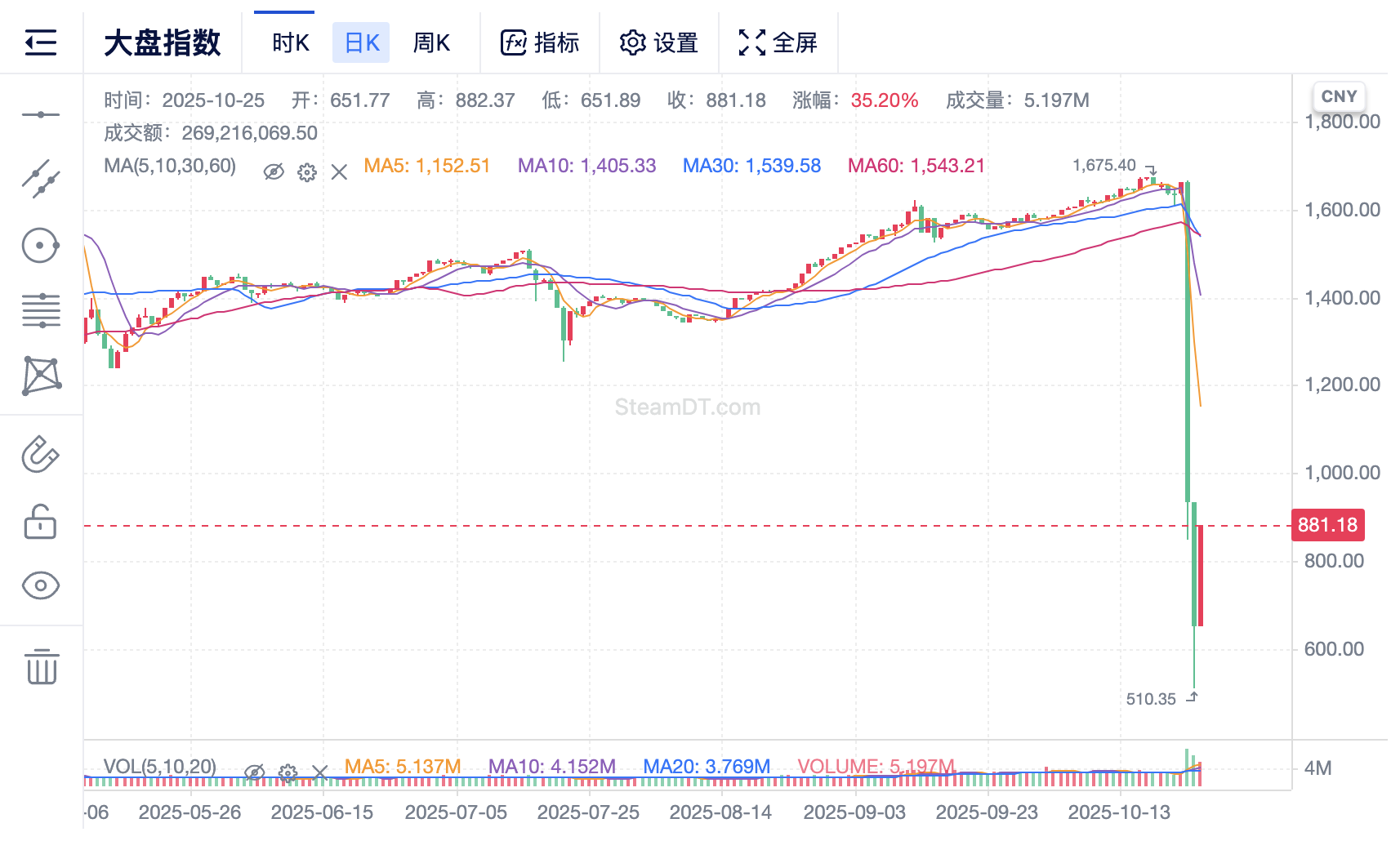
Core Viewpoint - The recent update by Valve for CS2 has led to a significant drop in the in-game item market, with the market value plummeting from approximately $6 billion to around $4 billion, resulting in a loss of nearly $2 billion in a single day [1] Market Impact - The market index for CS2 items fell from 1663 points to 652 points within two days, a decline of over 60%, and as of October 25, it slightly recovered to 881 points, still representing a significant loss [1] - The price of the popular item "Butterfly Knife" dropped from 20,719 yuan to 5,280 yuan, a decrease of nearly 75% [1][5] Player Reactions - Many players reported substantial losses, with some stating they lost tens of thousands in a matter of hours, while others managed to sell their items before the crash and avoided losses [7][11] - Players like Luis, who sold items prior to the update, believe that the change will benefit regular players by making items more accessible and reducing the influence of speculators [3][11] Industry Analysis - Industry analysts suggest that the virtual item market is artificially created and lacks inherent value, indicating that the recent changes serve as a warning for the sustainability of such markets [3][15] - The update is seen as a move by Valve to reduce speculation and encourage genuine player engagement, potentially leading to a healthier market in the long run [11][12] Historical Context - CS2, as a long-standing franchise, has a large player base and has seen significant trading activity in virtual items, which were previously viewed as investment opportunities [4][14] - The trading mechanisms in games like CS2 have evolved, with past instances of market crashes in similar games indicating a pattern of volatility in virtual item markets [15][16]

一行代码,近20亿美元灰飞烟灭
虎嗅APP· 2025-10-25 09:33
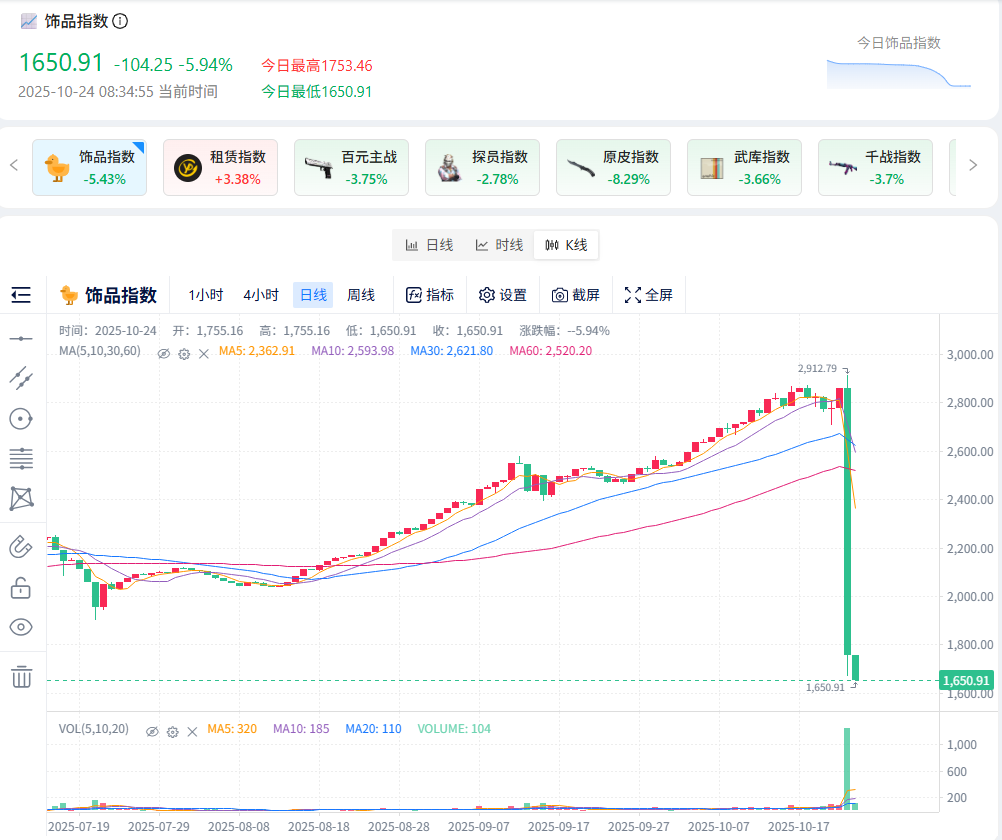
Core Viewpoint - The recent update by Valve for Counter-Strike 2 has drastically altered the in-game item market, leading to a significant drop in the value of virtual assets, with the market losing nearly $20 billion in a single day due to changes in the item synthesis system [5][8][23]. Group 1: Market Impact - The update introduced a new synthesis system allowing players to convert common skins into knives or gloves, significantly lowering the cost and accessibility of rare items [5][6]. - Following the update, the price of high-value items plummeted, with the Karambit Doppler dropping from over $2,700 to $1,100, and the Butterfly Knife from 30,000 yuan to 7,800 yuan [7][8]. - The CS2 item index fell by 28% in one day, from 2,858.94 to 1,258.79 points, reflecting a market valuation drop from approximately $59 billion to $42 billion [8][9]. Group 2: Player Reactions - Professional speculators, referred to as "倒狗," faced significant losses, with some reporting losses exceeding 1 million yuan, leading to a withdrawal from the item trading market [9][12]. - While speculators lamented the changes, regular players expressed excitement over the new synthesis opportunities, as the barrier to obtaining desirable items was significantly lowered [12][14]. Group 3: Economic Dynamics - The update has created a divide in the market, with the value of red skins increasing as they became essential for synthesis, with prices rising from 10 yuan to 160 yuan [14][18]. - The game has a large player base, with peak concurrent players reaching 1.86 million, and daily active users ranging from 600,000 to 1.5 million, contributing to the high demand for in-game items [17][18]. Group 4: Vulnerability of Virtual Assets - The volatility of the item market is highlighted by the fact that its value is entirely dependent on Valve's rules, which can be changed with a simple announcement [23][24]. - The value of CS2 items relies on player consensus and continuous influx of new users, lacking any backing from the real economy, making it susceptible to drastic price drops [23][24]. Group 5: Valve's Strategic Intent - There are speculations that Valve's changes aim to refocus player attention on gameplay rather than item trading, potentially reducing the financialization of in-game items [26][27]. - Another theory suggests that Valve seeks to reclaim control over item pricing, as the changes could increase box sales and transaction frequency, allowing the company to benefit from both sales and market fees [27][28].

疯狂的《CS2》:玩家一夜亏损百万,游戏更新致交易市场闪崩
Sou Hu Cai Jing· 2025-10-25 03:16
Core Insights - The virtual item trading market for "Counter-Strike 2" (CS2) experienced a dramatic crash, with the total market valuation evaporating by nearly $2 billion within 24 hours, and the price of a popular virtual item, the "butterfly knife," dropping significantly [1][13][20] Market Dynamics - The crash was triggered by a major update from the game developer Valve on October 23, which altered the item acquisition system, allowing players to exchange lower-value items for rare skins, thus reducing the scarcity and value of previously high-priced items [15][16][20] - Prior to the update, acquiring rare items required significant investment, often involving the purchase of hundreds or thousands of loot boxes, which created a high barrier to entry and inflated prices [16][18] Player Impact - Many players reported substantial losses, with one experienced player losing approximately ¥60,000 overnight due to the drastic price drops of their virtual items [5][7] - The market crash particularly affected "item merchants" who had invested heavily in high-value skins, with some reporting losses exceeding ¥1 million [9][20] Trading Platforms - The primary platforms for trading CS2 items in China are NetEase's BUFF and Youyou Youpin, where players can track their inventory and market prices in real-time [11] - The trading ecosystem had evolved into a financial-like market, attracting not only gamers but also investors looking to profit from the perceived value of virtual items [20][21] Market Sentiment - The update has led to a significant shift in market sentiment, with many players and investors realizing the inherent risks of virtual asset trading, as game developers can change rules at any time, leading to sudden and severe market fluctuations [20][21] - Despite the ongoing sell-off, some speculators are attempting to capitalize on the price drops by buying items at lower prices, hoping for a market rebound [21]

巨头游戏公司宣布重大更新后,暴跌!崩盘!有人一夜之间亏了好几万……
第一财经· 2025-10-24 13:33
Core Viewpoint - The recent update to Counter-Strike 2 (CS2) by Valve has led to a significant devaluation of in-game items, causing turmoil in the virtual item trading market, with total market valuation dropping from approximately $59 billion to $42 billion in a single day [5][7][15]. Group 1: Market Impact - The update allows players to exchange cheaper items for rare skins, drastically increasing supply and reducing costs [6][7]. - The total market valuation of CS2 items plummeted by nearly $20 billion, with high-end items experiencing a drop of over 50% in value [7][9][15]. - Specific items like the "Butterfly Knife" saw their prices drop from over ¥40,000 to around ¥10,000, while "Sport Gloves" fell by over ¥27,000 [9][10]. Group 2: Player Reactions - Many players reported significant losses, with some losing tens of thousands of yuan due to the sudden market crash [10][14]. - The trading platforms experienced heavy traffic and even temporary shutdowns due to mass sell-offs by players holding high-value items [14]. Group 3: Historical Context - CS2 has a long-standing history, being a popular game since the late 1990s, and has maintained a large player base over the years [18]. - Unlike many games where items can be purchased directly, CS2 items were traditionally obtained through a random drop system, making them scarce and valuable [19][20]. Group 4: Market Dynamics - The CS2 item market has been compared to stock markets due to its speculative nature, with players engaging in buying, selling, and renting items for profit [21]. - The introduction of a T+7 selling mechanism adds to market volatility and participant risk, as items cannot be sold immediately after purchase [21].

CS2饰品价格崩盘,交易平台一度瘫痪!有职业选手选择“清仓”:疯狂抛售与操纵,太夸张了
Mei Ri Jing Ji Xin Wen· 2025-10-24 10:00
Core Insights - The market for CS2 game skins experienced a significant crash, with total market valuation dropping from $5.9 billion to $4.2 billion, resulting in a loss of $1.7 billion in a single day [1] - High-end skins saw drastic declines, with rare items like professional gloves and butterfly knives dropping over 50% in value [1][7] Market Dynamics - The decline was triggered by a major update from Valve, which reduced the scarcity of high-end skins by allowing players to exchange cheaper items for rare ones [3][5] - Previously, valuable skins could only be obtained through expensive loot boxes, but the new synthesis method significantly lowers costs and increases the availability of rare items [5][6] Player Behavior - Many players began to liquidate their high-value skins, leading to a near-collapse of the skin trading market, with some items losing half their value overnight [7][8] - Professional players, including those from the MOUZ team, expressed panic and sold off their assets, indicating a loss of confidence in the market [10] Historical Context - The CS series has a long history, with CS:GO transitioning to CS2 in September 2023, maintaining the importance of skin trading as a core aspect of the game's ecosystem [10] - The rise in skin prices in recent years was driven by their perceived value as investments, leading to speculative trading behavior among players [11] Speculative Risks - The market has seen instances of extreme volatility, such as the "Black Egg" sticker, which experienced a rapid price increase followed by a dramatic crash, highlighting the speculative risks inherent in the virtual economy [12][15]
瓦学弟和go学长,吵着吵着就亲上了
3 6 Ke· 2025-05-09 01:42
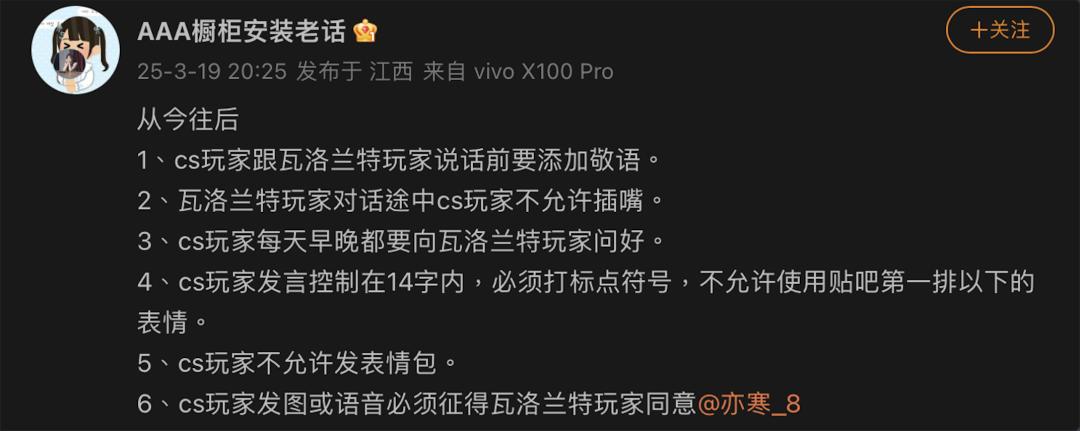
Core Viewpoint - The rivalry between players of "CS:GO" and "Valorant" has intensified, with each group developing distinct identities and stereotypes, leading to a cultural phenomenon within the gaming community [1][2][28]. Group 1: Player Dynamics - "CS:GO" players are characterized as "Sigma Males," independent and disciplined, while "Valorant" players are seen as emotionally expressive and less serious [2][21]. - The interaction between the two groups has evolved into a humorous yet competitive exchange, with players mocking each other's gaming styles and social behaviors [4][10][41]. - The rivalry has led to the creation of memes and online content that further solidifies the stereotypes of each group, such as "Valorant" players seeking maternal figures in-game [6][27]. Group 2: Market Impact - The launch of "Valorant" has significantly affected "CS:GO," with a notable decline in player engagement and a drop in the prices of in-game items, such as a butterfly knife that fell from 16,000 to 12,200, a decrease of 23.75% [36][38]. - Despite the rivalry, both games have benefited from the increased attention, with "CS:GO" seeing a resurgence in player numbers and item prices following the cultural exchanges [50][51]. - The competitive nature of the two games has led to a unique marketing dynamic, where both titles leverage their rivalry to enhance visibility and engagement within the gaming community [52][55].