行政酒廊

Search documents
别装了,酒店养不起行政酒廊了
3 6 Ke· 2025-09-17 09:32
Core Viewpoint - Hilton Group has quietly allowed some hotels to cancel executive lounges based on actual conditions, indicating a shift in operational strategy towards flexibility and cost management [1][2][6]. Group 1: Hilton's Strategy - The cancellation of executive lounges is not a mandate but an operational suggestion, allowing hotels to provide alternative options for guests [2][3]. - The approach to executive lounges will be more selective and strategic, focusing on properties that can effectively attract guests and generate positive reviews [5][10]. - New Hilton properties in China have not consistently included executive lounges, reflecting a flexible approach to amenities based on market conditions [3][10]. Group 2: Industry Trends - Marriott is also closing executive lounges in several Courtyard hotels starting March 2025, with some locations announcing permanent closures without alternatives [6][8]. - The trend of closing executive lounges is part of a broader "slimming down" strategy among five-star hotels, as these amenities have become cost burdens rather than value-adds [9][12]. - The operational costs of maintaining an executive lounge are significant, often exceeding the revenue generated from them, leading to their removal in favor of more profitable services [13][19]. Group 3: Changing Consumer Preferences - There is a noticeable shift in consumer expectations, with many guests feeling relieved rather than disappointed by the removal of executive lounges, indicating a change in the perceived value of such amenities [9][15]. - The concept of executive lounges has evolved, with their original purpose of providing a high-end experience for business travelers becoming less relevant in the current market [10][20]. - The hotel industry is moving towards a model where services are tailored to actual demand rather than a one-size-fits-all approach, emphasizing quality over quantity [21].


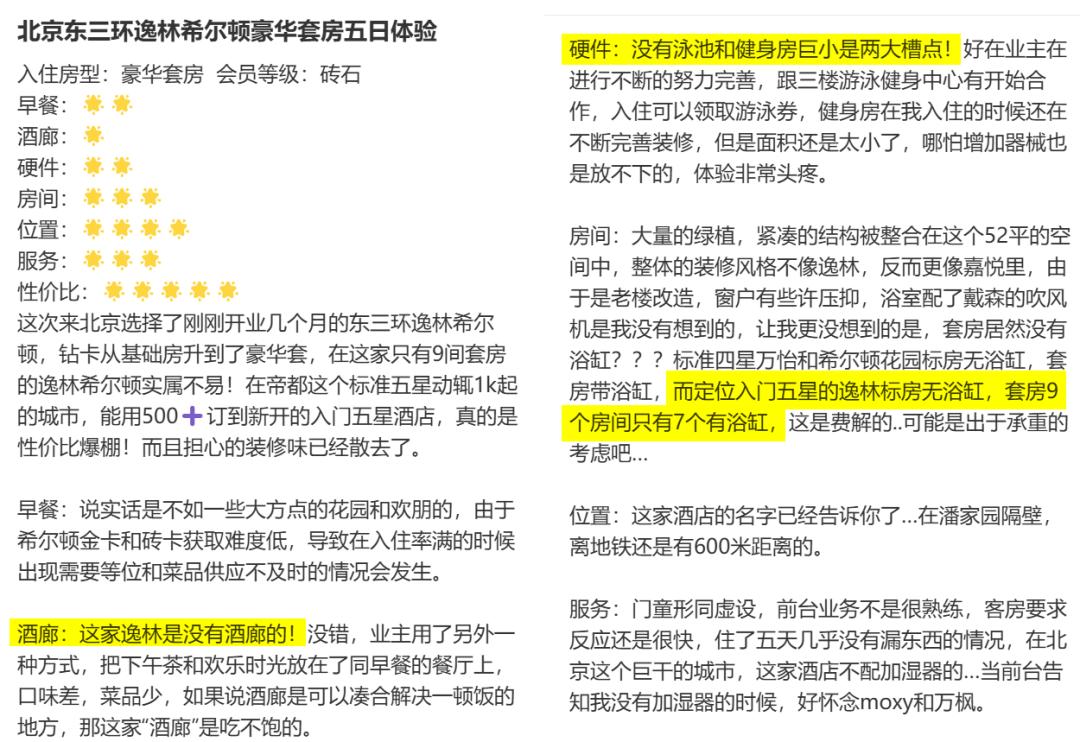
希尔顿、万豪们悄悄清算行政酒廊
虎嗅APP· 2025-08-21 14:11
Core Viewpoint - The article discusses the quiet phase-out of executive lounges in Hilton and Marriott hotels, indicating a shift in the hotel industry's approach to amenities in response to changing market conditions and consumer expectations [4][10][27]. Group 1: Changes in Executive Lounges - Recent reports suggest that Hilton Garden Inn hotels may cancel executive lounges, allowing for alternative service options during operational hours [4][5]. - New Hilton Garden Inn hotels have not included executive lounge services, with some locations offering limited alternatives in public areas instead [5][9]. - Marriott has also closed executive lounges in several locations, indicating a broader trend of reducing such amenities across brands [11][12]. Group 2: Market Dynamics and Brand Positioning - The perception that mid-to-high-end international hotels must include executive lounges has been prevalent, driven by competitive differentiation and customer expectations [13][14]. - As economic conditions decline, the operational costs associated with maintaining executive lounges have led to their removal as a cost-cutting measure [16][17]. - The article highlights that brands like Marriott and Hilton have historically over-delivered on amenities, but this is no longer sustainable in the current market environment [18][19]. Group 3: Strategic Adjustments - The cancellation of executive lounges represents a broader commercial reality check for the hotel industry, aligning offerings with brand positioning and market expectations [27][30]. - Some hotels are opting to upgrade their brand positioning rather than maintain underperforming amenities, as seen with Hilton Garden Inn locations transitioning to the Hilton brand [28][29]. - The article suggests that a more selective approach to lounge access, similar to InterContinental Hotels Group's strategy, could help maintain the value of executive lounges for frequent travelers [29][32]. Group 4: Implications for Hotel Operations - The removal of executive lounges may relieve operational pressures on hotel staff, allowing them to focus on core services rather than maintaining additional amenities [30][31]. - The article concludes that while executive lounges may persist in high-end hotels, they are likely to disappear from mid-range brands, reflecting a shift in consumer expectations and operational realities [32][33].
希尔顿、万豪们悄悄清算行政酒廊
3 6 Ke· 2025-08-19 01:22
Core Insights - The cancellation of executive lounges in foreign hotel brands like Hilton and Marriott reflects a broader trend of cost-cutting in the hospitality industry, particularly in China [2][6][20] - The shift away from executive lounges is not an isolated incident but part of a strategic repositioning of hotel brands in response to changing market conditions [20][24] Group 1: Changes in Hotel Operations - Hilton Garden Inn has been quietly phasing out executive lounges in newly opened hotels, with many locations not offering this service despite initial plans [2][4] - Marriott's Courtyard brand has also permanently closed executive lounges in several locations, indicating a trend of reducing amenities that were once considered standard [4][6] - The experience of executive lounges has diminished, with reports of reduced quality in offerings, leading to a perception that these spaces are no longer exclusive or valuable [4][5] Group 2: Market Dynamics - The perception that mid-to-high-end international hotels must include executive lounges has been shaped by years of competitive differentiation and over-provisioning during economic growth [7][10] - As economic conditions have worsened, the demand for such amenities has decreased, making executive lounges one of the first areas to be cut [9][10] - The shift reflects a broader trend of value return in the hotel industry, where brands are reassessing their offerings based on market realities [10][20] Group 3: Brand Positioning and Strategy - Brands like Hilton and Marriott are reconsidering their market positioning, with some properties upgrading to full Hilton branding to align with consumer expectations [21][23] - The approach of IHG (InterContinental Hotels Group) to limit access to executive lounges based on membership criteria serves as a potential model for maintaining exclusivity and quality [23] - The decision to retain or eliminate executive lounges ultimately hinges on whether they are core to a brand's identity or merely a superficial addition [24]

“三无酒店”时代来临:希尔顿、万豪们取消行政酒廊
Hu Xiu· 2025-08-19 00:28
Core Viewpoint - The recent discussions about the potential cancellation of executive lounges in Hilton Garden Inn hotels reflect a broader trend in the hotel industry, where many mid-range international hotel brands are reevaluating their service offerings in response to changing market conditions and cost pressures [1][10][17]. Group 1: Changes in Executive Lounge Offerings - There are reports that some Hilton Garden Inn hotels have received notifications allowing for the cancellation of executive lounges, with alternative services provided in public areas like the lobby bar [1][2][5]. - New Hilton Garden Inn hotels have been opening without executive lounge services, indicating a shift in operational standards [3][4]. - The trend of removing executive lounges is not unique to Hilton, as Marriott has also permanently closed executive lounges in several of its hotels [11][13][14]. Group 2: Market Dynamics and Brand Positioning - The perception that mid-to-high-end international hotels must include executive lounges has been prevalent, but this is changing as economic conditions shift [18][22]. - The previous strategy of "over-provisioning" amenities to attract customers is becoming unsustainable in a down market, leading to the removal of executive lounges as a cost-saving measure [20][21][23]. - Brands like Hilton Garden Inn and Marriott are reassessing their positioning, with some properties upgrading to full Hilton branding to better align with market expectations [39][40]. Group 3: Customer Experience and Brand Strategy - The experience of executive lounges has diminished, with complaints about the quality of offerings, leading to a perception that they are no longer valuable [15][16][30]. - The shift away from executive lounges may also reflect a broader strategy to streamline operations and reduce costs, particularly as hotel owners face financial pressures [34][36]. - The future of executive lounges in mid-range hotels appears uncertain, with a likelihood of their continued existence in high-end hotels but a decline in mid-range offerings [51].