衣服鞋帽

Search documents
记忆深处的老商店
Xin Lang Cai Jing· 2026-01-17 01:16
Core Viewpoint - The narrative reflects on the evolution of retail experiences from small village shops to larger stores, highlighting the nostalgia and significance of local commerce in community life [2][3][4]. Group 1: Historical Context - In the 1980s, the village had only a small shop selling basic necessities, while a larger store in the town center offered a wide variety of goods, resembling modern supermarkets [2]. - The larger store was seen as a more advanced place compared to the rural setting, and being a "town youth" was viewed positively, as many had formal jobs unlike those working in agriculture [2]. Group 2: Shopping Experience - The shopping experience involved a sense of distance and mystery, with products displayed behind counters, enhancing their perceived value [3]. - Customers were generally satisfied with the quality of goods, often using items for many years, reflecting a culture of valuing possessions [3]. Group 3: Social Dynamics - The store was particularly busy during holidays, with customers maintaining a respectful distance while making their selections, indicating a well-organized shopping environment [4]. - The presence of a skilled and attractive saleswoman created a memorable impression on young customers, showcasing the social interactions that occurred in retail settings [4]. Group 4: Changes Over Time - Over the years, the larger store gradually faded from daily life, with former employees transitioning to different roles, such as selling clothes on their own [4]. - The memories of the old store evoke a sense of nostalgia, likening it to an old film that continues to play in the background of life [5].


农贸大集里升腾乡村全面振兴的“烟火气”
Zhong Guo Jing Ji Wang· 2026-01-10 04:51
Core Insights - The rise of farmers' markets has transformed them into popular destinations for young people and tourists, driven by their accessibility, local culture, and authentic experiences [1] Group 1: Characteristics of Farmers' Markets - Farmers' markets offer essential goods such as fruits, vegetables, and local snacks, with high cost-performance ratios and no complex marketing [1] - The vibrant atmosphere includes freshly made local snacks and the sounds of bargaining, creating a warm and welcoming environment [1] - These markets serve as cultural windows, showcasing local specialties and traditional activities, enhancing their appeal [1] Group 2: Development Strategies for Sustainability - Upgrading the market experience through improved facilities and digital integration can enhance visitor satisfaction [2] - Addressing logistical challenges like parking and public transport can convert visitor traffic into repeat customers [2] - Strengthening regulatory oversight can build consumer trust regarding food safety and product quality [2] - Diversifying market offerings by integrating tourism and cultural experiences can expand the market's value chain [2] Group 3: Broader Implications - The popularity of farmers' markets reflects a shared aspiration for a better quality of life among urban and rural residents [3] - By leveraging this trend, there is potential for creating vibrant, unique markets that support rural development and enhance urban-rural circulation [3]
日本拟修改小包裹关税影响几何?
Xin Lang Cai Jing· 2025-12-24 06:29
Core Viewpoint - The Japanese government plans to adjust tax rules for cross-border e-commerce platforms, imposing consumption tax on imported goods priced below 10,000 yen, which were previously exempt. This change is seen as a response to competitive pressure from e-commerce platforms in countries like China and the U.S. [1] Group 1: Tax Policy Changes - The new tax rules will affect cross-border e-commerce platforms such as China's Temu and Shein, as well as eBay's Qoo10, leading to an estimated 10% increase in product prices for consumers [2][3] - The Japanese government aims to eliminate the consumption tax exemption for goods valued at 10,000 yen or less, with platforms generating over 5 billion yen in sales required to collect taxes on behalf of sellers [3] Group 2: Market Impact - In 2024, approximately 170 million small imported goods priced below 10,000 yen are expected to enter Japan, with 77% of these goods originating from China [2] - The adjustment in tax policy is anticipated to increase prices and may influence consumer choices, although some consumers still value product quality and service over price [3] Group 3: Industry Response - Companies in the cross-border e-commerce sector are expected to face challenges due to the new tax regulations, prompting a shift towards strategies like overseas warehousing and brand premium pricing [5] - The end of the small package tax exemption is viewed as a significant shift in the global cross-border e-commerce landscape, with potential impacts on the competitiveness of Chinese goods [7][8] Group 4: Global Trends - The tightening of small package tax exemptions is not limited to Japan; similar measures are being adopted in the U.S. and Europe, indicating a global trend towards stricter regulations [6][7] - The changes in tax policies across major markets may complicate compliance for Chinese cross-border e-commerce companies and increase operational costs [7]
【财经观察】日本拟修改小包裹关税影响几何?
Huan Qiu Shi Bao· 2025-12-23 22:45
Core Viewpoint - The Japanese government plans to adjust tax rules for cross-border e-commerce platforms, specifically imposing consumption tax on imported goods priced below 10,000 yen, which were previously exempt. This change is seen as a response to competitive pressure from foreign e-commerce platforms, particularly from China and the U.S. [1][4] Group 1: Tax Policy Changes - The new tax rules will affect cross-border e-commerce platforms like Temu and Shein, potentially increasing consumer prices by approximately 10% [2][3]. - The Japanese government aims to eliminate the consumption tax exemption for goods valued at 10,000 yen or less, with platforms generating over 5 billion yen in sales required to collect taxes on behalf of sellers [3][4]. - The reform is expected to be included in the tax reform plan for the fiscal year 2026, indicating a significant shift in Japan's approach to cross-border e-commerce taxation [3][5]. Group 2: Market Impact - In 2024, the number of small imported goods under 10,000 yen is projected to reach about 170 million, with 77% of these goods originating from China [2][4]. - The increase in cross-border e-commerce has put substantial pressure on Japan's domestic retail sector, prompting the government to reconsider tax policies [4][5]. - The shift in tax policy may lead to a loss of price-sensitive customers for platforms relying on the "small package direct mail" model, necessitating a strategic pivot towards overseas warehouse setups and brand premium strategies [5][7]. Group 3: Global Trends - The cancellation of tax exemptions for small packages is not unique to Japan; similar measures are being adopted in the U.S. and Europe, indicating a global trend towards tightening regulations on cross-border e-commerce [6][7]. - The end of the "tax-free era" for small packages signifies a new phase in the development of the cross-border e-commerce industry, where companies must adapt quickly to maintain competitiveness [8].
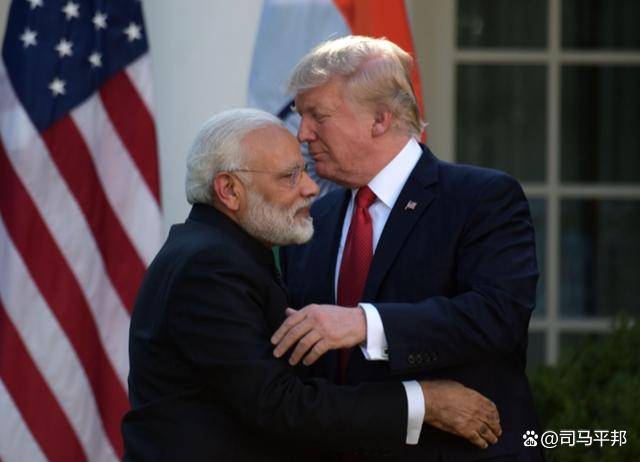
美印谈判开始前,莫迪主动给特朗普递降表?中国的招式印度学不来
Sou Hu Cai Jing· 2025-05-19 15:15
Group 1 - India's dramatic shift from proposing a "zero tariff" trade agreement with the US to planning to raise tariffs on certain American goods highlights the complexities of its trade strategy [1][3] - Modi's government is under pressure domestically to adopt a firmer stance against US tariffs, particularly after witnessing China's successful negotiations with the US [3][5] - The bilateral trade between India and the US reached $129.1 billion in 2024, with India exporting $87.5 billion and importing $41.6 billion, resulting in a trade surplus of $45.9 billion for India [5][6] Group 2 - The potential for a "zero tariff" agreement could benefit India by facilitating smoother trade flows and enhancing its manufacturing sector, particularly in labor-intensive goods [5][6] - India's strategy to focus on mid to low-end manufacturing, such as clothing and household items, aims to replicate China's economic model, leveraging its large population for labor [6][8] - However, India's negotiating position is weaker compared to China, lacking the same level of manufacturing capability and economic scale, which may hinder its ability to secure favorable terms with the US [8][10] Group 3 - The Modi government is expected to adopt a flexible approach in negotiations, balancing between seeking concessions from the US and addressing domestic pressures [10] - The outcome of these negotiations could determine whether India becomes the third country, after the UK and China, to sign a trade agreement with the US [10]