西洋参水晶鸡料

Search documents
主业承压 仲景食品押注西洋参
Bei Jing Shang Bao· 2025-12-24 14:14
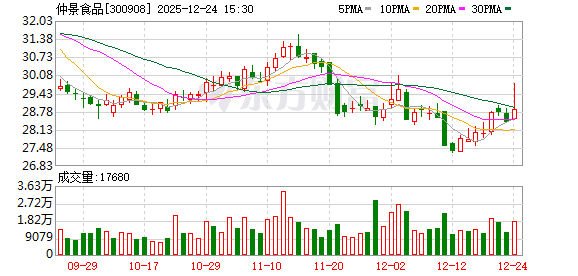
Core Insights - Zhongjing Food has officially launched its new products, concentrated ginseng liquid and ginseng tea, which contain 100mg of ginsenosides per bag, marking the first health drink with clearly defined core nutritional components [2][3] - The company is expanding into the health food sector amid pressure on its main condiment business, leveraging its strong traditional Chinese medicine background [2][3][8] Product Launch - The new ginseng products are designed to provide consumers with a reliable modern dietary solution and are currently available on online platforms, with offline channels still being developed [3] - The introductory price for both products is set at 9.9 yuan, while regular prices range from 79 yuan to 199 yuan [3] - Initial sales data shows low consumer engagement, with multiple product links on Tmall and JD indicating "0 purchases" [3] Market Trends - Over 70% of consumers aged 18-35 are willing to pay a premium for foods with specific health benefits, driving rapid growth in the health food market, which is projected to reach 1.2 trillion yuan by 2025, with a year-on-year growth of 16.8% [4] - Ginseng is a popular ingredient in this sector, and the National Health Commission has included it in the list of food-medicine homologous products [4] Challenges - The market currently offers ginseng primarily in traditional forms such as slices, powders, and capsules, which may lead to consumer skepticism regarding the new concentrated liquid and tea formats [4] - Zhongjing Food's condiment business is facing growth pressures, with sales of its flagship mushroom sauce reaching 324 million yuan in 2022, but new product launches have not replicated this success [5][6] Financial Performance - The company's revenue growth has slowed, with projected revenues of 999.4 million yuan and 1.098 billion yuan for 2023 and 2024, respectively, showing a decline in growth rate from 12.77% to 10.4% [6] - In the first three quarters of 2025, revenue decreased by 1.56% to 826 million yuan, while net profit increased by 3.18% to 154 million yuan [6] Strategic Recommendations - To overcome growth bottlenecks, Zhongjing Food should adopt a "single focus, multiple brands" strategy, maintaining its market position in mushroom sauce while expanding into health sectors with differentiated branding [7] - The company should leverage its "Chinese medicine gene" and technical expertise from its controlling shareholder to create unique products that stand out in the market [8] - Emphasizing the clear nutritional benefits and convenience of the new ginseng products through online marketing and offline experiences can help shift consumer perceptions and expand market reach [9]

估值超万亿,药食同源大戏开场
和讯· 2025-06-11 09:50
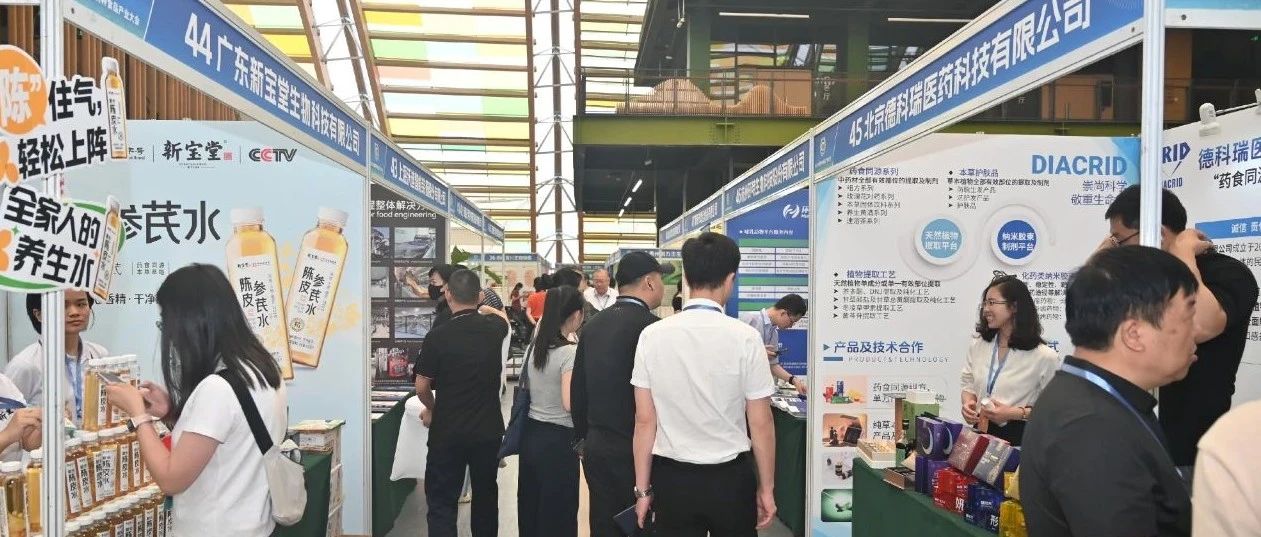
Core Viewpoint - The "medicine-food homology" industry in China is experiencing explosive growth, driven by increasing health awareness and favorable policies, with the market size surpassing 370 billion yuan and expected to exceed 400 billion yuan in 2024 [3][6]. Market Overview - The market for "medicine-food homology" has reached 376.3 billion yuan in 2023, with a growing number of registered enterprises, totaling over 2,900, and 400 new registrations in the first eleven months of the previous year [6][7]. - The industry is viewed as a vast blue ocean with significant development potential, as it combines the properties of food and traditional Chinese medicine, offering convenience in management compared to strictly regulated health products [7]. Consumer Trends - The younger generation, particularly Generation Z, is becoming the main consumer force in health and wellness, driving innovation in "medicine-food homology" products across various sectors such as snacks, dairy, and beverages [4][16]. - The demand for health products is expanding beyond the elderly demographic, with a notable increase in the consumption of health supplements among middle-aged and young consumers [8][10]. Product Innovation - Innovative products are emerging, such as traditional Chinese medicine-infused snacks and beverages, which are transforming the perception of these ingredients from "disease assistance" to "daily consumption" [15][17]. - Major companies are collaborating to develop health-oriented products, such as dairy products and condiments infused with traditional Chinese medicinal ingredients [17]. Regulatory Environment - The Chinese government is actively promoting the "medicine-food homology" sector through policies that simplify recognition processes and expand the list of approved substances, with 106 items currently included [10][11]. - However, the industry faces challenges due to a lack of standardized regulations, leading to market confusion and potential consumer deception regarding product claims [11][12]. Quality Control and Challenges - Quality control remains a significant issue, with concerns about the authenticity and consistency of medicinal ingredients, necessitating advanced technologies for traceability and verification [18]. - The industry is also grappling with homogenization, where many manufacturers replicate successful products, leading to a crowded market where price becomes a primary competitive factor [18]. Future Directions - The industry is moving towards standardization, technological advancement, and innovation, with a focus on research-backed product development to differentiate genuine innovations from mere marketing gimmicks [18].