西瓜霜含片

Search documents
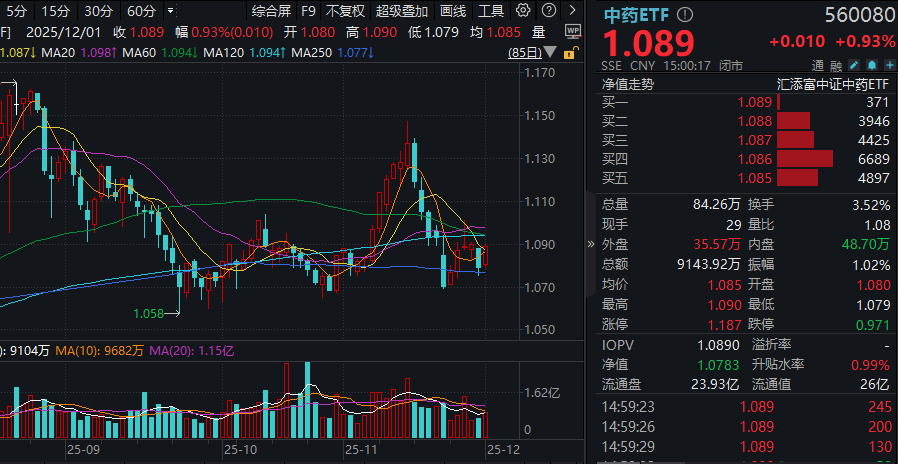
流感进入高峰期,抗流感中药销量大增!以岭药业中药创新药首发!规模领先的中药ETF(560080)放量收涨近1%,最新单日“吸金”超2400万!
Sou Hu Cai Jing· 2025-12-01 09:50
Group 1 - The core viewpoint of the news highlights the active performance of the traditional Chinese medicine (TCM) sector, particularly in the context of the flu season, with the TCM ETF (560080) rising nearly 1% and experiencing a significant increase in trading volume [1][3] - Recent data from the CDC indicates that the positive rate of flu virus tests in emergency departments nationwide has approached 45%, with some regions experiencing high levels of flu activity, leading to a surge in sales of cold-related medications [3][10] - The TCM ETF (560080) has seen a net inflow of over 24 million yuan as of November 28, with its latest scale reaching 2.581 billion yuan, leading its peers in the same category [1][3] Group 2 - The performance of individual stocks within the TCM ETF has been notable, with several flu-related stocks experiencing significant gains, such as Guangdong Wannianqing hitting the daily limit and Tai Long Pharmaceutical rising over 6% [3][4] - The TCM ETF's index has a TTM price-to-earnings ratio of 24.86, indicating it is cheaper than 79% of the time over the past decade, suggesting a favorable valuation for potential investment [5] - The TCM index has shown negative returns year-to-date, with a decline of 2.24% in 2023, and a historical trend of alternating between gains and losses over the past several years [7][8] Group 3 - The TCM industry is expected to see a short-term easing of pressure due to inventory clearance, with a positive outlook for demand recovery towards the end of the year [10] - Recent price governance initiatives across various regions aim to create a more unified and competitive market for TCM products, focusing on high-priced traditional Chinese medicines [10][11] - The ongoing price governance and centralized procurement processes are likely to reshape competition in the industry, favoring companies with strong clinical value, cost control, and market coverage capabilities [11]


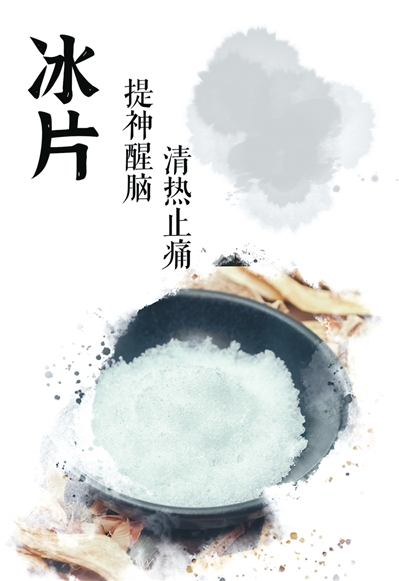
夏日炎炎说冰片
Ren Min Ri Bao Hai Wai Ban· 2025-07-03 04:09
Core Insights - The article discusses the historical significance and modern applications of Borneol, a traditional Chinese medicine ingredient known for its cooling and pain-relieving properties [3][4][5]. Historical Context - Borneol's history dates back to the Southern and Northern Dynasties, originally derived from the resin of the Dragon's Brain tree, and was considered a "divine medicine" [3]. - It gained popularity in the Tang Dynasty, especially among royalty, and became more accessible to the public during the Song Dynasty as alternative sources were discovered [3]. Medicinal Properties - Borneol is characterized as cold in nature and is associated with the heart, spleen, and lung meridians, providing effects such as awakening the mind and alleviating heat-related ailments [4]. - Modern research highlights its main components, Borneol and Isoborneol, which possess antibacterial and anti-inflammatory properties, enhancing the absorption of other medications [5]. Applications in Traditional Medicine - Borneol is a key ingredient in various traditional Chinese medicines, including An Gong Niu Huang Wan for emergency treatment of stroke and other formulations for heart-related issues [6]. - It is commonly found in over-the-counter products for sore throat relief and other ailments, showcasing its widespread use in both internal and external medications [6]. Cautions and Misuse - Historical texts warn against the misuse of Borneol, indicating that it should be used cautiously and not for prolonged periods due to potential adverse effects [7][8]. - There are prevalent misconceptions among patients regarding the use of Borneol-containing medications, leading to inappropriate usage and increased health risks [8]. Recommendations for Safe Use - The article emphasizes the importance of reading medication instructions carefully, especially for vulnerable populations like pregnant women and the elderly [9]. - It advises against self-medication and highlights the need for professional consultation to avoid potential drug interactions and ensure safe usage of Borneol-containing products [9].