
养正消积胶囊

Search documents
超75%中成药打响“保命战”
Guo Ji Jin Rong Bao· 2026-02-09 08:49
Core Viewpoint - A significant number of traditional Chinese medicine (TCM) products are at risk of being eliminated from the market due to new regulatory requirements that will take effect in July 2026, which mandate clearer safety information in product descriptions [3][10]. Industry Overview - The new regulations, effective from July 2023, require that any TCM product with unclear safety information (labeled as "unclear") will not be eligible for re-registration after July 1, 2026 [3][10]. - Approximately 75% of TCM products currently on the market have safety information marked as "unclear," which poses a substantial risk of elimination for these products [5][10]. Market Impact - The impending regulatory changes are expected to lead to a significant reshuffling of market shares within the TCM industry, as many companies may not be able to meet the new requirements [10][11]. - Notable products facing potential withdrawal include those with substantial sales figures, such as Longmu Bone Strengthening Granules, which is projected to exceed 1 billion yuan in retail sales in 2024 but has unclear safety information [7][10]. Regulatory Context - The regulatory changes aim to enhance the quality of TCM products rather than a blanket elimination of all products, allowing companies to submit additional research and safety reports to comply [10][12]. - The policy encourages companies to invest in research and development to clarify the efficacy and safety of their products, thereby improving the overall scientific standards of TCM [12][13]. Future Developments - Many leading TCM companies have already begun to prepare for compliance with the new regulations, with some having successfully updated their product safety information [14]. - The regulatory framework is expected to foster a more competitive environment, potentially benefiting companies that can adapt and innovate while disadvantaging those that cannot meet the new standards [11][12].

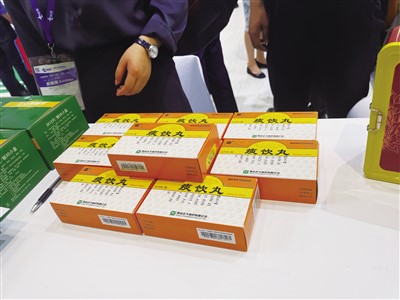
中成药说明书“尚不明确”?那就再见吧
Qi Lu Wan Bao· 2026-02-01 16:27
Policy Regulations - The new regulation, effective from July 1, 2023, mandates that any traditional Chinese medicine (TCM) with "unclear" labels in contraindications, adverse reactions, or precautions will not be re-registered after three years [3][4] - The regulation aims to enhance the management of TCM throughout its lifecycle, requiring holders to monitor and evaluate safety risks and update labels accordingly [3][4] Market Situation - Despite the impending deadline, some commonly used TCMs still carry "unclear" labels, indicating a need for compliance [5][6] - A survey of pharmacies revealed that several TCM products, including those from well-known brands, still have safety information marked as "unclear" [6][7] Industry Response - Pharmaceutical companies are actively working to revise their product labels in compliance with the new regulations, with many already completing updates for core products [9] - Companies like Rongchang Pharmaceutical and Yiling Pharmaceutical have reported that they are updating their product information to eliminate "unclear" labels and enhance consumer understanding [9] Industry Outlook - The new regulation is seen as a necessary shift from quantity expansion to quality prioritization in the TCM industry, promoting safer medication practices [10] - The implementation of this policy is expected to phase out low-quality products lacking safety data, thereby concentrating resources on higher-quality enterprises and products [10]
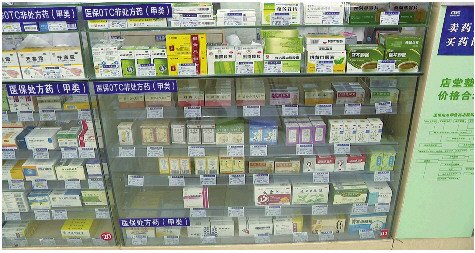
中成药“尚不明确”退场倒计时!记者实探:部分常用药仍有标注
Qi Lu Wan Bao· 2026-01-29 11:59
Core Viewpoint - The implementation of the new regulations on traditional Chinese medicine (TCM) product labeling aims to eliminate the "unclear" status in safety information, enhancing the quality and safety of TCM products in the market [1][2][13]. Regulatory Changes - The new regulations, effective from July 1, 2023, require TCM product holders to manage the entire lifecycle of their products and improve the safety information in their labeling, specifically regarding contraindications, adverse reactions, and precautions [1][2]. - By July 1, 2026, any TCM product with "unclear" safety information will not be eligible for re-registration, emphasizing the urgency for companies to update their product labels [1][2]. Industry Response - Many pharmaceutical companies have begun revising their product labels to comply with the new regulations. For instance, companies like Rongchang Pharmaceutical and Yiling Pharmaceutical have completed revisions for their core products, ensuring clear safety information [11][12]. - The industry is adapting by adjusting procurement strategies to focus on compliant products and gradually reducing the inventory of those with high re-registration risks [14]. Market Observations - Despite the new regulations, some commonly used TCM products still display "unclear" safety information, indicating a gap in compliance that needs to be addressed [7][8]. - Reports indicate that TCM accounts for 12% of adverse drug reaction reports, highlighting the need for clearer safety information to mitigate risks associated with TCM usage [7][13]. Future Outlook - The new regulations are expected to promote a shift in the TCM industry from quantity expansion to quality prioritization, ultimately benefiting public health by providing clearer safety guidelines [13][14]. - The elimination of "unclear" labels is anticipated to enhance consumer confidence in TCM products, reducing the risk of unreasonable medication use [14].
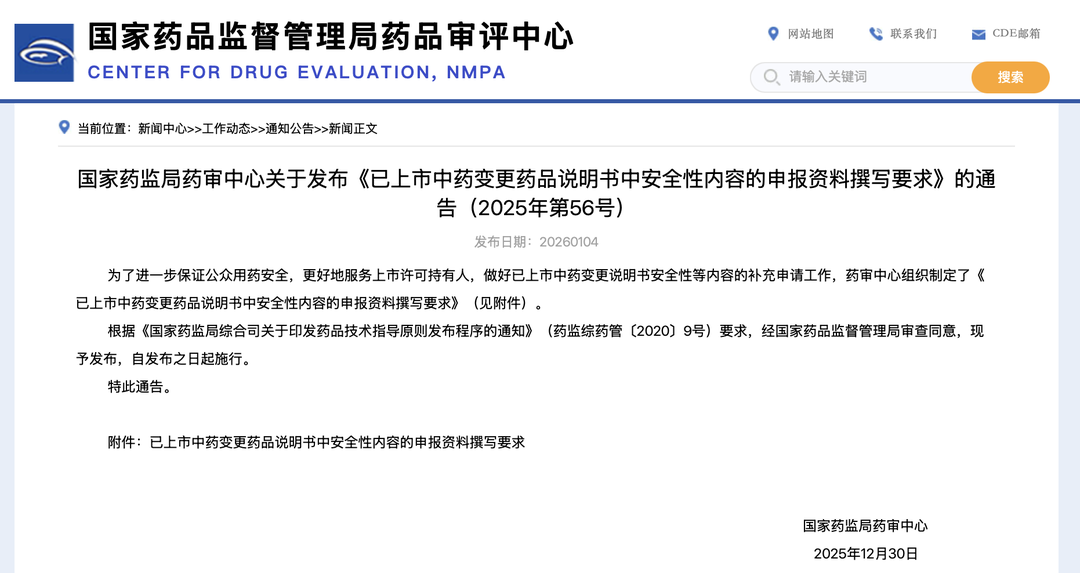
医药周报:基药目录前瞻、JPM大会看点
Guolian Minsheng Securities· 2026-01-22 02:45
Investment Rating - The report maintains a positive investment rating for the pharmaceutical sector [6] Core Insights - The pharmaceutical sector experienced a week-on-week decline of 0.68%, underperforming compared to the ChiNext and CSI 300 indices, ranking 17th among all industries [2][36] - The report emphasizes the importance of innovation, international expansion, and overcoming challenges as key themes for investment in 2026, with a focus on BD 2.0, small nucleic acids, and supply chain opportunities [3][4] - The upcoming adjustment of the National Essential Drug List is seen as critical, aiming to address clinical needs that have evolved since the last update in 2018, particularly in pediatrics, oncology, and rare diseases [5][14] Summary by Sections National Essential Drug List Adjustment Analysis - The current drug list has not been updated since 2018, leading to a disconnect with clinical needs, necessitating a systematic adjustment [14] - The adjustment will focus on filling gaps in disease coverage, particularly in pediatrics, oncology, and rare diseases, while also solidifying the integration of collective procurement and national negotiation outcomes [18][19] - The report identifies potential beneficiaries in traditional Chinese medicine, particularly in areas with previously weak coverage [28] JP Morgan Conference Overview - The 44th JP Morgan Health Conference highlighted strategic developments from major global pharmaceutical companies, showcasing their core pipeline advancements and key clinical milestones for 2026 [33] - Companies like Pfizer, Merck, and Eli Lilly presented their focus on innovative treatments and upcoming clinical trials, indicating a robust pipeline for future growth [34][35] Pharmaceutical Market Review and Hotspot Tracking - The pharmaceutical sector's performance in early 2026 has shown a 7.08% increase, outperforming both the CSI 300 and ChiNext indices [36] - The report notes a shift in market sentiment, with certain innovative sectors like AI healthcare and medical robotics showing strong performance, while traditional sectors faced adjustments [2][3]
以岭药业:子公司药品被纳入新版国家医保目录
Zheng Quan Shi Bao Wang· 2025-12-07 08:38
Core Viewpoint - Yiling Pharmaceutical's subsidiary, Beijing Yiling, has successfully negotiated for its exclusive product, Qifang Nasal Tablets, to be included in the National Medical Insurance Directory (2025 edition) for the first time [1] Group 1: Company Developments - Yiling Pharmaceutical has a total of 12 exclusive products included in the National Medical Insurance Directory (2025 edition), which includes Qifang Nasal Tablets and other products such as Tongxinluo Tablets (Capsules), Ginseng and Pine Nut Heart Nourishing Capsules, and Lianhua Qingwen Tablets (Capsules, Granules) [1] - The inclusion of these products in the medical insurance directory is expected to enhance their market accessibility and potentially increase sales [1] Group 2: Industry Impact - The addition of Yiling Pharmaceutical's products to the National Medical Insurance Directory reflects a broader trend in the industry towards integrating traditional Chinese medicine into the national healthcare system [1] - This move may encourage other companies in the industry to seek similar negotiations for their products, potentially leading to increased competition and innovation within the sector [1]

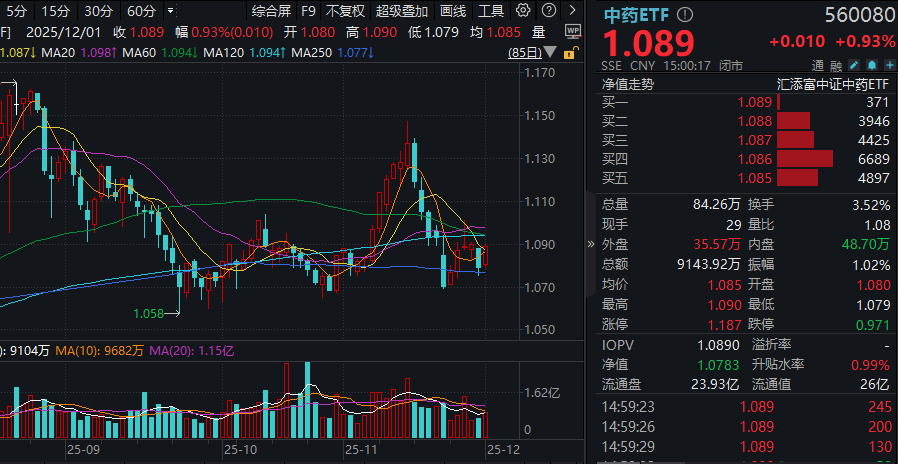
流感进入高峰期,抗流感中药销量大增!以岭药业中药创新药首发!规模领先的中药ETF(560080)放量收涨近1%,最新单日“吸金”超2400万!
Sou Hu Cai Jing· 2025-12-01 09:50
Group 1 - The core viewpoint of the news highlights the active performance of the traditional Chinese medicine (TCM) sector, particularly in the context of the flu season, with the TCM ETF (560080) rising nearly 1% and experiencing a significant increase in trading volume [1][3] - Recent data from the CDC indicates that the positive rate of flu virus tests in emergency departments nationwide has approached 45%, with some regions experiencing high levels of flu activity, leading to a surge in sales of cold-related medications [3][10] - The TCM ETF (560080) has seen a net inflow of over 24 million yuan as of November 28, with its latest scale reaching 2.581 billion yuan, leading its peers in the same category [1][3] Group 2 - The performance of individual stocks within the TCM ETF has been notable, with several flu-related stocks experiencing significant gains, such as Guangdong Wannianqing hitting the daily limit and Tai Long Pharmaceutical rising over 6% [3][4] - The TCM ETF's index has a TTM price-to-earnings ratio of 24.86, indicating it is cheaper than 79% of the time over the past decade, suggesting a favorable valuation for potential investment [5] - The TCM index has shown negative returns year-to-date, with a decline of 2.24% in 2023, and a historical trend of alternating between gains and losses over the past several years [7][8] Group 3 - The TCM industry is expected to see a short-term easing of pressure due to inventory clearance, with a positive outlook for demand recovery towards the end of the year [10] - Recent price governance initiatives across various regions aim to create a more unified and competitive market for TCM products, focusing on high-priced traditional Chinese medicines [10][11] - The ongoing price governance and centralized procurement processes are likely to reshape competition in the industry, favoring companies with strong clinical value, cost control, and market coverage capabilities [11]
以岭药业养正消积胶囊在泰国获批上市
Zhong Guo Jing Ji Wang· 2025-12-01 03:25
Core Viewpoint - Yiling Pharmaceutical's innovative traditional Chinese medicine, Yangzheng Xiaojie Capsule, has been approved for sale in Thailand, marking a significant milestone in the company's internationalization strategy and highlighting the growing global recognition of traditional Chinese medicine in the oncology field [1][3]. Group 1: Product Approval and Significance - Yangzheng Xiaojie Capsule is the latest product from Yiling Pharmaceutical to receive registration in Thailand, following the success of Lianhua Qingwen Capsule, Shensong Yangxin Capsule, and Jinlidag Granules [1]. - The approval signifies the unique value of traditional Chinese medicine in cancer treatment is increasingly acknowledged internationally [1]. Group 2: Research and Efficacy - Joint research by Professor Jiang Wenguo from Cardiff University and Yiling Pharmaceutical found that Yangzheng Xiaojie Capsule significantly interferes with tumor cell invasion and metastasis by inhibiting the overactivation of the PI3K/Akt signaling pathway [2]. - Clinical studies led by Academician Yu Jinming showed that Yangzheng Xiaojie Capsule combined with chemotherapy significantly improved the quality of life for patients with advanced non-small cell lung cancer, with a clinical symptom improvement rate of 83.5% [2]. - Another study indicated that the combination of Yangzheng Xiaojie Capsule with interventional chemotherapy for primary liver cancer resulted in a total effective rate of 65.2%, significantly higher than the control group's 36.1% [2]. Group 3: Safety Profile - A meta-analysis involving 19 studies and 2,125 patients demonstrated that Yangzheng Xiaojie Capsule effectively alleviates gastrointestinal reactions caused by radiotherapy and chemotherapy, mitigates bone marrow suppression, and protects liver function, indicating good safety [3]. Group 4: Market Expansion - The approval of Yangzheng Xiaojie Capsule in Thailand is a vital step in Yiling Pharmaceutical's international strategy and serves as a practical example of traditional Chinese medicine contributing to the "Belt and Road" initiative [3]. - Yiling Pharmaceutical has successfully registered and launched 17 innovative traditional Chinese medicines in over 50 countries and regions worldwide [3].
以岭药业养正消积胶囊在泰国获批上市,中医药抗肿瘤获国际认可
Huan Qiu Lao Hu Cai Jing· 2025-11-27 06:51
Core Insights - Yangzheng Xiaojie Capsule is an innovative traditional Chinese medicine developed under the guidance of traditional Chinese medicine theory, targeting the pathological mechanisms of tumors and has been approved for use in primary liver cancer treatment in China [1][2] Group 1: Product Efficacy - Yangzheng Xiaojie Capsule integrates traditional methods with modern anti-cancer drugs, demonstrating a dual action of supporting the body while eliminating pathogens, which aligns with modern cancer treatment goals [1] - Clinical studies indicate that Yangzheng Xiaojie Capsule significantly improves the quality of life for patients with advanced non-small cell lung cancer, with a clinical symptom improvement rate of 83.5% [2] - In a study on primary liver cancer, the combination of Yangzheng Xiaojie Capsule with interventional chemotherapy resulted in a total effective rate of 65.2%, significantly higher than the control group's 36.1% [2] Group 2: Research and Validation - Research led by Professor Jiang Wenguo from Cardiff University found that Yangzheng Xiaojie Capsule can significantly interfere with tumor cell invasion and metastasis by inhibiting the excessive activation of the PI3K/AKT signaling pathway [1] - The same research also indicated that the capsule inhibits the activity of focal adhesion kinase, thereby suppressing tumor angiogenesis, which contributes to tumor starvation [1] Group 3: Market Expansion - Yangzheng Xiaojie Capsule has recently been approved in Thailand, marking a significant milestone in Yiling Pharmaceutical's internationalization strategy and demonstrating the practical application of traditional Chinese medicine in the "Belt and Road" initiative [4] - Yiling Pharmaceutical has successfully registered 17 innovative traditional Chinese medicines in over 50 countries and regions worldwide, indicating strong international market recognition [4]
