货运无忧大模型

Search documents
2026LOG中国供应链物流创新科技报告
Sou Hu Cai Jing· 2026-03-19 15:36
Core Insights - The report focuses on the transformation of the supply chain logistics industry driven by AI, emphasizing smart, digital, and automated solutions [1][4] - Key global trends include generative AI, supply chain cybersecurity, ESG, and sustainable development, with a focus on eight technological trends for 2024 [1][7] - The report outlines a development framework for China that integrates AI technology, digitalization, and automation, highlighting the deployment of large models and intelligent decision-making products by companies like JD.com and SF Express [1][4] Global Supply Chain Trends - The supply chain logistics industry is undergoing unprecedented changes due to the dual forces of global supply chain restructuring and digital technology revolution [4] - AI is reshaping value creation in supply chains through intelligent decision-making, digital connectivity, and automated execution [4][11] - The 2024 supply chain technology trends emphasize the importance of AI-driven technologies, cybersecurity, and sustainability [7][11] AI Technology Integration - The report aims to provide a comprehensive view of AI technology implementation in the supply chain logistics sector, offering strategic insights for decision-makers and innovators [5] - AI technologies are expected to enhance efficiency and create value through applications in demand forecasting, inventory optimization, and risk management [4][5] - The integration of AI agents and multi-agent collaboration is anticipated to improve task execution and resource allocation in complex environments [31][33] Industry Developments - Major companies are actively exploring AI applications, with significant advancements in autonomous vehicles, drones, and warehouse automation [1][36] - The establishment of industry alliances focused on large model applications indicates a collaborative approach to innovation in logistics [36][38] - The report highlights the emergence of multi-modal large language models (MLLMs) and embodied intelligence as key trends in AI development for logistics [26][33]


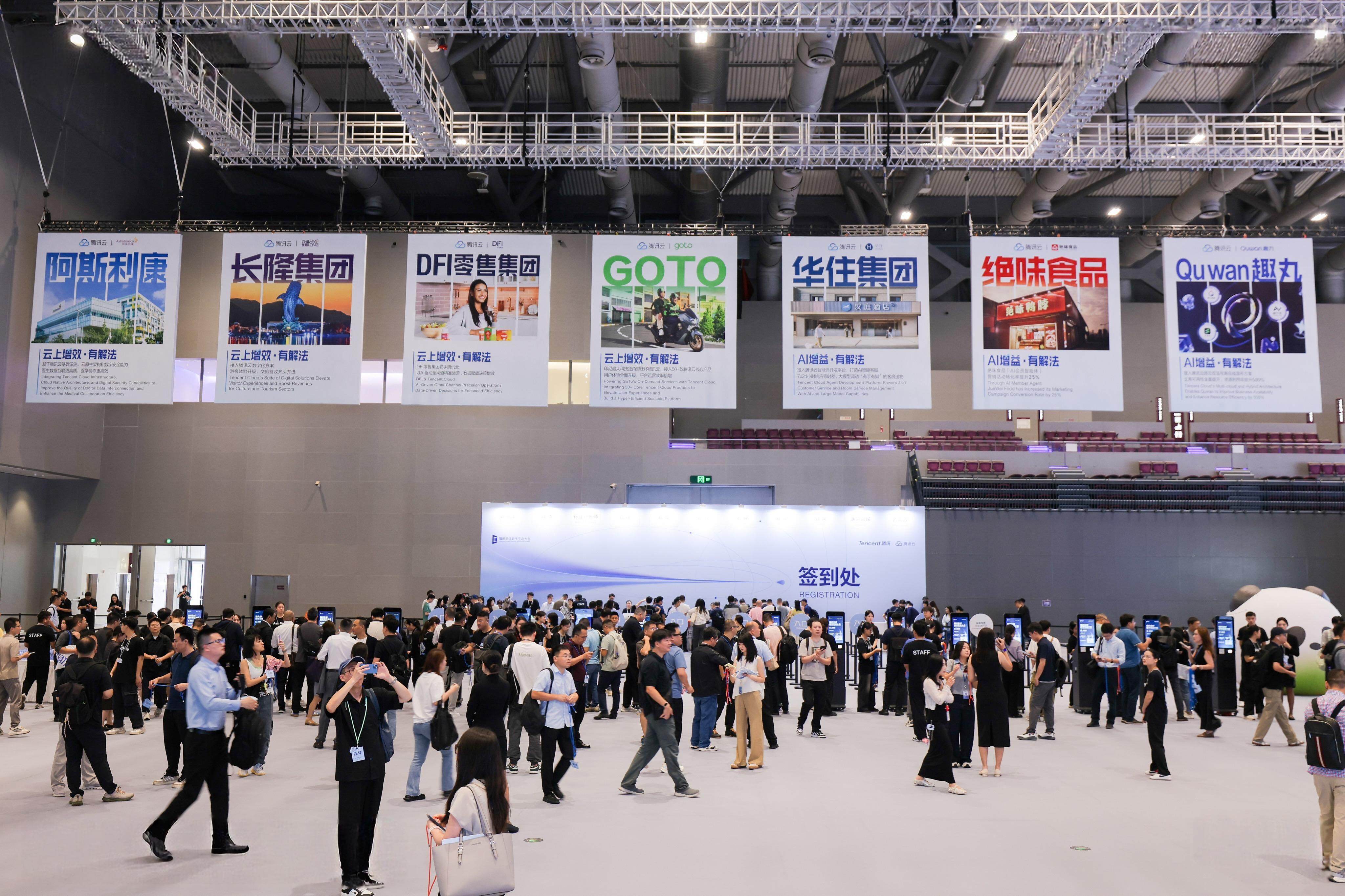
AI护航新春货运路 同城物流跑出“智慧年味”
Zhong Guo Neng Yuan Wang· 2026-02-13 05:51
Core Insights - The integration of AI technology in logistics during the Spring Festival enhances safety and efficiency for drivers, exemplified by the use of AI safety monitoring systems and AR tools for cargo measurement [2][5][10] Group 1: AI Safety Monitoring - The AI safety monitoring system developed by the company has significantly improved safety for drivers by providing real-time alerts for potential hazards, such as identifying dangerous goods, which has led to a 30% reduction in daily risk incidents [5][6] - The system can identify violations in just 100 milliseconds and has automated features that remind drivers to take breaks and alert them to unusual vehicle behavior, thereby enhancing overall safety during the busy Spring Festival period [5][6] Group 2: AR Measurement Technology - The AR identification feature allows for rapid measurement of cargo dimensions, reducing the time taken for manual measurements from over ten minutes to under two seconds, thus increasing efficiency by tenfold [7][9] - This technology addresses the challenges of matching various cargo types with appropriate vehicle sizes, ensuring better logistics management and reducing transportation costs [9][10] Group 3: AI Customer Service - The logistics industry has seen a surge in order volume, but the company’s AI customer service model has improved response times, achieving over 90% accuracy in answering logistics-related inquiries [10] - The AI model is designed to be lightweight and scenario-specific, addressing real-world challenges in the logistics sector, and aims to provide intelligent reminders to drivers about available loads, enhancing operational efficiency [10][11]
财经观察|经济引擎装上AI“新三件”:不是未来已来,而是正在发财
Sou Hu Cai Jing· 2025-09-30 12:58
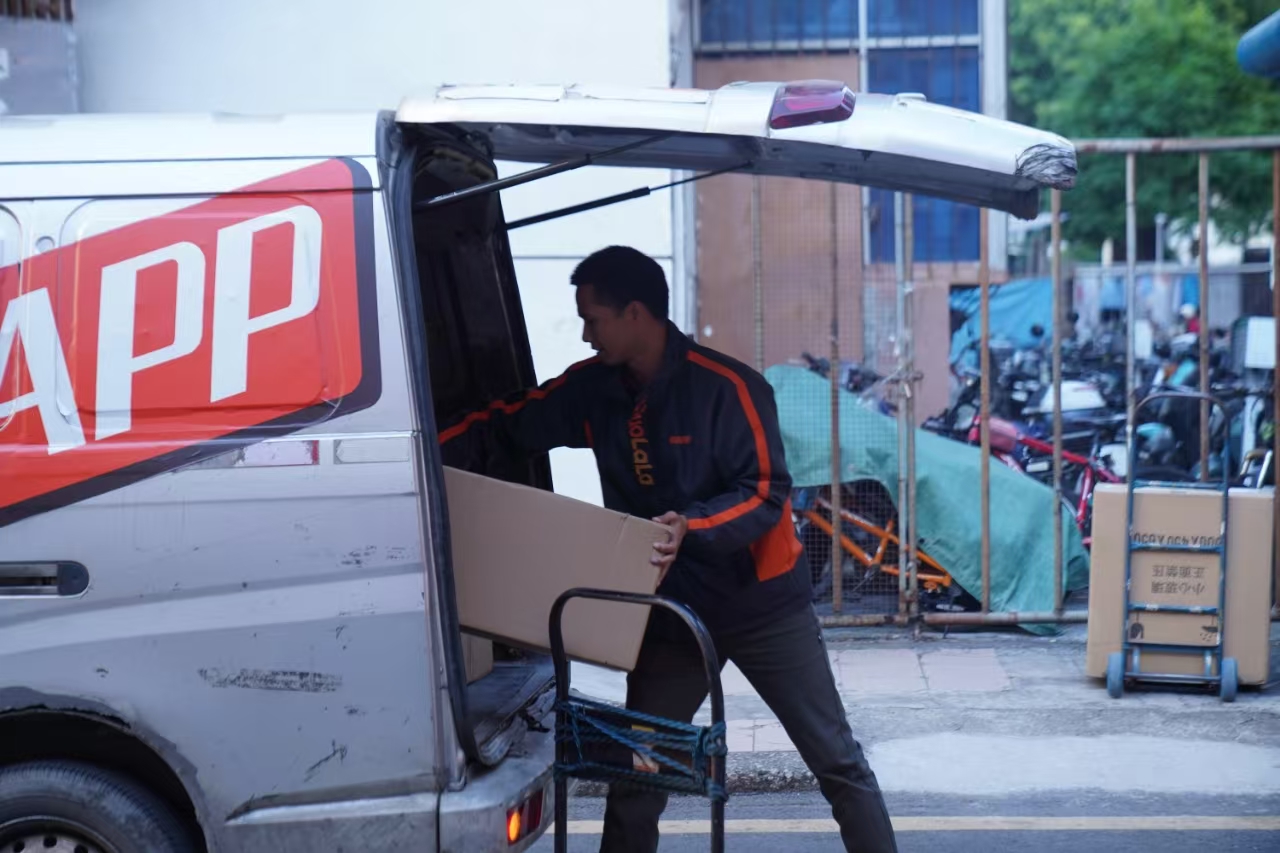
Core Insights - The rapid integration of artificial intelligence (AI) into various industries is transforming China's economic landscape, with AI becoming a key driver of growth and efficiency [4][22] - The core AI industry in China surpassed 700 billion RMB in 2024, maintaining over 20% annual growth, significantly outpacing overall economic growth [4][22] - AI is being recognized as a strategic tool for enhancing productivity and facilitating deep structural transformation across traditional sectors [4][22] Group 1: AI's Impact on Industries - AI has demonstrated its effectiveness in retail, with a sales competition showing AI-driven sales outperforming human efforts by over three times [1] - The AI-driven transformation is evident in various trillion-yuan markets, including retail, finance, and logistics, reshaping efficiency and growth [8] - AI is not merely a replacement for traditional methods but acts as a catalyst for innovation and productivity in established industries [20] Group 2: Infrastructure and Technological Advancements - The foundation of AI's success lies in robust cloud computing and computational power, which are essential for its widespread application [9][10] - Major Chinese tech companies like Tencent, Alibaba, and Huawei are competing to enhance their cloud services to support AI operations [9][10] - The development of domestic large models and stable computational power is crucial for the advancement of AI applications across the country [12][22] Group 3: New Business Models and Opportunities - AI is creating new business models and industries, significantly lowering the barriers to creativity and production, as seen in the 3D printing sector [14][18] - The integration of AI in 3D printing allows users to generate high-quality models easily, marking a shift towards an AI-driven era in consumer-grade 3D printing [18] - AI's capabilities in cross-cultural understanding and content generation are opening new markets for Chinese enterprises, enhancing their global competitiveness [19] Group 4: Traditional Industries and AI Integration - AI is enhancing traditional industries by improving productivity and addressing challenges such as rising labor costs and declining capital returns [20] - Collaborations between tech firms and traditional manufacturers, such as the partnership between GAC Group and Tencent, are leading to advancements in smart manufacturing and global expansion [20][21] - In sectors like healthcare, AI is streamlining processes and improving decision-making, as demonstrated by the applications in hospitals and medical institutions [22]