贷款保证保险

Search documents
每天约1.5家小贷公司“消失”,保险系小贷命运如何?
Xin Lang Cai Jing· 2025-11-19 05:29
Core Viewpoint - The small loan industry in China is undergoing a significant reshuffle due to stricter regulations, higher entry barriers, and accelerated industry changes, leading to a reduction in the number of small loan companies [1][14]. Industry Overview - As of September 2025, there are 4,863 small loan companies in China, down from 5,257 in December 2024, indicating a decrease of nearly 400 companies in the first three quarters of this year, which averages to about 1.5 companies disappearing daily [1]. - Insurance-related small loan companies are also facing similar challenges, with major insurers like China Life, Ping An, and Sunshine Insurance taking steps to withdraw from the small loan business [1]. Company Actions - China Insurance's subsidiary, Chongqing Renbao Small Loan Company, is set to dissolve and apply for cancellation of its registration [2]. - China Insurance has also exited the payment business, with its payment technology subsidiary changing its business type and planning to deregister by July 2025 [3]. - Sunshine Insurance's stake in Guangzhou Huijin Small Loan Company was revoked, preventing it from engaging in small loan activities [3]. Strategic Adjustments - Ping An has made significant adjustments in the small loan sector, including the cancellation of two small loan licenses and the reduction of operational areas for its small loan business [4]. - Ping An has shifted its focus to enhancing the capabilities of its small loan company, Jinlian Yuntong, which has recently increased its registered capital to 10 billion yuan, aiming to provide better financial services to small and micro enterprises [4]. Historical Context - The rise and fall of insurance-related small loan companies can be traced back to the emergence of loan guarantee insurance and credit guarantee insurance, which initially saw significant growth due to government policies aimed at supporting small and micro enterprises [5][6]. - By 2018, credit insurance and loan guarantee insurance had provided substantial financing support to small enterprises, with significant increases in the number of companies benefiting from these services [7][8]. Challenges Faced - The collaboration model between banks and insurance companies has faced criticism for raising financing costs and imposing burdens on borrowers, leading to complaints about forced insurance purchases and high effective interest rates [10][11]. - Regulatory scrutiny has increased, with the government taking steps to curb excessive fees and mandatory insurance purchases in loan agreements [11][12]. Current Industry Dynamics - The small loan sector is experiencing a decline in profitability, with average interest rates around 7% while costs are approximately 8%, leading to high default rates and making small loans a financial burden for insurance companies [15][16]. - The necessity for insurance companies to engage in small loan operations is diminishing, as they face challenges in risk control and operational efficiency compared to banks [16].

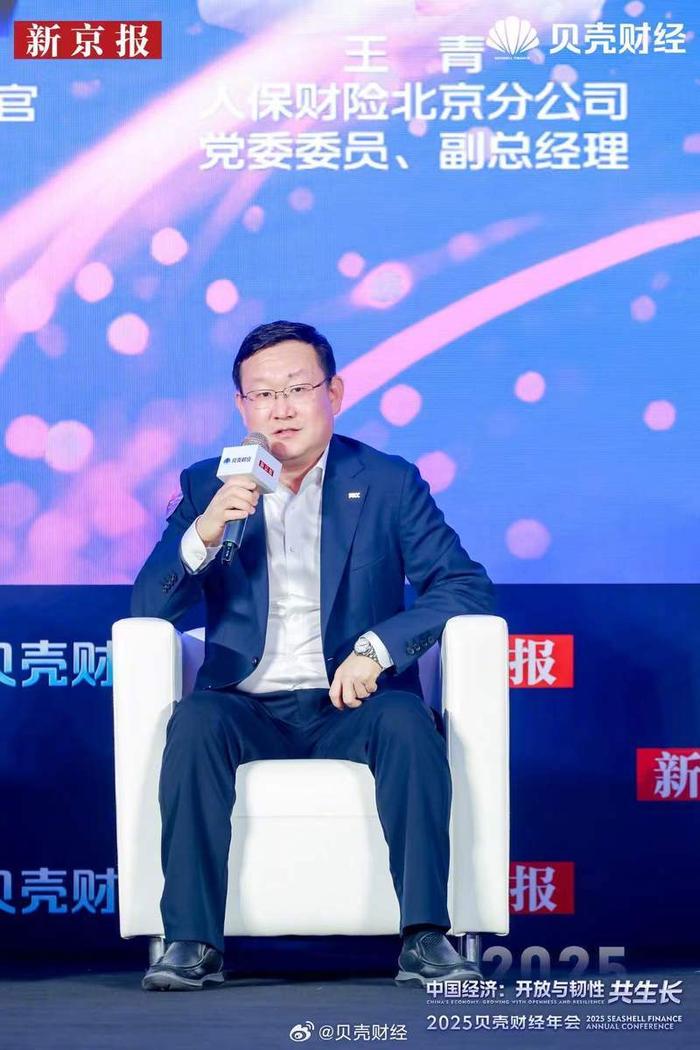
人保财险王青:保险三项功能助力科技创新
Bei Ke Cai Jing· 2025-07-14 07:51
Group 1 - The core viewpoint of the article emphasizes the unique functions of insurance, which include risk protection, risk reduction, and credit enhancement, particularly in supporting technological innovation and financial integration [1][2]. - In 2024, the insurance provided by the company for technological activities reached 31.1 trillion yuan, with a year-on-year growth rate exceeding 20% [1]. - The company has issued the first batch of major technology attack insurance and exclusive insurance for the low-altitude economy, among 11 industry-first policies [1]. Group 2 - The company’s research indicates that a high proportion of technology enterprises are in the startup and growth stages, characterized by "four highs and one light": high technology, high growth, high risk, high return, and light assets [2]. - Insurance can effectively align with the high-risk and light-asset characteristics of technology enterprises, providing necessary risk protection measures through product innovation [2]. - The company also assists technology innovation entities in risk assessment, hazard identification, and monitoring, thereby enhancing their risk resistance capabilities [2].