
赛事IP

Search documents
精雕特色IP为文旅添彩
Xin Lang Cai Jing· 2026-02-09 22:25
Core Insights - The "Cultural Tourism +" trend is thriving, with local cultural IPs becoming key drivers for regional cultural tourism development, highlighted by the launch of the 2026 National Spring Festival Cultural and Tourism Consumption Month in Quanzhou, Fujian, featuring around 30,000 cultural tourism activities and over 360 million yuan in consumption vouchers [1] Group 1: Cultural IP Development - The effectiveness of local cultural IPs is notable, but some projects fall into a "fast-food" aesthetic trap, neglecting the excavation and inheritance of traditional Chinese culture, leading to homogenization issues [1] - Many popular tourist spots risk becoming "one-time attractions" without sustainable development plans, failing to generate substantial benefits and harming the original cultural ecosystem [1] Group 2: Consumer Experience and Emotional Engagement - Cultivating consumer scenarios and activating emotional consumption potential is essential, requiring the integration of local cultural genes into industry development, as seen in the revitalization of Changsha's historical street, Chaozong Street [2] - The creation of distinctive consumer scenarios is crucial for high-quality cultural tourism development, necessitating the systematic organization of regional cultural resources and the transformation of cultural symbols into immersive, interactive experiences [2] Group 3: Product Supply Structure Optimization - Innovating product IP can significantly enhance the conversion efficiency and appeal of local elements, exemplified by Guizhou's "Qianxinan: Seeking the Dragon" route, which establishes a diversified product IP system [3] - The focus should be on accurately excavating local elements and deeply understanding tourist needs, while continuously optimizing the cultural tourism product supply system to integrate dispersed resources and break traditional production models [3] Group 4: Resource Integration and Consumption Enhancement - Event IPs are increasingly becoming key links for integrating diverse resources in culture, tourism, and sports, effectively activating regional economic vitality, as demonstrated by Chongqing's "Yuchao" league [4] - To sustain the empowering effect of event IPs on regional development, it is essential to explore the cultural connotations of events and establish a comprehensive operational mechanism that transforms traffic into consumption and short-term popularity into long-term value [4]
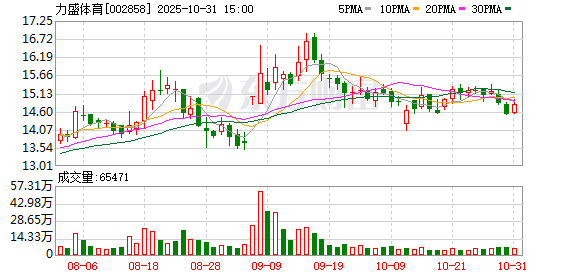
力盛体育:公司赛事业务的增长逻辑是多维度的
Zheng Quan Ri Bao· 2025-10-31 09:09
Core Viewpoint - Lisheng Sports announced on October 31 that its event business growth logic is multidimensional with significant potential for exploration [2] Group 1: Business Growth Strategies - The company aims to enrich the number of event IPs, increase the number of event stops, and expand the number of participating teams [2] - Strengthening event operations and enhancing event influence are key strategies to drive ticket sales and monetize IP cultural products [2] - The addition of advertising sponsorships and realization of media copyright value are also critical components of the growth strategy [2] Group 2: Profitability and Margins - The trend of gross profit margins in event operations is expected to improve as the value of events continues to rise [2] - There is potential for further improvement in the current gross profit margin situation [2]


赛事IP点燃“双节” “票根经济”打造消费新场景
Zheng Quan Ri Bao· 2025-10-08 16:07
Group 1 - The "Double Festival" period has seen a surge in sports events across the country, becoming a significant growth driver in the holiday economy, with over 29,000 cultural and sports tourism integration activities planned, a 12% increase from last year [1] - Major international events such as the 2025 Shanghai Rolex Masters and the World Rowing Championships are taking place, highlighting the importance of localizing event IPs and cultivating proprietary brands within the sports industry [3] - The Shanghai Rolex Masters has seen high consumer engagement, with merchandise sales thriving and significant foot traffic at event-related venues, indicating strong spectator interest and spending [4] Group 2 - The concept of "second venue" consumption is emerging, with significant economic impact observed from event-related activities outside the main event locations, such as increased customer traffic in nearby shops and restaurants during events [4] - The potential value of event tickets is being further explored, with various promotions linked to ticket purchases, enhancing consumer engagement and driving sales in associated businesses [5] - The sports economy is becoming a new consumption engine, with online retail sales of sports goods exceeding 210 billion yuan in the first half of the year, reflecting a nearly 20% year-on-year growth [5][6]
赛事流量如何变成经济增量
Jing Ji Ri Bao· 2025-09-04 22:01
Core Insights - The demand for sports events is driving the professionalization, marketization, and scaling of industries such as competition performance, fitness, leisure, and sports training, leading to an upgrade in industry capabilities and higher requirements in operations, technology, and talent [1][2] - The "ticket economy" is creating a ripple effect, stimulating explosive growth in various consumption sectors, with ticket sales acting as a lever for related consumption, significantly boosting local economies [2] - Despite the rapid growth of the sports event economy, challenges remain, including the inability of some events to maintain lasting impact and the concentration of major events in developed eastern regions, necessitating a focus on sustainable development [3] Industry Development - The value of sports event IP is rapidly increasing, with top events achieving record-high revenues from copyrights and sponsorships, and diversified revenue streams being developed [1] - The influx of external spectators is directly stimulating consumption across the entire chain, including dining, accommodation, tourism, transportation, and shopping, resulting in substantial direct income for local economies [2] - The demand for events is prompting a restructuring and upgrading of the industry chain, with significant growth in orders for construction, security, and equipment related to venue expansion and smart upgrades [2] Cultural and Economic Integration - Emphasizing the importance of cultural roots in enhancing urban attractiveness and competitiveness, local cultural elements are being integrated into sports events to create unique experiences [4] - Cross-industry integration is essential for the prosperity of sports culture and the event economy, with initiatives combining sports with tourism and commerce to create new economic growth points [4] - Coordinated regional development is crucial, requiring innovative mechanisms to bridge gaps between regions and promote differentiated and characteristic event development paths [5]