赛力斯问界系列

Search documents
交银国际:9月新能源车渗透率升至57.8% 看好第四季销量冲刺提振车市表现
智通财经网· 2025-10-14 03:33
Core Viewpoint - The report from CMB International indicates a positive investment rating for the mainland automotive industry, driven by a significant increase in the penetration rate of new energy vehicles, which reached 57.8% in September. The firm anticipates a strong sales performance in the fourth quarter due to various market factors [1] Group 1: Market Performance - In September, the retail sales of passenger vehicles in China reached 2.241 million units, representing a year-on-year increase of 6.3% and a month-on-month increase of 11% [1] - Cumulative retail sales of passenger vehicles from January to September 2025 totaled 17.005 million units, reflecting a year-on-year growth of 9.2% [1] Group 2: Future Outlook - The adjustment of the new energy vehicle purchase tax exemption policy in 2026 is expected to stimulate consumer purchases towards the end of the year, alongside the traditional peak sales seasons of "Golden September and Silver October" [1] - The automotive market is anticipated to enter a consumption lull after the fourth quarter sales surge, necessitating cautious monitoring of stock price fluctuations in the sector [1] Group 3: Company Highlights - Xpeng Motors (09868) is expected to boost sales and gross margins with the launch of its new P7 and extended-range models [1] - Geely Automobile (00175) is focusing on internal resource integration following the privatization of its Zeekr brand [1] - Seres is expanding its high-end market presence and improving profitability with its Aito series [1]
车企让渡 “灵魂”:华为的甜蜜与烦恼
Hu Xiu· 2025-10-11 08:28
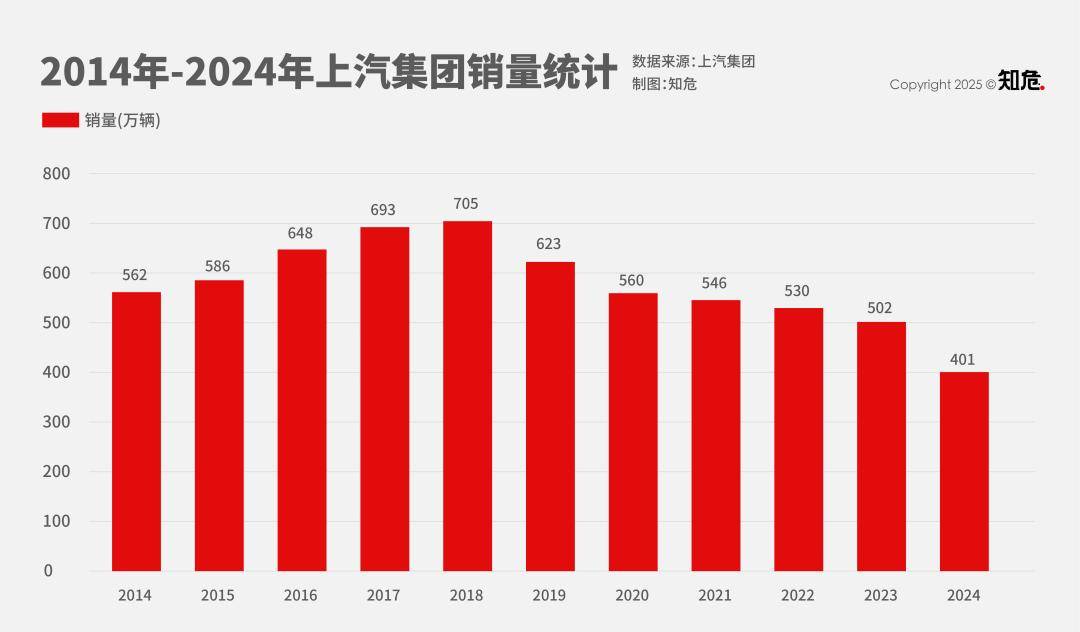
Core Insights - The collaboration between SAIC Motor and Huawei has led to the launch of the new model, Shangjie H5, which initially saw over 80,000 pre-orders but faced disappointing sales after its official launch, with only 10,000 orders in the first hour [2][3]. - The automotive industry is witnessing a trend where multiple car manufacturers are partnering with Huawei, which has established collaborations with over 30 domestic and international car companies [5][6]. - Different levels of collaboration exist between Huawei and car manufacturers, categorized into three models: component supply, HUAWEI INSIDE (HI) model, and HarmonyOS Intelligent Driving model [7][9]. Group 1 - The initial success of Shangjie H5 was short-lived, with lower-than-expected orders raising questions about the effectiveness of Huawei's technology in the automotive sector [3][4]. - Major car manufacturers, including FAW Hongqi and others, are also partnering with Huawei, indicating a broader trend in the industry towards collaboration with tech companies [5][6]. - The varying degrees of collaboration with Huawei reflect the strategic choices of different car manufacturers, with some opting for deeper integration while others maintain more independence [7][12]. Group 2 - The HI model allows car manufacturers to retain control over design and manufacturing while receiving technical support from Huawei, exemplified by the recent partnership between FAW Hongqi and Huawei [9][10]. - The HarmonyOS Intelligent Driving model involves Huawei's deeper participation in product design and quality control, which some manufacturers, like Chery, are adopting to enhance their market competitiveness [10][12]. - The collaboration dynamics vary significantly among manufacturers, with some prioritizing brand independence while others leverage Huawei's technology to enhance their offerings [12][14]. Group 3 - SAIC Motor's CEO emphasized the need for collaboration in a networked automotive ecosystem, highlighting the shift from traditional sales models to an ecosystem-driven approach [29]. - The financial struggles of companies like BAIC and SAIC have prompted them to seek partnerships with Huawei to revitalize their brands and expand their market reach [24][25][28]. - The competitive landscape is intensifying, with companies like BYD and Geely rapidly increasing their market presence, putting pressure on traditional manufacturers to innovate and adapt [20][21]. Group 4 - The HarmonyOS Intelligent Driving model has led to the creation of several new brands, including the "Five Realms," which are positioned to compete in the growing electric vehicle market [11][15]. - The resource allocation among the "Five Realms" is uneven, with some brands, like Seres, receiving more support from Huawei, which affects their market performance [39][41]. - The future success of these collaborations will depend on how well each manufacturer can leverage Huawei's technology while maintaining their brand identity and market position [44][49].