足球装备

Search documents
阿迪达斯拿下苏超
新华网财经· 2026-01-28 08:38
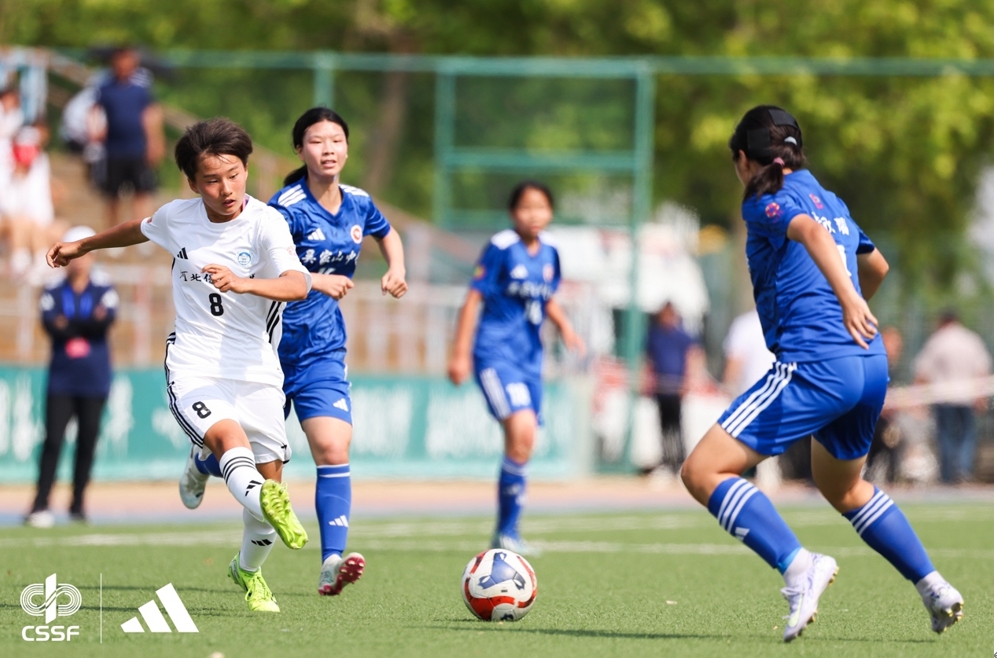
Core Insights - Adidas officially announced its partnership as the official strategic partner for the 2026 Jiangsu Province City Football League, marking a significant investment in regional sports [2] - The league has gained immense popularity, with the 2025 season attracting over 2.43 million attendees and achieving a record average attendance of 28,000 per match [3] - Adidas is investing approximately 21 million yuan (around 3 million USD) for exclusive equipment sponsorship rights, indicating a reassessment of regional sports IP value by global sports brands [3][4] Group 1: Sponsorship and Partnerships - Adidas is collaborating with various sponsors for the league, including Jiangsu Bank and Suhao Holdings, alongside other brands like Heineken and Yili [2] - The league committee is also offering 32 sponsorship slots for small and micro enterprises in Jiangsu, allowing them to gain significant promotional rights for a modest investment [4] - This partnership marks Adidas's return to local amateur football leagues in China after a hiatus since 2014, previously having a long-standing relationship with Chinese football [4] Group 2: Financial Performance - In Q3 2025, Adidas reported global revenues of 6.6 billion euros, achieving double-digit growth across all markets and categories, setting a record for the highest quarterly revenue in the company's history [5] - The Greater China region has shown consistent growth, with Q3 revenues reaching 947 million euros, a 10% increase year-on-year [5] - The company has emphasized local design and manufacturing, with over 60% of products sold in China designed by local teams and 95% manufactured domestically [5]



传闻坐实!阿迪达斯赞助“苏超”
第一财经· 2026-01-28 06:01
Core Viewpoint - The article discusses the competitive landscape of commercial sponsorship in Chinese football, highlighting the rivalry between Nike and Adidas as they vie for sponsorship rights in the market [3][4]. Group 1: Sponsorship Developments - Adidas has secured exclusive equipment sponsorship rights for the Jiangsu Provincial City Football League, reportedly investing 21 million yuan (8 million cash + 13 teams at 1 million each for equipment) [4]. - Nike has a long-standing presence in Chinese football, having been the sponsor of the Chinese Super League since 2005 and extending its contract in 2018 for another 10 years [5]. - Adidas is shifting its strategy in China from a fashion-oriented approach to a focus on sports, particularly in grassroots markets, as it seeks to break into areas dominated by Nike [5][7]. Group 2: Youth Development Initiatives - The "Adidas Support for Chinese Youth Football Development Plan (2026-2029)" aims to enhance the training and competition systems for youth football, with a focus on organizing events and developing elite youth players [7]. - Adidas has partnered with the Shanghai Football Association to localize event equipment design, with 60% of its products designed locally and 95% manufactured in China [7]. - The collaboration with the Scottish Professional Football League (SPFL) is seen as a way for Adidas to deepen its engagement in the Chinese football market and connect with grassroots events [8]. Group 3: Market Potential and Brand Impact - The article emphasizes the growing commercial value of Chinese football, driven by over 200 million football enthusiasts and increasing sports consumption [8]. - Sponsorship in football is shown to significantly enhance brand recognition and consumer favorability, with Nielsen Sports indicating a 30% higher increase in brand favorability compared to traditional advertising [8]. - The ongoing investment from international brands like Adidas and Nike is expected to mature the economic landscape of Chinese football, creating a positive cycle of brand empowerment and event support [8].


「苏超」没有泡沫
3 6 Ke· 2026-01-28 05:22
Core Insights - The article highlights the growing popularity and commercial viability of the Jiangsu Provincial Urban Football League (Su Super League), especially following the U23 national team's success in the Asian Cup [1][3]. Sponsorship and Financial Aspects - The 2026 season of Su Super League will be co-sponsored by "Jiangsu Bank · Suhao Holdings," with 24 sponsors including Adidas, Ant Financial, and Coca-Cola [3][5]. - Adidas will replace Karamay as the official apparel sponsor, providing 8 million yuan in cash support and 1 million yuan worth of apparel for each participating team, indicating a significant increase in sponsorship expectations for a provincial amateur league [3][5]. - The total sponsorship amount from Adidas for the league is reported to be 21 million yuan, which is comparable to the sponsorship amounts in top-tier leagues like the Chinese Super League [5][9]. Market Dynamics and Growth - The Su Super League has become a competitive platform for brands, with 15 new sponsors added, reflecting its attractiveness to advertisers [5][6]. - The league's sponsorship landscape has evolved, with local enterprises and internet platforms actively seeking exposure, leading to a total sponsorship amount of 15.41 million yuan in the Nanjing division alone [5][6]. - The league has driven significant consumer spending, with over 38 billion yuan generated from various consumption scenarios, including a 26.48% year-on-year increase in tourism-related spending [6][13]. Brand Strategy and Engagement - Adidas' involvement in the Su Super League aligns with its strategy to enhance its presence in grassroots football, focusing on youth training and community engagement [10][12]. - The league's structure allows brands to engage with a larger audience, providing a platform for consistent interaction with fans and consumers [15][19]. - The introduction of a sponsorship scheme for small and micro enterprises aims to integrate local businesses into the league's ecosystem, enhancing community involvement [16][19]. Broader Implications for Chinese Football - The Su Super League represents a shift in the relationship between football and urban development, integrating sports into cultural and economic frameworks [13][22]. - The league's success is indicative of a broader trend where local leagues are becoming essential components of China's football landscape, contributing to social and economic growth [19][22]. - The evolving structure of Chinese football now includes a multi-tiered system, with grassroots leagues playing a crucial role in the overall ecosystem [22][23].
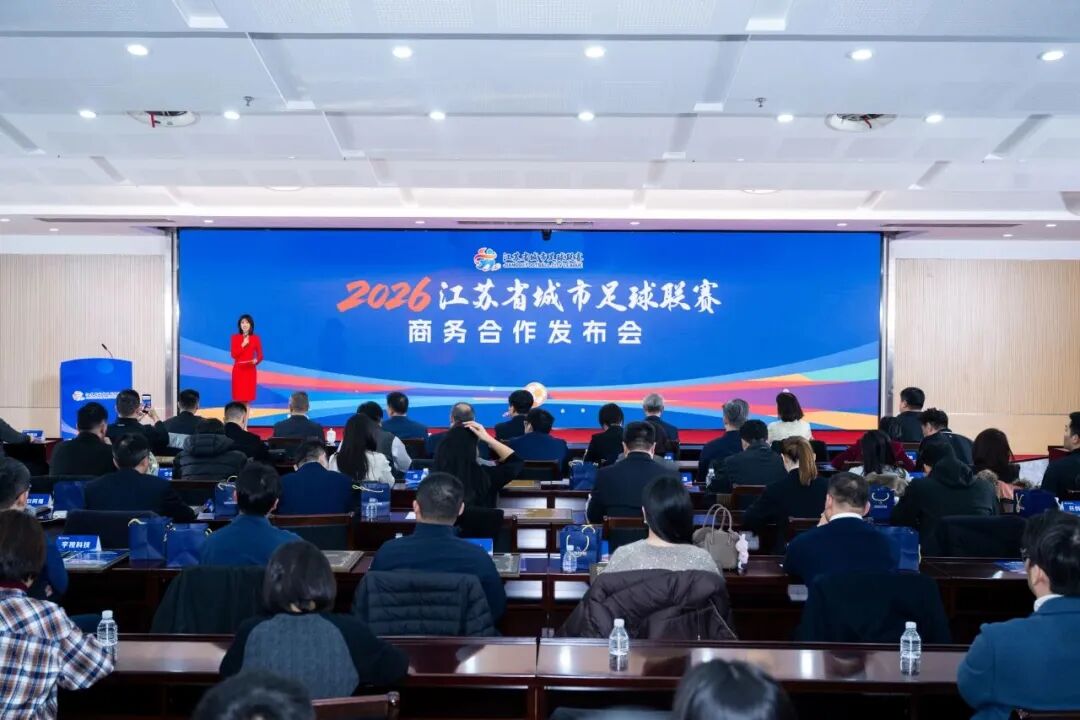
传闻坐实!阿迪达斯赞助“苏超”
Di Yi Cai Jing· 2026-01-28 05:17
Core Insights - The commercial value of Chinese football events is continuously rising, highlighted by the competition among major sports brands for sponsorships [1][7] - Adidas has secured exclusive equipment sponsorship rights for the upcoming season, reportedly investing 21 million yuan (8 million cash + 100 million yuan in equipment for 13 teams) [2] - The partnership between Adidas and the Chinese Football Development Foundation aims to enhance youth football development in China from 2026 to 2029 [5][6] Group 1: Sponsorship Dynamics - Adidas has emerged as a key player in the Chinese football sponsorship landscape, competing against Nike, which has historically dominated the market since 2005 [3] - The shift in Adidas' strategy reflects a renewed focus on professional sports after previously positioning itself in the fashion segment [3] - The sponsorship deal with the "Sichuan Super League" is part of Adidas' broader strategy to connect with grassroots football and enhance brand engagement with local consumers [6] Group 2: Market Potential - The Chinese football market boasts over 200 million football enthusiasts, driving a growing demand for sports consumption [7] - Sponsorship in football significantly boosts brand recognition and consumer favorability, with Nielsen Sports indicating a 30% higher increase in brand favorability compared to traditional advertising [7] - Continuous investment from international brands is expected to mature the economic landscape of Chinese football, creating a positive cycle of brand empowerment and event promotion [7]
“踢”出消费新热潮
Xin Lang Cai Jing· 2026-01-12 23:09
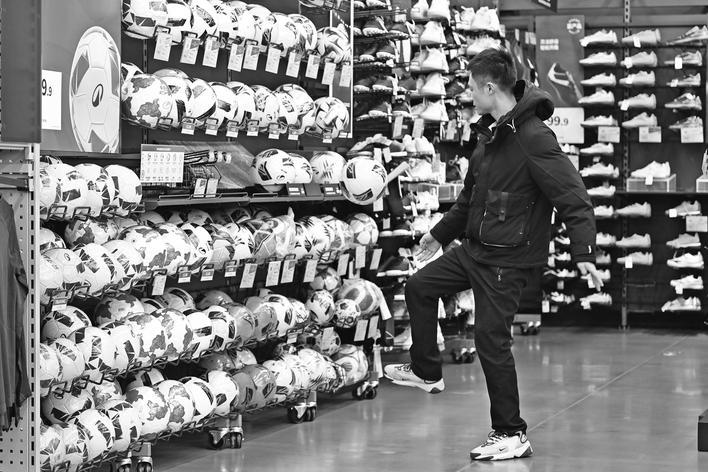
Group 1 - The hosting of mass sports events such as "Zhe BA" and "Jia Guan" since last year has ignited public enthusiasm for watching sports and boosted related sports goods consumption [3] - Many citizens were seen selecting football equipment in a sports goods store in the city [3] - The increase in sports events has positively impacted the local economy by driving sales in the sports retail sector [3]
福田打卡新地标!“乐活·八卦岭”解锁上步绿廊新玩法
Shen Zhen Shang Bao· 2025-12-02 09:15
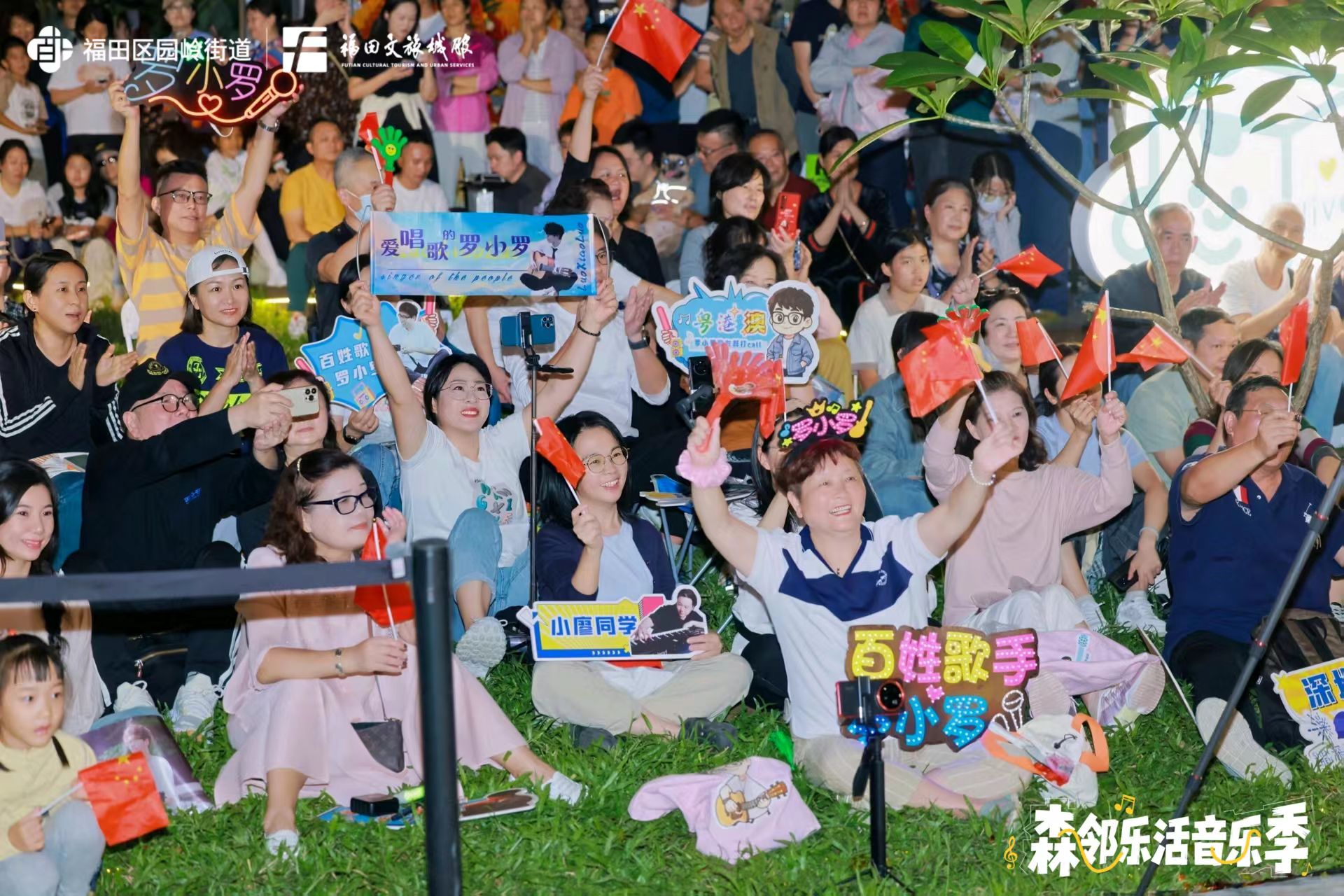
Core Insights - The "Senlin Lehuo Music Season" event successfully transformed the Yulin Street area into a vibrant hub for leisure and entertainment, showcasing innovative public space utilization and community engagement [3][5]. Group 1: Event Overview - The "Senlin Lehuo Music Season" was organized by Yulin Street in collaboration with Shenzhen Futian Cultural Tourism City Service Co., Ltd, featuring interactive technology projects like robot perfume-making and smart burger preparation [3]. - The event included live performances, with a band and popular singer Luo Xiaoluo, creating an immersive experience for attendees [3]. Group 2: Attractions and Activities - The area features a 24-hour self-service smart wooden piano room, which has become a popular photo spot for families [4]. - A variety of shops cater to sports enthusiasts, including a football equipment store and an outdoor charging station for cyclists, promoting a green travel theme [4]. - The park also hosts a convenience store with a wide selection of instant noodles and a café offering various food and beverage options, enhancing the visitor experience [4]. Group 3: Urban Development Strategy - The initiative aims to revitalize public spaces by combining government resources with local enterprises, transforming the area into a "Park+" economic demonstration zone [5]. - The project reflects a shift from traditional industrial zones to a mixed-use area focused on food, fashion, and ecology, contributing to the overall urban renewal strategy in Shenzhen [5].
Nike 投资并购研究:从品牌扩张到技术转型的战略演进
Sou Hu Cai Jing· 2025-11-03 15:37
Core Insights - Nike's acquisition history spans over 30 years, characterized by strategic shifts from brand diversification to digital transformation [3][24] - The company has completed 14 acquisitions, with a clear focus on optimizing assets and strategic alignment [3][10] Group 1: Acquisition Phases - Nike's acquisitions can be categorized into three main phases: brand diversification (1990-2000), technology and digital focus (2000-2010), and deepening digital transformation (2010-present) [3][10] - The company has experienced both successful and unsuccessful acquisitions, with notable successes like Converse and failures like Bauer Hockey and Umbro [5][6][10] Group 2: Successful Acquisitions - The Converse acquisition in 2003 for $305 million is highlighted as a major success, with revenue growth from $205 million in 2002 to $1.9 billion in 2019, representing a nearly 9-fold increase [5][12] - Cole Haan, acquired for $95 million in 1998, was sold for $570 million in 2012, yielding a profit of $475 million [10][12] Group 3: Unsuccessful Acquisitions - Bauer Hockey, acquired for $395 million in 1995, was sold for $200 million in 2008, resulting in a loss of nearly $200 million [5][10] - Umbro, acquired for $582 million in 2007, was sold for $225 million in 2012, leading to a loss exceeding $300 million [6][10] Group 4: Technology Acquisitions - In the 2010s, Nike shifted focus to acquiring technology companies to enhance data analytics, AI, and digital experiences, with notable acquisitions including Celect and RTFKT [7][8][10] - The acquisition of Celect in 2019 aimed to improve demand forecasting and inventory management, supporting Nike's direct-to-consumer strategy [7][10] Group 5: Financial Impact - Nike's average investment return rate is reported at 30%, significantly higher than the industry average of 10% [13] - The company's capital return rate (ROC) stands at 21.59%, indicating strong investment returns relative to capital costs [13] Group 6: Strategic Lessons - The acquisition history emphasizes the importance of strategic alignment and synergy, with a shift towards investments that complement existing business operations [10][24] - The company is increasingly focusing on technology investments that provide tangible business value rather than speculative ventures [23][24]