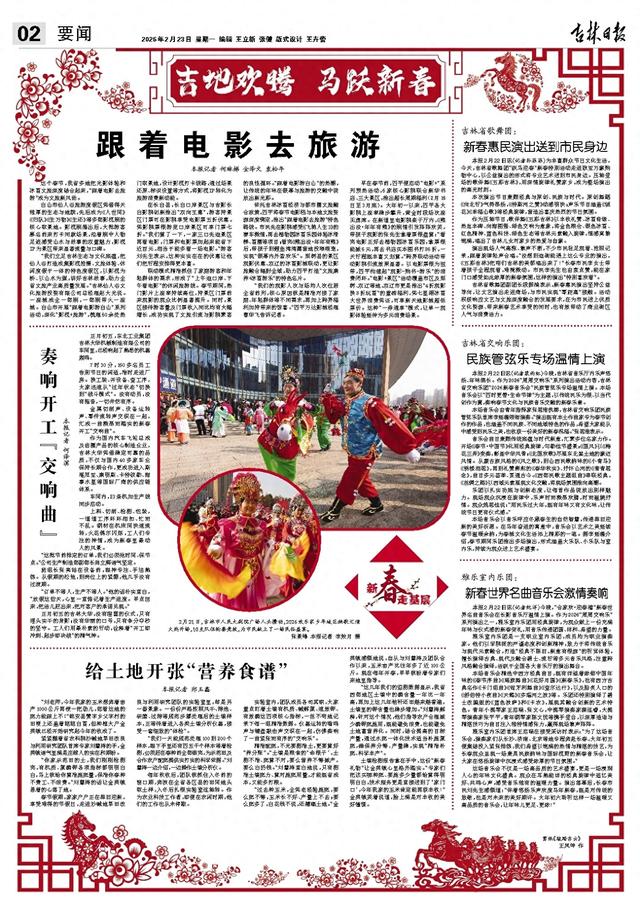
跟着电影去旅游

Search documents
跟着电影去旅游
Xin Lang Cai Jing· 2026-02-23 05:19
Core Viewpoint - The integration of film and tourism in Jilin Province has become a new trend, with initiatives like "Follow the Movie to Travel" significantly boosting visitor numbers and revenue in scenic areas [6][9]. Group 1: Film and Tourism Integration - Jilin Province is leveraging its ecological and cultural resources to develop the Xianren Valley into a unique vacation destination that combines film shooting, cultural tourism, and leisure [8]. - The "Follow the Movie to Travel" campaign has identified over 50 popular filming locations, creating tourism routes that enhance visitor engagement through scene restoration and signage [8][9]. - The collaboration between scenic spots and cinemas, such as the Long White Mountain Scenic Area and Jiying Long White Cinema, offers discounts that encourage visitors to enjoy both experiences, enhancing the overall value of their trip [9][10]. Group 2: Visitor Engagement and Revenue Growth - The integration model effectively captures the needs of family and young tourists, creating a leisure tourism line that combines morning visits to scenic areas with afternoon movie screenings [9]. - During the Spring Festival, both the number of visitors and ticket revenue for scenic areas saw significant year-on-year growth, demonstrating a successful cycle of tourism and cinema collaboration [9]. - The "movie+" series of promotional activities initiated before the Spring Festival has led to increased cinema attendance, with peak showtimes fully booked, indicating strong consumer interest [10].

文旅融合再升级 “十五五”旅游新蓝图来了
Yang Shi Xin Wen Ke Hu Duan· 2025-12-11 13:09
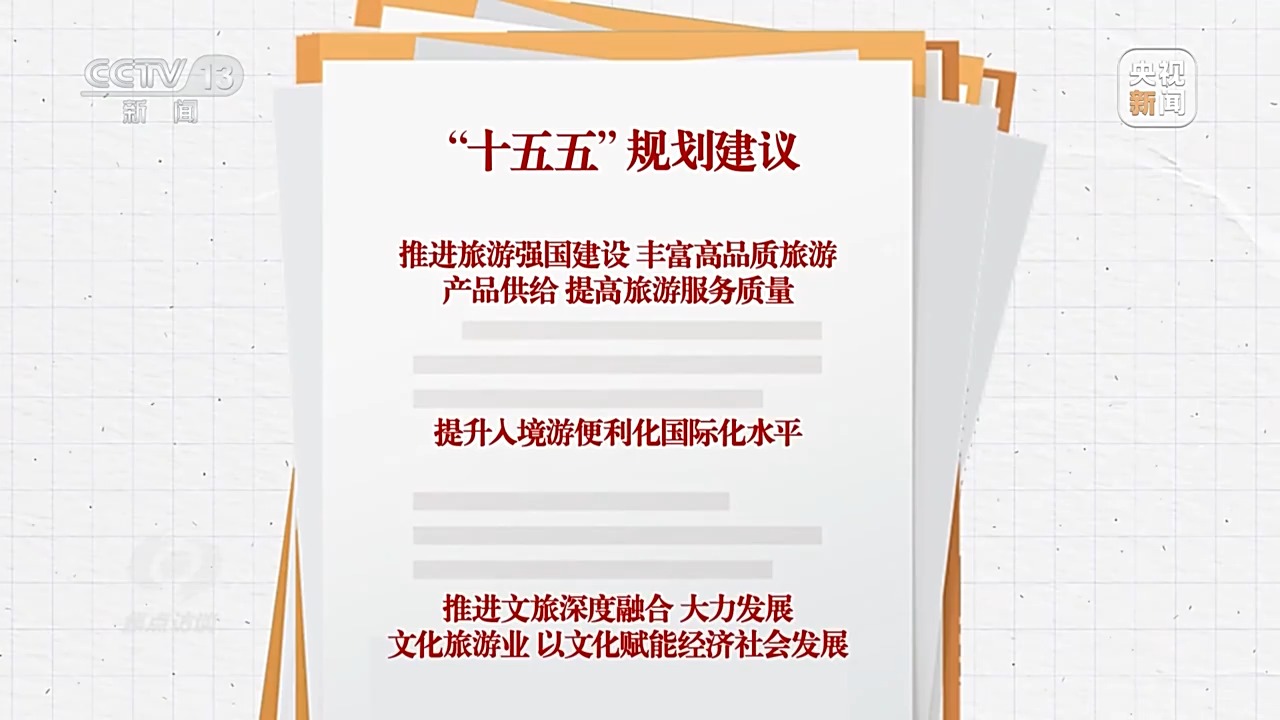
Core Viewpoint - The article discusses the development of China's tourism industry under the "14th Five-Year Plan," emphasizing the goal of building a "tourism powerhouse" to enhance the quality and competitiveness of tourism services and products, while also integrating cultural elements into tourism experiences [3][12][31]. Group 1: Tourism Development Goals - The "14th Five-Year Plan" proposes to advance the construction of a tourism powerhouse, aiming to enrich high-quality tourism product supply and improve service quality [3][9]. - The plan highlights the importance of cultural tourism, aiming to empower economic and social development through deep integration of culture and tourism [31][12]. - The goal is to create a tourism industry that benefits both visitors and local residents, enhancing employment and local economies [11][12]. Group 2: Market Performance and Trends - In the first half of the year, domestic tourist trips reached 3.285 billion, a year-on-year increase of 20.6%, with spending reaching 3.15 trillion yuan, up 15.2% [9]. - China has established itself as the world's largest domestic tourism market, indicating a robust recovery and growth potential in the sector [9]. - The government has implemented various policies to stimulate tourism consumption, including measures to promote service consumption and develop new growth points in cultural tourism [7][26]. Group 3: Quality Improvement Initiatives - The plan emphasizes the need for high-quality tourism products that leverage local strengths, such as unique landscapes and cultural heritage, to create diverse and engaging travel experiences [18][21]. - Improving service quality is crucial, focusing on practical aspects like cleanliness and safety in tourism facilities, which directly impact visitor satisfaction [23][24]. - The government has built over 3,500 tourism service centers and renovated approximately 150,000 public toilets to enhance the tourism infrastructure [24][26]. Group 4: International Tourism and Policy Enhancements - The plan aims to enhance the convenience and internationalization of inbound tourism, with a target of 131.9 million inbound tourists by 2024, reflecting a 60.8% year-on-year increase [26][27]. - Recent policy changes include optimizing duty-free shop regulations and expanding visa-free transit policies to attract more foreign visitors [27][26]. - The government is addressing barriers faced by international tourists, such as payment and accommodation challenges, to improve the overall travel experience [26][27]. Group 5: Cultural Integration in Tourism - The integration of culture and tourism is identified as a key strategy for enhancing the tourism experience, allowing for a richer and more meaningful engagement with local heritage [31][33]. - Successful examples of cultural tourism initiatives include immersive experiences in historical sites and the promotion of local crafts and traditions [33][35]. - The article envisions a future where tourism experiences are deeply connected to cultural narratives, enriching both visitors and local communities [35].
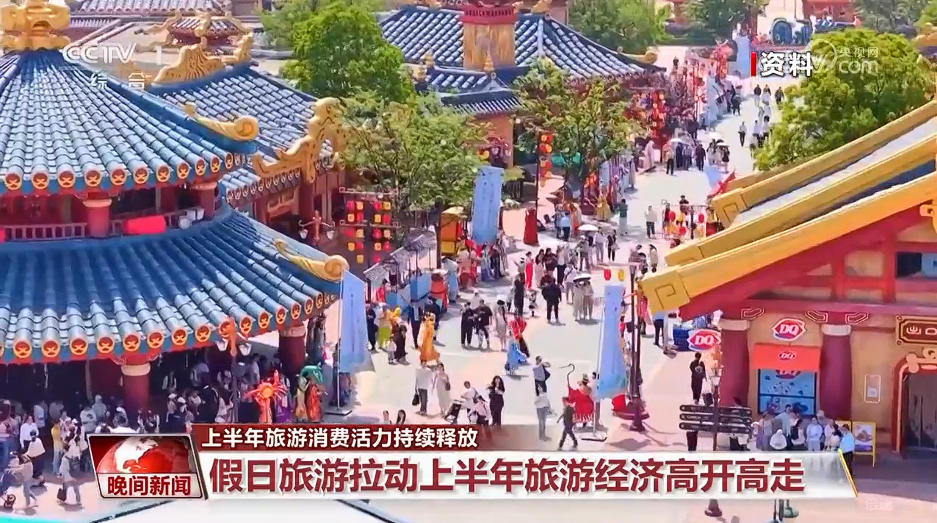
热度、消费双提升!上半年文旅市场多维增长
Yang Shi Wang· 2025-08-02 13:49
Group 1 - The core viewpoint of the articles highlights the significant growth in domestic tourism and spending in China, with a notable increase in travel activities and consumer engagement during the first half of 2025 [1][2] - Domestic residents' travel numbers reached 3.285 billion, marking a year-on-year increase of 20.6%, while spending amounted to 3.15 trillion yuan, up 15.2% [1] - The holiday tourism during major festivals such as New Year, Spring Festival, Qingming Festival, Labor Day, and Dragon Boat Festival has driven the tourism economy to new heights, with record levels of travel participation and satisfaction [2] Group 2 - The inbound tourism sector has experienced unexpected growth, with Shanghai receiving 4.248 million international visitors in the first half of the year, a 38.5% increase, and a significant rise in tax refund sales [3] - The implementation of policies such as visa-free transit for 55 countries and improved tax refund processes has contributed to the surge in inbound tourism [3] - Cultural experiences have enhanced tourism consumption, with film box office revenues reaching 29.231 billion yuan and 641 million admissions, reflecting a trend of "traveling with movies" [4] Group 3 - The summer tourism market is gaining momentum, with various regions actively promoting tourism resources and experiences to attract both domestic and international tourists [5] - Innovative cultural tourism experiences, such as light shows and local food festivals, are drawing visitors to specific locations, enhancing the overall tourism appeal [6][7][8] - The introduction of specialized consumption routes for foreign crew members in Jiangsu has also contributed to the growth of tourism-related spending [9][10]
上半年旅游消费活力持续释放
Yang Shi Wang· 2025-08-01 19:30
Group 1 - The core viewpoint of the article highlights the significant growth in domestic tourism in China, with a projected 3.285 billion trips and a 15.2% increase in spending to 3.15 trillion yuan in the first half of 2025 [1] - The holiday tourism during the first half of the year, including major festivals, has driven a robust tourism economy, with record highs in travel numbers, spending, and visitor satisfaction [4] - The new winter tourism patterns and spring flower viewing have emerged as key highlights in the tourism economy for the first half of the year [4] Group 2 - The inbound tourism sector has experienced unexpected growth, supported by the expansion of visa-free transit policies and improved tax refund policies for departing tourists [5][7] - In the first half of the year, Shanghai welcomed 4.248 million inbound tourists, marking a 38.5% increase, while Hainan saw a 48% rise in foreign visitors, with 89% entering for tourism purposes [8] - Cultural experiences have played a crucial role in upgrading tourism consumption, with local customs and events gaining popularity, and the film industry contributing to tourism trends [9][11]