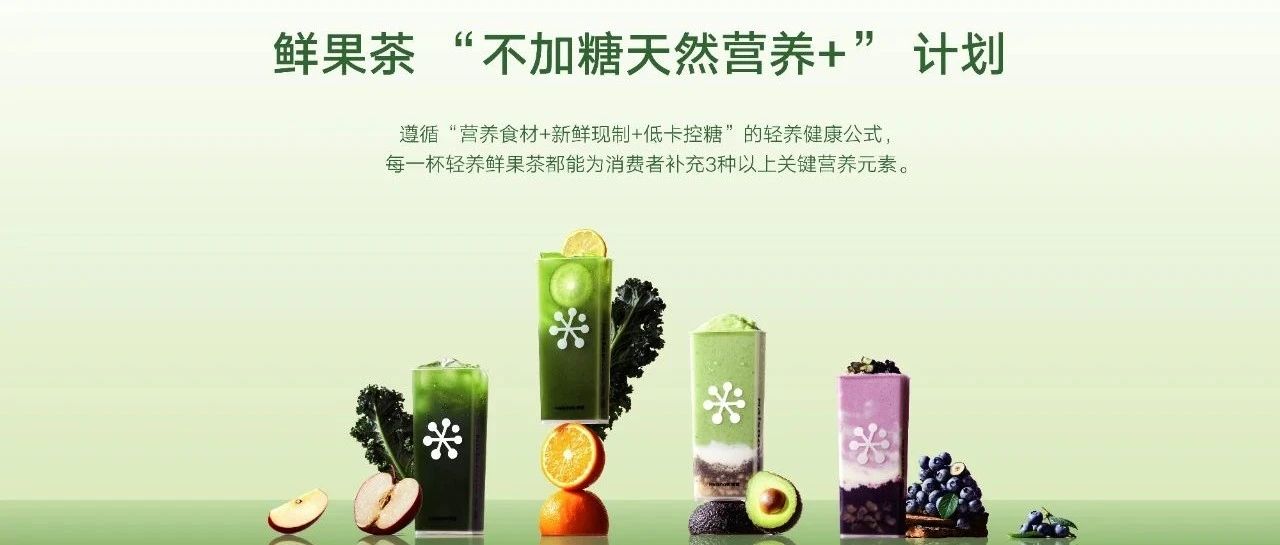
轻养鲜果茶

Search documents
新茶饮2026:一半是深海,一半是远洋
3 6 Ke· 2026-01-05 12:57
Core Insights - The new tea beverage industry is reaching its ceiling, with contrasting signals indicating the end of a chaotic growth phase and a shift towards stability and efficiency [1][2] - The industry growth rate is projected to stabilize between 5%-7% in the first three quarters of 2025, similar to the previous year, leading to a more strategic competition focused on brand loyalty and operational efficiency [2][20] Industry Trends - Product innovation has shifted from a focus on sensory stimulation to becoming a "meaning anchor" for consumers' lifestyle and emotional needs [3] - The controversy surrounding the pricing strategy of brands like Mixue Ice City highlights the risks of straying from established brand perceptions [4][5] Brand Strategies - Successful brands are transitioning towards health-oriented products, emphasizing low-calorie and functional ingredients to align with consumer trends towards healthier lifestyles [6] - The evolution of co-branding strategies reflects a deeper engagement with consumers, moving from simple logo placements to creating shared values and experiences [7] Retail Dynamics - The role of physical stores is evolving from mere distribution points to brand experience centers that collect data and provide localized services [8][9] - The focus is shifting towards optimizing store efficiency and creating unique customer experiences that cannot be replicated online [9][11] Market Expansion - Brands like Mixue Ice City are rapidly expanding internationally, leveraging their successful domestic models in emerging markets, while others like Nayuki and Heytea are focusing on cultural branding in developed markets [17][18] - The competition will increasingly hinge on supply chain efficiency and the ability to adapt to local markets, with successful brands needing to balance cost control with product innovation [14][15][19] Future Outlook - The tea beverage industry is expected to surpass a market size of one trillion yuan by 2026, with growth concentrated among leading brands, making it challenging for smaller players to survive [20][21] - The industry is entering a phase of intense competition and consolidation, where only brands with robust supply chains and operational capabilities will thrive [21]

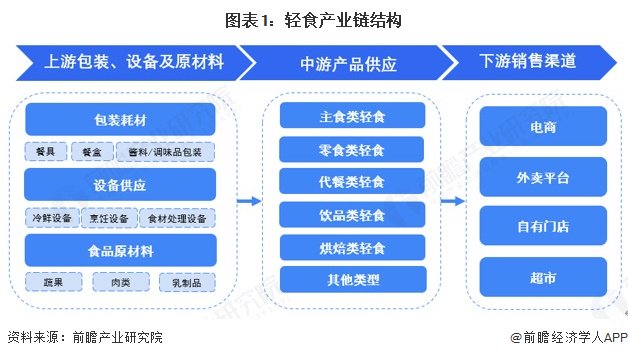
【干货】轻食产业链全景梳理及区域热力地图
Qian Zhan Wang· 2025-10-22 07:38
Core Insights - The light food industry is characterized by a well-defined supply chain, with upstream suppliers focusing on packaging, equipment, and raw materials, while the midstream includes various light food products, and downstream sales channels encompass e-commerce, delivery platforms, and physical stores [1][2]. Industry Overview - The upstream of the light food industry includes suppliers such as 富岭股份, 南王科技, 海容冷链, and others, providing packaging, equipment, and raw materials [2]. - The midstream features key players like 奈雪的茶, 三只松鼠, and 良品铺子, which supply a range of light food products [2]. - The industry is concentrated in economically developed regions of China, where consumer markets are active and the supply chain is well-supported [4]. Company Performance - In 2024, 奈雪的茶 is expected to have significant sales of light food products with a strong cost-performance ratio, while 三只松鼠's sub-brand is seeing impressive single product sales [7]. - 康比特's sports nutrition packages are performing well in terms of sales and repurchase rates, and 西麦食品 leads in market share for instant oatmeal on Douyin [7]. Recent Developments - In 2025, 奈雪的茶 launched the "No Sugar Natural Nutrition+" initiative, introducing new light food products and establishing over 30 "奈雪 Green" light food stores in major cities [9]. - 三只松鼠 introduced a low-fat, high-protein meal replacement snack, while 良品铺子 launched a non-fried, reduced-fat crispy biscuit [9]. - 百合股份 targeted women with new product lines, and KEEP initiated collaborations to promote a "food and exercise" approach [9].



奈雪携手多方发布鲜果茶“不加糖天然营养+”计划,重塑现制茶饮健康新格局
新华网财经· 2025-06-25 11:31
Core Viewpoint - The article highlights the health upgrade initiative in the ready-to-drink tea industry, led by Nayuki, which emphasizes natural nutrition and low sugar content in response to changing consumer demands and government health policies [1][5][6]. Group 1: Health Upgrade Initiative - Nayuki launched the "No Sugar Natural Nutrition+" plan in collaboration with the Ministry of Agriculture and Rural Affairs and nutrition experts, marking a shift from "sugar reduction" to "natural nutrition+" in the tea beverage sector [1][3][8]. - The initiative aims to align with the "Balanced Diet Pyramid" concept from the 2022 Dietary Guidelines for Chinese Residents, promoting products that are both tasty and nutritious [13][19]. Group 2: Consumer Demand and Policy Influence - There is a significant transformation in consumer preferences towards healthier beverage options, with a growing emphasis on nutritional content rather than just taste [5][6]. - The implementation of health policies, such as the "Healthy China Action (2019-2030)," has heightened public awareness of health, influencing the ready-to-drink tea market to prioritize health attributes [5][6]. Group 3: Product Innovation and Market Response - Nayuki introduced several new products under the "No Sugar Natural Nutrition+" plan, including the "Daily Fruit and Vegetable Bottle" and "Fruit and Vegetable Yogurt Smoothie," which have received positive feedback from nutritionists [13][15][17]. - The market response has been favorable, with a 35% year-on-year increase in average store orders in May and a staggering 480% increase in orders during the Dragon Boat Festival [21][22]. Group 4: Brand and Industry Transformation - Nayuki's health upgrade is not just a product refresh but a comprehensive reconfiguration of its brand value system, focusing on health and nutrition as core elements of its identity [21][26]. - The company is transitioning from a single product innovation focus to a holistic approach that encompasses product, brand, store, and service, driving the industry towards a "nutrition+" direction [24][26].