邵永丰麻饼

Search documents
(新春走基层)浙江柯城:统战赋能非遗工坊 解锁共富密码
Xin Lang Cai Jing· 2026-02-14 11:25
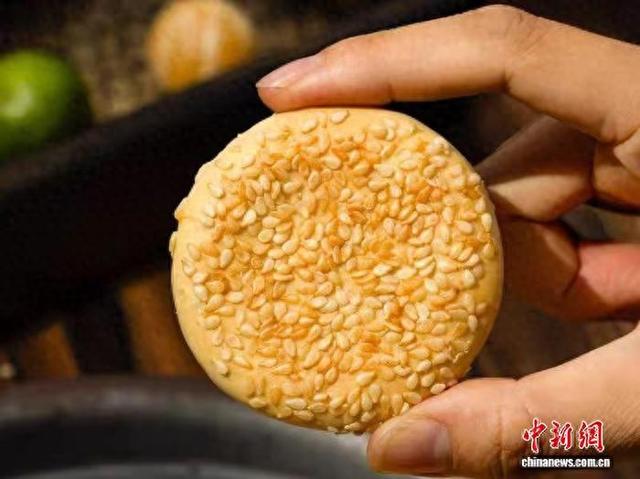
Core Viewpoint - The article highlights the development of the "Lichun Qihang Common Prosperity Workshop" in Miaoyuan Village, Quzhou, Zhejiang, which integrates traditional craftsmanship with modern business practices to promote rural development and common prosperity [1][3]. Group 1: Workshop Development - The workshop focuses on the cultivation and packaging of Shao Yongfeng sesame cakes to meet holiday demand, supported by local government initiatives [1]. - The Quzhou Municipal United Front Work Department has played a crucial role in integrating resources and building platforms to support the workshop's growth [1][3]. Group 2: Cultural Heritage Integration - The workshop combines the traditional food-making skills of Shao Yongfeng sesame cakes with the "Lichun Festival" cultural heritage, recognized by UNESCO as part of China's intangible cultural heritage [3]. - This integration is seen as a "golden key" for rural common prosperity, leveraging local cultural and agricultural strengths [3][4]. Group 3: Collaborative Model - A tripartite collaboration model has been established involving the village collective, local enterprises, and online sales platforms, creating a supply chain that enhances production and sales [4]. - The village collective organizes large-scale cultivation of key raw materials, while local enterprises provide technical support and quality control [4][5]. Group 4: Training and Capacity Building - The workshop has implemented a dual-track training system that combines traditional craftsmanship with modern processing techniques, enhancing local skills [5]. - Over 10 local talent have been trained, contributing to the vitality of intangible cultural heritage and local industry [5]. Group 5: Economic Impact - The workshop has increased its influence in the cultural tourism sector, attracting over 30,000 visitors annually and generating sales of around 1 million yuan in local agricultural products [5].

年轻人在非遗中“寻味中国年”
Xin Lang Cai Jing· 2026-02-07 19:44
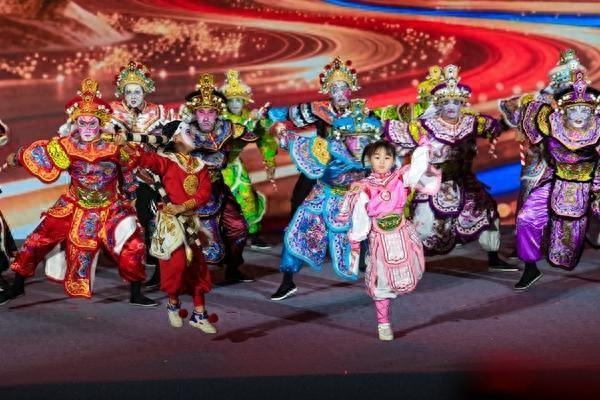
Core Viewpoint - The event "Intangible Cultural Heritage New Year Celebration: Exploring Chinese New Year" showcases over 130 intangible cultural heritage projects and aims to engage younger generations with traditional crafts and foods [2][4][5]. Group 1: Event Overview - The event features participation from 15 provinces and regions, including Hong Kong and Macau, highlighting a variety of intangible cultural heritage projects [2]. - The "Taste of Chinese New Year" exhibition area is particularly vibrant, showcasing local delicacies and traditional snacks, creating a sensory experience of the holiday [2][4]. Group 2: Culinary Highlights - The booth of Guangzhou Gong Yinjiji Beef Offal Pot attracts many visitors, with the representative inheritor, Gong Shihong, emphasizing the importance of traditional recipes while also innovating to meet modern health preferences [2][5]. - The "Hundred-Year Grandma Soup" recipe, passed down through generations, exemplifies the blend of tradition and modern dietary trends [2]. Group 3: Fashion and Crafts - The "Huayi Renewed" exhibition area features traditional crafts like Xiangyun silk dyeing, which has been modernized to appeal to younger consumers through contemporary designs [4][5]. - The integration of traditional craftsmanship with modern aesthetics allows for a revival of interest among young people, making these products suitable for everyday wear [4][5]. Group 4: Cultural Integration and Innovation - The event showcases the fusion of traditional arts with contemporary culture, such as collaborations with popular mobile games to create immersive experiences that resonate with younger audiences [7]. - The concept of "Intangible Cultural Heritage + Cultural and Tourism Integration" is promoted to ensure that traditional crafts remain relevant in daily life [7]. Group 5: Community Engagement - The event encourages participation from all age groups, showcasing the commitment of inheritors from different generations to keep traditional crafts alive and relevant [5][7]. - Various activities, including the "Guangdong New Year Customs Tourism Routes," aim to connect cultural heritage with tourism, inviting both domestic and international visitors to experience the charm of intangible cultural heritage [7].
山海协作架“金桥” “柯城味道”入杭城
Xin Lang Cai Jing· 2026-01-29 17:44
Core Insights - The successful delivery of a special agricultural product package from Kecheng District to multiple supermarkets in Hangzhou represents a significant achievement in the integration of the two regions, facilitated by the mountain-sea cooperation mechanism [1][2]. Group 1: Agricultural Product Development - The special package features Kecheng's black pigs, which have been raised for a year on local corn and vegetables, supplemented with probiotics and fermented feed, ensuring quality and safety for consumers [1]. - The successful delivery was made possible by a digital traceability system that monitors every step from production to delivery, enhancing consumer confidence in the product's freshness and safety [1]. Group 2: Market Integration and Collaboration - A collaboration was established between Kecheng and Hangzhou, with officials from Hangzhou's food distribution industry association conducting on-site investigations to understand the local agricultural products better [2]. - The association, which includes over 130 member units with significant annual transaction volumes, plays a crucial role in connecting Kecheng's agricultural products to the broader Yangtze River Delta consumer market [1][2]. Group 3: Future Prospects and Expansion - The opening of the Hangzhou-Qichun high-speed railway has further reduced travel time and improved logistics efficiency, paving the way for more agricultural products from Kecheng to enter the Hangzhou market [3]. - Plans are underway to expand cooperation beyond single products to the entire agricultural supply chain, including feedback mechanisms from the sales end in Hangzhou to the production end in Kecheng, promoting stable income for local farmers [3].
文化观察:从展柜珍品到日常“潮玩” 非遗如何火出圈?
Zhong Guo Xin Wen Wang· 2025-10-06 10:06
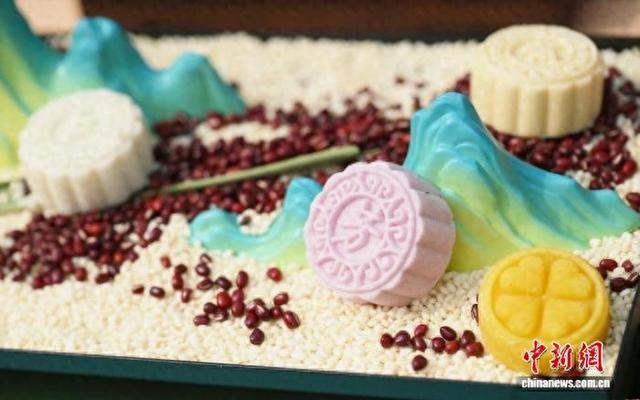
Core Insights - The integration of traditional craftsmanship with modern aesthetics in Zhejiang's intangible cultural heritage (ICH) is becoming a norm, as evidenced by the diverse offerings of mooncakes and pastries at the "Zhejiang Goodies" ICH Innovation Center [1] - The collaboration between Wu Fang Zhai and Jiaxing Traditional Chinese Medicine Hospital to create low-sugar rice cake mooncakes highlights the trend of merging culinary delights with health benefits [3] - The transformation of ICH into daily cultural experiences, such as the fish lanterns in Ningbo, showcases the shift from seasonal to everyday cultural products [3] Industry Trends - The current phase of cultural tourism in China emphasizes cultural essence, experiential engagement, and industrial integration, moving beyond mere economic transactions [5] - The "cultural empowerment" of ICH within the tourism sector creates unique selling points, enhancing the appeal of rural and urban areas in a saturated market [5][6] - The demand for ICH has spurred a new generation to engage in its preservation, with consumer spending providing financial support for innovation and protection of these traditional skills [6] Economic Impact - Successful cultural tourism integration is characterized by leveraging core cultural IPs like ICH to attract visitors, thereby boosting related sectors such as dining, accommodation, and retail [6] - Events like the fish lantern parade in Ningbo have demonstrated the potential for cultural experiences to significantly increase local economic activity, with surrounding businesses seeing income double [6] Future Directions - To ensure the sustainability of "ICH+" tourism projects, it is essential to maintain the integrity of traditional techniques while allowing for creative expressions that respect the core of ICH [7] - There is a need for deeper engagement in tourism experiences, moving beyond passive observation to co-creation, and developing regional cultural IPs that encapsulate broader narratives [7]