醇氢电动重卡

Search documents
万亿赛道加速成型 绿色甲醇重构能源变革新范式
财联社· 2026-01-07 10:19
Core Viewpoint - The green methanol industry is entering a critical phase of large-scale industrialization, driven by its economic and strategic advantages as a new energy carrier, which is essential for China's energy security and achieving carbon neutrality goals [1][2][7]. Policy Support - Over 70 policy documents have been issued by national ministries and local governments to support the promotion of methanol vehicles, creating a comprehensive policy framework from top-level design to local implementation [2]. - The introduction of the "New Energy Law" in 2025 explicitly supports renewable energy development, indicating ongoing policy incentives for the methanol industry [2]. Economic Advantages - Green methanol shows significant economic benefits, with fuel costs for methanol-hydrogen electric heavy trucks reduced by 32%-52% compared to diesel vehicles, and a 30% savings in purchase costs compared to pure electric vehicles [3]. - The cost of retrofitting methanol refueling stations is only 5% of that for traditional gas stations, leveraging existing infrastructure for energy transition [3]. Technological Innovations - Key technological breakthroughs, such as the development of zero-carbon methanol production and methanol engine efficiency reaching 50.3%, are driving the industrialization of methanol [3]. - The "Yuanchun 001" vessel, the world's first methanol-hydrogen electric dual-use ship, demonstrates the potential for green transformation in water transport, achieving a 42% reduction in energy costs compared to diesel ships [3]. Market Potential - The green methanol market in China is projected to exceed 1 trillion yuan by 2030, encompassing production, storage, transportation, and application sectors [5]. - Investment in wind-solar-hydrogen coupling projects for methanol production is becoming a hotspot, with significant market opportunities in storage and transportation networks [5]. Capital Market Interest - The continuous policy support, technological advancements, and ecosystem development are attracting significant attention from the capital market, with substantial funding rounds completed for methanol-related ventures [4].


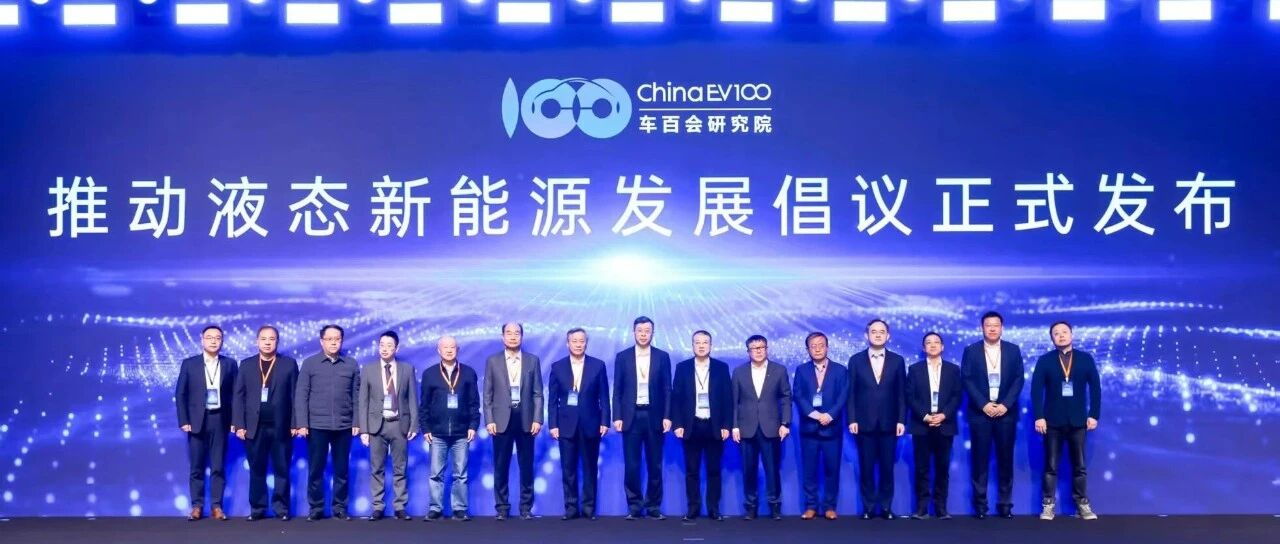
远程当选新能源重卡联盟理事单位,醇氢电动破解行业痛点获认可
Zhong Guo Qi Che Bao Wang· 2025-11-11 09:30
Core Insights - The 2025 China Commercial Vehicle Industry Development and Technology Innovation Conference was held in Wuhan, focusing on strategic paths for the development of the commercial vehicle industry in China [1] - The New Energy Heavy Truck Alliance was established, with nine companies including FAW Jiefang and Dongfeng as council members, aiming to create a collaborative ecosystem for new energy heavy truck manufacturers [1] - The unique "methanol-hydrogen + electric" technology route of Yuan Cheng aims to address the challenges of the heavy truck market's transition to new energy, promoting high-quality industry development [1] Industry Challenges and Opportunities - The heavy truck sector is crucial for logistics and construction, and is undergoing a significant transformation towards electrification and intelligence under China's "dual carbon" strategy [2] - Current challenges include a lack of clear national policy direction on various technology routes, which include pure electric, hydrogen fuel, and plug-in hybrid technologies [2] - The complexity of commercial vehicle applications necessitates a multi-fuel power system, with projections indicating that by 2040, over 65% of new commercial vehicle sales will be hybrid [3] Technological Advancements - Yuan Cheng has developed a "methanol-hydrogen electric" technology that significantly reduces emissions compared to traditional diesel vehicles, achieving a 98% reduction in PM pollutants and a 32%-52% cost reduction compared to diesel [4] - The technology allows for a range of over 1500 kilometers, making it suitable for long-haul logistics, and operates efficiently in cold weather conditions [4] - The company has achieved a market share of 65.9% in the methanol-hydrogen electric heavy truck segment, with a year-on-year growth of 305.9% [6] Strategic Collaborations and Infrastructure Development - Yuan Cheng collaborates with major suppliers like Bosch and ZF to enhance the value of its methanol-hydrogen electric trucks [6] - The company has established over 900 methanol refueling stations across key regions, with plans to expand to 4000 stations by the end of 2027, facilitating easier access to methanol fuel [6] - The focus on research and innovation, along with a commitment to sustainable development, positions Yuan Cheng to lead the transition of the heavy truck industry towards new energy solutions [6]
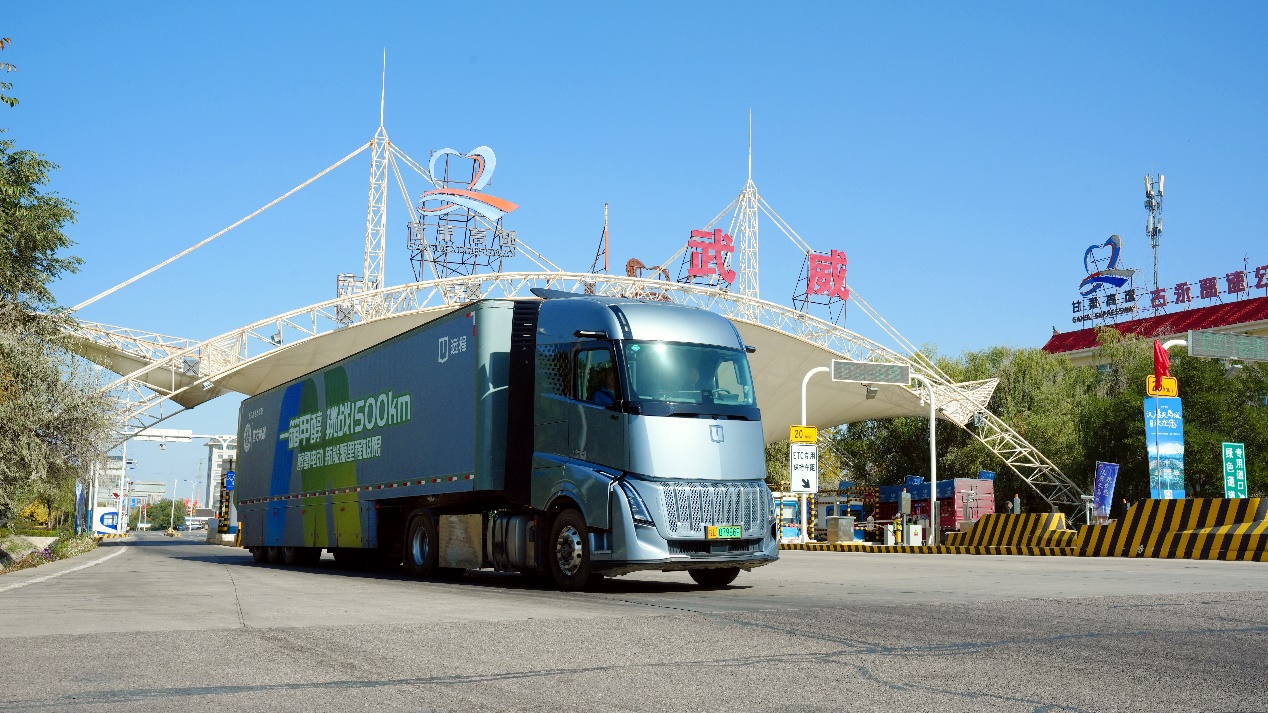
270辆订单!远程醇氢产品内蒙古正式下线
第一商用车网· 2025-08-10 13:28
Core Viewpoint - The launch of methanol-hydrogen electric vehicles in Hohhot marks a significant step in promoting the methanol ecological strategy, addressing the challenges of traditional electric vehicles in cold climates and leveraging local resource advantages [1][4][5]. Group 1: Industry Context - Inner Mongolia, known as the "Coal Sea of the North," has a high potential for methanol production, which can effectively address the challenges of new energy vehicle adoption in cold regions [4][10]. - In the first half of the year, China's new energy commercial vehicle sales reached 378,000 units, a year-on-year increase of 55%, with a penetration rate rising from 15.7% to 22.8%, while Inner Mongolia's penetration rate was only 9.8% [4]. Group 2: Company Initiatives - In 2024, a cooperation agreement was signed between the company and the Hohhot government to promote methanol electric commercial vehicles, aiming for a green and low-carbon transformation in transportation [5][14]. - The plan includes promoting 4,000 methanol vehicles and establishing over 50 refueling stations by the end of 2026, with the cost of converting existing gas stations to methanol refueling stations being significantly lower than building hydrogen or fast-charging stations [5][10]. Group 3: Product Advantages - Methanol-hydrogen electric vehicles combine liquid methanol with efficient range extenders, overcoming the limitations of pure electric vehicles in terms of range and performance in low temperatures [8][10]. - Compared to Euro VI diesel vehicles, methanol-hydrogen electric vehicles reduce PM emissions by 98%, carbon monoxide by 88%, and nitrogen oxides by 82%, while fuel costs decrease by 32%-45% [10][12]. - The vehicles can operate efficiently in extreme cold, maintaining stability at temperatures as low as -25°C, and have been validated for reliability in high-frequency operations during winter [10][12]. Group 4: Future Outlook - The company plans to leverage its technological and industrial advantages to accelerate the development of the methanol-hydrogen electric liquid energy industry in Inner Mongolia, contributing to high-quality development in the new energy sector [14].