
野菜

Search documents
野菜排毒 浓茶祛湿?立春养生快“避雷”
Xin Lang Cai Jing· 2026-02-23 17:36
Group 1 - The article discusses common spring health practices, such as consuming wild vegetables and drinking strong tea, which may pose safety risks and could be harmful to health [1] - Wild vegetables, while believed to have some health benefits, do not effectively detoxify blood vessels and can cause discomfort if consumed in excess [2] - It is important to ensure the safety and source of wild vegetables, as they can be confused with toxic plants and may carry safety risks if foraged from uncontrolled environments [2] Group 2 - Drinking strong tea is discouraged due to high levels of tannins and caffeine, which can lead to health issues like stomach pain and osteoporosis [3] - The recommended approach to tea consumption is "light tea at a warm temperature," with choices based on individual constitution [3] - After the Rain Water solar term, dietary recommendations include consuming foods that are sweet and warm to strengthen the spleen, such as yam and millet [4] - It is advised to avoid cold, greasy, and spicy foods to prevent depleting vital energy and fluids [4]
新华视点丨文旅新体验点亮消费新图景
Xin Hua Wang· 2026-02-03 06:46
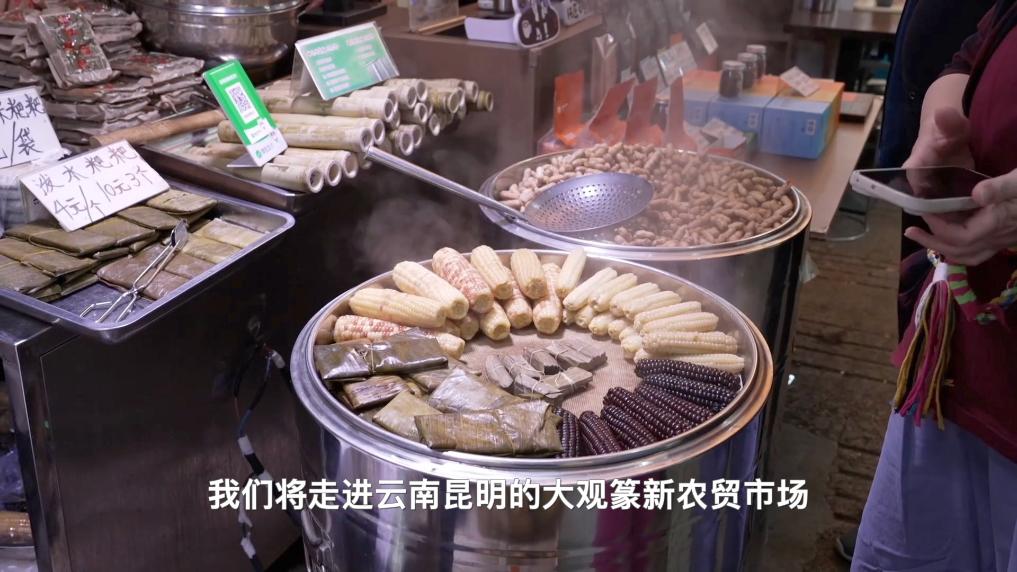
Group 1: Transformation of Local Consumption - The local consumption scene is evolving, transforming from a simple grocery shopping area to a vibrant space filled with diverse flavors and activities, exemplified by the Daguanzhuan New Agricultural Market in Kunming, which attracts 50,000 visitors daily and is referred to as a "local cultural museum" [1][8] - The market has undergone multiple upgrades to balance the needs of livelihood security and consumption enhancement, with the second phase of the project set to be completed by August 2025, featuring improved infrastructure and optimized spatial layout based on "category zoning + scene interaction" principles [5][6] - The transformation of the market reflects clear policy directions aimed at promoting service consumption and enhancing service supply capabilities, as outlined in the "Special Action Plan to Boost Consumption" issued by the Central Committee of the Communist Party of China and the State Council [6][8] Group 2: Rise of Experience-Based Consumption - Knowledge-based experiential consumption is gaining popularity in the tourism market, shifting from traditional sightseeing and shopping to experiences centered around personal interests, driven by policies aimed at expanding domestic demand and fostering new growth points in service consumption [10][15] - Cultural and heritage spaces are evolving from mere exhibition functions to complex experiential scenarios, allowing visitors to engage interactively with cultural artifacts, as seen in the archaeological research institute in Chongqing [12][15] - The shift in consumer preferences from material consumption to service-oriented consumption is evident, with traditional tourism focusing on standardized products, while experiential consumption emphasizes user participation in content design, making it more appealing to consumers [16]

一台“村晚” 装的是全村人的日子
Xin Lang Cai Jing· 2026-01-22 22:14
Core Viewpoint - The "Village Evening" events in rural areas of Liaoning Province have become a vibrant cultural phenomenon, enriching the spiritual lives of local communities and contributing to the development of local tourism and culture [3][4][5]. Group 1: Cultural Significance - The "Village Evening" showcases local talents through performances of traditional arts such as song, dance, and drama, primarily featuring ordinary villagers as performers [4][5]. - These events serve as a platform for community engagement, allowing villagers to participate in the creation and presentation of cultural content, thus fostering a sense of ownership and pride in local traditions [4][6]. Group 2: Economic Impact - The "Village Evening" has been linked to increased sales of local products, as seen during events where visitors purchase local specialties like hazelnuts and wild vegetables [7]. - The long-standing tradition of "Village Evening" has helped transform villages into tourist destinations, enhancing local economies and improving the livelihoods of residents [7][8]. Group 3: Community Development - The events have played a crucial role in promoting local culture and intangible heritage, revitalizing traditional arts that might otherwise fade away [6][7]. - Villagers have reported increased confidence and community cohesion as a result of participating in these performances, contributing to a broader narrative of rural revitalization [7][8].

沪上年轻人:流行挖野菜
投中网· 2025-03-22 06:07
以下文章来源于表外表里 ,作者洞见数据研究院 表外表里 . 洞见数据研究院 将投中网设为"星标⭐",第一时间收获最新推送 年轻人又找到了新的"灵魂保养方式"。 作者丨陈梓洁 编辑丨 付晓玲 曹宾玲 来源丨表外表里 保时捷、路虎......目之所及的豪车含量,让阿乐恍惚自己不是被堵在佘山公园的门口,而是置身在某 个车展。 他知道,这里面有不少人跟自己一样,是来"打野"的——作为网上公认的上海挖野菜圣地,最近每到 周末,佘山公园都被驱车来寻找野趣的摩登青年包围。 甚至以精致、时髦闻名的沪上年轻人,还是最早发起、最全情投入的那一波——武康路Citywalk不香 了,外滩bistro、淮海中路咖啡厅也不再是Date首选,魔都年轻一代吻上了崇明岛的野菜坡。 他们身着时尚休闲服,手持小巧的园艺铲,在草丛间寻觅野菜的踪迹,挖累了便支起便携桌椅,泡上 一壶咖啡,混着青草的清香,饮下别具一格的春日风味。 小红书上,"上海挖野菜地方"话题已累积3万多篇秀照笔记;甚至"大佬"带队、单价98-198元不等的 付费组团野采,也应运而生。 显然,继在露营、徒步、路亚等活动之后,年轻人又找到了新的"灵魂保养方式"。 不是露营去不起 而是挖 ...