金陵十二钗红楼春宴礼盒

Search documents
老字号如何守“老”拓“新”
Xin Hua Ri Bao· 2026-02-25 23:15
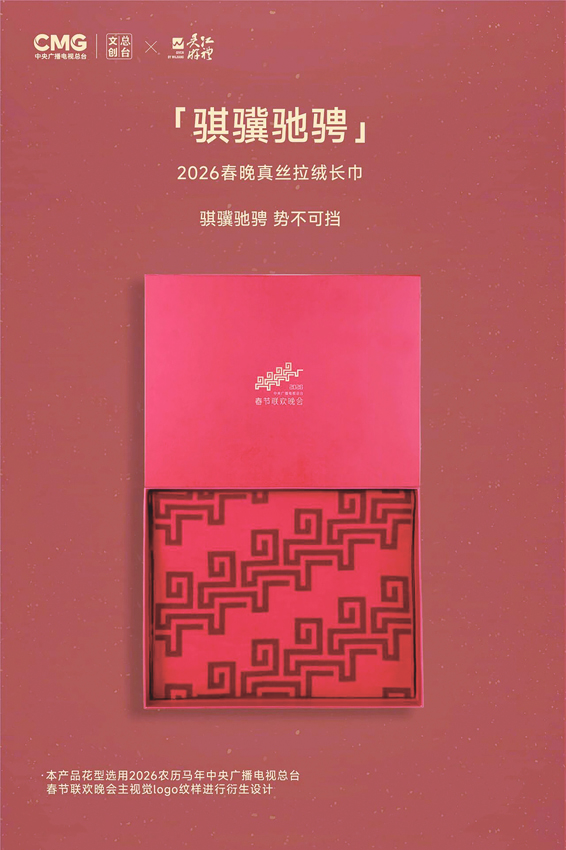
Core Viewpoint - Traditional brands are experiencing a resurgence during the Spring Festival through innovative integration of cultural heritage and modern trends, yet they face significant challenges such as price competition and talent shortages that hinder sustainable growth [1][4]. Group 1: Innovations Attracting Young Consumers - Traditional brands are successfully attracting younger consumers by launching aesthetically pleasing and culturally rich products, such as the "Jinling Twelve Beauties" series from the brand "Little Suzhou," which saw a revenue increase of approximately 20% during the Spring Festival compared to the previous year [1]. - The collaboration between "Wanshili" silk and CCTV's Spring Festival Gala produced a scarf that combines traditional design elements with modern aesthetics, appealing to both individual and corporate buyers [2]. - Interactive experiences, such as the immersive activities at "Jinling Changlefang," are transforming consumer engagement from passive shopping to active participation, enhancing product sales [3]. Group 2: Challenges Facing Traditional Brands - Traditional brands are struggling with low-price competition and substandard products, which undermine quality and increase operational pressures for those adhering to higher standards [4]. - Many traditional brands face innovation stagnation, relying heavily on classic products without adapting to contemporary consumer preferences, making it difficult to resonate with younger audiences [4]. - A significant talent gap exists, as the aging of skilled artisans and the lack of new talent familiar with both traditional craftsmanship and modern market dynamics pose a serious challenge for these brands [4][5]. Group 3: Strategies for Breaking Through - Differentiating product offerings to reach diverse consumer groups is essential, as seen with "Green Willow" which maintains classic flavors while introducing health-conscious and trendy options [6]. - Enhancing consumer experience through store upgrades and cultural integration can transform traditional brands into cultural ambassadors rather than mere product sellers [7]. - Embracing digital technology, such as AI in product design, allows traditional brands to modernize and appeal to contemporary consumers, exemplified by "Wanshili" silk's personalized scarf designs [7].
中华老字号如何“破圈”焕新?
Jiang Nan Shi Bao· 2026-02-25 14:04
Core Viewpoint - The article discusses how traditional Chinese brands, known as "Zhonghua Laozhao," are innovating to attract younger consumers while facing challenges such as low-price competition and talent shortages. The need for sustainable development and effective strategies to break through market barriers is emphasized. Group 1: Innovations and Trends - Many traditional brands are successfully merging traditional elements with modern expressions, leading to increased customer traffic and revenue during the Spring Festival [1] - The "Jinling Twelve Beauties" series from a traditional brand has become a bestseller, integrating literary themes into its product design, resulting in a 20% revenue increase compared to last year [4] - The collaboration between Wanshili Silk and CCTV's Spring Festival Gala has created a popular red scarf, showcasing the brand's ability to attract both individual and corporate customers [5] Group 2: Challenges Faced - The industry is plagued by low-price competition and poor quality, which undermines reputable brands and increases operational costs for those maintaining quality standards [7] - Many traditional brands struggle with outdated product lines that do not meet contemporary consumer demands, leading to a lack of innovation [7] - There is a significant talent gap in the industry, as the younger generation is less attracted to traditional craftsmanship, resulting in a shortage of skilled workers [8] Group 3: Strategies for Improvement - Brands are encouraged to create differentiated products to reach diverse consumer groups, such as health-conscious options and visually appealing items for social media [9] - Upgrading consumer experiences by enhancing store environments and integrating cultural elements can help traditional brands become cultural ambassadors rather than just product sellers [11] - Embracing digital technology, such as AI in product design, allows brands to offer personalized experiences, making traditional products more appealing to modern consumers [12]