
老字号创新

Search documents
老字号如何守“老”拓“新”
Xin Hua Ri Bao· 2026-02-25 23:15
Core Viewpoint - Traditional brands are experiencing a resurgence during the Spring Festival through innovative integration of cultural heritage and modern trends, yet they face significant challenges such as price competition and talent shortages that hinder sustainable growth [1][4]. Group 1: Innovations Attracting Young Consumers - Traditional brands are successfully attracting younger consumers by launching aesthetically pleasing and culturally rich products, such as the "Jinling Twelve Beauties" series from the brand "Little Suzhou," which saw a revenue increase of approximately 20% during the Spring Festival compared to the previous year [1]. - The collaboration between "Wanshili" silk and CCTV's Spring Festival Gala produced a scarf that combines traditional design elements with modern aesthetics, appealing to both individual and corporate buyers [2]. - Interactive experiences, such as the immersive activities at "Jinling Changlefang," are transforming consumer engagement from passive shopping to active participation, enhancing product sales [3]. Group 2: Challenges Facing Traditional Brands - Traditional brands are struggling with low-price competition and substandard products, which undermine quality and increase operational pressures for those adhering to higher standards [4]. - Many traditional brands face innovation stagnation, relying heavily on classic products without adapting to contemporary consumer preferences, making it difficult to resonate with younger audiences [4]. - A significant talent gap exists, as the aging of skilled artisans and the lack of new talent familiar with both traditional craftsmanship and modern market dynamics pose a serious challenge for these brands [4][5]. Group 3: Strategies for Breaking Through - Differentiating product offerings to reach diverse consumer groups is essential, as seen with "Green Willow" which maintains classic flavors while introducing health-conscious and trendy options [6]. - Enhancing consumer experience through store upgrades and cultural integration can transform traditional brands into cultural ambassadors rather than mere product sellers [7]. - Embracing digital technology, such as AI in product design, allows traditional brands to modernize and appeal to contemporary consumers, exemplified by "Wanshili" silk's personalized scarf designs [7].
新春走基层 | 打卡北京隆福寺:一篮年货,喜乐相伴
Xin Lang Cai Jing· 2026-02-20 15:34
Core Insights - The article highlights the vibrant atmosphere of the traditional Chinese New Year market in Dongcheng District, Beijing, showcasing popular old brands like Beijing Daoxiangcun and Fengnian Sausage, which have become top destinations for visitors during the holiday season [1][3]. Group 1: Market Dynamics - The foot traffic at Beijing Daoxiangcun's zero store during the holiday period is reported to be two to three times higher than usual, with peak sales reaching approximately three tons of the three popular snack items per day [3]. - The market has implemented queue management to handle the influx of visitors, indicating a significant increase in consumer interest and demand for traditional snacks [3]. Group 2: Product Offerings - The article describes innovative snack offerings inspired by classic Chinese literature, such as the "Tang Seng Fruit" and "Pigsy Fruit," which reflect cultural themes and are designed to attract younger consumers [3]. - Sales of traditional products like sausages and condiments have doubled compared to regular days, with specific items like soy sauce and vinegar selling out quickly due to high demand [5]. Group 3: Cultural Significance - The market serves as a vital cultural hub, preserving the essence of old Beijing's customs and traditions while also adapting to modern consumer preferences, thus enhancing the festive atmosphere and boosting sales [5].

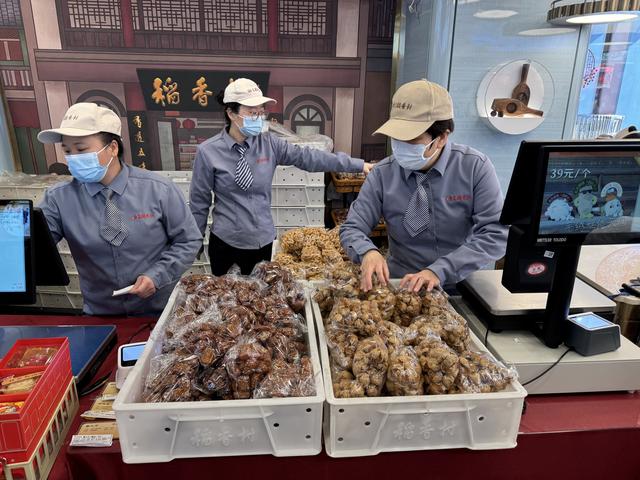
视频丨超30家老字号亮相 隆福寺新春市集火热开启
Yang Shi Xin Wen Ke Hu Duan· 2026-02-18 02:31
Group 1 - The 2026 Longfu Temple New Year Market opens with the theme "Unstoppable, Prosperity Gathering," featuring 53 stalls and 57 brands, injecting strong consumer vitality into the Year of the Horse [2] - Over 30 time-honored brands are showcased at the market, highlighting the trust built over years, which continues to attract consumers [3] - Popular food items include the "Big Fruit Bread" and "Vitamin Bread," with a history of over 100 years and 60 years respectively, selling over 1,000 sets daily [3] Group 2 - The market emphasizes innovation in traditional crafts, integrating them with modern aesthetics to appeal to younger generations [4] - The "Rabbit Lord" has gained popularity during the New Year, showcasing the blend of traditional elements with contemporary design [4] - Traditional decorations like the rainbow-colored "Fan Flower" are being revived, attracting interest from children and becoming part of the New Year festivities [4]
老店滋味浓
Xin Lang Cai Jing· 2026-02-17 22:48
Group 1: Traditional Food Innovations - The article highlights the transformation of traditional foods like "糟粕醋" and "钟楼小奶糕" into modern consumer favorites, showcasing their journey from local delicacies to national sensations [2][4][6] - "三婆糟粕醋" has evolved from a small workshop to a modern industry, with the fourth-generation heir introducing brand development and exporting products to the U.S. for the first time in 2024 [3] - "钟楼小奶糕" has embraced digital trends and cultural elements, becoming a popular destination in Xi'an, while maintaining its traditional flavors and quality [4][5] Group 2: Cultural Heritage and Market Expansion - The establishment of associations and government support for traditional foods, such as the 糟粕醋 association in 文昌市, marks a shift towards collective industry growth [3] - The article emphasizes the importance of cultural heritage in modern marketing strategies, as seen in the innovative designs of "花馍" and "八大碗" that cater to contemporary consumer preferences [7][12] - The integration of traditional foods into various consumer occasions, such as celebrations and gifts, reflects a broader trend of revitalizing cultural practices in the marketplace [8][14] Group 3: Consumer Engagement and Experience - The success of traditional food establishments is increasingly linked to their ability to create unique consumer experiences, as demonstrated by the long queues at "三婆糟粕醋" and "再回首" restaurants [2][10] - The use of social media and community engagement strategies, such as live streaming and interactive events, is becoming essential for attracting younger consumers to traditional food brands [5][11] - The adaptation of traditional recipes to include modern flavors and dietary preferences, such as the introduction of vegetable options in "再回首," showcases the evolving nature of consumer demands [11]
网友疯抢北京16城区“专属牛奶”,三元食品以“北京礼物”焕新老字号
Xin Jing Bao· 2026-02-15 14:31
Core Viewpoint - The article highlights the vibrant atmosphere of the Spring Festival market in Beijing, showcasing over 30 time-honored brands, including Sanyuan Foods, which is innovatively integrating local culture into its products to appeal to younger consumers [1][3][4]. Group 1: Product Innovation - Sanyuan Foods launched a limited edition milk gift box inspired by the 16 districts of Beijing, which has sparked discussions on social media about "milk exchanges" among residents [4][7]. - The "Beijing Series" products, including the limited edition gift box, aim to connect the brand with the cultural essence of Beijing while meeting modern consumer demands for quality and health [7][10]. - The company has seen a doubling in sales of its "Beijing Fresh Milk" within three months of its launch, indicating strong market acceptance [7]. Group 2: Brand Heritage and Strategy - Sanyuan Foods, a 70-year-old brand, emphasizes its commitment to quality and cultural significance, positioning itself as a "Beijing gift" that resonates with local consumers [8][9]. - The company has a history of innovation, being the first to introduce various dairy products in China, and is now focusing on revitalizing its brand to attract a new generation of consumers [10][11]. - The reopening of the "Beijing Milk Company" IP aims to blend nostalgia with modernity, featuring both traditional and contemporary dairy experiences [10][11]. Group 3: Market Position and Consumer Engagement - The new store format of the "Beijing Milk Company" has exceeded sales expectations, particularly among younger consumers aged 16-39, who appreciate fresh milk and modern beverage options [11]. - The strategic expansion of the store into various locations, including universities and tourist spots, reflects the company's intent to enhance brand visibility and consumer engagement [11].

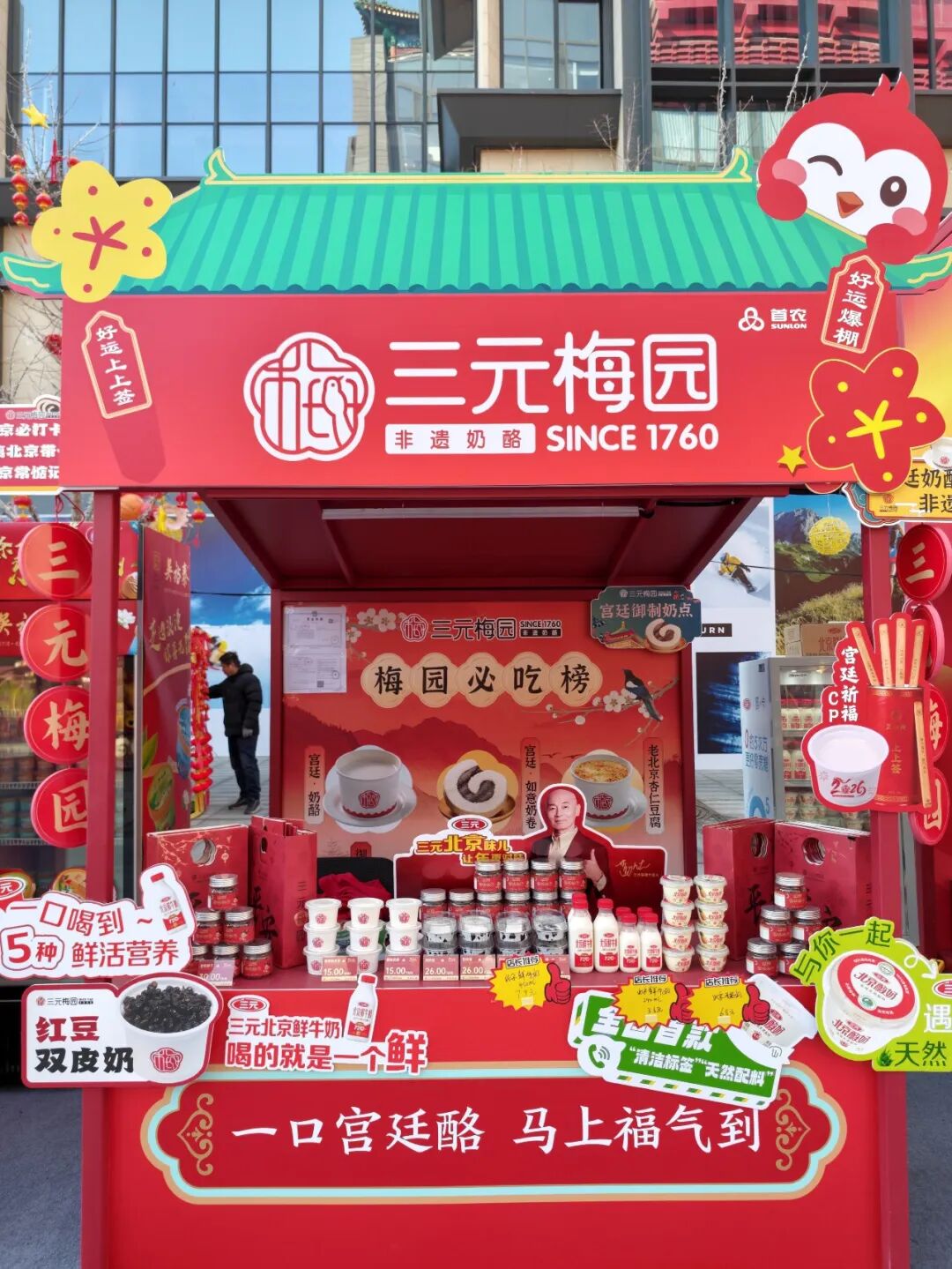
这份“北京礼物”,藏着70年零事故的底气
Bei Jing Ri Bao Ke Hu Duan· 2026-02-14 08:35
Core Viewpoint - Beijing Sanyuan Foods Co., Ltd. stands out as a prominent representative of Beijing's cultural heritage, combining its status as a "Beijing Time-honored Brand" and "Chinese Time-honored Brand" with a commitment to product innovation and quality, transforming its dairy products into a "Beijing gift" that reflects the city's essence [1][4][12]. Group 1: Commitment to Quality - Sanyuan Foods has maintained a remarkable "70 years without accidents" record, attributed to its dedication to 100% self-owned milk sources and stringent quality control throughout the supply chain [4][12]. - The company operates its own dairy farms in the golden milk source area at latitude 40°, ensuring high-quality milk production through advanced breeding techniques and real-time health monitoring of cows [4][12]. - Sanyuan Foods emphasizes the importance of quality assurance, with over 95% of its dairy cows being descendants of its own core breeding bulls, leading to superior milk yield and quality [4][12]. Group 2: Cultural Heritage - Sanyuan Foods integrates Beijing's cultural elements into its products, such as traditional palace dairy techniques and city-themed packaging, to create a deep connection with local heritage [5][12]. - The company’s products, including "Beijing Fresh Milk" and "Beijing Yogurt," encapsulate the city's flavors and memories, making them a part of the local identity [5][12]. Group 3: Innovation and Market Presence - Sanyuan Foods focuses on product-driven innovation, particularly through its "Beijing Series" products, which have become popular among consumers and represent the brand's commitment to quality [7][8]. - The relaunch of the Beijing Milk Company serves as a hub for consumer interaction and product innovation, allowing customers to experience traditional milk collection and new dairy products [8][12]. - The company aims to enhance consumer experience and brand recognition, positioning itself as a vibrant cultural symbol in the city [12]. Group 4: Seasonal Supply Commitment - During the Spring Festival, Sanyuan Foods ensures a stable supply of dairy products, reflecting its commitment to community welfare and quality assurance for both residents and visitors [10][12]. - The company’s efforts during the holiday season highlight its role in providing reliable and comforting products to the public, reinforcing its reputation as a trusted local brand [10][12].
新华视点丨守味更创新 老字号释放消费新潜力
Xin Hua Wang· 2026-01-28 06:51
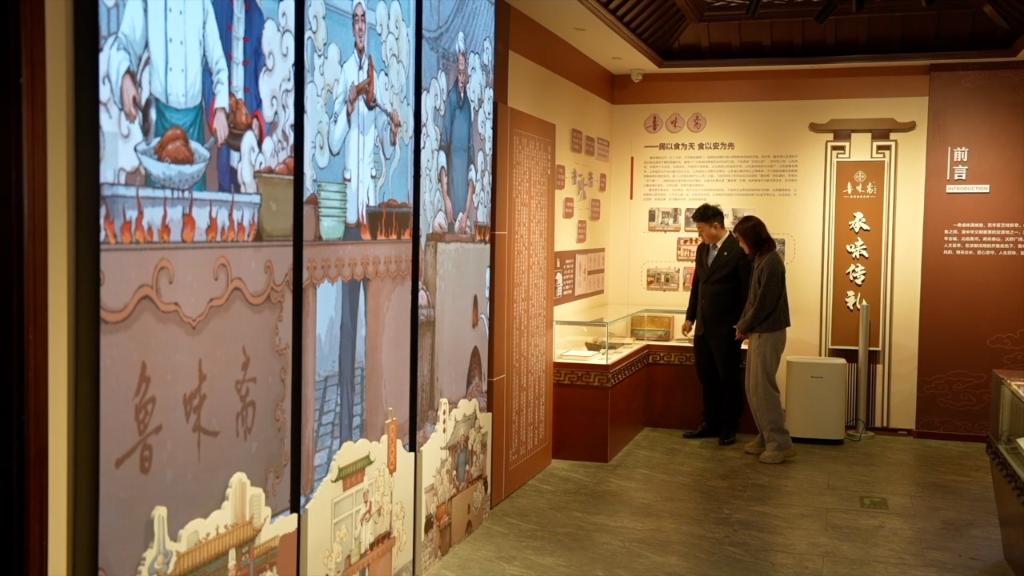
Group 1: Company Overview - Luweizhai, founded in 1927, is a time-honored brand specializing in the research, production, and sales of marinated food products [1] - The company has innovatively created a "museum cluster" that combines rich history with modern experiences [1] - The third-generation inheritors maintain traditional methods while integrating smart production lines [1] Group 2: Marketing and Consumer Engagement - Luweizhai has established seven themed live streaming rooms, incorporating "happiness culture" into sales, with the chairman's live stream attracting up to 800,000 viewers per session [1] - The company aims to appeal to younger consumers by developing low-salt and innovative flavors, which accounted for 30% of store sales within three months of launch [1] Group 3: Industry Trends and Innovations - The rise of "light health" trends has prompted companies like Huaren Jiangzhong, known for its digestive tablets, to enter the market with modern health products [3][6] - Huaren Jiangzhong invests over 10% of its annual revenue in research and development, establishing national-level research platforms to modernize traditional health wisdom [6][8] Group 4: Cultural Significance and Community Impact - The production of traditional glutinous rice cakes in Hunan's Xupu County has evolved into an industry that supports rural revitalization, transforming local customs into a thriving business [10][12] - The glutinous rice cakes, once a household tradition, are now marketed nationwide through e-commerce, enhancing community livelihoods [12]
解码人文经济新动能|寻味!老字号做出“新”味道
Xin Hua She· 2026-01-25 04:53
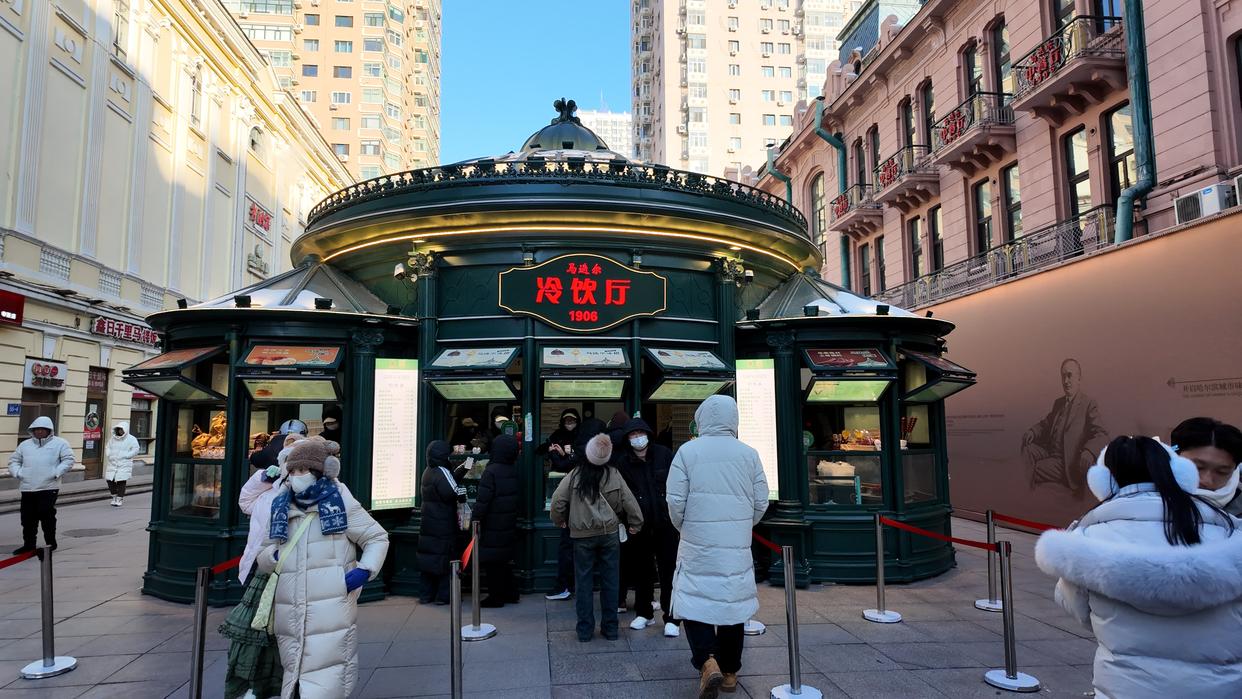
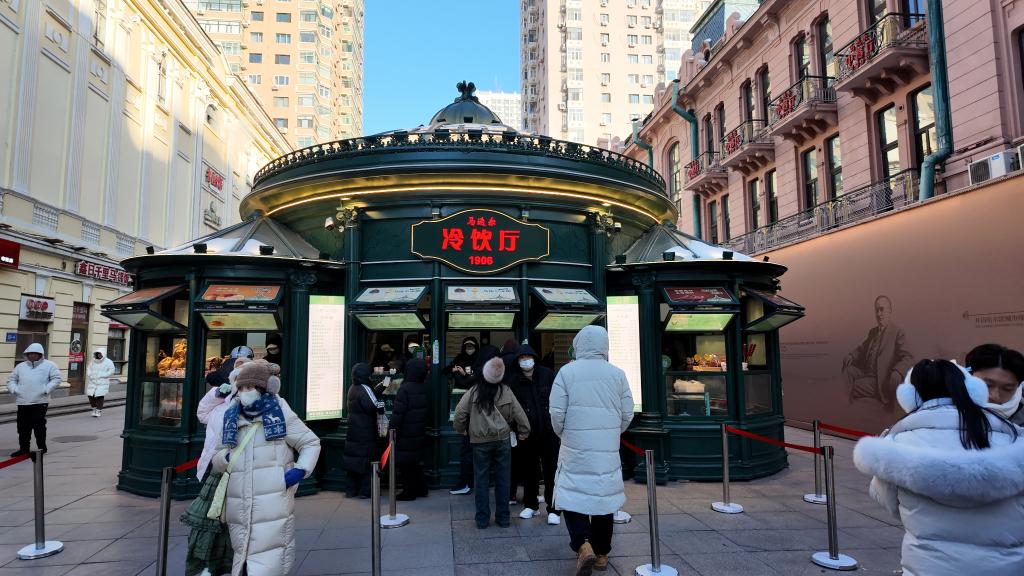
Group 1: Harbin's Ma Die Er Ice Cream - Ma Die Er ice cream, known for its unique taste and historical significance, has become a popular winter treat in Harbin, attracting many tourists despite the cold weather [1][4][21] - The ice cream was first introduced in 1914 and is made from milk and eggs, evolving into a local delicacy with over 30 different flavors and styles [4][5][21] - The traditional flavor remains milk-based, while innovative flavors include cranberry, bamboo, mango, and vanilla maple, appealing to modern consumers [5][21] Group 2: Tianjin's Haihe Milk - Haihe Milk, a well-known brand in Tianjin, has expanded its product line to include over 30 new flavors, such as avocado and pancake, catering to the preferences of younger consumers [9][11] - The brand has introduced a "fresh milk" self-service machine, allowing customers to enjoy freshly produced milk, enhancing the shopping experience [11] - Haihe Milk aims to connect traditional flavors with modern market demands, focusing on both taste and emotional value for consumers [11][21] Group 3: Cultural Integration in Food Industry - Traditional brands like Tong Hanchun Tang are innovating by introducing health-oriented beverages that resonate with younger audiences, blending ancient wisdom with modern tastes [13][15] - Guangzhou Restaurant is exploring the integration of dining and cultural experiences, aiming to create a comprehensive cultural output through its culinary offerings [17][19] - The emphasis on innovation and cultural connection is seen as essential for maintaining the relevance and vitality of traditional brands in the modern market [21]
解码人文经济新动能丨寻味!老字号做出“新”味道
Xin Hua Wang· 2026-01-25 04:37
Group 1 - The article highlights the unique experience of consuming ice cream in winter, particularly focusing on the famous Ma Die Er ice cream in Harbin, which has become a local specialty and a must-try for visitors [1][5] - Ma Die Er ice cream, introduced in 1914, is made from milk and eggs, and has evolved to include over 30 different flavors and styles, catering to modern consumer preferences [5][10] - The ice cream's popularity is attributed to its appealing taste and affordability, making it a trendy choice among tourists in Harbin's Central Street [1][9] Group 2 - The article also discusses the innovation in dairy products from Tianjin's Haihe Milk, which has developed over 30 new flavors, including unique options like pancake and fried dough flavors, appealing particularly to younger consumers [10][11] - Haihe Milk has introduced a "fresh milk" self-service machine, enhancing customer experience by allowing immediate access to fresh products [11][12] - The brand aims to connect traditional flavors with modern market demands, ensuring that their offerings not only satisfy taste but also provide emotional value to consumers [10][11] Group 3 - The article mentions the efforts of Tong Hanchun Tang, a 243-year-old traditional Chinese medicine brand, to engage younger audiences through innovative health-focused beverages that incorporate ancient wisdom [14][15] - Guangzhou Restaurant, a well-known Cantonese dining establishment, is exploring cultural integration with its culinary offerings, aiming to create a comprehensive experience that reflects Lingnan culture [18][20] - The overall trend among these traditional brands is to innovate and adapt to contemporary consumer preferences while maintaining their cultural heritage, thereby enhancing their market presence and relevance [22][24]
“老字号”焕发新活力——“向‘新’而行的中国”系列评
Xin Lang Cai Jing· 2026-01-17 08:25
Core Viewpoint - The revitalization of traditional brands, known as "lao zihao," is driven by innovation in products, integration of business models, and cultural empowerment, which collectively stimulate service consumption growth. Group 1: Product Innovation - Traditional brands must protect their core craftsmanship while aligning with modern consumer demands to create a product system that combines "classic + healthy" and "traditional + fashionable" [2] - By integrating traditional techniques with modern nutrition science, brands can develop healthier products such as low-sugar, low-fat, and high-protein options, catering to contemporary quality of life pursuits [2] - To meet the convenience needs of younger consumers, brands should optimize product forms and packaging, offering small, portable ready-to-eat products for fast-paced lifestyles [2] Group 2: Business Model Integration - Traditional brands need to move beyond single retail models by transforming historical buildings and workshops into "cultural experience venues" [3] - Implementing a "front store, back workshop" model allows for interactive displays of traditional craftsmanship, providing consumers with immersive experiences [3] - Developing "lao zihao themed routes" and "intangible cultural heritage study experiences" can connect dining, crafting, and performance, extending the consumption chain [3] Group 3: Cultural Empowerment - Traditional brands should explore the cultural significance embedded in their heritage, creating a communication system that visualizes craftsmanship, contextualizes stories, and brands as IP [4] - By showcasing intangible cultural heritage through performances and documentaries, traditional craftsmanship can be elevated to recognizable cultural symbols [4] - Strengthening brand IP with a youthful expression and utilizing cross-industry collaborations can enhance engagement with younger consumers [4]