鑫药贷

Search documents
经营业绩持续提优 高质量发展彰显韧性
Jiang Nan Shi Bao· 2025-10-28 14:01
Core Viewpoint - Nanjing Bank's Q3 2025 report indicates robust growth in key operational metrics, demonstrating resilience and high-quality development amidst a complex external environment, aligning with national and regional development strategies [1] Group 1: Financial Performance - Total assets reached 2.96 trillion yuan, a 14.31% increase from the end of last year [2] - Total liabilities grew to 2.75 trillion yuan, up 14.48% year-on-year [2] - Deposits increased to 1.64 trillion yuan, a 9.65% rise, while loans reached 1.41 trillion yuan, growing by 12.34% [2] - Operating income was 41.949 billion yuan, an 8.79% year-on-year increase, with net interest income at 25.207 billion yuan, up 28.5% [2] - Net profit attributable to shareholders was 18 billion yuan, reflecting an 8.06% increase [2] - Non-performing loan ratio remained stable at 0.83%, with a cost-to-income ratio of 23.27%, down 4.81 percentage points [2] - Provision coverage ratio stood at 313.22%, and core Tier 1 capital adequacy ratio was 9.54%, showing strong capital strength [2] Group 2: Business Segments - The bank focused on three main business segments: corporate finance, retail finance, and financial markets, enhancing its comprehensive financial service capabilities [3] - Corporate finance loans reached 1.07 trillion yuan, with a growth rate exceeding 14.6%, and medium to long-term loans for manufacturing increased by 31.56% [3] - Technology finance loans amounted to 174.28 billion yuan, a 17.5% increase, with various innovative products launched to support enterprises [4] - Inclusive finance served 200,000 small and micro enterprises, with inclusive loan balances growing over 16.1% [4] - Green finance loans increased by 667.7 billion yuan, a growth rate exceeding 33%, with over 5,500 green loan clients [5] - Retail financial assets reached 968.7 billion yuan, a 17.1% increase, with personal deposits growing by 18.6% [6] Group 3: Market Recognition and Shareholder Support - Major shareholders, including Nanjing High-Tech and Zijin Trust, have increased their stakes, reflecting confidence in the bank's stable operations and future growth [8] - The bank celebrated its 20th anniversary of strategic cooperation with BNP Paribas, signing a new memorandum to deepen collaboration [8] - The bank's high-quality performance has attracted positive evaluations from multiple domestic and international securities firms [9] - A cash dividend of 3.062 yuan per share was announced, totaling 3.7857 billion yuan, representing 30% of the net profit attributable to shareholders [9]

南京银行发布2025年三季报——经营业绩持续提优,高质量发展彰显韧性
和讯· 2025-10-28 09:15
Core Viewpoint - Nanjing Bank has demonstrated resilient high-quality development in the first three quarters of 2025, with steady growth in key operational indicators and a solid foundation for achieving annual business goals [1] Group 1: Financial Performance - Total assets reached 2.96 trillion yuan, an increase of 14.31% compared to the end of the previous year [2] - Total liabilities amounted to 2.75 trillion yuan, growing by 14.48% year-on-year [2] - Deposits stood at 1.64 trillion yuan, with a growth of 9.65%, while loans reached 1.41 trillion yuan, increasing by 12.34% [2] - Operating income was 41.949 billion yuan, up 8.79% year-on-year, with net interest income at 25.207 billion yuan, reflecting a 28.5% increase [2] - Net profit attributable to shareholders was 18 billion yuan, marking an 8.06% year-on-year growth [2] Group 2: Risk Management and Asset Quality - Non-performing loan ratio remained stable at 0.83% [3] - Cost-to-income ratio improved to 23.27%, a decrease of 4.81 percentage points from the previous year [3] - Provision coverage ratio was 313.22%, and the core Tier 1 capital adequacy ratio was 9.54%, up 0.18 percentage points from the beginning of the year [3] Group 3: Business Segments - The bank focused on three main business segments: corporate finance, retail finance, and financial markets, enhancing its comprehensive financial service capabilities [4] - Corporate loans reached 1.07 trillion yuan, with a growth rate exceeding 14.6%, and medium to long-term loans in the manufacturing sector increased by 31.56% [4] - Technology finance loans amounted to 174.28 billion yuan, growing by 17.5% year-on-year [5] - Inclusive finance served 200,000 small and micro enterprises, with inclusive loan balances of 156.1 billion yuan, up over 16.1% [6] - Green finance loans increased by 66.77 billion yuan, a growth of over 33% [7] - Retail financial assets reached 968.7 billion yuan, with personal deposits growing by 18.6% to 565.17 billion yuan [8] Group 4: Market Recognition and Shareholder Support - Major shareholders, including Nanjing High-Tech and Zijin Trust, have increased their stakes, reflecting confidence in the bank's stable operations [10][11] - The bank's high-quality development has attracted positive evaluations from various securities firms, with recommendations for strong buy and outperform ratings [12] - The bank plans to distribute cash dividends of 3.062 yuan per 10 shares, totaling 3.7857 billion yuan, which is 30% of the net profit attributable to shareholders [12]

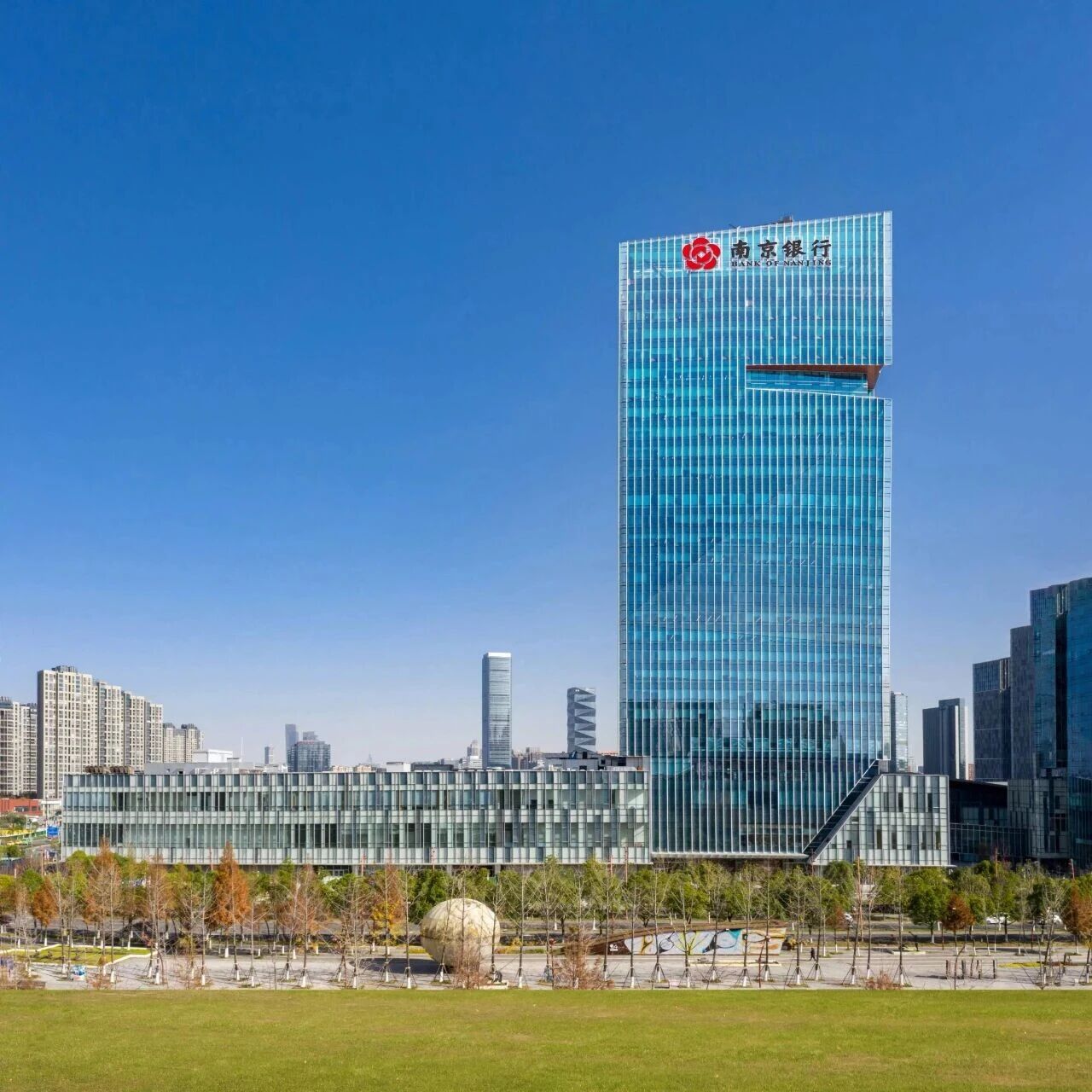
南京银行发布2025年三季报—— 经营业绩持续提优,高质量发展彰显韧性
2 1 Shi Ji Jing Ji Bao Dao· 2025-10-28 04:22
Core Viewpoint - Nanjing Bank's Q3 2025 report highlights robust growth in key operational metrics, demonstrating resilience and high-quality development amid a complex external environment, aligning with national and regional development strategies [1] Group 1: Financial Performance - Total assets reached CNY 2.96 trillion, a 14.31% increase from the previous year [2] - Total liabilities grew to CNY 2.75 trillion, up 14.48% year-on-year [2] - Deposits increased to CNY 1.64 trillion, a growth of 9.65%, while loans reached CNY 1.41 trillion, up 12.34% [2] - Operating income was CNY 419.49 billion, an 8.79% year-on-year increase, with net interest income rising by 28.5% to CNY 252.07 billion [2] - Net profit attributable to shareholders was CNY 180 billion, reflecting an 8.06% increase [2] - Non-performing loan ratio remained stable at 0.83%, with a cost-to-income ratio of 23.27%, down 4.81 percentage points from the previous year [2] - Provision coverage ratio stood at 313.22%, and core Tier 1 capital adequacy ratio was 9.54%, indicating strong capital and risk absorption capacity [2] Group 2: Business Segments - Focused on three main business segments: corporate finance, retail finance, and financial markets, enhancing comprehensive financial service capabilities [3] - Corporate finance loans reached CNY 1.07 trillion, with a growth rate exceeding 14.6%, and medium to long-term loans for manufacturing increased by 31.56% [3] - Technology finance loans amounted to CNY 174.28 billion, a 17.5% increase, with various innovative products launched to support enterprises [4] - Inclusive finance served 200,000 small and micro enterprises, with inclusive loan balances growing over 16.1% to CNY 156.1 billion [4] - Green finance loans increased by CNY 667.7 billion, a growth of over 33%, with more than 5,500 green loan clients [5] - Retail financial assets reached CNY 968.7 billion, up 17.1%, with personal deposits growing by 18.6% to CNY 565.17 billion [6] Group 3: Market Recognition and Strategic Partnerships - Major shareholders, including Nanjing High-Tech and Zijin Trust, have increased their stakes, reflecting confidence in the bank's stable operations and future growth [8] - Nanjing Bank celebrated its 20th anniversary of strategic cooperation with BNP Paribas, signing a new memorandum to deepen collaboration across multiple dimensions [8] - The bank received strong recommendations from various securities firms, maintaining a high dividend payout ratio of 30% of net profit [9]
南京银行朱华详解科技金融区域深耕与生态协同路径
Zhong Guo Jing Ying Bao· 2025-10-25 03:41
Core Insights - The article emphasizes the unprecedented strategic development opportunities for technology finance, highlighted by the recent policies from multiple government departments aimed at strengthening financial support for major technological tasks and technology-based SMEs [1] Group 1: Opportunities in Technology Finance - The national emphasis on technology finance presents significant growth opportunities for banks, particularly in serving technology enterprises, which are becoming key drivers of economic growth [2] - Banks are encouraged to enhance their cross-financial service capabilities, particularly in areas like cross-border financing and international settlements, to support technology enterprises expanding globally [2] - Collaboration with non-bank financial institutions and other entities is essential for banks to meet the complex financial needs of technology enterprises at various stages of development [3] Group 2: Challenges in Serving Technology Enterprises - Banks face challenges in risk assessment due to the high complexity and instability of technology enterprises' business models, making it difficult to evaluate their repayment capabilities [4] - The mismatch between the long financing cycles of technology enterprises and the short-term nature of traditional bank loans poses a significant challenge [4] - The need for banks to adapt their assessment mechanisms and develop innovative credit products to better serve technology enterprises is critical [5] Group 3: Regional Advantages of Local Banks - Local banks like Nanjing Bank have unique advantages in serving local technology enterprises, including a deeper understanding of the local economic environment and industry characteristics [6] - The flexibility in decision-making processes allows local banks to tailor financial solutions to the specific needs of technology enterprises [6] - Local banks can leverage their established relationships with local governments and industry parks to better support technology enterprises [7] Group 4: Collaboration with Government and Industry Capital - Banks should focus on local industries and utilize innovative models like "investment-loan linkage" to effectively connect with government-guided funds and industry capital [8] - By addressing the funding gaps in key segments of the industrial chain, banks can design specialized financial solutions to support projects in emerging sectors [9] - The integration of banking and investment banking capabilities allows banks to provide comprehensive support to industry capital, promoting long-term partnerships and funding solutions [10]