钽铌

Search documents
金属行业2026年度策略系列报告之小金属&新材料篇:地锁金戈,云生万象
Guolian Minsheng Securities· 2026-01-23 00:50
Investment Rating - The report maintains a "Buy" rating for the metal industry, specifically recommending companies such as Huaxi Nonferrous, Xiyegongsi, Boqian New Materials, and others [2][3]. Core Insights - The report highlights the tightening supply of strategic metals due to export controls and geopolitical factors, which is expected to drive prices upward. The integration of AI technology is anticipated to create new opportunities in electronic materials [9][10]. - Tin supply is under pressure due to slow recovery in Myanmar and regulatory changes in Indonesia, leading to a persistent shortage [26][35]. - Tungsten is positioned as a critical material for high-end manufacturing, with supply constraints expected to support long-term price increases [9][10]. - Antimony supply remains rigid, with recent export control relaxations likely to narrow the price gap between domestic and international markets [9][10]. - The rare earth materials sector is expected to see price stabilization and growth due to increasing demand from electric vehicles and energy-efficient technologies [9][10]. Summary by Sections 1. Strategic Metals and Supply Dynamics - The report emphasizes the strategic importance of metals like tungsten, antimony, and rare earths, which are crucial for technology and military applications. China holds a dominant position in the supply of these metals, with import dependency for many industrial metals exceeding 50% [16][20]. - Export controls on strategic metals have led to significant price increases domestically, with prices expected to continue rising as global demand grows [21][22]. 2. AI Technology and Electronic Materials - The report discusses the impact of AI technology on the demand for electronic materials, predicting a dual increase in both volume and price as the technology evolves [9][10]. - The need for advanced electronic components that can handle higher power and efficiency is driving innovation in materials used in AI applications [9][10]. 3. Investment Recommendations - The report recommends focusing on domestic strategic resource sectors and companies benefiting from AI technology advancements. Key companies highlighted include Huaxi Nonferrous, Xiyegongsi, Boqian New Materials, and others [13][10].




金属行业2026年度策略系列报告之小金属:新材料篇:地锁金戈,云生万象
Guolian Minsheng Securities· 2026-01-22 11:13
Group 1 - The report emphasizes the strategic importance of key metals, highlighting that supply control and application demand in critical fields like technology and military are crucial for pricing [16][20][21] - The report identifies significant supply disruptions in tin due to slow recovery in Myanmar and regulatory changes in Indonesia, leading to a persistent tight supply situation [26][35][40] - The report notes that tungsten is a backbone of high-end manufacturing, with supply tightening driving significant price increases, supported by steady demand from sectors like photovoltaics and military applications [9][16][21] Group 2 - The report discusses the impact of AI technology on the development of electronic new materials, indicating that advancements in AI will drive demand for upgraded materials to meet higher performance requirements [9][10][12] - The report recommends investing in domestic strategic resource sectors and electronic new materials benefiting from AI technology, highlighting specific companies such as Huaxi Nonferrous, Xiyegongsi, and others [13][21] - The report outlines the tightening supply of antimony and the potential for price convergence due to the relaxation of export controls, which may benefit domestic demand [9][10][12]
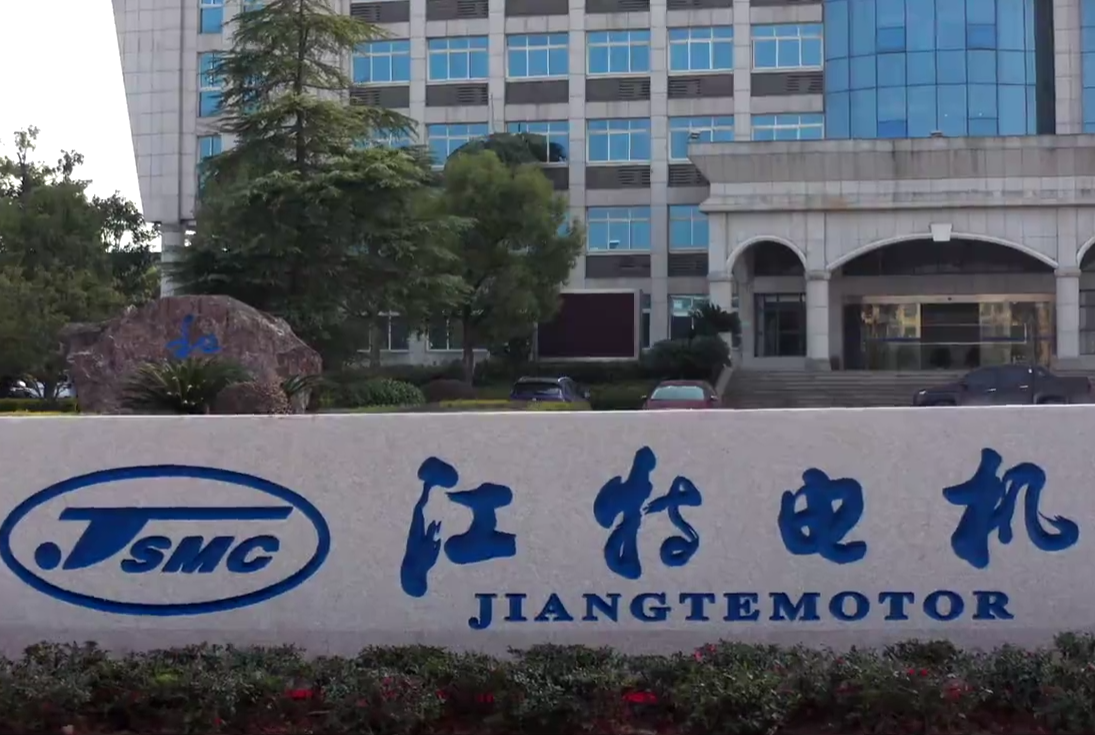
江特电机上半年实现营收9.8亿元,净亏损1.14亿元
Ju Chao Zi Xun· 2025-08-21 09:09
Core Insights - The company reported a significant increase in revenue for the first half of 2025, achieving 980 million yuan, a year-on-year growth of 35.85% [2][3] - However, the net profit attributable to shareholders decreased to -114 million yuan, representing a decline of 78.24% compared to the same period last year [2][3] - The decline in profit is attributed to falling prices of lithium salt products and a decrease in gross profit [2][3] Financial Performance - Revenue for the reporting period was 975,166,278.13 yuan, up from 717,831,652.73 yuan, marking a 35.85% increase [3] - The net profit attributable to shareholders was -114,188,334.54 yuan, down from -64,065,573.73 yuan, a decrease of 78.24% [3] - The net profit after excluding non-recurring gains and losses was -161,286,841.44 yuan, a reduction of 11.28% year-on-year [3] - The net cash flow from operating activities was -296,266,518.96 yuan, a decline of 7.73% [3] - Basic and diluted earnings per share were both -0.07 yuan, down 75% from -0.04 yuan [3] - Total assets at the end of the reporting period were 6.163 billion yuan, a decrease of 7.20% from the previous year [3] - Net assets attributable to shareholders were 3.394 billion yuan, down 3.16% from the previous year [3] Resource and Production Capacity - The company holds or controls over 1 billion tons of lithium ore resources, ranking among the top in the country [4] - The key mining area is located in Yichun, with the most important site being the Qikeng lithium mine, which has a resource reserve of 72.93 million tons [4] - The average Li2O grade is estimated at 0.44%, with potential reserves reaching 1.2667 billion tons at a grade of 0.39% [4] Vertical Integration and Business Model - The company has established a vertically integrated industrial chain from mining to lithium salt production and deep processing [5] - This model maximizes resource value through deep collaboration across various stages [5] - The core product, lithium mica, serves as a raw material for lithium carbonate, while by-products like feldspar powder are supplied to the ceramics and glass industries [5] - The company also leverages strategic resources like tantalum and niobium for high-tech applications, enhancing its competitive edge [5]