
铕

Search documents
稀土库存全面告急,英美破防:美媒:中国再不批准,谈判形同作废
Sou Hu Cai Jing· 2026-02-25 07:36
Group 1 - China has gradually strengthened export controls on rare earth elements since 2023, initially targeting dual-use materials like gallium and germanium, which has put pressure on Western companies [1] - By the end of 2023, China banned the export of rare earth extraction and separation technologies, blocking foreign companies from independent processing [1] - In response to the U.S. chip ban, China fully banned the export of strategic minerals such as gallium, germanium, and antimony by the end of 2024, prompting companies to accelerate stockpiling of rare earth resources [1] Group 2 - In April 2025, China's Ministry of Commerce announced an export licensing system for seven heavy rare earth elements, including samarium, gadolinium, terbium, dysprosium, lutetium, scandium, and yttrium, widely used in defense and high-end manufacturing [3] - The immediate cause of this policy was the tariffs imposed by the Trump administration, leading to a surge in rare earth prices, particularly dysprosium, which reached $850 per kilogram in Europe, three times the original price [3] Group 3 - Export approval processes became stricter, requiring exporters to provide detailed usage statements, with military-related requests being denied, complicating transshipment trade [4] - By early May, U.S. defense contractors reported that their inventories could only support one to two months of production needs, severely impacting the production of F-35 engine components and missile guidance systems [4] - Over 80% of U.S. defense components rely on these rare earth minerals, leading to increased costs for wind turbines and electric vehicle batteries in the UK [4] Group 4 - In May 2025, U.S. and China engaged in further negotiations in Geneva, resulting in a temporary 90-day delay of the tariff dispute, but export approvals remained strict, primarily favoring European automotive suppliers and Vietnamese electronics manufacturers [6] - Rare earth prices increased significantly, with some heavy varieties rising nearly tenfold, while certain materials became scarce [6] Group 5 - By May, U.S. companies faced near depletion of inventories, causing production halts for F-35 and missile systems, with samarium prices reaching sixty times normal levels [8] - The fragility of the current supply chain was highlighted, with U.S. dependence on refined rare earths from China reaching critical levels [8] Group 6 - In June 2025, U.S. and China held a second round of talks in London, resulting in a supplemental framework agreement, with China approving some compliant applications while maintaining strict regulations [10] - Despite some adjustments in export pace, the regulatory policies remained tight, with China expanding the control to five additional rare earth elements by October 2025 [10] Group 7 - Defense assessments indicated that F-35 jets require approximately 9,200 pounds of rare earth magnets, with U.S. dependence on China for rare earths reaching 70% for imports [12] - The tight inventory situation led to supply disruptions for contractors, while China approved civilian export licenses to alleviate demand, excluding military enterprises [12] Group 8 - As U.S.-China tensions escalated, media outlets criticized China's rare earth export controls for causing global supply shortages and price surges across various sectors, including smartphones and military equipment [14] - Analysts noted that China's policy is a tactical negotiation strategy aimed at weakening U.S. military capabilities to force concessions [14] Group 9 - Experts predict that the continuation of China's export controls will lead to rising component prices and slow down global production rates, with U.S. defense contractors facing an imminent inventory crisis [15] - Despite increased domestic development efforts in the U.S., the reliance on China's rare earth market is expected to persist for the next decade [15]

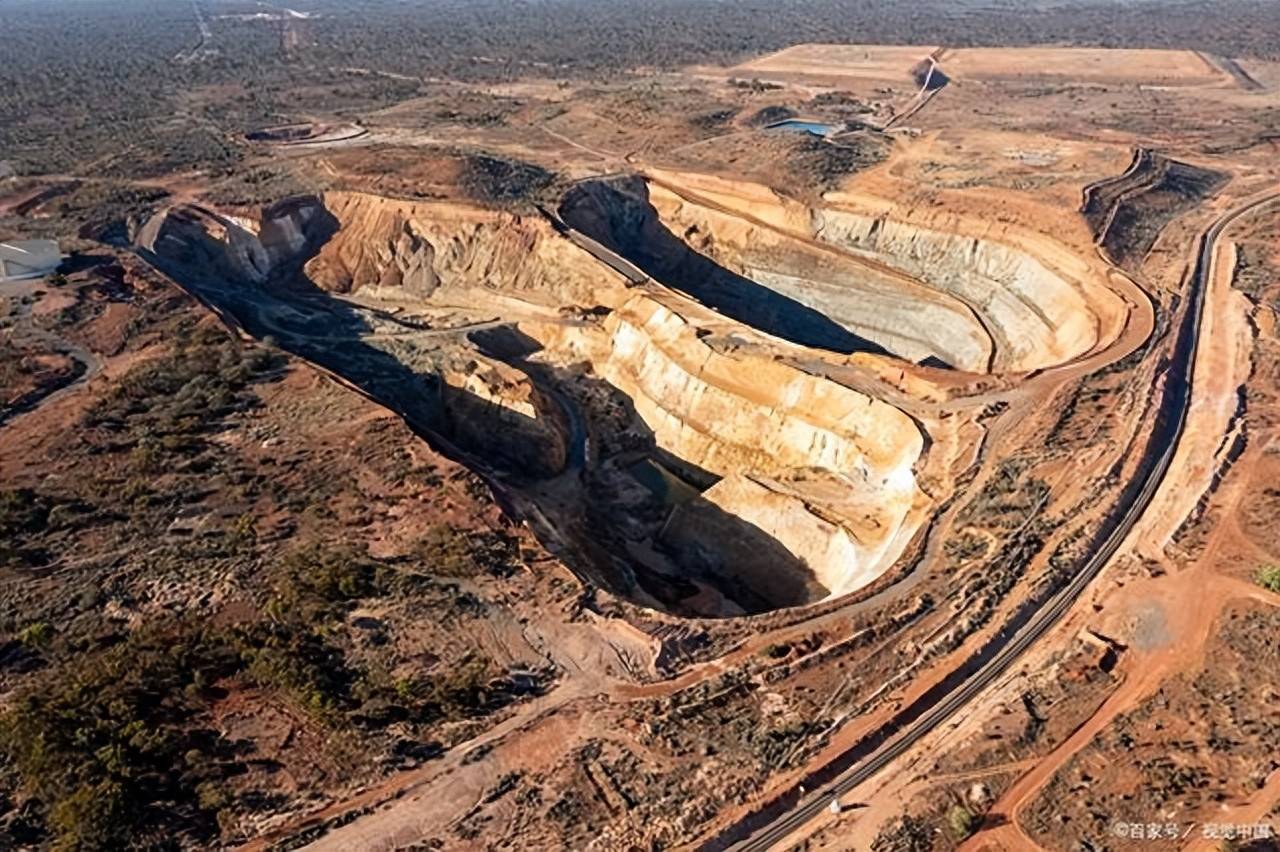
与乌签署矿产协议的背后,美国挖空心思寻找关键矿源
Di Yi Cai Jing· 2025-05-01 14:32
Group 1 - The U.S. has a long-term reliance on imports for critical mineral resources, which has led to increased resource acquisition costs for related manufacturing due to "reciprocal tariffs" [1] - A new agreement has been signed between Ukraine and the U.S. to establish the U.S.-Ukraine Reconstruction Investment Fund, aimed at investing in mining, oil, gas projects, and related infrastructure [1] - Ukraine holds a significant position in the global mineral resource supply chain, with over 8,000 identified mineral deposits and 22 out of 50 critical minerals listed by the U.S. [2] Group 2 - The U.S. Department of Energy has included 50 types of mineral products in its critical minerals list for 2023, with a significant portion of these being heavily reliant on imports [2] - A trade investigation has been initiated by the Trump administration to assess the impact of imported critical minerals on national security, which may lead to the imposition of tariffs [3]