铽等重稀土

Search documents
挖走中国工程师就想突围?稀土纯度不达标,退货率超 30%
Sou Hu Cai Jing· 2026-01-17 21:54
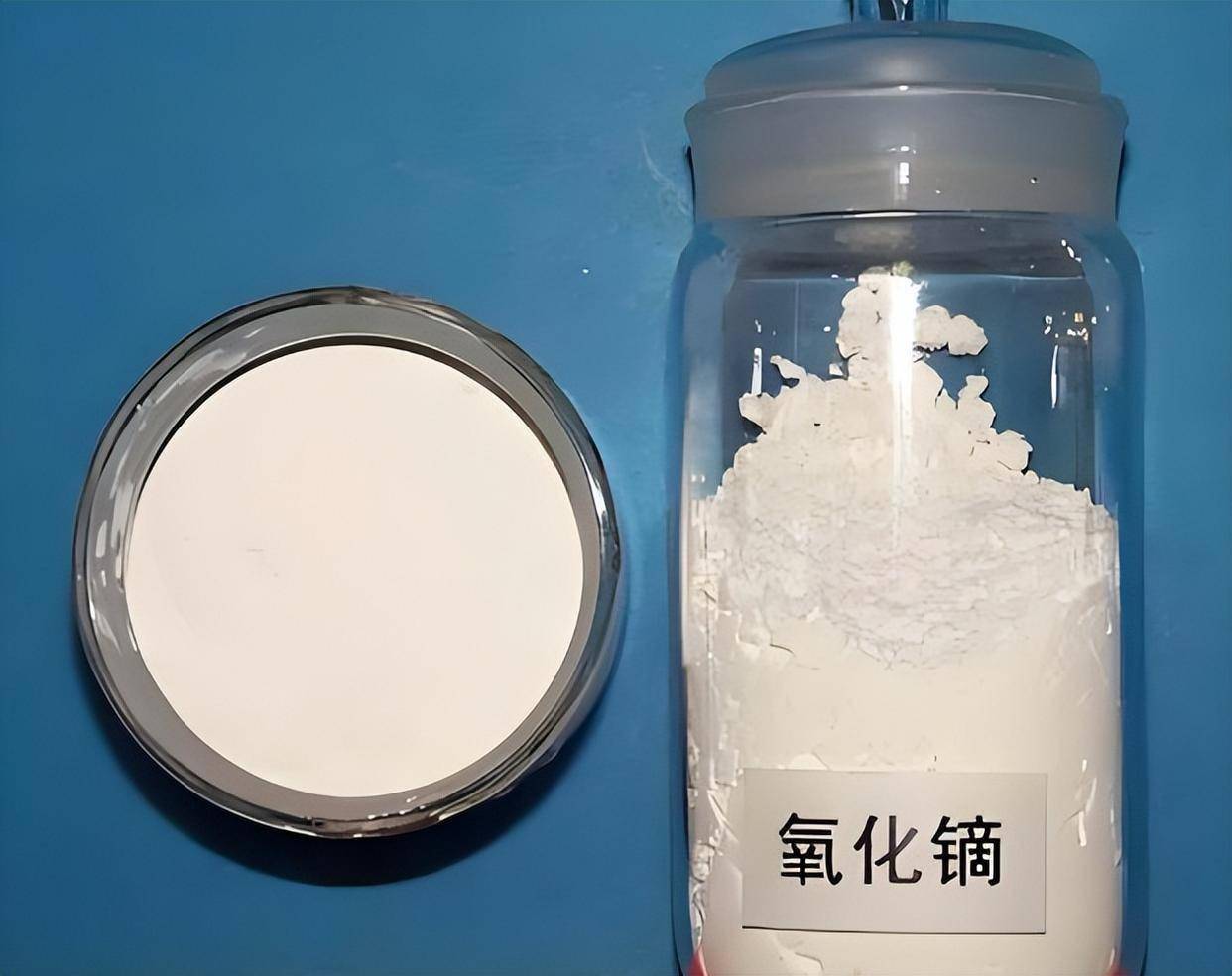
Core Insights - Lynas Corporation's production of dysprosium oxide in Malaysia is viewed as a historic breakthrough against China's monopoly, but the product's purity and stability issues reveal underlying challenges [1][13][24] - Western media's excitement over breaking the monopoly is more a reflection of geopolitical anxiety than a genuine technological advancement [3][11] Production Challenges - Lynas's dysprosium oxide purity is only at 99.9%, which is below the 99.99% standard of leading Chinese producers, and the product has a batch stability issue with a 15% fluctuation in magnetic parameters [13][24] - The company has faced a 30% return rate on its products, indicating significant quality control issues [13][24] Industrial Ecosystem Limitations - The attempt to replicate China's industrial ecosystem by hiring a few engineers is fundamentally flawed, as it overlooks the need for a comprehensive and cohesive industrial system [7][19] - The lack of local expertise in Malaysia and reliance on foreign technology creates a fragile supply chain that is vulnerable to disruptions [9][19] Economic Viability - Lynas's production costs are significantly higher than those of Chinese competitors, with a cost of $800,000 per ton compared to China's $500,000, making it difficult to secure large orders [24][26] - The company has only managed to produce dysprosium oxide, while other critical rare earth elements remain unproduced or inconsistent in quality [24][26] Geopolitical Context - The push for supply chain independence from China is driven by political motivations rather than practical industrial capabilities, leading to unrealistic expectations [3][11][32] - The Western strategy to build a rare earth supply chain is hampered by the need for extensive time and investment, which contrasts sharply with China's established dominance [32][40] Future Outlook - The industrial landscape suggests that without a robust and integrated ecosystem, Western efforts to establish independence from Chinese rare earth supplies will likely fail [42][44] - The true competitive advantage lies in the deep-rooted industrial knowledge and experience that cannot be easily transferred or replicated [40][44]

打法变了,稀土对美国开放,特朗普忙活180天,给中国做了嫁衣
Sou Hu Cai Jing· 2025-08-12 11:34
Group 1 - The core point of the article highlights a significant shift in the U.S.-China trade dynamics, particularly regarding rare earth elements, where the U.S. military-industrial complex is increasingly reliant on China for essential materials [2][4][6] - On August 12, a new agreement was reached between the U.S. and China, extending a tariff truce for 90 days while maintaining a 10% tariff, indicating a tactical retreat from both sides [4][6] - The U.S. defense sector is facing severe supply chain disruptions due to China's control over rare earth elements, with prices for certain elements skyrocketing, leading to production slowdowns in critical military projects [8][10] Group 2 - The U.S. Department of Defense reports that 87% of key military equipment relies on Chinese rare earths, highlighting the strategic vulnerability of the U.S. military [10][12] - The U.S. government has attempted to mitigate this dependency by providing subsidies to domestic companies, but these efforts have proven inadequate compared to China's production capabilities [12][14] - China's dominance in rare earth production is underscored by its control over 90% of the global refining capacity, making it a critical player in the supply chain [16][18] Group 3 - The article discusses the strategic implications of the tariff truce, suggesting that the remaining 10% tariff serves as leverage for the U.S. while China uses its rare earth control to maintain influence over U.S. military operations [20][22] - The ongoing trade dynamics are reshaping international trade rules, with emerging markets increasingly engaging in trade with China using local currencies, indicating a shift away from dollar dependency [24][26] - The article concludes that the trade war initiated by the Trump administration has inadvertently strengthened China's position in the global supply chain for rare earths, solidifying its role as a strategic resource provider [26]