
问界品牌新能源汽车

Search documents
多重补贴发力!马年春节车市新气象 10万级新能源车成县域消费主力
Shang Hai Zheng Quan Bao· 2026-02-19 03:24
Core Insights - The article highlights the growing trend of electric vehicle (EV) purchases in rural areas of China, particularly during the 2026 Spring Festival, driven by multiple subsidy policies and the practice of trading in old vehicles for new ones [1][3][10]. Group 1: Market Dynamics - The county-level automotive market in China is showing robust performance, with EVs becoming a significant growth engine due to government and manufacturer subsidies [1][3]. - The majority of customers in county markets are opting for vehicles priced between 100,000 to 150,000 yuan, indicating a clear demand for affordable EV options [4][10]. - The transition from traditional fuel vehicles to EVs is being accelerated by concerns over emissions standards and the rising costs of maintaining older vehicles [3][4]. Group 2: Consumer Behavior - Consumers in rural areas are increasingly willing to trade in old fuel vehicles for new EVs, with a notable percentage of transactions occurring through trade-in programs [3][4]. - The decision-making process for customers in the 100,000 to 150,000 yuan price range is generally quicker compared to those with budgets over 200,000 yuan, reflecting a pragmatic approach to vehicle purchases in these regions [4][10]. Group 3: Future Projections - The sales of EVs in rural areas are expected to grow significantly, with projections indicating that by 2030, the car ownership rate in rural regions could reach nearly 160 vehicles per 1,000 people, translating to over 70 million vehicles and a market size of approximately 500 billion yuan [11][13]. - The penetration of EVs in the county and rural markets is anticipated to exceed 30% of total vehicle sales, driven by favorable economic conditions and improved charging infrastructure [10][13].

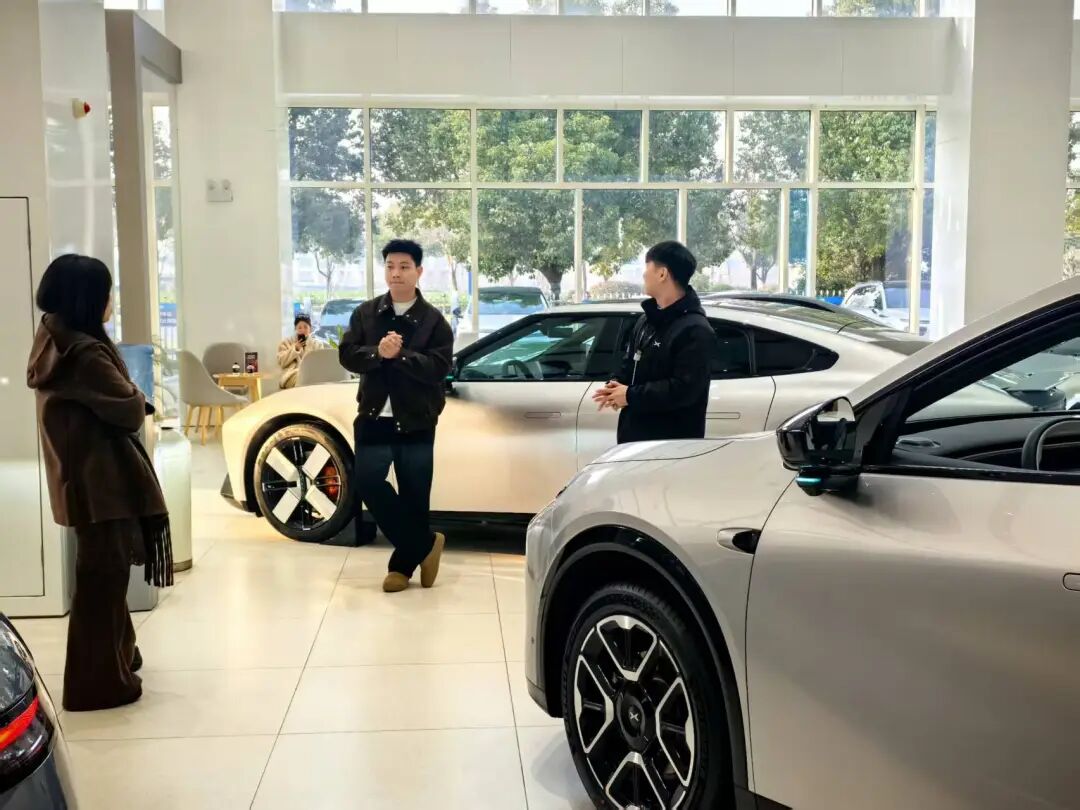
多重补贴发力!马年春节车市新气象
Shang Hai Zheng Quan Bao· 2026-02-19 03:05
Core Insights - The article highlights the growing trend of electric vehicle (EV) purchases in rural and county areas of China, particularly during the 2026 Spring Festival, driven by multiple subsidy policies [1][2][8] - Experts suggest that the automotive market in rural and small cities holds significant consumer potential, which could positively impact the overall automotive market in China [1][8][14] Subsidy Policies and Market Dynamics - The combination of national, local, and manufacturer subsidies has made electric vehicles, particularly those priced around 100,000 to 150,000 yuan, the mainstay of county-level consumption [2][4] - Consumers are increasingly opting for trade-in programs, with a reported 60-70% of new car sales in certain dealerships being made through trade-ins of old vehicles [3][4] Consumer Behavior and Preferences - The primary consumer groups for trade-ins include owners of older fuel vehicles and early adopters of EVs looking to upgrade due to battery degradation [3][4] - The dealership experience has been enhanced with services like vehicle appraisal and transfer assistance, lowering the barriers for consumers to trade in their old cars [4] Market Growth and Projections - The sales of electric vehicles in rural areas are expected to grow significantly, with projections indicating that by 2030, the car ownership rate in rural areas could reach nearly 160 vehicles per 1,000 people, translating to over 70 million vehicles and a market size of approximately 500 billion yuan [12][14] - The number of recommended electric vehicle models has doubled from 61 in 2020 to 124 in 2025, indicating a broadening of the market supply to meet diverse consumer needs [11] Infrastructure Development - As of the end of 2025, China's electric vehicle charging infrastructure is projected to exceed 20 million units, with a significant increase in charging stations in rural areas, rising from less than 5% in 2020 to 13% of public charging stations [11] - The expansion of charging networks is expected to improve the usability of electric vehicles in rural regions, further driving adoption [11]
“60天账期”承诺满两个月 部分上市车企带头“真付快付”
Shang Hai Zheng Quan Bao· 2025-08-13 17:49
Core Viewpoint - The commitment of 17 domestic car manufacturers to pay suppliers within 60 days is being actively implemented, with various companies establishing comprehensive management systems to ensure compliance and enhance cash flow stability for suppliers [1][2][5]. Group 1: Implementation of 60-Day Payment Commitment - 17 key car manufacturers publicly committed to a payment term not exceeding 60 days as part of the revised regulations to support small and medium enterprises [2]. - GAC Group has developed a full-process management system covering order issuance, acceptance, reconciliation, and payment to ensure the commitment is met [2]. - Seres has established a comprehensive execution system with a standard payment term of 60 days for all suppliers, promoting digital management for transparency and traceability [3]. Group 2: Supplier Feedback and Challenges - Suppliers like Fuyao Group report that the 60-day payment term significantly alleviates cash flow pressure and enhances supply chain stability [5]. - However, some suppliers express concerns that actual payment timelines remain extended, with reports of payment cycles still averaging 90 to 120 days due to delays in invoicing and other operational challenges [6]. - Industry experts indicate that achieving the 60-day payment term will require ongoing efforts from all parties involved, as the transition involves significant adjustments in cash flow management and operational processes [6][7]. Group 3: Innovative Models and Collaborations - Seres has introduced the "factory within a factory" model, which integrates supplier production lines into its facilities, reducing logistics costs and enhancing collaboration within the supply chain [3][4]. - The collaboration between CATL and Seres in establishing a CTP battery production line exemplifies the benefits of this innovative model, improving production capacity and delivery speed for electric vehicles [4]. Group 4: Future Outlook - GAC Group aims to evolve its relationship with suppliers from mere transactions to strategic partnerships focused on joint technology development and market advancement [2]. - The automotive industry is undergoing a cultural shift towards more transparent and timely payment practices, but achieving this across the board will be a challenging process requiring collective commitment [6][7].