传统燃油汽车

Search documents
多重补贴发力!马年春节车市新气象
Shang Hai Zheng Quan Bao· 2026-02-19 03:05
Core Insights - The article highlights the growing trend of electric vehicle (EV) purchases in rural and county areas of China, particularly during the 2026 Spring Festival, driven by multiple subsidy policies [1][2][8] - Experts suggest that the automotive market in rural and small cities holds significant consumer potential, which could positively impact the overall automotive market in China [1][8][14] Subsidy Policies and Market Dynamics - The combination of national, local, and manufacturer subsidies has made electric vehicles, particularly those priced around 100,000 to 150,000 yuan, the mainstay of county-level consumption [2][4] - Consumers are increasingly opting for trade-in programs, with a reported 60-70% of new car sales in certain dealerships being made through trade-ins of old vehicles [3][4] Consumer Behavior and Preferences - The primary consumer groups for trade-ins include owners of older fuel vehicles and early adopters of EVs looking to upgrade due to battery degradation [3][4] - The dealership experience has been enhanced with services like vehicle appraisal and transfer assistance, lowering the barriers for consumers to trade in their old cars [4] Market Growth and Projections - The sales of electric vehicles in rural areas are expected to grow significantly, with projections indicating that by 2030, the car ownership rate in rural areas could reach nearly 160 vehicles per 1,000 people, translating to over 70 million vehicles and a market size of approximately 500 billion yuan [12][14] - The number of recommended electric vehicle models has doubled from 61 in 2020 to 124 in 2025, indicating a broadening of the market supply to meet diverse consumer needs [11] Infrastructure Development - As of the end of 2025, China's electric vehicle charging infrastructure is projected to exceed 20 million units, with a significant increase in charging stations in rural areas, rising from less than 5% in 2020 to 13% of public charging stations [11] - The expansion of charging networks is expected to improve the usability of electric vehicles in rural regions, further driving adoption [11]

补能设施、技术路线日趋成熟,北方新能源汽车市场“破冰”
Hua Xia Shi Bao· 2026-02-05 09:33
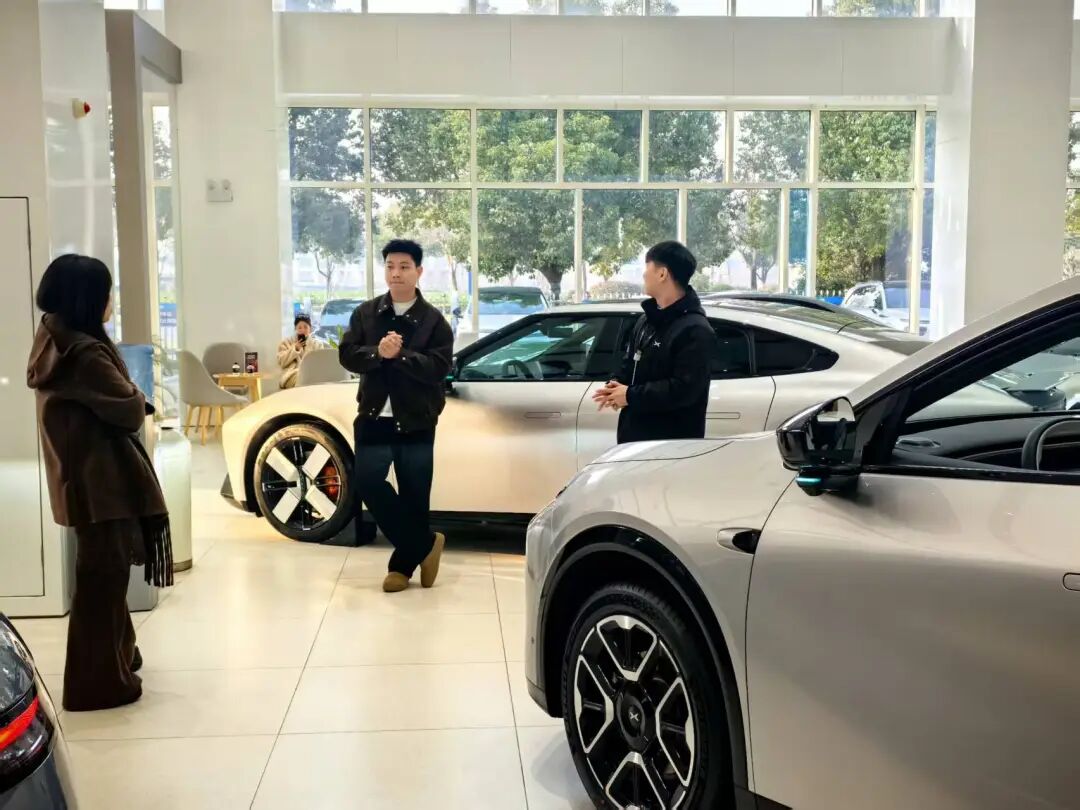
Core Viewpoint - The automotive market in Harbin is undergoing a significant transformation, shifting from traditional fuel vehicles to a diverse range of powertrains, including electric and hybrid models, driven by changing consumer preferences and improved infrastructure [2][3][4]. Group 1: Market Dynamics - The sales of electric vehicles (EVs) in Harbin saw a remarkable year-on-year increase of 110.09% in the first quarter of 2025, while hybrid vehicles accounted for 30.08% of the market, emerging as a vital segment [4]. - Traditional fuel vehicles still maintain a solid market presence, particularly in scenarios requiring long-distance travel and reliability in cold starts, with models like Nissan Sylphy and RAV4 remaining popular [3][4]. - The shift in consumer behavior reflects a growing acceptance of various vehicle types, with families opting for different powertrains based on convenience, cost, and practicality [3][4]. Group 2: Infrastructure Development - The charging infrastructure in Harbin has rapidly evolved, with 250 charging stations established across highway service areas, ensuring comprehensive coverage for long-distance travel [6]. - Urban charging networks are expanding, with charging facilities integrated into public transport hubs and the creation of additional parking spaces equipped with charging stations [6][7]. - The transition to electric vehicles is supported by advancements in technology, such as range-extending solutions that address winter performance concerns, enhancing consumer confidence [6][7]. Group 3: Consumer Preferences - Consumers are increasingly making rational choices based on their specific driving needs, with compact and cost-effective models like the Wuling Hongguang MINI EV gaining popularity for urban commuting [3][4]. - The high-end market is witnessing a blend of traditional luxury fuel vehicles and new energy brands, indicating a diversification in consumer preferences and a shift towards a more nuanced understanding of vehicle value [5][7]. - The market is moving towards a "power equality" movement, where no single technology dominates, and consumers select vehicles based on their unique requirements and cost considerations [5][7]. Group 4: Systemic Changes - The transformation in Harbin's automotive market represents a shift from policy-driven growth to a more resilient system driven by suitable technology, available infrastructure, and trustworthy brand services [7]. - The integration of digital experiences and standardized services in new energy vehicle showrooms is lowering barriers for consumers, facilitating quicker acceptance of innovative technologies [7]. - The collective effort of policies, market dynamics, technology, and consumer trust is reshaping the narrative around electric vehicles in traditionally challenging markets like Harbin [7].

新能源车取代燃油车还要几年?
3 6 Ke· 2025-12-22 23:11
Core Viewpoint - The transition from fuel vehicles to electric vehicles (EVs) is a complex, non-linear process influenced by individual choices, commercial decisions, and infrastructure development rather than a fixed timeline [1][7][15]. Group 1: Transition Dynamics - The shift to EVs is akin to replacing a city's water supply system, where the challenge lies in maintaining service while upgrading infrastructure [2]. - The transition involves a massive capital migration and industrial restructuring, with trillions of dollars, technology, and talent moving from traditional sectors to new ones [5][6]. - The complete replacement of fuel vehicles will not occur suddenly but will reach an economic equilibrium point where most consumers choose EVs based on lower total ownership costs and comparable convenience [8][9]. Group 2: Market Penetration and Challenges - The current market dynamics show that new vehicle sales transitioning to electric is just the beginning, as the existing fleet of over 1.3 billion fuel vehicles will take years to retire naturally [11][12]. - The adoption curve for EVs follows an S-curve, with initial slow growth, rapid acceleration after reaching a critical mass, and eventual slowing as market saturation approaches [12][15]. - The last segment of the market, which is the most resistant to change, includes price-sensitive consumers and areas with inadequate charging infrastructure [13][15]. Group 3: Economic Factors - The key to EV adoption lies in the system cost threshold, where the total cost of ownership for EVs must be lower than that of fuel vehicles [17][18]. - A robust and accessible charging network is essential for consumer confidence in EVs, creating a "chicken or egg" dilemma between EV adoption and charging infrastructure development [19][20]. - The electricity system's capacity to handle increased demand from EV charging is crucial, as significant upgrades will be needed to avoid rising electricity costs that could undermine the economic advantages of EVs [22][23]. Group 4: Policy and Market Forces - Government policies and incentives have played a significant role in the initial adoption of EVs, but these will eventually phase out, leading to a market where EVs must compete on their own merits [24][26]. - The market's critical point will occur when subsidies are removed, and EVs must demonstrate their economic viability without external support [27][28]. - The transition will be marked by a shift from policy-driven growth to cost-driven adoption, particularly around the 2030s when battery costs are expected to reach parity with traditional vehicles [30][31]. Group 5: Long-Term Outlook - The process of replacing fuel vehicles will be gradual, with significant challenges remaining in specific sectors and regions where EVs are less practical [35][36]. - The focus will shift from merely replacing vehicles to ensuring the sustainability of the entire electric transportation system [33][34]. - The timeline for complete transition varies globally, with urban households potentially seeing fuel vehicles phased out by 2035-2040, while a full global transition may take decades [36].
乘联分会:11月新能源乘用车市场零售132.1万辆 同比增长4.2%
Zheng Quan Shi Bao Wang· 2025-12-08 08:09
Core Insights - The retail sales of new energy passenger vehicles in November reached 1.321 million units, representing a year-on-year increase of 4.2% and a month-on-month increase of 3.0% [1] - Cumulatively, from January to November, the retail sales of new energy passenger vehicles totaled 11.472 million units, reflecting a growth of 19.6% [1] - In contrast, the retail sales of conventional fuel passenger vehicles in November were 900,000 units, showing a year-on-year decline of 22% and a month-on-month decline of 7% [1] - For the period from January to November, the cumulative retail sales of conventional fuel passenger vehicles amounted to 10.01 million units, indicating a decrease of 6% [1]
增程车遭遇双面夹击:不仅纯电车卖得好,燃油车也“复苏”了
3 6 Ke· 2025-12-02 10:28
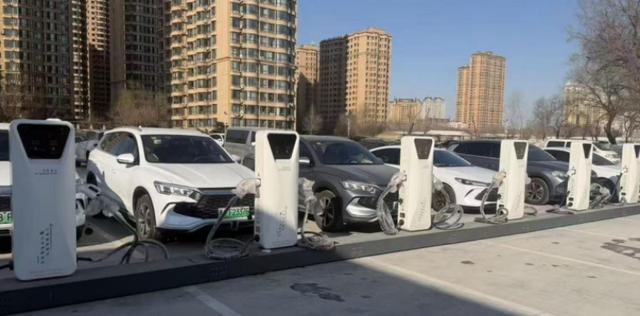
Core Insights - NIO and Li Auto's Q3 financial reports reflect a structural adjustment in the domestic electric vehicle market, indicating a significant decline in consumer interest for small battery range-extended vehicles [1] - In October, Li Auto delivered 31,767 vehicles, while NIO surpassed 40,000 deliveries for the first time this year, with expectations to maintain this momentum in Q4 [1] - The end of tax exemptions for electric vehicles starting in 2026 is expected to accelerate market reshuffling, influenced by policy changes and shifting consumer demand [1] Group 1: Electric Vehicle Market Trends - The majority of new models launched this year are hybrid, with notable exceptions like NIO's ET9 being fully electric [3] - The trend towards larger battery capacities in hybrid models is evident, with some achieving pure electric ranges exceeding 500 km [3] - The sales of range-extended and plug-in hybrid vehicles have been declining, with a 12% drop in sales year-on-year for range-extended vehicles [9] Group 2: Charging Infrastructure Development - By the end of 2024, charging infrastructure in China is expected to achieve county-level coverage across all provinces, with significant growth in the number of charging stations [5] - As of October, the number of charging facilities reached 18.645 million, with a 49.1% year-on-year increase [5] - Companies like Xpeng and NIO are actively expanding their charging networks to enhance accessibility [5][7] Group 3: Performance of Electric Vehicle Manufacturers - Xpeng's sales grew by 190% in the first three quarters, while NIO and Zeekr also reported significant increases [7] - In contrast, Li Auto's sales decreased by approximately 13% year-on-year, with a notable drop of over 30% in monthly deliveries from October to November [7][9] - Li Auto plans to upgrade its L series to enhance battery capacity and pure electric range, responding to user preferences for electric driving [9][10] Group 4: Traditional Fuel Vehicle Market Dynamics - Traditional fuel vehicle sales have seen a temporary resurgence, with a 1.7% increase in sales year-to-date compared to the previous year [11] - Despite this growth, the market share of traditional fuel vehicles is declining, with projections indicating a drop to 49.9% in the first nine months of this year [11] - The long-term outlook suggests that electric vehicles will continue to replace traditional fuel vehicles, particularly in the high-end market segment [11][13]


股东博弈,岚图上市后能走多远?
Sou Hu Cai Jing· 2025-09-01 06:10
Core Viewpoint - Dongfeng Group's stock performance has been declining due to the transformation of the automotive industry and intensified market competition, leading to a significant loss of its financing capability as its market value remains below net asset levels [2][3] Summary by Sections Company Performance - As of July 31, 2025, Dongfeng Group's closing price was HKD 4.74 per share, with a price-to-book ratio of only 0.24 times, indicating a long-term market value below net assets [2] - In contrast, the new energy vehicle sector is viewed positively by the capital market, with companies like BAIC Blue Valley having a price-to-book ratio of 9.28 times [2] Privatization Plan - Dongfeng Group plans to delist by distributing its shares in Lantu Automotive to shareholders and merging with Dongfeng Group [2][3] - Shareholders will receive 0.3552608 shares of Lantu Automotive per Dongfeng share, valued at approximately HKD 4.17 per share, along with a cash compensation of HKD 6.68 per share for the canceled H shares [3][6] Shareholder Concerns - Despite the privatization price of HKD 10.85 being approximately 82% higher than the market price on August 8, some minority shareholders believe this does not adequately reflect the value of the new energy business [6][7] - The theoretical total value of the privatization is about 45% lower than the company's book value per share of HKD 19.73, leading to dissatisfaction among shareholders [6] Market Competition and Future Outlook - Lantu Automotive's future as an independent entity post-listing is uncertain, particularly due to its historically narrow product range and lack of mainstream models [3][7] - Lantu's CEO claims strong market positioning in the MPV segment, with the Lantu Dreamer achieving significant sales, but other models like the Lantu FREE have underperformed [7][9] - The Lantu FREE, positioned in the high-end SUV market, has seen sales of only 10,158 units in the first half of 2025, significantly trailing competitors like the Li Auto L6 [10][11] Product Strategy - Lantu has launched four models, with the Lantu Dreamer accounting for 66% of total sales, while other models have not met expectations [9] - The competitive landscape for the Lantu FREE is challenging, with established players like Tesla and Li Auto dominating the market [11][12] - The MPV market is becoming increasingly competitive, with new entrants and a decline in market share for MPVs overall [12][13]
武汉推动新兴产业保持年均20%以上增速
Chang Jiang Ri Bao· 2025-04-30 07:04
Core Viewpoint - Wuhan is accelerating its transformation and upgrading to establish a modern industrial system characterized by its unique advantages, focusing on advanced manufacturing as the backbone and aiming to develop a competitive industrial cluster aligned with the "51020" strategy [1][4]. Group 1: Industrial Upgrading and Development - Wuhan is focusing on upgrading traditional industries, particularly in steel and traditional fuel vehicles, while implementing capacity reduction [4]. - The petrochemical industry is undergoing a transformation with a focus on reducing oil, increasing chemical production, and enhancing quality through major technological upgrades and equipment renewal [4]. - The city is emphasizing the development of high-value-added sectors such as chips, smart connected vehicles, biomedicine, and industrial mother machines, aiming for an annual growth rate of over 10% in these advantageous industries [4]. Group 2: Emerging Industries and Innovation - Wuhan is seizing opportunities in emerging sectors like software, artificial intelligence, commercial aerospace, and robotics, with a target of maintaining an annual growth rate of over 20% in these new industries [4]. - The city is implementing a "seedling project" to cultivate enterprises across different growth stages, focusing on seven new sectors, thereby forming leading companies that can compete globally [4]. Group 3: Resource and Ecosystem Support - Wuhan is enhancing resource support by focusing on capital empowerment, aiming to attract national-level industrial funds and establishing long-term connections with local investment platforms [5]. - The city is also strengthening scenario empowerment by building innovation laboratories and enhancing the application of artificial intelligence in various scenarios [5]. - Talent support is being prioritized through a mechanism that focuses on the needs of enterprises for selecting, utilizing, and nurturing talent [5].