限定奶茶

Search documents
共建“爱你老己”背后的消费“新赛道”
Xin Lang Cai Jing· 2026-02-08 08:12
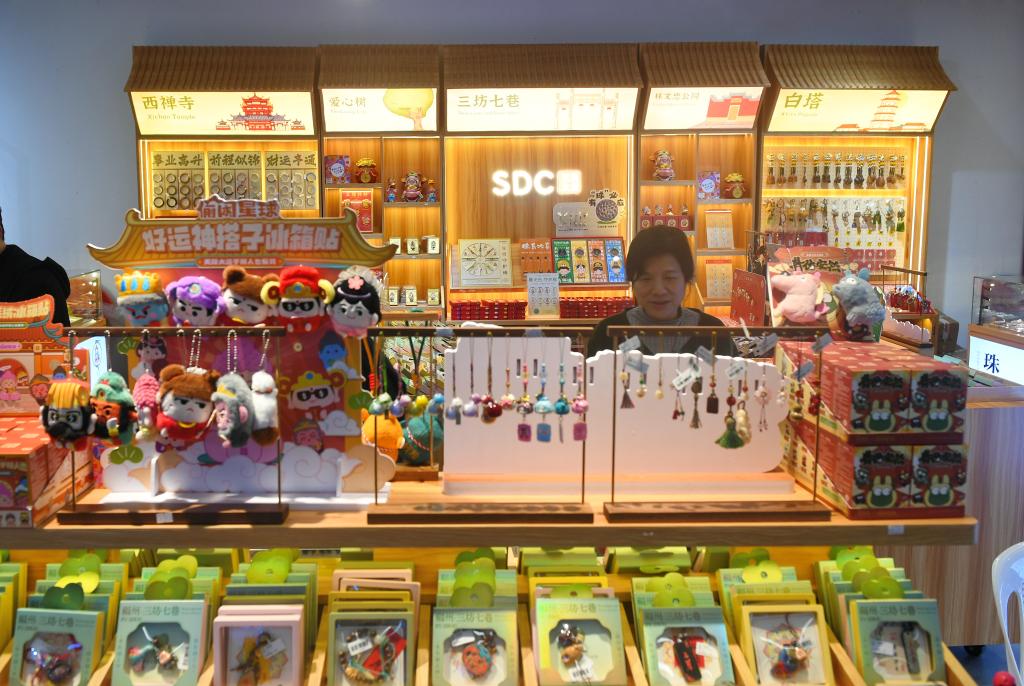
Group 1 - The core concept of emotional consumption is becoming a significant driver of consumption upgrades in China, with the market expected to exceed 4.5 trillion yuan by 2029 [1] - The phrase "I love you, old self" has emerged as a new expression of self-care among young people, reflecting a shift in consumer behavior towards emotional value and diverse consumption experiences [2] - Emotional consumption is integrating into daily life, as evidenced by various activities such as pet interactions, traditional Chinese medicine consultations, and DIY crafts, indicating a growing trend of consumers willing to pay for emotional value [2] Group 2 - The transformation in consumer demand is prompting suppliers to create emotional resonance, leading to the rise of new brands and business models in the emotional consumption space [2] - Technological advancements, such as AR makeup trials and VR travel experiences, are expanding the scenarios for emotional consumption, contributing to economic development and labor market transformation [2] - Challenges such as impulsive buying, pricing confusion, and lack of service standards are emerging, necessitating stronger policy guidance and regulation to foster a healthy emotional consumption market [3] Group 3 - There is a need for companies to integrate practicality and emotional experiences into product design, fostering emotional connections through cultural narratives to sustain the emotional consumption trend [3] - Collaborative efforts are required to align with national strategies for consumption upgrades, ensuring a two-way interaction between demand and supply to maintain the vitality of emotional consumption [3]
让“爱你老己”消费风 吹拂得更健康
Xin Lang Cai Jing· 2026-02-02 23:52
Core Insights - The rise of "self-care" consumption among young people reflects a shift from material satisfaction to emotional experiences, becoming a significant driver of consumption upgrades [1][5] - The emotional economy in China is projected to reach 2.3 trillion yuan in 2024 and is expected to exceed 4.5 trillion yuan by 2029, indicating a growing trend in emotional value spending among young consumers [2][6] Group 1: Trends in Self-Care Consumption - Young people's self-care consumption has evolved beyond traditional shopping, focusing on emotional value and diverse experiences, which enhances interaction with businesses and promotes social integration [1][5] - This consumption trend is not about luxury but is within personal financial limits, serving as a motivational force for positivity and productivity [5] - The need for emotional outlets among young people, due to heavy family burdens and workplace pressures, drives the popularity of self-care consumption [5] Group 2: Market Dynamics and Challenges - The emotional consumption trend is no longer niche, attracting a broader audience across various sectors [2][6] - Complaints related to emotional consumption have become a significant issue, with concerns over poor product quality, misleading marketing, and difficulties in refunds [2][6] - Instances of price inflation in second-hand markets and misleading emotional wellness courses highlight the potential pitfalls of the self-care consumption trend [2][6] Group 3: Recommendations for Sustainable Growth - Young consumers should enhance their awareness and discernment regarding rational consumption [3][7] - Regulatory bodies should strengthen policies to combat misleading marketing practices and protect consumer rights [3][7] - Companies should integrate practicality and emotional experiences into product design to meet the evolving needs of young consumers [3][7]
从“必需”到“悦己”:中国兴起“犒赏”消费新势力
Xin Hua Wang· 2026-01-19 04:10
Group 1 - The concept of "reward economy" is emerging in China, where consumers purchase non-essential items or experiences to gain immediate pleasure and self-affirmation in response to work and life pressures [2][3] - The rise of the "reward economy" reflects a shift in consumer values from functional utility to emotional value, indicating a transition from "buying useful" to "buying happiness" [3][5] - Experience-based rewards, such as DIY workshops and themed exhibitions, are becoming a significant trend in consumer behavior, particularly among younger demographics [5][7] Group 2 - The "reward economy" is indicative of the continuous release of China's consumption potential, with experiential rewards gaining popularity in various shopping districts [5][7] - The潮玩 (trendy toy) market is a major driver of the "reward economy," with predictions indicating that the market size will reach 110.1 billion yuan by 2026 [7] - Companies are increasingly focusing on emotional consumption needs, transforming products and services to be more personalized, IP-driven, and experiential, thereby enhancing consumer engagement [7]