非遗铸铁锅

Search documents
财经聚焦|“双十一”购物车,透出国潮消费新趋势
Sou Hu Cai Jing· 2025-11-13 03:02
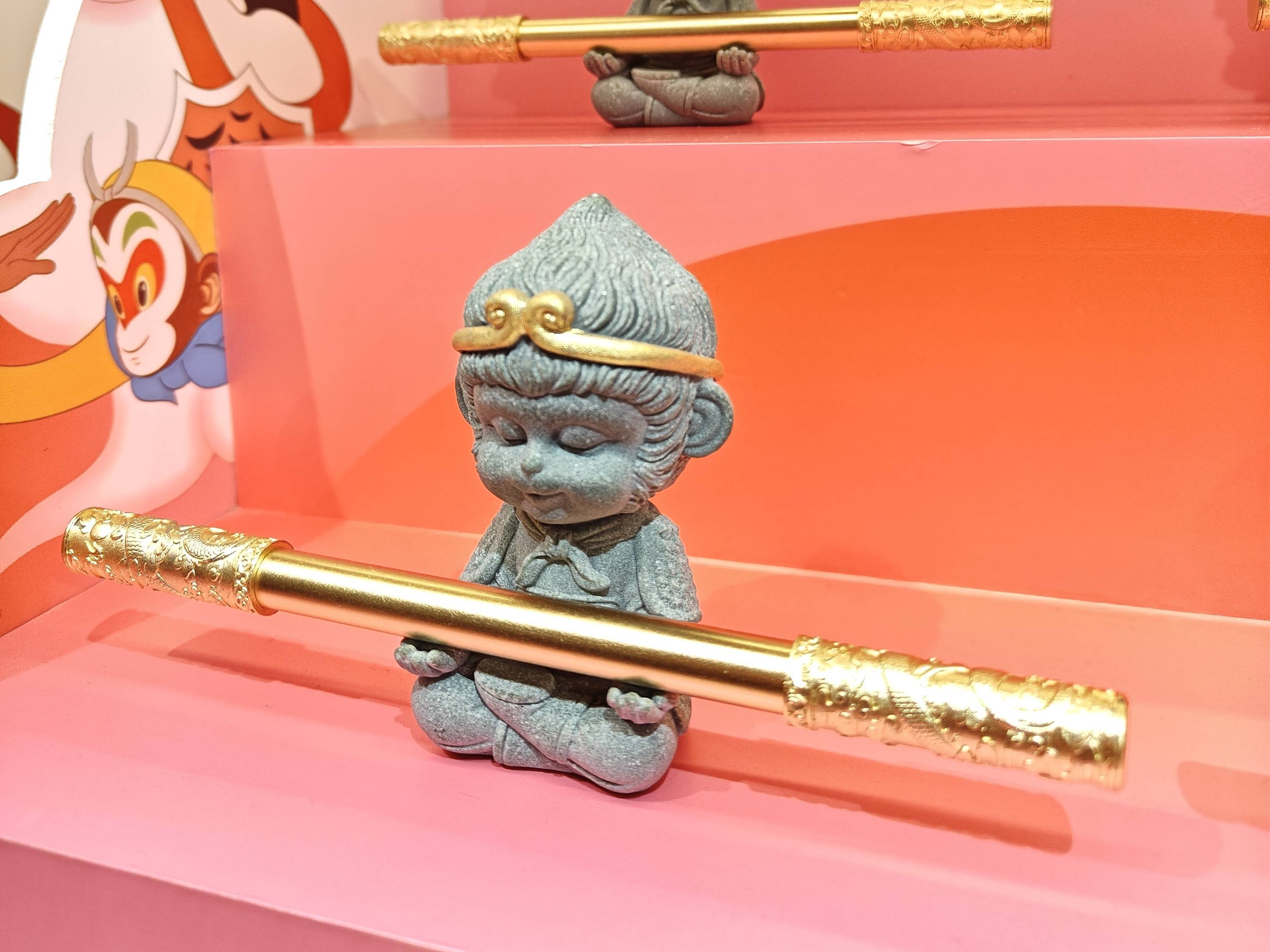
Core Insights - The "Double Eleven" shopping festival showcases the rising trend of domestic brands, with significant sales growth in national潮 products across various categories [1][2][5] Group 1: National潮 Consumption Trends - Domestic brands dominate the sales rankings on platforms like Tmall and JD, with brands like Proya and Bosideng leading the way [1] - The sales of traditional craftsmanship products, such as the non-heritage cast iron pots, have seen a remarkable increase, with a 127.9% year-on-year growth on Douyin [1] - Consumers are increasingly favoring domestic products, reflecting a shift towards quality and cultural significance in their purchasing decisions [1][5] Group 2: Cultural and Market Dynamics - The integration of traditional craftsmanship with modern design is driving the popularity of national潮 products, as seen in the success of items like the "Wukong Ruyi Golden Cudgel Pen" [2][9] - Cultural confidence and identity are key drivers behind the national潮 trend, influencing consumer behavior and preferences [8][10] - The emergence of new consumption scenarios, such as visiting cultural heritage sites and experiencing traditional clothing, is becoming popular among younger consumers [8][12] Group 3: Industry Innovations and Challenges - The national潮 movement is characterized by a blend of cultural heritage and modern innovation, with a focus on high-quality craftsmanship and cultural meaning [9][10] - The industry is witnessing a transformation, with traditional brands revitalizing and new brands emerging, supported by policies aimed at enhancing cultural industry development [11][12] - Challenges such as product homogenization and lack of innovation need to be addressed through improved intellectual property protection and industry standards [13]

“双十一”购物车,透出国潮消费新趋势
Xin Hua Wang· 2025-11-12 23:26
Core Insights - The "Double Eleven" shopping festival serves as a significant window to observe new consumer trends, particularly highlighting the rise of domestic brands and cultural products in the e-commerce space [1][2]. Group 1: Domestic Brand Performance - On Tmall, the beauty brand Proya ranked first in sales, with domestic brands occupying 9 out of the top 10 spots in clothing sales, showcasing strong performance from brands like Bosideng and Xuezhongfei [2]. - On JD.com, the original Chinese brand Sanjihei's sales increased by over 10 times, while the Hanfu brand Chixia saw a 300% year-on-year growth in sales during the festival [2]. Group 2: Cultural and Traditional Products - The sales of cast iron pots that incorporate intangible cultural heritage techniques grew by 127.9% on Douyin, indicating a strong consumer interest in traditional craftsmanship [2]. - Tmall reported that the traditional gold shop's sales reached 2.9 billion yuan, with products like diamond butterfly chains and Vajra pestle rings becoming bestsellers [2]. Group 3: Consumer Preferences and Trends - Consumers are increasingly valuing craftsmanship, materials, and cultural significance, with domestic products becoming a preferred choice for quality [4]. - The rise of cultural confidence and identity among consumers is driving the popularity of domestic products, which blend traditional culture with modern design [5][8]. Group 4: Industry Innovation and Cross-Industry Integration - The growth of domestic consumption is supported by industry innovation and cross-industry collaboration, with cultural industries increasingly integrating with technology and ecology [9]. - The digital strategy for cultural industries is guiding traditional cultural innovation, leading to a more mature consumer understanding of domestic products [8]. Group 5: Global Expansion and Cultural Exchange - The continuous rise of domestic consumption is also linked to the development of new cultural formats, with significant exports of holiday goods and toys exceeding 50 billion yuan to over 200 countries [9]. - Domestic cultural products are not only being exported but also serving as vehicles for cultural exchange and identity construction on a global scale [9]. Group 6: Challenges and Recommendations - Despite the growth, challenges such as product homogeneity and lack of innovation persist, necessitating a robust industry and policy ecosystem to support sustainable development [10]. - Experts suggest enhancing intellectual property protection and establishing industry standards to promote healthy and orderly growth in the domestic market [10].


财经聚焦丨“双十一”购物车,透出国潮消费新趋势
Xin Hua Wang· 2025-11-12 13:38
Core Insights - The "Double Eleven" shopping festival serves as a significant indicator of new consumer trends, particularly highlighting the rise of domestic brands and cultural confidence in China [1][2]. Group 1: Domestic Brand Performance - On Tmall, the beauty brand Proya ranked first in sales, with domestic brands occupying 9 out of the top 10 spots in clothing sales, including notable brands like Bosideng and Xuezhongfei [2]. - On JD.com, the original domestic brand Sanji Black Flower saw its transaction volume increase by over 10 times, while the Hanfu brand Chixia experienced a 300% increase in sales [2]. Group 2: Consumer Preferences and Trends - Consumers are increasingly favoring domestic brands, with comments highlighting quality and craftsmanship, indicating a shift towards "quality first" in purchasing decisions [3]. - Products that integrate traditional craftsmanship, such as the non-coated cast iron pots, saw a 127.9% increase in sales on Douyin during the festival [3]. Group 3: Cultural and Market Dynamics - The rise of domestic consumption is driven by cultural recognition and confidence, with products reflecting both traditional culture and modern design becoming popular [8][9]. - The integration of traditional cultural elements with modern industrial design is reshaping consumer preferences, leading to a willingness to pay for products that combine craftsmanship, culture, and practicality [9]. Group 4: Industry Innovations and Challenges - The cultural industry is undergoing a digital transformation, enhancing the innovation of traditional culture and creating a dual cycle of cultural empowerment and product dissemination [9][11]. - Despite the growth, challenges such as product homogenization and lack of innovation remain, necessitating a robust ecosystem for industry and policy development to support sustainable growth [12].