
飞梯机器人

Search documents
春节“不打烊”年货包裹奔赴千家万户 “机器集群+AI”精准配货省时效
Yang Shi Wang· 2026-02-19 06:28
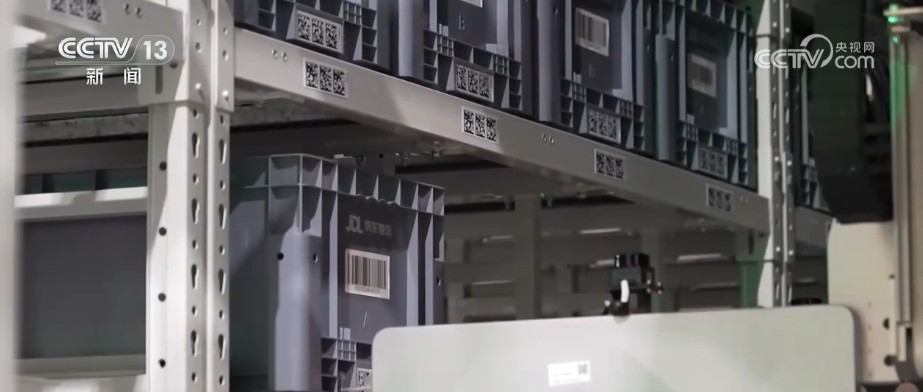
Core Insights - The logistics hub "Asia No. 1" in North China is operating normally during the Spring Festival holiday, ensuring efficient delivery of goods through advanced technology [1][3] - Daily peak outbound orders can reach 12,000 during this period, showcasing the hub's capacity to handle high demand [3] Group 1: Space Efficiency - The warehouse features 12-meter high shelves stacked with thousands of cargo boxes, maximizing storage capacity and facilitating efficient outbound logistics [4] - The high-density layout of the shelves is designed to optimize space utilization, laying the groundwork for effective order fulfillment [4] Group 2: Machine Efficiency - The logistics process is enhanced by the use of flying robots and ground transport robots, which double the efficiency of goods transfer [5][7] - A total of 87 ground transport robots operate efficiently, demonstrating a well-organized system that maintains order while maximizing speed [7] Group 3: AI Efficiency - The introduction of the "AI New Year Goods Map" allows for precise forecasting of regional preferences, enabling smarter inventory distribution [8][10] - AI technology aids in predicting consumer preferences, such as the popularity of health-related products in Guangdong and pet food in Sichuan and Tibet, thus optimizing stock levels [10][11] - The logistics strategy includes proactive inventory management, allowing for flexible adjustments between warehouses and ensuring timely delivery even before orders are placed [13]

京东押注、顺丰菜鸟抖音入局,快递成AI机器人“黄金试验场”?
Xin Lang Cai Jing· 2026-01-14 05:40
Core Insights - The logistics and express delivery industry is increasingly focusing on automation and AI robotics, with major players like SF Express and JD Logistics leading the charge in technological transformation [1][3][12] Group 1: Industry Trends - The logistics industry is recognized as a "golden testing ground" for AI robotics due to its physical and standardized nature, allowing for clear execution interfaces and evaluation standards [9][10] - The global AI logistics robot market is projected to grow significantly, with the market size expected to reach 118.3 billion yuan in 2024 and 344.1 billion yuan by 2030, reflecting a compound annual growth rate of 19.5% [12] - The Chinese market is anticipated to perform even better, with a projected size of 44 billion yuan in 2024 and 133.9 billion yuan by 2030, at a growth rate of 20.4% [12] Group 2: Company Strategies - JD Logistics is leading with an aggressive strategy of "full-chain self-research + ecological investment," planning to purchase 3 million robots over the next five years to enhance its supply chain [4][5] - SF Express is focusing on "AI large models + green intelligence," establishing a dedicated technology company for AI and robotics [4][5] - Alibaba's Cainiao is leveraging "cloud computing + AI" to enhance its robotic ecosystem and international expansion, with plans to release new logistics technologies by 2025 [6][7] Group 3: Competitive Landscape - Major players like ByteDance are entering the logistics space, developing their own logistics robots and investing in core components to strengthen their market position [7] - Other companies such as ZTO, YTO, and Yunda are taking on the role of "application followers," focusing on practical implementations rather than upstream investments [7] Group 4: Economic Considerations - The logistics industry faces rising labor costs, making cost reduction through technology upgrades a critical need, where even a 0.1 yuan decrease in cost per package can lead to significant profit margins [10][11] - AI robots have already demonstrated their value in reducing labor needs and increasing efficiency, with JD's robots reportedly reducing workforce requirements by 58% and improving picking efficiency by 270% [11] Group 5: Future Developments - The industry is exploring new business models such as "Robots as a Service" (RaaS) to alleviate long-term investment pressures and adapt to fluctuating demand [17] - Future trends indicate a shift from "replacing human labor" to "human-robot collaboration," and from being a "cost center" to a "value center" that leverages data for supply chain optimization [17]



2026年我国将加快建设高效智慧寄递网络
Yang Shi Wang· 2026-01-12 12:23
Group 1 - The core viewpoint is that the integration of technology is transforming China's postal and express delivery industry, creating an efficient and intelligent delivery network that supports a massive market circulation system by 2026 [1][6] Group 2 - The winter fishing event at Jilin Chagan Lake showcased the use of delivery drones for the first time, facilitating the rapid distribution of fresh fish across the country [1] - The express delivery industry's rapid turnover exemplifies the new productive forces, with smart warehouses utilizing robots and AI systems for efficient sorting and delivery [3] Group 3 - China's intelligent logistics network is continuously upgraded and operates efficiently, with over 1,300 automated sorting centers and thousands of delivery drones and vehicles in operation [4] - The volume of express delivery in China has maintained the world's highest position for 12 consecutive years, with over 6,000 packages being delivered every second [4] Group 4 - According to the State Post Bureau, the volume of postal delivery services in China is expected to reach 230 billion items by 2026, reflecting a year-on-year growth of approximately 6% [6]

再破纪录!中国快递年业务量首超1800亿件
Huan Qiu Wang· 2025-12-02 03:45
Core Insights - The Chinese express delivery industry has achieved a historic milestone, with annual business volume surpassing 180 billion packages as of November 30, 2023, reflecting the robust vitality of the Chinese consumer market and the resilience of the logistics industry [1][4] Industry Growth - The express delivery business volume has grown from 9.2 billion packages in 2013 to over 1.8 billion packages in 2023, marking a significant transformation in industry development quality [1][2] - The industry experienced a brief slowdown in 2022 but rebounded strongly in 2023, completing 1,320.7 million packages [1][2] Technological Innovation - The process of delivering the 1.8 billionth package showcased the high level of automation in the industry, with significant advancements in technology integration across various stages of delivery [2] - Innovations include the use of robots in warehousing, AI models in sorting, and drones and autonomous vehicles in last-mile delivery, all contributing to enhanced efficiency and reduced costs [2] Economic Support - The growth of the express delivery industry is supported by favorable macroeconomic policies and the ongoing development of a unified national market, which has stimulated demand and production [4] - The industry has become a crucial driver for consumption, domestic demand expansion, and economic stability [4] Profit Recovery - The express delivery industry is transitioning from a "price war" phase to a "value competition" phase, with profit margins recovering as companies focus on service quality [4][5] - In the first three quarters of 2023, six out of seven listed express delivery companies reported year-on-year revenue growth, with notable increases in net profit for major players like SF Express and Shentong Express [4] Market Dynamics - Research indicates that the industry is effectively curbing harmful competition, with improvements in per-package revenue across various companies [5] - The focus is shifting towards enhancing service quality rather than solely competing on price, indicating a more sustainable competitive landscape [5]


我国快递年业务量首破1800亿件
Xin Hua She· 2025-12-02 03:15
Group 1 - The core point of the article is that China's express delivery business volume has surpassed 180 billion packages for the first time, reflecting the robust vitality of the Chinese economy [1] - As of November 30, 2025, the annual express delivery volume in China is projected to exceed 180 billion packages, with an average monthly volume of over 16 billion packages and a single-day peak of 777 million packages [1] - The delivery of the 180 billionth package was achieved through a highly automated process, showcasing advancements in technology within the logistics sector [1] Group 2 - The State Post Bureau indicated that the scale economic effect of the postal and express delivery sector has significantly increased, becoming a crucial support for promoting consumption, expanding domestic demand, and stabilizing growth [2] - The postal and express delivery industry has adapted to new business models and increased investment in technology research and development, enhancing innovation capabilities and application levels [2] - Automation technologies such as robots and AI models are being implemented across various logistics stages, significantly improving efficiency and reducing costs in warehousing, sorting, transportation, and delivery [2]
1-10月我国快递业务量平均每秒超6200件 月均超160亿件
Xin Hua Cai Jing· 2025-12-01 08:03
Core Insights - The express delivery industry in China is projected to surpass 180 billion packages annually by November 30, 2025, reflecting robust economic growth [1] - The milestone package, the 180 billionth, was a smart learning device purchased online, showcasing advancements in automation and delivery efficiency [1] Group 1: Industry Growth and Innovation - The express delivery sector is experiencing significant growth, with an average monthly volume exceeding 16 billion packages and a peak daily volume of 777 million packages, translating to over 6,200 packages per second [1] - The integration of technology in logistics has led to a high degree of automation, including the use of robots and AI in warehousing, sorting, and delivery processes, significantly enhancing operational efficiency [1] - The application of AI visual models in sorting centers has improved response times and reduced errors, while dynamic routing optimization has streamlined transportation methods [1] Group 2: Regional Development and Service Quality - The economic effects of the express delivery sector are expanding, with the central and western regions of China seeing increases in both revenue and volume share, indicating improved regional coordination [2] - In the first ten months of the year, the delivery service quality has improved, with key areas reporting higher on-time delivery rates and increased customer satisfaction [2]
年入1800亿,刘强东爆改京东物流
Sou Hu Cai Jing· 2025-10-15 11:12
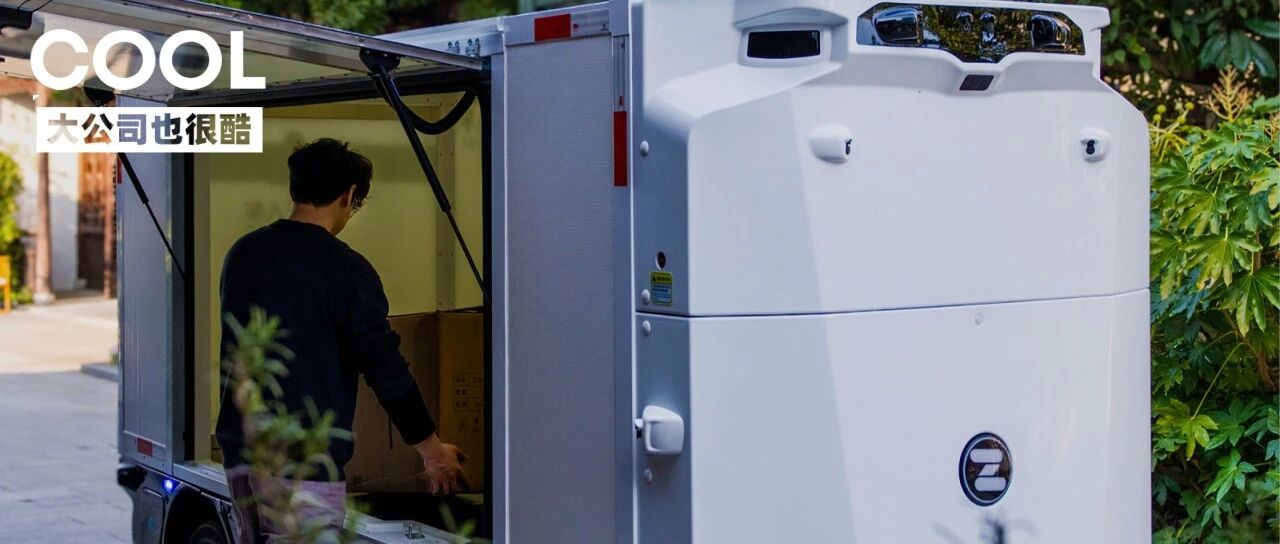
Core Insights - JD Logistics is significantly investing in logistics technology, with over 10 billion yuan in R&D over the past three years, surpassing competitors like SF Express [2][17] - The company has launched autonomous delivery vehicles, including a self-driving light truck and the sixth generation of smart delivery vehicles, aimed at improving logistics efficiency [4][6] - JD Logistics is expanding its service offerings to external clients, with external customer revenue increasing from 56% in 2021 to 70% in 2024 [19] Investment and Financial Performance - JD Logistics has a market value of over 80 billion HKD (approximately 75 billion yuan) and is projected to generate 182.8 billion yuan in revenue in 2024, with a net profit of 7 billion yuan [3][19] - The company's gross margin has improved from 5% in 2021 to 10% in 2024, approaching SF Express's 13% margin [19] Technological Advancements - The newly developed autonomous light truck features L4-level autonomous driving capabilities and can operate continuously, significantly reducing labor and time costs [4][6] - JD Logistics has introduced various automated products for warehouse storage, including handling robots and AI models for logistics optimization [2][13] Strategic Developments - The company has undergone several leadership changes, with a focus on enhancing its logistics technology capabilities [11][12] - JD Logistics has expanded its business through acquisitions, including a 9 billion yuan purchase of a leading large-item logistics company and a 2.7 billion yuan acquisition of Dada Group's instant delivery business [12][19] Market Position and Competitive Edge - JD Logistics operates over 1,600 warehouses and manages more than 5 million product types, achieving a stock turnover time of approximately 30 days, which is more efficient than competitors like Amazon [17] - The company is developing a brand matrix for its logistics automation products, referred to as the "Wolf Pack" series, to enhance its market presence [15]

年入1800亿,刘强东爆改京东物流
创业邦· 2025-10-15 11:00
Core Viewpoint - The article emphasizes the significant investment and technological advancements made by JD Logistics to enhance efficiency and reduce costs in logistics operations, positioning itself as a leader in the logistics technology sector [2][4][23]. Investment in Technology - JD Logistics has invested over 10 billion yuan in logistics technology research and development over the past three years, surpassing competitors like SF Express, which invested around 7 billion yuan [3][23]. - The company has introduced self-developed unmanned light trucks and the sixth generation of intelligent delivery vehicles, aimed at improving logistics efficiency [3][4][6][8]. Product Development - The unmanned light truck features L4 autonomous driving capabilities and can operate 24/7, significantly increasing transport capacity and reducing labor costs [6][8]. - JD Logistics has also developed various automated products for warehouse storage, including handling robots and AI models for logistics optimization [3][18][21]. Financial Performance - JD Logistics is valued at over 80 billion HKD (approximately 75 billion yuan) and is projected to generate 182.8 billion yuan in revenue with a net profit of 7 billion yuan in 2024 [4][25]. - The company's gross margin has improved from 5% in 2021 to 10% in 2024, approaching SF Express's gross margin of 13% [25]. Market Position and Strategy - JD Logistics has increased its external customer revenue share from 56% in 2021 to 70% in 2024, indicating a shift towards providing end-to-end logistics solutions beyond its parent company [25]. - The company operates over 1,600 warehouses and manages more than 5 million product types, showcasing its extensive logistics capabilities [23][25].
外卖(WAIMAI)大战尴尬收场,但巨头们仍在“窘境”中竞争AI
3 6 Ke· 2025-08-01 12:01
Core Insights - The intense competition among major food delivery platforms, including Meituan, Taobao, and JD, has led to a consensus to resist malicious competition and focus on collaborative growth [1] - Despite the end of the food delivery war, competition in AI development continues, with significant investments in embodied intelligence [1][2] - JD has made substantial investments in three embodied intelligence robotics companies, totaling over 1.6 billion yuan, to enhance its logistics capabilities [1][6] Investment Strategies - JD's investment strategy focuses on logistics and industrial applications, targeting mature technologies that can be quickly integrated into its operations [14] - Meituan has adopted an aggressive investment approach, investing over 1 billion yuan in eight embodied intelligence companies since 2024, aiming to embed automation in local life services [15] - Alibaba is concentrating on developing its AI capabilities through investments in robotics, focusing on enhancing its cloud computing and AI platforms [16] Market Dynamics - The food delivery market is reaching saturation, with user growth slowing and increasing operational losses, prompting companies to seek new growth avenues [18] - The valuation of the three major food delivery companies has dropped significantly, with JD at a static PE of 8 times, Meituan at 18 times, and Alibaba at 16 times, reflecting market skepticism towards their current business models [18] - The shift towards embodied intelligence technology could redefine industry dynamics, moving the focus from subsidy wars to technological advancements [18]

