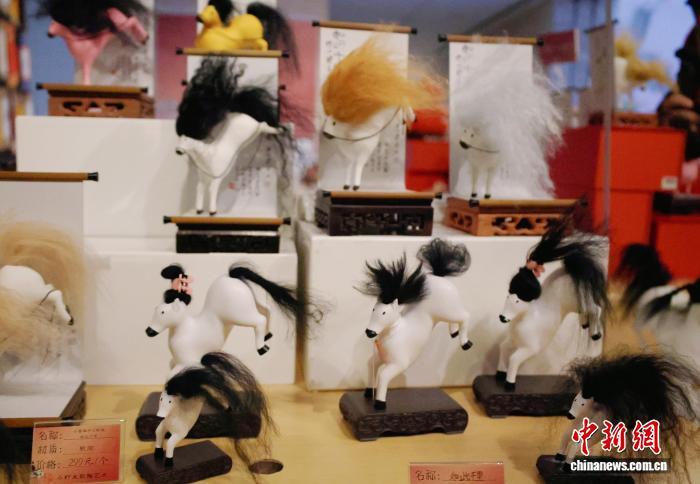
马踏飞燕玩偶

Search documents
我们的春节·文韵启新
Ren Min Ri Bao· 2026-02-21 22:43
Core Viewpoint - The article discusses the cultural significance of the Year of the Horse in China, emphasizing the transformation of traditional agricultural practices into modern cultural expressions, particularly through creative cultural products that resonate with contemporary society [1][2][5]. Group 1: Cultural Significance of the Horse - The Horse is not merely a livestock or a means of transportation in Chinese culture but serves as a spiritual totem, symbolizing progress and aspiration [2][3]. - The Year of the Horse, particularly the "Double Fire" year, is associated with cultural expectations of vitality and advancement, rooted in a collective memory that spans thousands of years [2][3]. Group 2: Creative Cultural Products - The popularity of cultural products related to the Year of the Horse reflects a deepening understanding of "New Year culture," where people seek spiritual fulfillment and emotional connection during the Spring Festival [3][12]. - Contemporary cultural designs, such as the "Horse Toy" and "Horse Bookmark," transform traditional symbols into usable items that enhance personal rituals and cultural identity [3][4]. Group 3: Integration of Tradition and Modernity - The article highlights the importance of creatively transforming traditional elements to make them relevant in modern contexts, bridging the gap between historical significance and contemporary appeal [2][3]. - Museums and cultural institutions are increasingly playing a vital role in revitalizing traditional customs and making them accessible to the public through innovative exhibitions and events [11][12]. Group 4: Global Cultural Exchange - The Horse, as a symbol of cultural exchange, is positioned to play a significant role in international cultural events, promoting Eastern wisdom and shared human emotions through design [4][5]. - The article emphasizes the potential of cultural products to serve as ambassadors of Chinese culture on the global stage, fostering understanding and appreciation across different cultures [4][5].
情绪价值拉满 这些文创“火出圈”
Zhong Guo Xin Wen Wang· 2026-01-30 12:49
Core Viewpoint - The rise of cultural and creative products, such as "Ma Biao Biao," reflects a growing trend among young consumers who value emotional connection and cultural significance in their purchases [1][6]. Group 1: Popularity of Cultural Products - "Ma Biao Biao" has become a viral sensation, showcasing the appeal of creative cultural products that blend traditional elements with modern design [1][4]. - Sales of cultural products, including "Ma Biao Biao," have exceeded 550,000 yuan, indicating strong market demand [4]. - Other creative products, like the "Crying Horse," have also gained popularity due to their unique and relatable designs [4][7]. Group 2: Consumer Demographics and Preferences - The primary consumers of these cultural products are young people in their twenties and thirties, although interest spans across various age groups [6][7]. - Consumers are drawn to products that are "cute" and creatively designed, reflecting a desire for personal expression and emotional fulfillment [7]. Group 3: Cultural Significance and Design - Successful cultural products often possess cultural depth and are designed with modern aesthetics in mind, merging traditional heritage with contemporary appeal [10]. - The design of "Ma Biao Biao" is inspired by traditional art, incorporating trendy elements that resonate with younger audiences [7][10]. - The emotional value associated with these products is significant, as they evoke nostalgia and a sense of connection to cultural roots [8][10]. Group 4: Future of Cultural Products - The future of cultural products lies in their ability to connect traditional culture with modern lifestyles, making them relevant and appealing to consumers [10]. - There is a call for more innovative designs that not only attract attention but also foster emotional connections and cultural appreciation [10].

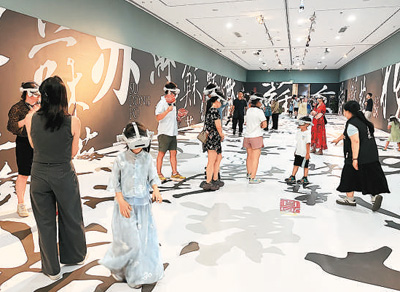
文博场馆成城市旅游新地标
Ren Min Ri Bao Hai Wai Ban· 2025-05-22 22:52
Core Viewpoint - The article highlights the growing popularity of museums as tourist attractions, emphasizing their role as new city landmarks and the increasing interest in cultural tourism among various age groups [7][8][11]. Group 1: Visitor Trends - Museums are becoming essential destinations for tourists, with the National Museum of China being a must-visit location in Beijing, often crowded except on closure days [8]. - Data from Tuniu Travel Network indicates that visitor numbers to major museums like the Palace Museum and the Shaanxi History Museum have surged, with specific museums experiencing significant increases in popularity [8]. - Meituan Travel reports a nearly 500% year-on-year increase in museum-related searches, with some museums like the Grand Canal Museum and the Qingdao Beer Museum seeing over 900% growth [8]. Group 2: Themed Museums and Unique Experiences - Themed museums are gaining traction, with Tuniu Travel noting a significant rise in bookings for unique museums such as the Jingdezhen China Ceramic Museum and the Xi'an Stele Forest Museum [10]. - The trend towards smaller, niche museums is evident, with orders from third-tier cities increasing by 30% year-on-year, and specific museums like the Weifang Kite Museum seeing over sixfold growth in orders [10][11]. - Innovative experiences, such as VR projects and interactive exhibits, are being introduced to enhance visitor engagement and understanding of cultural artifacts [12][13]. Group 3: Digital Engagement and Marketing - Social media and digital platforms are playing a crucial role in attracting visitors, with unique artifacts and creative products becoming viral sensations [13][14]. - The rise of live streaming and online sales of cultural products has led to a 126% increase in searches for museum-related merchandise on Douyin [14]. - Collaborative marketing efforts between museums and e-commerce platforms are successfully promoting cultural products, appealing particularly to younger audiences [14].