
骁龙8 Elite Gen 6系列

Search documents
贵到离谱的2nm,被疯抢
半导体芯闻· 2026-01-04 10:17
Core Viewpoint - The rapid development of artificial intelligence presents significant challenges for TSMC, which is striving to overcome supply constraints in its 2nm process technology to meet market demand. TSMC plans to increase prices for its next-generation process starting January 1, but order volumes remain strong despite the price hike. By Q3 2026, TSMC's revenue from 2nm is expected to surpass the combined revenue from 3nm and 5nm processes [1][2]. Group 1: TSMC's 2nm Process Development - TSMC is expected to build up to 10 2nm fabs in Taiwan and the U.S., with plans to invest up to $28.6 billion in three new factories in Taiwan to meet high market demand. The 2nm capacity is fully booked through 2026 [1][2]. - The 2nm process began contributing to TSMC's revenue in Q3 2023, initially accounting for 6% of total revenue and rising to 15% in Q4. Currently, 5nm technology constitutes 60% of total revenue, but this is expected to decline as 3nm and 2nm technologies mature [2][3]. Group 2: Competitive Landscape - TSMC's 2nm technology is being adopted by major clients, including Apple, Qualcomm, and MediaTek, for their latest processors. The A20 processor for the iPhone 18 series is expected to utilize TSMC's 2nm process [4][5]. - Samsung is also advancing its 2nm process with the Exynos 2600 processor, which integrates CPU, GPU, and NPU, enhancing AI performance while reducing power consumption [5][6]. Group 3: Market Dynamics and Future Outlook - The competition in the 2nm foundry market is intensifying, with Intel and Samsung vying for market share against TSMC. Intel is promoting its 18A process, which is equivalent to 2nm, and aims to attract external clients by 2026 [7][8]. - TSMC remains the only foundry currently offering 2nm services to external clients, maintaining a significant competitive advantage in the market [7][8]. - The demand for TSMC's 2nm process is expected to continue growing, with analysts predicting that the number of projects based on this technology will exceed those based on 3nm [6][10].


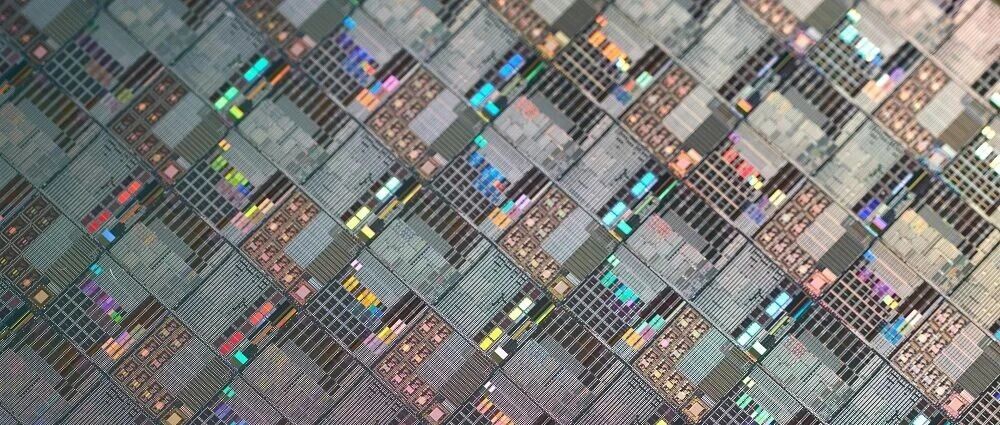
2nm,被疯抢!
半导体行业观察· 2026-01-02 03:33
Core Insights - The rapid development of artificial intelligence presents significant challenges for TSMC, which is striving to overcome supply constraints in its 2nm process technology to meet market demand [1] - TSMC plans to increase prices for its next-generation process starting January 1, but order volumes remain strong despite the price hike [1] - By Q3 2026, TSMC's revenue from 2nm technology is expected to surpass the combined revenue from its 3nm and 5nm processes [1] Group 1: TSMC's 2nm Process Development - TSMC is set to build 10 2nm fabs in Taiwan and the U.S., with a production capacity of 80,000 to 100,000 wafers by the end of 2026 [1][2] - The company plans to invest up to $28.6 billion in constructing three new fabs in Taiwan to meet the high market demand for 2nm technology [1] - TSMC's 2nm technology has become a "monopoly" due to the explosive growth in AI, leading to a surge in customer orders [1] Group 2: Revenue and Market Share - The 2nm process began contributing to TSMC's revenue in Q3 2023, initially accounting for 6% of total revenue, which increased to 15% in Q4 2023 [2] - Currently, the 5nm process dominates TSMC's revenue, making up 60% of total revenue, but this share is expected to decline as 3nm and 2nm processes ramp up [2] - Analysts predict that TSMC's 3nm capacity will reach its limit by 2026, as it enters a "golden period of mass production" [2] Group 3: Competitive Landscape - TSMC is not planning to introduce its 2nm technology overseas and aims to launch its 3nm wafers a year earlier to prevent competitors like Samsung from gaining an advantage [2] - Major clients such as Apple, Qualcomm, MediaTek, and AMD are expected to utilize TSMC's 2nm wafers, indicating strong demand from leading tech companies [2][5] - Samsung is also advancing its 2nm process with the Exynos 2600 processor, which integrates CPU, GPU, and NPU, enhancing AI performance and reducing power consumption [6]
台积电、三星2nm制程大PK 史上最贵手机芯片来了
Jing Ji Ri Bao· 2026-01-01 23:21
Core Insights - TSMC and Samsung have both advanced their process nodes to 2nm, with smartphones expected to be among the first applications, positioning TSMC as a major winner by securing contracts for the latest 2nm processors from Apple, Qualcomm, and MediaTek [1][2] - The 2nm process is anticipated to result in lower power consumption and enhanced performance, particularly in AI capabilities, but will also lead to higher costs, making 2nm chips the most expensive smartphone processors to date [1] - TSMC's 2nm technology (N2) began mass production in Q4 of last year, utilizing first-generation nanosheet transistor technology, and is set to introduce N2P technology later this year for improved performance and power efficiency [1] Company Developments - Apple is developing the A20 processor for its upcoming iPhone 18 series, which will be produced using TSMC's 2nm process [2] - Qualcomm and MediaTek are expected to release their flagship chips, Snapdragon 8 Elite Gen 6 and Dimensity 9600, respectively, using TSMC's 2nm process in the second half of this year [2] - MediaTek announced that its first flagship system-on-chip utilizing TSMC's 2nm process has completed design and is expected to enter mass production by the end of 2026 [2] - Samsung has introduced the Exynos 2600 processor, built on its own 2nm GAA process, featuring a 10-core CPU based on the latest Arm v9.3 architecture, which significantly enhances machine learning and gaming performance while reducing power consumption [2]