A20处理器

Search documents
AI冲击苹果NAND议价优势:曾多年一签,如今缩至6个月
Sou Hu Cai Jing· 2026-02-26 01:24
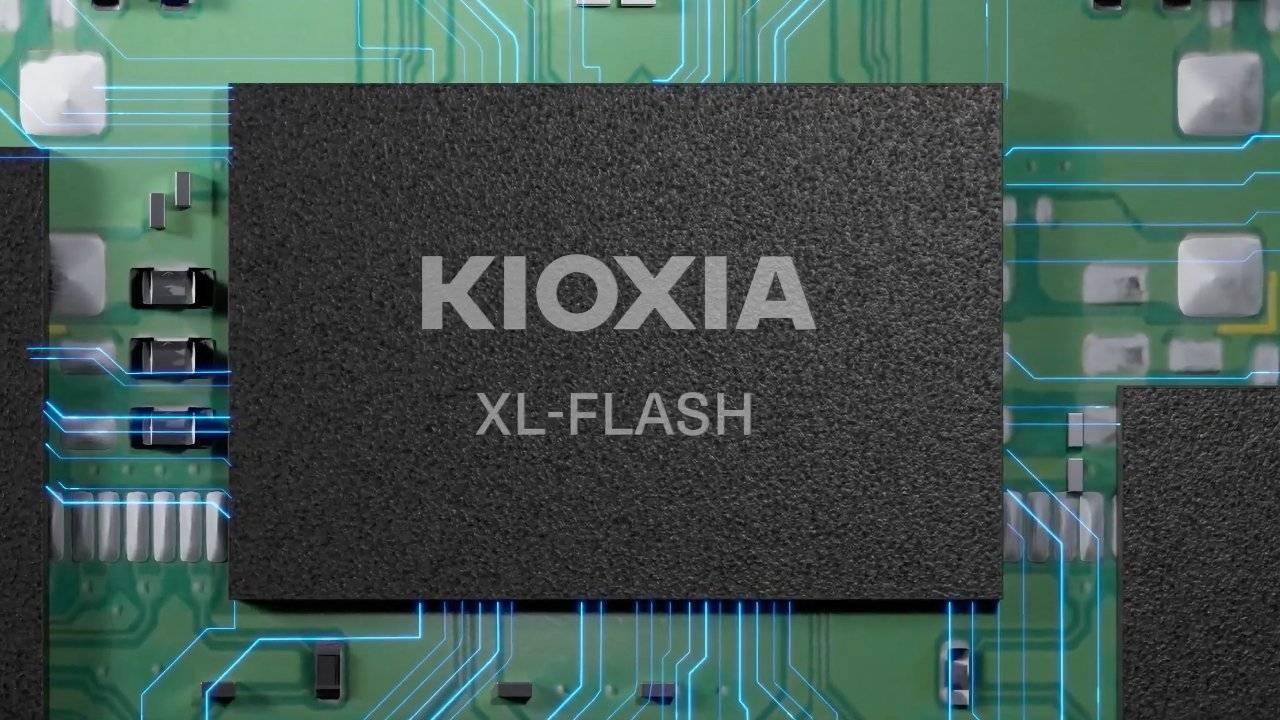
Core Insights - The demand surge driven by the AI boom is challenging Apple's bargaining power in the SSD supply chain [1][3] - Apple previously secured advantageous long-term agreements for NAND supply, but is now facing significant price increases and shorter contract durations [1][3] Group 1: Supply Chain Dynamics - Apple historically purchased 23% of global NAND capacity in 2012 at approximately $0.67 per GB, with prices dropping to $0.25 per GB in 2018 [1] - Currently, Apple is paying twice the previous price for NAND flash memory from Kioxia, with contracts now renegotiated every six months instead of years [1][3] Group 2: Market Demand and Competition - The AI server market's explosive growth is outpacing supply chain capacity, leading to shortages in the consumer market [3] - Gartner estimates that global AI spending will reach $2.5 trillion by 2026, prompting companies to increase AI investments to remain competitive [3] - In the processor sector, Apple faces similar cost inflation, with Nvidia surpassing Apple as TSMC's largest customer, and the cost of the upcoming A20 processor expected to be double that of the A19 [3]


贵到离谱的2nm,被疯抢
半导体芯闻· 2026-01-04 10:17
Core Viewpoint - The rapid development of artificial intelligence presents significant challenges for TSMC, which is striving to overcome supply constraints in its 2nm process technology to meet market demand. TSMC plans to increase prices for its next-generation process starting January 1, but order volumes remain strong despite the price hike. By Q3 2026, TSMC's revenue from 2nm is expected to surpass the combined revenue from 3nm and 5nm processes [1][2]. Group 1: TSMC's 2nm Process Development - TSMC is expected to build up to 10 2nm fabs in Taiwan and the U.S., with plans to invest up to $28.6 billion in three new factories in Taiwan to meet high market demand. The 2nm capacity is fully booked through 2026 [1][2]. - The 2nm process began contributing to TSMC's revenue in Q3 2023, initially accounting for 6% of total revenue and rising to 15% in Q4. Currently, 5nm technology constitutes 60% of total revenue, but this is expected to decline as 3nm and 2nm technologies mature [2][3]. Group 2: Competitive Landscape - TSMC's 2nm technology is being adopted by major clients, including Apple, Qualcomm, and MediaTek, for their latest processors. The A20 processor for the iPhone 18 series is expected to utilize TSMC's 2nm process [4][5]. - Samsung is also advancing its 2nm process with the Exynos 2600 processor, which integrates CPU, GPU, and NPU, enhancing AI performance while reducing power consumption [5][6]. Group 3: Market Dynamics and Future Outlook - The competition in the 2nm foundry market is intensifying, with Intel and Samsung vying for market share against TSMC. Intel is promoting its 18A process, which is equivalent to 2nm, and aims to attract external clients by 2026 [7][8]. - TSMC remains the only foundry currently offering 2nm services to external clients, maintaining a significant competitive advantage in the market [7][8]. - The demand for TSMC's 2nm process is expected to continue growing, with analysts predicting that the number of projects based on this technology will exceed those based on 3nm [6][10].

2nm,被疯抢!
半导体行业观察· 2026-01-02 03:33
Core Insights - The rapid development of artificial intelligence presents significant challenges for TSMC, which is striving to overcome supply constraints in its 2nm process technology to meet market demand [1] - TSMC plans to increase prices for its next-generation process starting January 1, but order volumes remain strong despite the price hike [1] - By Q3 2026, TSMC's revenue from 2nm technology is expected to surpass the combined revenue from its 3nm and 5nm processes [1] Group 1: TSMC's 2nm Process Development - TSMC is set to build 10 2nm fabs in Taiwan and the U.S., with a production capacity of 80,000 to 100,000 wafers by the end of 2026 [1][2] - The company plans to invest up to $28.6 billion in constructing three new fabs in Taiwan to meet the high market demand for 2nm technology [1] - TSMC's 2nm technology has become a "monopoly" due to the explosive growth in AI, leading to a surge in customer orders [1] Group 2: Revenue and Market Share - The 2nm process began contributing to TSMC's revenue in Q3 2023, initially accounting for 6% of total revenue, which increased to 15% in Q4 2023 [2] - Currently, the 5nm process dominates TSMC's revenue, making up 60% of total revenue, but this share is expected to decline as 3nm and 2nm processes ramp up [2] - Analysts predict that TSMC's 3nm capacity will reach its limit by 2026, as it enters a "golden period of mass production" [2] Group 3: Competitive Landscape - TSMC is not planning to introduce its 2nm technology overseas and aims to launch its 3nm wafers a year earlier to prevent competitors like Samsung from gaining an advantage [2] - Major clients such as Apple, Qualcomm, MediaTek, and AMD are expected to utilize TSMC's 2nm wafers, indicating strong demand from leading tech companies [2][5] - Samsung is also advancing its 2nm process with the Exynos 2600 processor, which integrates CPU, GPU, and NPU, enhancing AI performance and reducing power consumption [6]
台积电、三星2nm制程大PK 史上最贵手机芯片来了
Jing Ji Ri Bao· 2026-01-01 23:21
Core Insights - TSMC and Samsung have both advanced their process nodes to 2nm, with smartphones expected to be among the first applications, positioning TSMC as a major winner by securing contracts for the latest 2nm processors from Apple, Qualcomm, and MediaTek [1][2] - The 2nm process is anticipated to result in lower power consumption and enhanced performance, particularly in AI capabilities, but will also lead to higher costs, making 2nm chips the most expensive smartphone processors to date [1] - TSMC's 2nm technology (N2) began mass production in Q4 of last year, utilizing first-generation nanosheet transistor technology, and is set to introduce N2P technology later this year for improved performance and power efficiency [1] Company Developments - Apple is developing the A20 processor for its upcoming iPhone 18 series, which will be produced using TSMC's 2nm process [2] - Qualcomm and MediaTek are expected to release their flagship chips, Snapdragon 8 Elite Gen 6 and Dimensity 9600, respectively, using TSMC's 2nm process in the second half of this year [2] - MediaTek announced that its first flagship system-on-chip utilizing TSMC's 2nm process has completed design and is expected to enter mass production by the end of 2026 [2] - Samsung has introduced the Exynos 2600 processor, built on its own 2nm GAA process, featuring a 10-core CPU based on the latest Arm v9.3 architecture, which significantly enhances machine learning and gaming performance while reducing power consumption [2]
2纳米,涨幅惊人
半导体行业观察· 2025-10-25 03:19
Core Viewpoint - Apple is developing the A20 processor for the iPhone 18 series, which will be manufactured using TSMC's 2nm process, resulting in a significant cost increase to approximately $280, representing an over 86% rise compared to the A19 processor used in the iPhone 17 series [2][3]. Cost Analysis - The A20 processor will be the most expensive component in the iPhone 18, surpassing the previous highest cost component, the display, which was around $110 for the iPhone 16 Pro series [2]. - The A18 Pro processor used in the iPhone 16 Pro series had a cost of $135, while the A19 Pro processor in the iPhone 17 Pro series cost $150, indicating a trend of increasing processor costs [2]. Technology Transition - The A20 processor marks a transition from the previous three generations of 3nm technology to the latest 2nm technology, promising significant improvements in performance and efficiency [3]. - TSMC has reportedly informed clients that the last 3nm chips have seen a 20% price increase over previous generations, with an additional 50% increase for the new 2nm process, although this has not been officially confirmed [3].
宝城期货资讯早班车-2025-03-26
Bao Cheng Qi Huo· 2025-03-26 01:53
1. Report Industry Investment Rating No relevant content provided. 2. Core Viewpoints - The Asian region needs to enhance its resilience by tapping into regional endogenous development power to reduce external dependence [2]. - The gold market may receive up to 200 billion yuan in incremental funds from insurance capital, and the investment value of gold products, including gold ETFs, remains high [2][4]. - The adjustment of the MLF operation in March released multiple signals, and the long - term interest rate center may decline under the central bank's loose - money signal [11][22]. 3. Summary by Directory 3.1 Macro Data - In Q4 2024, GDP growth at constant prices was 5.4% year - on - year, up from 4.6% in the previous quarter [1]. - In February 2025, the manufacturing PMI was 50.2%, up from 49.1% in the previous month [1]. - In February 2025, the CPI decreased by 0.7% year - on - year, and the PPI decreased by 2.2% year - on - year [1]. 3.2 Commodity Investment 3.2.1 Comprehensive - Asia remains at the core of the global value chain, and China's position as the center of the global manufacturing value chain is stable [2]. - On March 25, 2025, domestic insurance funds started investing in gold, which may bring up to 200 billion yuan in incremental funds to the gold market [2]. - The US, Russia, and Ukraine agreed to ensure navigation safety in the Black Sea and take measures to protect energy facilities [2]. - On March 25, the price of domestic battery - grade lithium carbonate was 74,100 yuan/ton [2]. - The Baltic Dry Index fell 0.61% to 1,642 points [3]. 3.2.2 Metals - Gold is a preferred asset for investors in an uncertain economic environment, and the scale of gold ETFs has increased by over 50 billion yuan in the past year [4]. 3.2.3 Coal, Coke, Steel, and Minerals - Some steel mills in Xinjiang reduced their daily crude steel output by 10% starting from March 24 [6]. - In February, global crude steel production decreased by 3.4% year - on - year [6]. 3.3 Financial News 3.3.1 Open Market - On March 25, the central bank conducted 377.9 billion yuan of 7 - day reverse repurchase operations, with a net investment of 104.6 billion yuan [10]. - The adjustment of the MLF operation in March released multiple signals, indicating a marginal easing of monetary policy [11]. 3.3.2 Key News - The Chinese government will strengthen the supervision of the platform economy and promote consumption [12]. - Central enterprises will accelerate the development of the artificial intelligence industry [12]. - Asian economic growth is expected to reach 4.5% in 2025, and several Asian economies will maintain a growth rate of over 5% [12]. - As of March 25, local bond issuance reached 2.539953 trillion yuan, a year - on - year increase of 89.07% [13]. - Some bank wealth management products have lowered their performance benchmarks and management fees [14]. - The Hangzhou land auction market was hot on March 25, with a total transaction amount of 10.153 billion yuan and an average premium rate of 52% [14]. - Ningbo allowed eligible housing provident fund contributors to use their funds to pay the down payment for second - hand housing [14]. - Guangxi plans to issue 104.915 billion yuan of local bonds in Q2 [15]. 3.3.3 Bond Market - Most yields of major interest - rate bonds in the inter - bank market rose, and treasury bond futures closed higher [17]. - The money market rates mostly rose [18]. - The yields of European bonds generally rose, while those of US bonds fell [20]. 3.3.4 Foreign Exchange Market - The on - shore RMB depreciated against the US dollar, and the US dollar index fell slightly [21]. 3.3.5 Research Reports - MLF will achieve a net investment of 6.3 billion yuan in March, and the long - term interest rate center may decline [22]. - After the end of the quarter, the demand for wealth management allocation may increase, and medium - and short - term credit bonds can be used as base - position assets [22]. 3.4 Stock Market - On Tuesday, the A - share market was narrowly sorted, with technology stocks weak and the controlled nuclear fusion concept soaring [25]. - The Hang Seng Index fell 2.35%, and southbound funds had a net purchase of 13.895 billion Hong Kong dollars [25]. - Since 2025, southbound funds have adopted a "technology + dividend" strategy, while foreign capital has flowed into the healthcare sector [26]. - Recently, 510 A - share listed companies had their 2025 profit forecasts raised by institutions, mainly in the pharmaceutical, semiconductor, and other industries [26]. - QFIIs held 40 A - shares at the end of 2024, with a focus on the chemical and electronics industries [26]. - Many listed companies released their 2024 annual reports, including招商银行, 中国电信, 海底捞, etc. [27][28] - There are rumors about the merger of two Shandong securities firms, and TSMC's 2 - nanometer production capacity in the second half of the year has been booked by Apple [28]. - 宁德时代 plans to issue H - shares [29].
3.25犀牛财经晚报:多家银行上调消费贷额度上限 哪吒汽车与134家核心供应商达成超20亿元债转股协议
Xi Niu Cai Jing· 2025-03-25 10:26
Group 1: Consumer Loans - Multiple banks have raised the upper limit for internet consumer loans from 200,000 yuan to 300,000 yuan, with potential increases to 1,000,000 yuan for certain borrowers [1] - Banks are advised to focus on risk management and monitoring of fund flows as consumer loan limits increase [1] Group 2: Fund Management - Numerous fund companies have announced changes to their performance benchmarks, with 82 products adjusting their benchmarks since mid-March [1] - Many equity products are shifting from broad indices like the CSI 300 to more specific industry indices, aligning better with fund manager strategies [1] Group 3: Telecommunications - China Telecom reported a net profit of 33.01 billion yuan for 2024, an increase of 8.4% year-on-year, with total revenue reaching 523.57 billion yuan, up 3.1% [2] Group 4: Steel Industry - The social inventory of five major steel products in 21 cities decreased by 370,000 tons to 10.85 million tons in mid-March, marking a 3.3% decline [3] - Year-to-date, the inventory has increased by 4.26 million tons, a rise of 64.6% compared to the beginning of the year [3] Group 5: Automotive Industry - Neta Auto has reached a debt-to-equity swap agreement with 134 core suppliers, amounting to over 2 billion yuan, to prepare for resuming operations [5] - The debt restructuring plan involves converting 70% of the suppliers' debt into equity and repaying the remaining 30% in cash over 15 months [5] Group 6: AI Talent Recruitment - Alibaba Cloud has initiated its largest AI talent recruitment campaign in recent years, targeting top global universities for roles in various AI fields [5] Group 7: Financial Performance - Minfeng Special Paper reported a net profit of 72 million yuan for 2024, a year-on-year increase of 54.09%, despite a revenue decline of 9.82% [9] - Kuaiji Elevator's net profit for 2024 decreased by 8.46% to 132 million yuan, with a revenue drop of 4.93% [11]