高性能稀土永磁体

Search documents
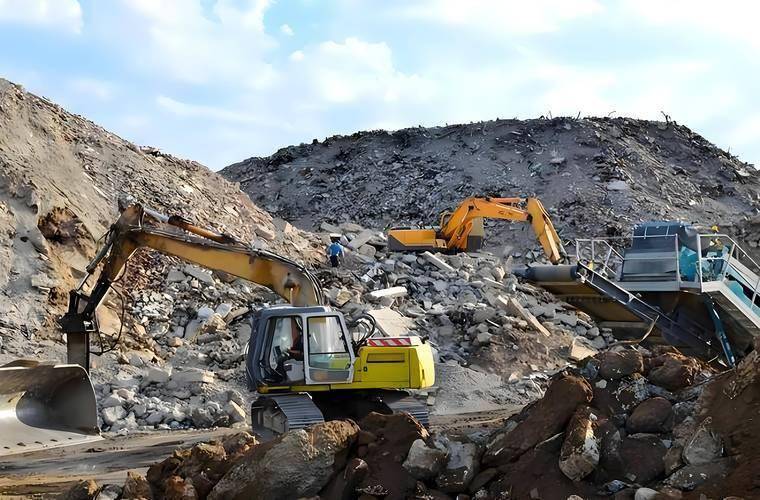
稀土企业绕管控卖永磁体给西方,技术护城河或10年被摸透,国家战略在漏气
Sou Hu Cai Jing· 2026-01-11 08:50
Core Viewpoint - The article highlights the alarming issue of Chinese rare earth elements being secretly sold to Western countries, undermining China's strategic advantage in the global supply chain of these critical resources [2][10]. Group 1: Importance of Rare Earth Elements - Rare earth elements such as Neodymium, Dysprosium, and Terbium are essential for modern military and industrial applications, including advanced radar systems and electric vehicle motors [3][5]. - China holds over 30% of the world's rare earth reserves and dominates the processing and refinement capabilities, making it a key player in the global market [8]. Group 2: Illicit Trade Practices - The article describes sophisticated methods used by companies to bypass regulations, including the use of false documentation and the establishment of shell companies to obscure the origin of the materials [10][12]. - These operations not only facilitate the export of rare earth elements but also allow Western countries to reverse-engineer and analyze the technology embedded in these materials, potentially compromising China's technological edge [14]. Group 3: Strategic Implications - The unauthorized export of rare earth elements provides Western countries with critical resources, allowing them to strengthen their own supply chains and reduce dependency on China [18][19]. - The article warns that this trend could lead to a future where China loses its competitive advantage as Western nations develop their own capabilities in rare earth processing and technology [21][19]. Group 4: Regulatory Response - In response to these challenges, the Chinese government is implementing stricter regulations starting in 2025, focusing on the end-users of exported materials and requiring licenses for any products containing Chinese rare earth components [24][26]. - The article emphasizes the need for a comprehensive tracking system to monitor the flow of rare earth elements from extraction to final product, ensuring that all transactions are transparent and compliant with national security interests [28][30]. Group 5: Industry Responsibility - Companies are urged to recognize the strategic importance of rare earth elements and to avoid short-sighted profit motives that could jeopardize national interests [35]. - The article concludes that the rare earth industry must undergo a fundamental transformation to align with national security objectives, emphasizing that engaging in gray market operations is detrimental to the industry's future [35].


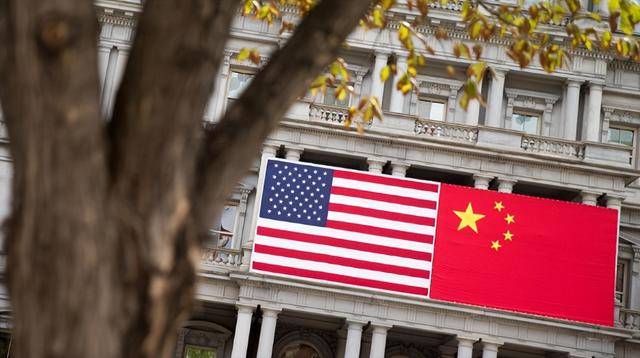
美国懵了,中国恢复稀土出口,但一个关键限制,让美方有苦说不错
Sou Hu Cai Jing· 2025-12-27 04:15
Core Viewpoint - The article discusses the ongoing trade dynamics between China and the United States regarding rare earth elements, highlighting that while China has resumed exports of processed rare earth products to the U.S., it continues to restrict the export of key rare earth elements essential for high-end manufacturing and defense applications [1][19]. Group 1: Rare Earth Elements vs. Processed Products - Rare earth elements are a group of 17 unique elements known for their scarcity and difficulty in extraction, while processed rare earth products are the end or semi-finished materials created through various refining and synthesis processes [3][5]. - High-performance rare earth permanent magnets, which are critical in modern industrial applications, particularly in defense and high-end manufacturing, rely on specific rare earth elements like neodymium and praseodymium [7][11]. Group 2: Impact on U.S. Defense Industry - The U.S. defense sector heavily relies on high-performance rare earth permanent magnets for various applications, including advanced military equipment like the F-35 fighter jet, where the absence of these materials could hinder production [9][19]. - The U.S. Department of Defense has previously indicated that shortages of rare earth elements pose potential risks to missile production, with current stockpiles only sufficient for a few months [17][19]. Group 3: China's Strategic Export Restrictions - China's decision to maintain export restrictions on key rare earth elements is a targeted strategy aimed at the vulnerabilities within the U.S. industrial chain, particularly affecting the production of high-performance, high-temperature magnets used in advanced military equipment [13][15]. - Despite the resumption of processed rare earth product exports, U.S. companies that depend on elements like dysprosium find themselves unable to meet core production needs for high-end equipment [21][29]. Group 4: U.S. Efforts to Rebuild Supply Chain - The U.S. has attempted to restructure its rare earth supply chain by forming partnerships with countries like Australia and Malaysia, but these efforts have yet to yield tangible results [24]. - The U.S. Geological Survey has identified China's dominance in the rare earth sector as a potential threat to U.S. national security, prompting the government to support domestic rare earth companies through tax incentives and direct investments [26][28]. Group 5: Conclusion on Trade Dynamics - China's approach in this trade scenario serves as a new model for global mineral trade negotiations, balancing its core interests while leaving room for cooperation, complicating the U.S. position in the ongoing trade conflict [30].
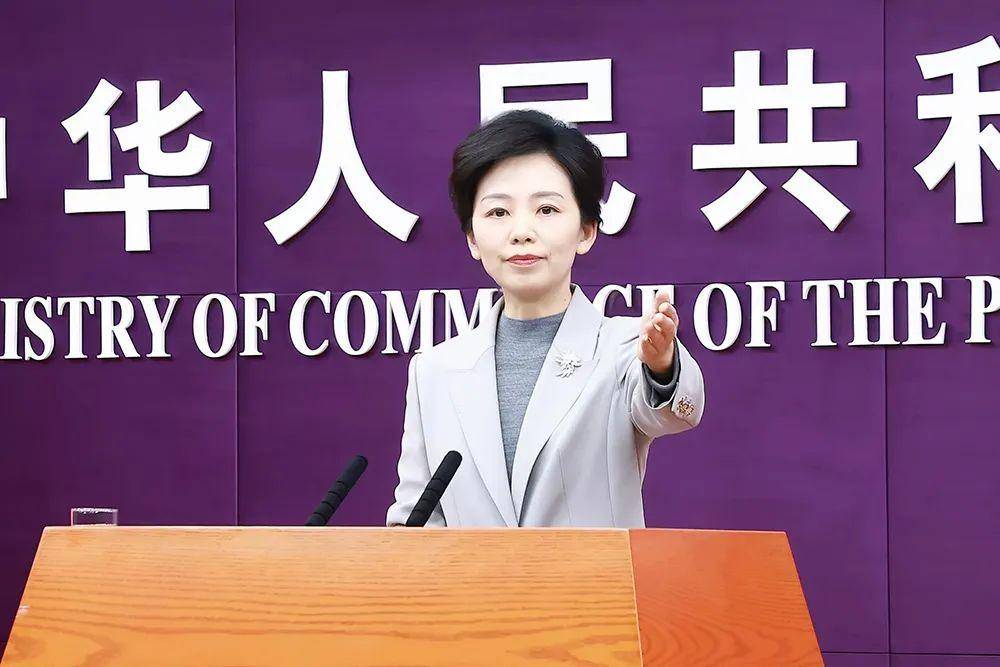
突发特讯!商务部回应对美稀土磁体出口限制:积极促进、便利合规贸易,引全球高度关注
Sou Hu Cai Jing· 2025-12-25 16:51
Core Viewpoint - The article discusses China's strategic position in the global rare earth market, particularly in response to U.S. tariffs on Chinese semiconductors, emphasizing the importance of compliance in trade and the implications for international supply chains [1][10]. Group 1: Importance of Rare Earths - Rare earth elements, especially high-performance permanent magnets, are critical for modern industries, including defense and green technology, with China supplying approximately 60% of global rare earth materials and over 90% of processing capacity [3][5]. - The U.S. faces a structural dependency on China for rare earths, despite having its own mineral resources, due to a lack of domestic processing and manufacturing capabilities [3][5]. Group 2: Compliance in Trade - China's statement on "promoting and facilitating compliant trade" reflects a commitment to international trade rules, particularly those of the World Trade Organization (WTO), aiming to assure global markets of stable supply chains [5][11]. - The concept of "compliance" also indicates China's focus on national security and export control laws, suggesting that any trade facilitation will not compromise China's interests or security [5][6]. Group 3: Strategic Positioning - By maintaining its rare earth processing capabilities, China aims to transition from being a raw material exporter to a provider of high-value technology products, thereby enhancing its influence in global high-end manufacturing [6][11]. - The article draws parallels between the current rare earth situation and the evolution of China's solar industry, highlighting China's ability to shape international standards and market dynamics [7][10]. Group 4: Implications for Global Trade - China's position presents a challenge for the U.S. and its allies, who are attempting to rebuild rare earth supply chains outside of China, as alternative sources face significant operational and environmental hurdles [10][11]. - The message of "compliant trade" serves as an invitation for global partners to engage with China under established rules, while also indicating the risks of pursuing a decoupled supply chain strategy [10][11].
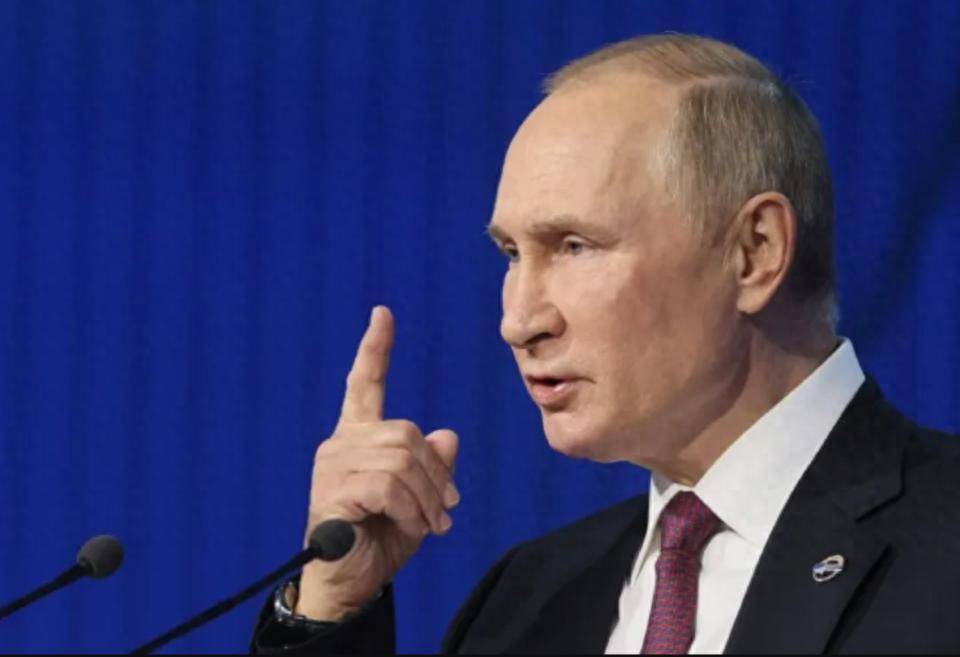
动真格了?稀土储量全球前五,俄罗斯砸7000亿,摆脱对我们75%依赖
Sou Hu Cai Jing· 2025-11-07 18:40
Core Viewpoint - Russia is attempting to reshape its national security strategy by reducing its 75% reliance on China for rare earth elements, as evidenced by a significant investment of 700 billion rubles and a roadmap for the long-term development of rare and rare earth metals due by December [1][3] Group 1: Russia's Rare Earth Situation - Despite having one of the world's top five rare earth reserves, Russia can only meet a quarter of its own demand, highlighting a paradox of wealth amid poverty [1] - The challenges stem from resource extraction and utilization bottlenecks, particularly in the harsh climate of the Far East and outdated technology, resulting in an actual extraction rate of only 2% of its reserves [3] - Russia's internal conflict involves a desire for deeper cooperation with China while fearing over-dependence, leading to slow progress on many collaborative projects [5] Group 2: China's Advantage in Rare Earths - China maintains a calm and confident approach to rare earth issues, supported by a complete and robust system that emphasizes high-value applications rather than merely selling raw materials [8] - China's strategy involves strict resource control, strong support for enterprises, overcoming key technologies, and embedding itself in the global supply chain, increasing its rare earth smelting and separation capacity from 85% in 2022 to 91% by 2024 [9] - The future of rare earth competition will focus on maximizing material performance rather than just mining, with China's Ministry of Industry and Information Technology aiming for a 40% recycling rate by 2030 [11] Group 3: Global Competition and Challenges - Other countries, including the US, EU, Japan, and Australia, are also trying to build their supply chains but face significant challenges, as seen with Australia's Lynas, which still relies on China for key processing catalysts [13] - China's dominance is further illustrated by its 68% share of global rare earth-related patent applications, primarily in downstream applications, compared to the US's 12% [15] - Even as geopolitical maneuvers occur, such as the US looking to Ukraine for resources, the reality remains that building a competitive rare earth industry requires long-term investment in technology, talent, and market development [16][19] Group 4: Future Directions - For China, the situation reinforces the importance of mastering core technologies and developing a complete industrial chain to remain competitive [21] - The competition will increasingly revolve around recycling and alternative materials, with China already leading in these new areas [21][22] - The ultimate lesson from this geopolitical struggle is that the ability to transform resources into irreplaceable capabilities will determine future success, applicable not only to nations but also to businesses and individuals [22]