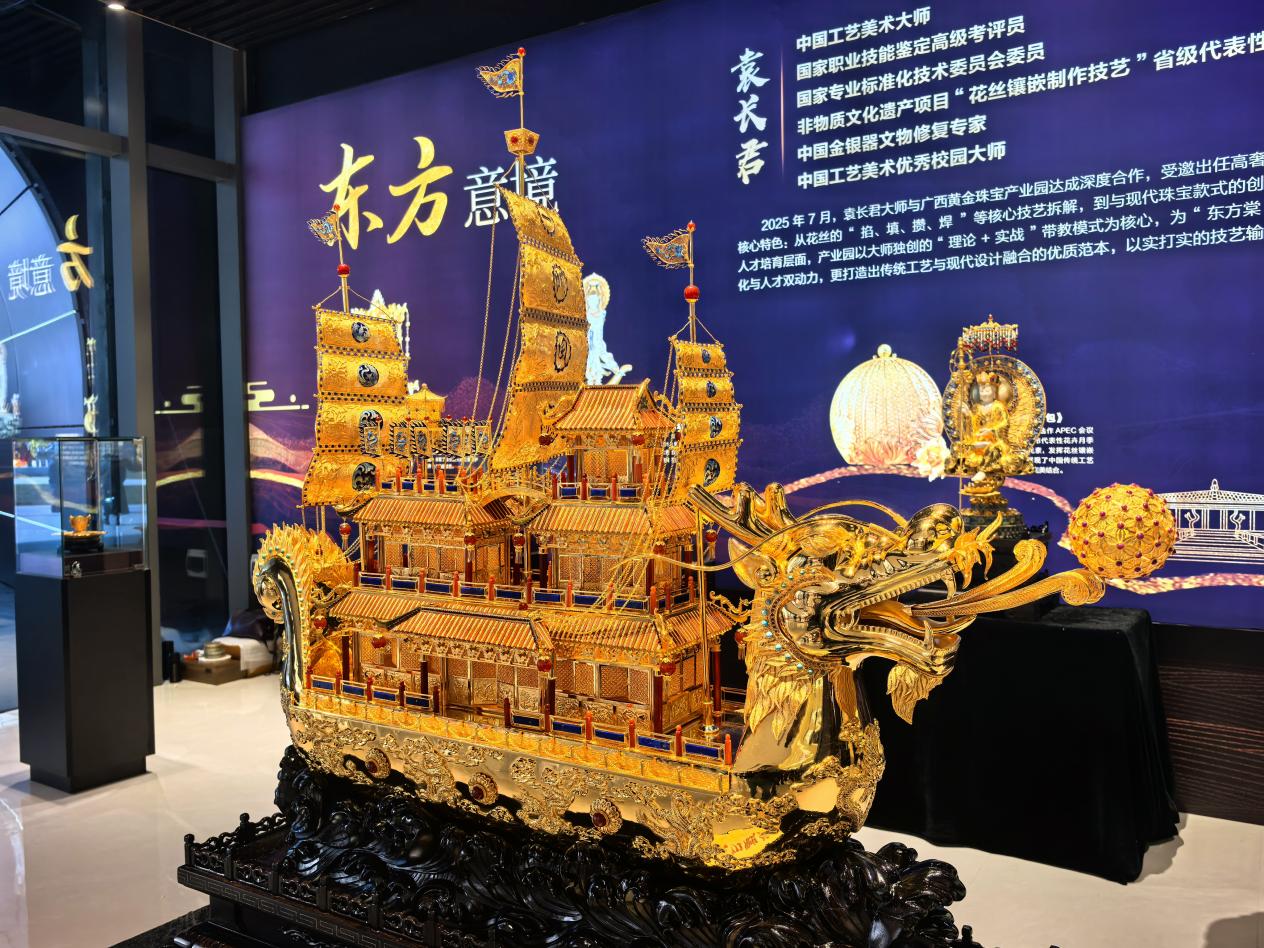
黄金工艺品

Search documents
2026年中国贵金属工艺品行业产业链、产量、需求量、市场规模、竞争格局及发展趋势分析研判:行业展现出巨大的市场潜力和发展空间[图]
Chan Ye Xin Xi Wang· 2026-02-26 01:23
Core Insights - The precious metal handicraft industry in China is experiencing significant growth due to rising consumer demand driven by economic growth and increased income levels, with a shift towards both material and cultural consumption [1][2][4] - The market for precious metal handicrafts is projected to reach approximately 200 billion yuan by 2025, with gold handicrafts accounting for about 185.96 billion yuan, representing 92.98% of the market [1][4] Industry Definition and Classification - Precious metal handicrafts are defined as cultural creative products made from gold, silver, and other precious metals, showcasing high design, craftsmanship, and commemorative value [2] - The industry can be categorized based on material (pure gold, pure silver, and gold-silver inlaid products) and form (coins, medals, bars, and three-dimensional items) [2] Current Development Status - The production of precious metal handicrafts in China is expected to grow from 175.93 million pieces in 2017 to 292.30 million pieces by 2025, while demand is projected to rise from 160.29 million pieces to 265.70 million pieces during the same period [2][4] Market Size and Structure - The market size for precious metal handicrafts in China is estimated to be around 200 billion yuan in 2025, with gold handicrafts making up approximately 185.96 billion yuan and silver handicrafts about 12.14 billion yuan [1][4] Industry Supply Chain - The supply chain for the precious metal handicraft industry includes raw materials such as gold, silver, platinum, and palladium, with upstream activities involving mining and refining, midstream focusing on production and processing, and downstream encompassing sales channels like banks and jewelry stores [4] Competitive Landscape - The industry has numerous manufacturers, but only about 20 major companies dominate the market, particularly those with comprehensive capabilities from R&D to production and sales [6][8] - Key players include China Gold Coin, China Mint, Guojin Gold, and Jin Yi Culture, which focus on various aspects of precious metal handicraft production [6][8] Future Development Trends - The precious metal handicraft industry is expected to continue growing, driven by consumer demand for innovative and culturally rich products, with a focus on sustainability and environmental considerations [9] - Companies are increasingly integrating cultural elements with modern trends in product development, enhancing the market appeal and collectible value of their offerings [9]


黄金供应商正干一单亏一单,有从业者直呼赚钱时代过去了
2 1 Shi Ji Jing Ji Bao Dao· 2026-01-30 14:34
Core Viewpoint - The gold price has surged dramatically, reaching nearly $5600 per ounce, but not all players in the gold industry are benefiting from this increase, with some companies facing significant challenges and losses [1][13]. Group 1: Market Dynamics - On January 29, gold prices hit a record high, with London spot gold reaching close to $5600 per ounce, compared to $2800 per ounce a year ago [1]. - Despite the rising gold prices, companies like Sichuan Gold and Hunan Gold have seen their stock prices soar, indicating a "stronger stock than gold" phenomenon [1]. - Some gold processing companies are struggling, with industry insiders suggesting that the profitable era for the gold processing sector may be over [1][5]. Group 2: Company Operations - Many mid-tier gold processing companies are experiencing losses, as they often operate on a "light asset" model, purchasing raw materials only after receiving orders, which exposes them to price volatility [9]. - The rapid increase in gold prices has led to a situation where these companies are often losing money on transactions, as the cost of raw materials can exceed the selling price due to the time lag in order fulfillment [9][13]. - Some banks have temporarily suspended the sale of investment gold bars, which has created a panic buying situation among consumers, despite the intention to cool down the market [3][4]. Group 3: Consumer Behavior - The high prices of gold have led to increased consumer interest, but there are concerns about the risks associated with non-regulated investment channels, as some gold merchants have faced issues like bankruptcy [11][12]. - Consumers are advised to invest through regulated channels such as banks and licensed financial institutions to avoid potential losses from unregulated investment schemes [12]. Group 4: Future Outlook - The current market conditions may not provide relief for gold processing companies, as many have already seen their products delisted from banks, leading to a significant drop in business [14]. - The industry is facing a potential shift where banks may move towards selling their own branded gold products, which could further marginalize smaller gold processing companies [5][7].

21特写|金价狂飙,黄金供应商“干一单亏一单”
2 1 Shi Ji Jing Ji Bao Dao· 2026-01-30 12:07
Group 1 - The gold price has reached record highs, with London spot gold peaking near $5,600 per ounce, compared to $2,800 per ounce a year ago, but not all participants in the gold industry are profiting from this surge [1][2] - Some mid-tier gold processing companies are struggling, with reports of losses on transactions and a trend of banks temporarily suspending investment gold bar products due to rapid price fluctuations [3][4][5] - The temporary suspension of gold bar products has led to panic buying among consumers, despite the intention of companies to cool down the market due to high volatility [4][5] Group 2 - The business model of mid-tier gold companies often relies on partnerships with banks, where they supply gold products for resale, but they face challenges due to the rising costs of raw materials and the inability to stockpile [6][12] - The pricing structure for gold products includes additional fees based on craftsmanship, which can complicate profitability for companies as gold prices rise rapidly [11][12] - The perception of gold companies is low among the general public, as many consumers are unaware of the suppliers behind bank-branded gold products [8] Group 3 - The current market dynamics have created a situation where banks benefit significantly from gold sales, while mid-tier companies struggle to maintain profitability [13][16] - There is a growing concern about the risks associated with non-regulated investment channels in the gold market, as some platforms have been reported to engage in fraudulent activities [15][16] - The recent price drop in gold has not provided relief for gold processing companies, as many have already seen their products removed from bank offerings, leading to a lack of business opportunities [17]
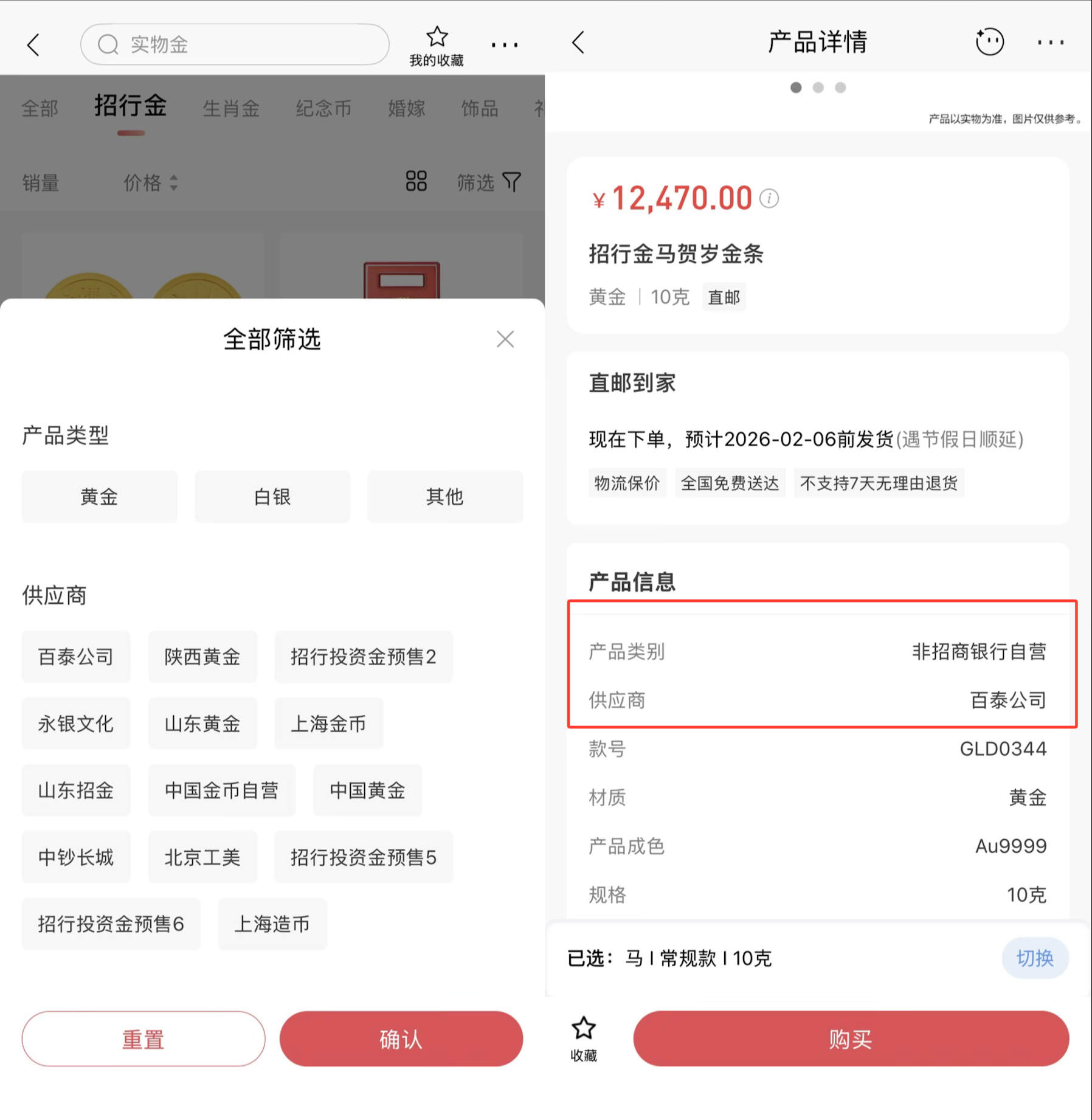
金价狂飙,黄金供应商“干一单亏一单”
2 1 Shi Ji Jing Ji Bao Dao· 2026-01-30 12:02
Core Viewpoint - The gold price has surged significantly, reaching nearly $5600 per ounce, but not all participants in the gold industry are profiting from this increase, with some companies facing challenges and losses [1][2][3]. Group 1: Market Dynamics - On January 29, gold prices hit a record high, with London spot gold reaching close to $5600 per ounce, compared to $2800 per ounce a year ago [1]. - The stock prices of gold-related companies have shown strong performance, with Sichuan Gold's stock price rising from 31 yuan to 66.86 yuan per share within ten days [2]. - Despite the overall bullish sentiment, some industry players, particularly those in gold processing, are experiencing a downturn, indicating that the profitable era for the industry may be over [3]. Group 2: Industry Challenges - Gold processing companies are struggling with profitability due to the rapid price increases, leading to situations where they are losing money on transactions [3][12]. - Some banks have temporarily suspended the sale of investment gold bars, which has created a panic buying situation among consumers, despite the intention to cool down the market [3][4]. - The introduction of new tax policies has further complicated the business for mid-tier gold companies, as they face additional costs that they cannot pass on to consumers [5]. Group 3: Business Models - Many mid-tier gold companies operate on a "light asset" model, purchasing raw materials only after receiving orders, which exposes them to price volatility [12][13]. - The pricing structure for gold products includes additional fees based on craftsmanship, which can deter consumers as gold prices rise [11]. - The relationship between banks and gold suppliers is crucial, with banks often not disclosing the suppliers of their gold products, leading to a lack of awareness among consumers [8]. Group 4: Consumer Behavior and Risks - The current market conditions have led to a disparity between the experiences of industry professionals and the perceptions of ordinary investors, with the latter still attracted to gold investments despite underlying risks [16]. - There have been reports of gold merchants defaulting, highlighting the importance of investing through regulated channels to avoid potential losses [15]. - The recent price corrections in gold may provide some relief to gold companies, but many are still facing significant operational challenges [17].
“黄金贺州 智链未来”:300家企业汇聚平桂,共商黄金珠宝产业的“智”变之路
Zhong Guo Jin Rong Xin Xi Wang· 2025-11-13 12:18
Core Viewpoint - The 2025 Investment Promotion Conference for the Gold and Jewelry Industry in Hezhou, Guangxi, focuses on how "Artificial Intelligence +" can empower the industry for quality upgrades and optimize the industrial chain [1] Group 1: Industry Development - The gold and jewelry industry in Pinggui has experienced rapid development from 2019 to 2025, establishing a diverse ecosystem covering production, sales, research, refining, e-commerce, brand operation, and distribution [1] - As of the first three quarters of 2025, the comprehensive output value of the Guangxi Gold and Jewelry Industrial Park reached 9.858 billion, with gold usage amounting to 54 tons, accounting for approximately 13% of the national share [6] - The industrial enterprises in the park achieved an output value of 4.75 billion, reflecting a year-on-year growth of 104.1% [6] Group 2: Technological Integration - Pinggui is actively seizing opportunities in the "Artificial Intelligence +" era, exploring applications of AI in intelligent manufacturing, immersive experiences, and brand operations throughout the entire industry chain [6] - Companies in the park are continuously updating their technological processes and upgrading production workflows using intelligent ERP systems to enhance the innovation and sustainability of gold and jewelry products [6] Group 3: Market Expansion - The district encourages enterprises to embrace international markets and has established a cross-border e-commerce selection center under RCEP, facilitating global sales [7] - Recent developments include the successful application for Guangxi's first gold processing trade manual and the first gold processing trade business from overseas directly to the production line of park enterprises [7] Group 4: Investment and Collaboration - During the conference, a strategic cooperation agreement was signed between China Gold Group and Yujin Garden (Guangxi) Jewelry Co., Ltd., along with collaboration agreements involving local government, higher education institutions, and brands, totaling an investment of 1.26 billion [9] - The event featured various activities such as gold jewelry displays, investment promotions, and trade negotiations, providing a platform for communication and collaboration [9]
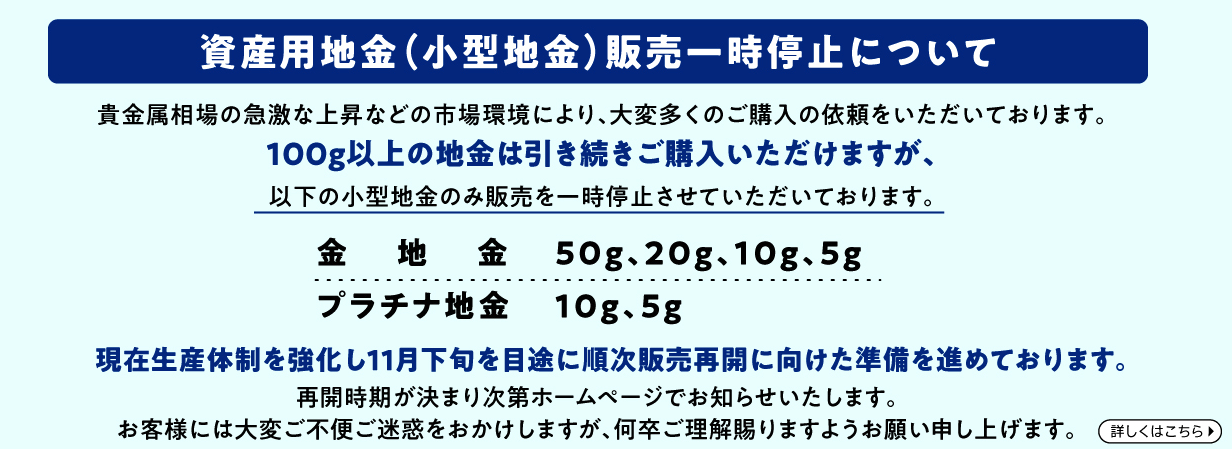
金价飙升日本散户蜂拥抢购金条,小克重产品库存告急被迫停售
Feng Huang Wang· 2025-10-15 22:19
Group 1 - Japanese retail investors have rapidly purchased gold bars, depleting the inventory of precious metal retailers amid global uncertainties [1] - As of this week, the retail gold price in Japan has surpassed 22,400 yen per gram (approximately 1,057 RMB), nearly doubling in the past two years [1] - The price of gold in yen has increased nearly fourfold since the end of 2020 due to rising domestic inflation and yen depreciation [1] Group 2 - Retailers report a significant shift in investor behavior, with more individuals buying gold in anticipation of continued price increases rather than selling during price surges [1] - The inventory of gold bars weighing less than 50 grams is rapidly declining, with the price of 100-gram bars reaching 2.2 million yen, making smaller products more attractive to retail investors [1] - Tanaka Kikinzoku has stopped selling gold bars weighing 50 grams or less, and several competitors have also reported that smaller products are sold out [1] Group 3 - Tanaka Kikinzoku's sales planning manager stated that while raw material procurement is not an issue, production capacity for gold bars is struggling to keep up with demand [3] - The company is working to enhance production capacity, expecting to gradually resume sales by late November [3] - The surge in customer numbers began around late September when gold prices reached 20,000 yen per gram, driven by concerns over U.S. government policies [3] Group 4 - Analysts believe that the yen will continue to depreciate due to the expectation of more expansionary fiscal policies from both the ruling and opposition parties [3] - Daisaku Ueno, chief forex strategist at Mitsubishi UFJ Morgan Stanley Securities, noted that gold is viewed as an effective diversification option to protect asset value against yen depreciation risks [4]