A100 GPUs

Search documents
Nvidia CEO takes aim at Beijing chip block
Youtube· 2026-02-26 22:15
Core Viewpoint - Investors are currently dissatisfied with Nvidia and the semiconductor sector despite Nvidia reporting record earnings and revenue, leading to a decline in its stock price [1][2]. Financial Performance - Nvidia reported a record fourth-quarter net income of $4.3 billion, a 94% increase year-over-year [1]. - Quarterly revenue reached $6.813 billion, marking a 73% surge from the previous year [2]. - Full-year revenue was a record $21.59 billion, with a significant contribution from the data center segment, which grew 68% to $19.3 billion [2]. Market Position and Growth Potential - Nvidia is deeply integrated into the infrastructure of major cloud providers and is expanding into various sectors, including robotics and telecommunications [3][5]. - The company is experiencing a significant transition in computing, with AI becoming a central focus across industries [4][5]. - Nvidia's Chief Jensen Huang indicated that the company has a long runway for growth, projecting a decade of buildout in AI infrastructure [6][7]. Supply Chain and Demand - Nvidia's Grace Blackwell chips are in high demand, accounting for two-thirds of the $6.2 billion in data center revenue in Q4 [8]. - The company has secured its supply chain effectively, ensuring that all produced Blackwell units are allocated through mid-2026 [8][10]. - Nvidia is the largest customer of Micron, which has helped secure necessary memory capacity despite current shortages [20]. Challenges and Market Dynamics - Nvidia anticipates zero revenue from China sales in the current quarter due to regulatory uncertainties, although there are hopes for future sales [21][22]. - Concerns about China using American technology for AI advancements are viewed as misplaced, as China has developed its own technology [24][25]. Future of AI and Employment - The integration of AI into software is expected to enhance productivity rather than eliminate jobs, with new roles emerging alongside automation [27][29]. - The growth of AI is creating numerous trade skill labor jobs in the U.S., contributing to a reindustrialization effort [30]. AI Development Timeline - Predictions regarding the timeline for achieving superintelligence vary, with some advancements already being made in narrow AI applications [31].


1 Analyst Thinks This Stock is The "Godfather of AI"
Yahoo Finance· 2026-02-20 12:30
Core Insights - Nvidia is recognized as a leading player in the artificial intelligence (AI) sector, with Wedbush analyst Dan Ives labeling it the "Godfather of AI" and emphasizing its unmatched dominance in the AI ecosystem [1][3] - The recent tech selloff has negatively impacted Nvidia's stock, presenting a potential buying opportunity for investors [1] Company Performance - In Q3 of fiscal 2026, Nvidia's revenue surged by 62% year-over-year (YoY), with data center revenue reaching $51 billion, reflecting a 66% YoY increase driven by high demand for AI compute infrastructure [4] - Compute sales rose by 56% YoY, attributed to the introduction of GB300 systems, while networking revenue more than doubled due to increased adoption of NVLink, Spectrum-X Ethernet, and Quantum-X InfiniBand [4] Product Development - The Blackwell platform is gaining traction, with GB300 sales surpassing GB200, making up nearly two-thirds of overall Blackwell sales in Q3 [5] - The Hopper platform generated $2 billion in revenue, and the upcoming Rubin platform is expected to launch in the second half of 2026, anticipated to provide significant performance enhancements [5] Future Outlook - Management estimates that Blackwell and Rubin could generate $0.5 trillion in revenue from the start of calendar year 2025 to the end of calendar year 2026 [5] - Nvidia is positioned to capture a substantial share of the projected $3 trillion to $4 trillion annual AI infrastructure buildout by the end of the decade [5] Upcoming Financial Results - Nvidia is set to report its Q4 and full fiscal 2026 results on February 25, with revenue projections of $65 billion, indicating a YoY increase of 65.4% [6] - Analysts anticipate earnings of $1.53 per share for Q4, representing a 72% increase over Q4 fiscal 2025 [6]
How Fast Does an AI Chip Depreciate, and Why Does It Matter for Nvidia Stock?
Yahoo Finance· 2025-12-11 16:45
Core Viewpoint - Nvidia is at the forefront of the AI technology race, with its GPUs being essential for AI applications and data centers, but there is a significant debate regarding the depreciation of these AI chips and its implications for Nvidia's stock performance [4][13]. Company Overview - Nvidia is a leading technology firm specializing in graphics processing units (GPUs) and AI solutions, with a market capitalization of $4.49 trillion, making it the most valuable company globally [2]. Depreciation Debate - A debate has emerged regarding the depreciation schedules used by major tech companies for Nvidia's AI chips, with concerns that companies may be overstating earnings by assuming unrealistically long useful lives for these assets [3][5]. - Michael Burry argues that hyperscalers are underestimating depreciation costs, potentially inflating reported earnings by about $176 billion from 2026 to 2028 due to extended useful life assumptions [7]. Current Depreciation Practices - Hyperscalers are currently using depreciation schedules of approximately six years for GPUs, with companies like Meta Platforms and Alphabet adopting similar practices [8]. - Setting a depreciation schedule for AI GPUs is challenging due to their relative novelty, and if their actual useful life is shorter than assumed, it could lead to significant earnings impacts in the future [9]. Depreciation Methods - The accelerated depreciation method is suggested as more appropriate for AI GPUs, as it reflects the rapid obsolescence of technology, especially with Nvidia's annual product cycles [10]. - Data indicates that Nvidia's older GPUs, such as the A100, still retain economic value and can generate profit margins even after several years of use [11][12]. Implications for Nvidia Stock - The speed of AI chip depreciation is crucial for Nvidia's stock, as a shorter useful life could lead to impairment charges and reduced purchasing power for companies, directly affecting Nvidia's revenue [13][14]. - Analysts maintain a strong consensus rating for Nvidia, with a mean price target of $252.67, suggesting a potential upside of 43% from current levels [15].
Nvidia namechecks Michael Burry in secret memo pushing back on AI bubble allegations
CNBC· 2025-11-25 15:55
Core Viewpoint - The ongoing dispute between Nvidia and investor Michael Burry highlights concerns over the sustainability of the AI investment boom, with Burry likening Nvidia's current position to that of Cisco during the late 1990s telecom bubble [1][5]. Group 1: Nvidia's Response to Criticism - Nvidia circulated a private memo to analysts addressing Burry's claims regarding stock-based compensation (SBC) and depreciation, asserting that it stands by its financial practices [2][3]. - The memo disputes Burry's assertion that customers are overstating the useful lives of Nvidia's GPUs, stating that customers typically depreciate GPUs over four to six years based on actual usage [3]. - Nvidia argues that older GPUs, such as the A100s released in 2020, maintain high utilization rates and significant economic value beyond the two to three years suggested by critics [4]. Group 2: Burry's Concerns and Comparisons - Burry warns that the current AI infrastructure investment frenzy mirrors the telecom buildout of the late 1990s, characterized by massive capital expenditures and inflated valuations [2][5]. - He emphasizes that today's hyperscalers are projected to spend nearly $3 trillion on AI infrastructure over the next three years, drawing parallels to the telecom companies' spending on fiber optics and Cisco equipment [5]. - Burry's analogy centers on the idea of overbuilt supply failing to meet demand, similar to the early 2000s when less than 5% of U.S. fiber capacity was operational [6].

This Nvidia Flex by the Company's CFO May Have Exposed a Massive Future Growth Weakness
Yahoo Finance· 2025-11-25 08:51
Core Insights - Nvidia has demonstrated significant sales growth, achieving $57 billion in sales, a 62% increase year-over-year, and a GAAP net income of $31.9 billion, up 21% sequentially and 65% year-over-year [1][3] - The company is recognized as a leading beneficiary of the AI boom, growing from a $360 billion company at the start of 2023 to the largest publicly traded company, briefly reaching a market cap of $5 trillion [3] - Nvidia's CUDA software platform is crucial for maximizing the performance of its GPUs, anchoring customers to its ecosystem [7][10] Sales and Financial Performance - Nvidia's fiscal third-quarter results highlighted its first-mover advantage in the AI market, with strong sales and profit figures [2] - The company has achieved a GAAP gross margin exceeding 70%, driven by high demand for its GPUs and a scarcity of AI-GPUs [6] Market Position and Future Prospects - The AI market is projected to be a $15.7 trillion opportunity by 2030, with Nvidia positioned as a leader in this space [4][5] - Despite current success, there are concerns about the sustainability of Nvidia's growth, particularly regarding the upgrade cycles of its hardware [8][11] Risks and Challenges - Nvidia's CFO indicated that older GPUs, such as the A100, remain relevant due to software improvements, which may reduce the incentive for clients to upgrade their hardware [9][11] - The price of previous-generation GPUs is declining, which could further delay upgrade cycles and impact Nvidia's future growth potential [12][13]
Understanding Michael Burry's Bet Against AI: Here's What it Really Means for Investors
The Motley Fool· 2025-11-22 12:00
Core Viewpoint - Michael Burry's skepticism towards AI-focused companies, particularly Nvidia, stems from his belief that these companies are overly optimistic about the depreciation rates of their AI-related hardware, which could lead to significant earnings overstatements [1][2][3] Group 1: Burry's Argument Against AI Stocks - Burry argues that hyperscalers are underestimating the depreciation of their AI hardware, projecting a total understatement of approximately $176 billion in depreciation from 2026 to 2028 [3] - He claims that companies like Oracle and Meta Platforms could be overstating their earnings by nearly 27% and 21%, respectively, due to these incorrect assumptions [3] - Burry predicts that when these assumptions are corrected, it will lead to a burst of the AI spending bubble and a negative reassessment of AI investment returns [4] Group 2: Depreciation and Its Implications - Depreciation is crucial as it affects profitability; a lower depreciation rate can artificially inflate earnings while reducing cash flow [6][7] - Burry's analysis indicates a trend among hyperscalers to lower depreciation rates, with Amazon being a notable exception [8][9] - If Burry's views are accurate, hyperscalers may need to increase capital spending significantly, which could harm their cash flows [11] Group 3: Criticisms of Burry's Thesis - Critics argue that major companies like Alphabet, Microsoft, and Meta Platforms do not need to manipulate earnings as they are already highly cash-generative [13][14] - The focus of AI investment is on long-term earnings rather than short-term profits, as evidenced by Alphabet's Google Cloud showing significant profit growth despite initial losses [16] - Nvidia's management supports the assumption of a longer useful life for their GPUs, contradicting Burry's claims [17] Group 4: Investment Implications - The overall investment growth in AI may be scaled back due to a mix of productive and unproductive investments, making it difficult to predict future growth rates [18] - Investors are advised to focus on cash-flow-based valuations rather than earnings, particularly avoiding less financially robust companies like Oracle and Amazon [19]
Do Nvidia Earnings Put Fears of an AI Stock Market Bubble To Rest?
Investopedia· 2025-11-20 20:45
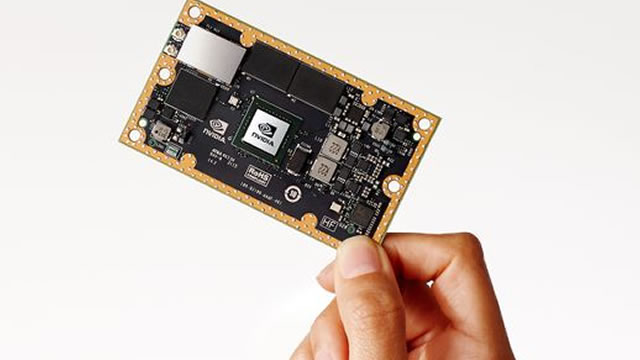
Core Insights - Nvidia's earnings report has alleviated some concerns regarding the sustainability of the AI stock rally, with analysts suggesting that the results will stabilize the AI trade as the year ends [1][4][6] - The market's reaction to Nvidia's report was mixed, with the Nasdaq Composite initially rising over 2% before falling nearly 2% in the afternoon, indicating ongoing uncertainty about AI stocks [1][2] Nvidia's Earnings Performance - Nvidia reported a 62% increase in revenue, reaching $57 billion last quarter, and projected sales of $65 billion for the current quarter [3][4] - Gross margins improved and are expected to widen, reflecting strong demand for AI infrastructure [3][5] Market Sentiment and Analyst Reactions - Wall Street analysts expressed optimism about Nvidia's results, suggesting that they would relieve some pressure on AI stocks and support the overall AI market [4][6] - Despite the positive outlook, some market participants remain skeptical about the long-term profitability of AI investments, questioning whether customers will generate returns from the hardware purchased [7][8] Concerns About AI Bubble - The debate surrounding the AI bubble intensified, with some arguing that Nvidia's growth could indicate an overvaluation in the sector [4][5] - Investors are advised to be discerning, as concerns about heavy spending and asset depreciation persist, particularly for companies heavily investing in data centers [8]
'Big Short' investor Michael Burry takes aim at Nvidia after its earnings blowout
Business Insider· 2025-11-20 15:19
Core Viewpoint - Michael Burry continues to express concerns about Nvidia and the AI sector, arguing that the current market may be experiencing a bubble despite Nvidia's strong earnings report and optimistic growth forecasts [1][2][8]. Company Performance - Nvidia reported record revenue and profit for the last quarter, leading to a 5% increase in stock price during premarket trading [2]. - The company's finance chief, Colette Kress, indicated visibility to $0.5 trillion in revenue from Blackwell and Rubin over 2025 and 2026, and projected $3 trillion to $4 trillion in annual AI infrastructure spending by 2030 [3]. Management's Perspective - CEO Jensen Huang dismissed concerns about an AI bubble, stating that the company sees a different reality [3]. - Kress emphasized the longevity of Nvidia's older chips due to the CUDA software, which allows older systems to run current applications effectively [3]. Investor Concerns - Burry criticized Nvidia's accounting practices, suggesting that the extended use of older chips does not equate to profitability, drawing parallels to airlines retaining old planes for capacity [4][5]. - He highlighted the inefficiency of older chips compared to newer models, implying that customers using them incur higher operational costs [4]. Market Dynamics - Burry pointed out the complex financial relationships between Nvidia and other AI companies, suggesting that true demand for AI products is limited and often reliant on dealer funding [6][9]. - He expressed skepticism about the sustainability of investments in the AI sector, comparing it to the dot-com bubble and warning of potential overinvestment [9]. Stock Buybacks and Compensation - Burry noted that Nvidia has repurchased nearly $113 billion in stock since 2018, yet the number of shares outstanding has increased by 47 million, raising concerns about stock-based compensation diluting owner earnings [7].

Nvidia's Earnings Lifeline: How Chipmaker's Win Pulled Broader 'Risk-On' Assets Caught In AI Crossfire - NVIDIA (NASDAQ:NVDA)
Benzinga· 2025-11-20 09:51
Core Viewpoint - Nvidia Corp.'s strong third-quarter earnings have countered concerns about an AI bubble, leading to a broad market rally across various asset classes [1][2]. Market Reaction - Nvidia's earnings spurred a "risk-on" sentiment, resulting in significant gains in crypto assets, with Bitcoin rising 1.97% to $92,608.46 and Ethereum increasing 0.33% to $3,035.46 [4]. - Small-cap indices like the Russell 1000 rose 0.34% to 3,620.03 points, while the Dow Jones Industrial Average gained 0.10% to 46,138.77 points, indicating a positive shift for growth stocks [5]. Company Performance - Nvidia's stock has increased 34.86% year-to-date, outperforming the Nasdaq Composite and Nasdaq 100 indices, which returned 17.03% and 17.47%, respectively [8]. - Following the earnings report, Nvidia shares closed 2.85% higher at $186.52 and surged 5.08% in after-hours trading, marking a 27.85% increase over the year [8]. Industry Context - The demand for AI chips remains robust, with major companies like Microsoft, Meta, and Amazon increasing capital expenditures, which supports Nvidia's position against claims of an AI bubble [4]. - Nvidia's CFO responded to criticisms regarding GPU depreciation, asserting that A100 GPUs from May 2020 are still at "100% utilization" due to software upgrades, countering allegations of inflated earnings [7].
英伟达“交卷” 业绩全面超预期!黄仁勋发声:AI已到一个“临界点”
Mei Ri Jing Ji Xin Wen· 2025-11-20 00:03
Core Viewpoint - Nvidia reported better-than-expected Q3 earnings, with revenue of $57.01 billion, a 62% year-over-year increase, surpassing market expectations of $55.19 billion. The company anticipates Q4 revenue of approximately $65 billion, exceeding the market forecast of $62 billion [2][4][9]. Financial Performance - Q3 revenue reached $57.01 billion, up 62% year-over-year, compared to analyst expectations of $55.19 billion and Nvidia's own guidance of $52.92 billion to $55.08 billion [4][8]. - Adjusted EPS for Q3 was $1.30, a 60% increase year-over-year, exceeding analyst expectations of $1.26 [4][9]. - Adjusted gross margin for Q3 was 73.6%, a slight decline of 1.4 percentage points year-over-year, with analyst expectations at 73.7% [4][9]. - Adjusted operating expenses for Q3 were $4.215 billion, up 38% year-over-year, aligning closely with analyst expectations [4][9]. Segment Performance - Data Center revenue for Q3 was $51.2 billion, a 66% year-over-year increase, surpassing analyst expectations of $49.34 billion [5][8]. - Gaming and AI PC revenue for Q3 was $4.3 billion, a 30% year-over-year increase, slightly below analyst expectations of $4.42 billion [5][6]. - Professional Visualization revenue for Q3 was $760 million, a 56% year-over-year increase, exceeding analyst expectations of $612.8 million [5][6]. - Automotive and Robotics revenue for Q3 was $59.2 million, a 32% year-over-year increase, below analyst expectations of $62.16 million [6]. Guidance and Future Outlook - For Q4, Nvidia expects revenue in the range of $65 billion, with a margin of error of 2%, compared to analyst expectations of $61.98 billion [7][9]. - The company anticipates an adjusted gross margin of 75.0% for Q4, with a margin of error of 50 basis points, exceeding analyst expectations [7][10]. - Nvidia's Q4 operating expenses are projected to be $5 billion, higher than analyst expectations of $4.59 billion [7][10]. Market Reaction - Following the earnings report, Nvidia's stock rose nearly 3% in after-hours trading, with gains expanding to over 5% shortly thereafter [3].