云端GPU

Search documents
开年连获三个人工智能IPO,对话启明创投周志峰:遵循幂律法则,坚定布局长雪坡、大赛道里的科技标的
IPO早知道· 2026-02-11 03:12
Core Viewpoint - The article emphasizes that IPOs are not the end but a starting point for companies, serving as a gathering place for resources and strength to face greater challenges ahead [4][8]. Group 1: Recent IPOs and Market Context - In the first 40 days of 2026, five AI-related hard tech companies completed their IPOs through the Hong Kong Stock Exchange's "Special Line for Science and Technology Enterprises" [3]. - Qiming Venture Partners, a prominent investor in the AI sector, has invested in more than half of these IPO projects, highlighting its role in supporting these companies from early stages [3][5]. - The success of these IPOs is attributed to a combination of favorable policies, market conditions, and the growing interest in AI technology [5][6]. Group 2: Investment Philosophy and Strategy - Qiming Venture Partners adheres to the Power Law principle in venture capital, believing that a few high-quality projects can generate significant returns, which are essential for the fund's overall value [7]. - The firm focuses on investing in core sectors of the AI ecosystem, such as cloud GPUs, large models, and AI inference chips, which are characterized by substantial market demand and technological depth [7]. - The investment strategy includes early intervention and comprehensive support for companies, from technology development to commercialization and IPO [6][7]. Group 3: Future Outlook and Challenges - The article suggests that companies should focus on their core value creation capabilities to achieve sustainable growth and maintain a reasonable market valuation post-IPO [8]. - The IPO is viewed as a milestone rather than a celebration, with the real challenge being the journey towards long-term success and innovation after going public [4][8]. - Historical examples, such as NVIDIA's post-IPO innovations, are cited to illustrate the potential for companies to leverage IPOs for further growth and market leadership [9].


英伟达暂时让全世界松了一口气
36氪· 2025-11-28 13:35
Core Viewpoint - The article discusses the ongoing debate about the existence of an AI bubble, particularly in light of Nvidia's recent earnings report, which exceeded market expectations and provided a positive outlook for future growth [4][6][20]. Group 1: Nvidia's Financial Performance - Nvidia reported third-quarter revenue of $57 billion, a 62% increase year-over-year, with diluted earnings per share of $1.3, surpassing market expectations [5][20]. - The data center business contributed $51.2 billion in revenue, accounting for nearly 90% of total revenue, and grew by 66% year-over-year [20][21]. - Nvidia provided a bold fourth-quarter revenue guidance of approximately $65 billion, reflecting a year-over-year growth of about 65% [20][21]. Group 2: Market Reactions and Implications - Following the earnings report, Nvidia's stock price surged over 6% in after-hours trading, positively impacting other tech giants like Amazon, Microsoft, and Google [6][20]. - Despite the positive earnings, concerns about the sustainability of AI spending and potential market corrections remain prevalent among analysts [6][12]. Group 3: Strategic Positioning and Collaborations - Nvidia is evolving from a chip supplier to a central player in defining and orchestrating future AI computing power, as evidenced by its significant partnerships with OpenAI and Anthropic [26][27]. - The collaboration with OpenAI involves a $100 billion partnership to deploy Nvidia systems for AI infrastructure, indicating a strong commitment to future AI developments [26][27]. - Nvidia's partnerships with major tech companies are expected to drive substantial capital expenditures, further solidifying its market position [27][29]. Group 4: Industry Context and Challenges - The article highlights the critical role of Nvidia's earnings in assessing the broader AI narrative and its implications for the tech sector, especially amid macroeconomic uncertainties [10][11][12]. - Concerns about high valuations and the potential for a market correction are underscored by significant sell-offs from major investors, including Peter Thiel and Bridgewater Associates [15][16]. - The ongoing debate about whether AI represents a bubble is intensified by macroeconomic factors, including interest rate fluctuations and their impact on corporate financing [10][11][12].
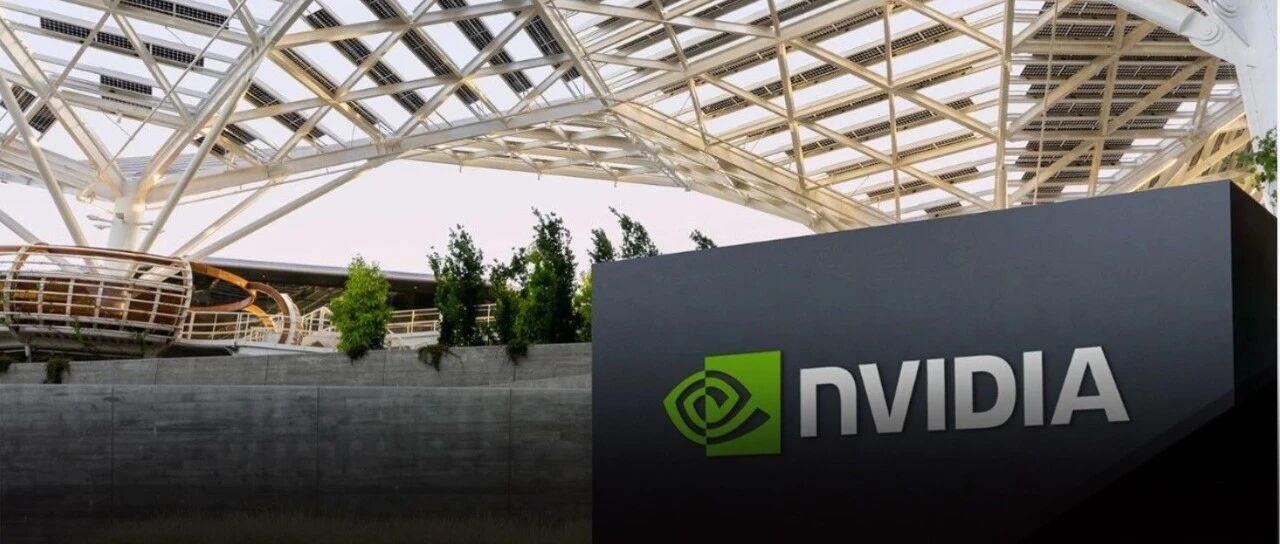
英伟达的“引力”与“孤岛”:业绩增速再度抬头,中国市场仍是缺口
Hua Xia Shi Bao· 2025-11-21 04:10
Core Viewpoint - Nvidia's recent financial report indicates a significant recovery in revenue and net profit growth, driven primarily by strong demand in the data center business, despite challenges in the Chinese market [3][4]. Financial Performance - For the third quarter of fiscal year 2026, Nvidia reported revenue of $57 billion, a 22% increase from the previous quarter and a 62% increase year-over-year; net profit reached $31.9 billion, up 65% year-over-year and 21% quarter-over-quarter [4]. - The revenue growth rate had previously slowed down, but this quarter marks the first simultaneous increase in both revenue and net profit after several quarters of decline [4]. - The data center segment remains the primary revenue driver, generating $51.215 billion, a 66% increase year-over-year; gaming revenue was $4.265 billion, up 30%; professional visualization revenue was $760 million, up 56%; and automotive revenue was $592 million, up 32% [5]. Market Dynamics - Nvidia's CEO Jensen Huang dismissed concerns about an "AI bubble," asserting that the company is well-prepared to succeed in all stages of AI development [6][7]. - The demand for Nvidia's Blackwell architecture GPUs has exceeded expectations, contributing significantly to revenue growth [5][7]. - Despite Nvidia's strong performance, major stakeholders, including SoftBank and Huang himself, have sold off significant shares, raising concerns about potential market bubbles [6][7]. Strategic Investments - Nvidia continues to invest strategically in companies like Intel, OpenAI, and Nokia to expand its AI ecosystem and ensure optimal performance across its product range [8]. - The company aims to maintain a robust cash flow management approach while pursuing these investments [8]. Challenges in the Chinese Market - Nvidia's market share in China has plummeted from 95% to 0% for high-end AI chips due to U.S. export controls, leading to a complete withdrawal from the Chinese market [10]. - The company expressed disappointment over missed large purchase orders in China due to geopolitical issues and increased competition [10]. - Nvidia's absence in the Chinese market has created opportunities for local AI chip manufacturers, such as Cambrian, which reported a 1332.52% year-over-year revenue increase [11].


英伟达力挽AI泡沫论 潜在风险信号浮现
Bei Jing Shang Bao· 2025-11-21 03:33
Core Viewpoint - The recent earnings report from NVIDIA has temporarily alleviated concerns about a potential AI bubble, showcasing strong financial performance while also revealing some underlying risk signals [1][2]. Financial Performance - For Q3 of FY2026 (ending October 26, 2025), NVIDIA reported a revenue increase of 62.5% year-over-year and a net profit growth of 65%, with data center revenue surpassing $50 billion for the first time [2]. - NVIDIA's guidance for the next quarter anticipates total revenue of $65 billion, exceeding analyst expectations of $61.7 billion, and does not include revenue from data centers in China [3]. Demand and Inventory Concerns - Despite strong earnings, NVIDIA's accounts receivable have been rising, reaching $33.391 billion in Q3, with 65% coming from four major clients [4][5]. - Inventory levels have also increased to $19.784 billion, with days inventory outstanding (DIO) rising to 117.5 days, significantly higher than the average of the past five years [4]. Customer Concentration Risks - NVIDIA's revenue is heavily reliant on a few major clients, with four direct customers contributing 61% of total revenue, up from 56% in the previous quarter [5][6]. - This high customer concentration poses risks to revenue stability if these clients alter their capital expenditure plans [6]. Market Sentiment and Analyst Opinions - Analysts have mixed views, with some maintaining bullish ratings on NVIDIA, citing strong AI demand and growth potential for cloud service providers [7]. - Conversely, notable investors like Peter Thiel and Bridgewater Associates have significantly reduced their holdings in NVIDIA, indicating caution regarding its high valuation and associated risks [8]. Broader AI Market Context - The AI sector is experiencing both excitement and skepticism, with discussions around potential bubbles and the long-term impacts of AI on various industries [8]. - Experts suggest that while there may be short-term speculative bubbles, the transformative potential of AI should not be underestimated [8].
英伟达力挽AI泡沫论
Bei Jing Shang Bao· 2025-11-20 14:57
Core Viewpoint - The recent earnings report from Nvidia has temporarily alleviated concerns about a potential AI bubble, showcasing strong financial performance while also revealing some underlying risks [1][3]. Financial Performance - For the third quarter of fiscal year 2026 (ending October 26, 2025), Nvidia reported a revenue increase of 62.5% year-over-year, with net profit rising by 65% [3]. - The data center business achieved a quarterly revenue exceeding $50 billion for the first time [3]. - Nvidia's guidance for the next quarter anticipates total revenue of $65 billion, surpassing analyst expectations of $61.7 billion [4]. Demand Signals - Nvidia's Blackwell series chips are in high demand, and cloud GPUs are sold out, addressing market concerns about peak AI demand [3]. - However, Nvidia's accounts receivable have been rising, reaching $33.391 billion in the third quarter, with 65% coming from four major clients [5]. - Inventory levels have also increased to $19.784 billion, with inventory turnover days rising to 117.5 days, significantly higher than the average of the past five years [6]. Customer Concentration Risks - Nvidia's revenue is heavily reliant on a few major clients, with four direct customers contributing 61% of total revenue, up from 56% in the previous quarter [6][7]. - This high customer concentration poses risks to revenue stability if these clients alter their capital expenditure plans [7]. Market Sentiment - Analysts maintain a positive outlook on Nvidia, with firms like Morgan Stanley and UBS reiterating buy ratings and optimistic revenue forecasts [8]. - Conversely, notable investors like Peter Thiel and Bridgewater Associates have significantly reduced their holdings in Nvidia, indicating caution regarding its high valuation [9].

英伟达暂时让全世界松了一口气
3 6 Ke· 2025-11-20 09:57
Core Viewpoint - Nvidia's third-quarter earnings report exceeded expectations, with CEO Jensen Huang dismissing concerns about an "AI bubble," asserting that there is no bubble as feared [1][2][11] Financial Performance - Nvidia reported third-quarter revenue of $57 billion, a 62% increase year-over-year, with diluted earnings per share of $1.3, surpassing market expectations [2][11] - The company provided a bold guidance for the next quarter, projecting revenue growth of approximately 65%, reaching $65 billion, with a margin of 2% [2][11] Market Impact - Following the earnings report, Nvidia's stock surged over 6% in after-hours trading, positively influencing the stock prices of major tech companies like Amazon, Microsoft, and Alphabet [2][11] - Nvidia's market capitalization reached $5 trillion, marking an 11-fold increase over three years, making it a key indicator for AI demand [1][2] Industry Dynamics - Nvidia's performance is critical for assessing the sustainability of AI investments, as it serves as a barometer for the broader tech sector [5][10] - The company is increasingly viewed as a central player in defining and orchestrating the future of AI computing, moving beyond just being a chip supplier [14][17] Competitive Landscape - The ongoing debate about AI spending sustainability and potential market corrections has led to significant actions from both bullish and bearish investors, with notable sell-offs from major funds [8][9] - Nvidia's partnerships with companies like OpenAI and Anthropic highlight its strategic positioning in the AI ecosystem, securing substantial future demand for its products [14][15] Future Outlook - Nvidia's strong cash flow, projected revenue growth, and strategic partnerships suggest a robust outlook, although concerns about dependency on data center business and geopolitical risks remain [11][12][16] - The company's ability to convert substantial orders into consistent cash flow will be crucial for maintaining its high valuation amidst market uncertainties [12][16]
黄仁勋“打”了孙正义和华尔街分析师的脸
Jing Ji Guan Cha Wang· 2025-11-20 09:06
Core Viewpoint - Nvidia's Q3 earnings report exceeded market expectations, showcasing strong revenue growth driven by AI chip demand, despite ongoing concerns about an AI bubble in the market [1][2][4]. Financial Performance - Nvidia reported Q3 revenue of $57.01 billion, a 62% year-over-year increase, surpassing the market expectation of $55.19 billion [1]. - Net profit rose 65% year-over-year to $31.91 billion, with adjusted earnings per share at $1.30, exceeding the forecast of $1.25 [1]. - The data center business, a key revenue driver, generated $51.2 billion, reflecting a 66% year-over-year growth, attributed to strong AI chip demand [1]. Future Guidance - Nvidia's Q4 revenue guidance is set between $65 billion, indicating a potential new quarterly record and a year-over-year growth of over 65% [1]. - The gross margin is expected to improve from 73.5% to 75% year-over-year [1]. Market Sentiment and Concerns - Despite strong earnings, there are rising concerns about an AI bubble, with over 60% of fund managers in a recent survey believing AI stocks are overvalued [2][3]. - Notable investors, including Masayoshi Son and Peter Thiel, have liquidated their Nvidia holdings, raising alarms about the sustainability of AI market growth [2][3]. - Michael Burry's hedge fund has taken significant short positions against Nvidia, indicating skepticism about the AI sector's future [2][3]. Industry Dynamics - Nvidia's CEO Jensen Huang emphasized the ongoing demand for AI technology, countering claims of an AI bubble and asserting that AI is at a critical juncture [4]. - The company has made substantial investments in AI, including a planned $100 billion investment in OpenAI, which will utilize Nvidia's GPUs for AI data centers [5]. - Nvidia's stock price increased over 5% post-earnings report, maintaining its position as the highest-valued company globally, with a market cap of $4.53 trillion [5].
时报图说丨英伟达重磅发布,业绩大超预期
Zheng Quan Shi Bao Wang· 2025-11-20 04:32
Core Viewpoint - Nvidia's latest earnings report for the third quarter of fiscal year 2026 significantly exceeded expectations, showcasing strong revenue growth and robust guidance for the upcoming quarter, alleviating concerns about an "AI bubble" in the market [3][6]. Financial Performance - For the third quarter of fiscal year 2026, Nvidia reported revenue of $57.01 billion, representing a substantial year-over-year increase of 62%, surpassing analyst expectations of $55.19 billion [3][4]. - Adjusted operating profit reached $37.75 billion, also up 62% year-over-year, exceeding the forecast of $36.46 billion [4]. - Research and development expenses increased by 39% year-over-year, while the market had anticipated a 46% rise [4]. Profitability Metrics - The adjusted gross margin was reported at 73.1%, reflecting a year-over-year increase of 1.4 percentage points, although slightly below the analyst expectation of 73.7% [5]. Future Guidance - For the fourth quarter of fiscal year 2026, Nvidia expects revenue to be around $65 billion, which is above market expectations [7]. - The adjusted gross margin is projected to be between 74.5% and 75.5%, with the median analyst expectation at 74.6% [8]. Market Demand and Product Performance - Nvidia's CEO highlighted that the sales of the latest Blackwell architecture chips have exceeded expectations, with cloud GPUs sold out [9]. - The demand for computing in both training and inference areas is accelerating, with both showing exponential growth [9]. - The AI ecosystem is rapidly scaling, with an increasing number of new foundational model developers and AI startups emerging across various industries and countries [10][11]. Product Insights - The best-selling chip series currently is the Blackwell Ultra, which is the second generation of Blackwell chips, with demand consistently exceeding expectations [13]. - Nvidia anticipates $500 billion in revenue from the Blackwell and Rubin projects [13]. - The A100 GPUs, released six years ago, are still operating at full capacity, indicating an extended lifespan for GPUs [13]. - The Rubin chip is expected to enter mass production in the second half of 2026 [13].

英伟达炸裂业绩打飞“AI泡沫”,黄仁勋:云端GPU卖光了
量子位· 2025-11-20 04:09
Core Viewpoint - Nvidia's third-quarter earnings report exceeded expectations, dispelling concerns about an "AI bubble" and showcasing strong growth across its business segments [7][10][50]. Financial Performance - Nvidia reported record revenue of $57 billion for Q3 FY26, surpassing analyst expectations of $55.2 billion, with a year-over-year increase of 62% and a quarter-over-quarter increase of 22% [8][11]. - Net income reached $31.9 billion, a 65% increase year-over-year, with diluted earnings per share (EPS) of $1.30, exceeding market expectations of $1.25 [11][8]. - The company anticipates revenue to exceed $60 billion in Q4, potentially reaching $65 billion [10][49]. Business Segments - **Data Center**: This segment is the backbone of Nvidia's business, generating $51.2 billion in revenue, a 66% year-over-year increase and a 25% quarter-over-quarter increase [19][18]. - Data center computing revenue reached $43 billion, up 56% year-over-year [21]. - Networking revenue surged 162% year-over-year to $8.2 billion [23]. - **Gaming**: Revenue from gaming increased by 30% year-over-year, driven by demand for high-end GPUs, although it saw a slight quarter-over-quarter decline of 1% [26][27]. - **Professional Visualization**: This segment saw a 56% year-over-year increase in revenue, attributed to the launch of the new DGX Spar platform [29][30]. - **Automotive**: Revenue grew by 32% year-over-year, primarily due to the adoption of Nvidia's autonomous driving platform [34]. Market Sentiment and Future Outlook - Nvidia's strong performance has alleviated some market fears regarding the sustainability of AI investments, with the CEO asserting that the AI ecosystem is expanding rapidly [50][55]. - Despite concerns about potential limitations in AI infrastructure spending, Nvidia's results suggest ongoing demand for AI capabilities [52][50]. - The company's ability to maintain growth in a challenging market environment has led to increased stock prices, positively impacting the broader tech sector [44][2].

地产股集体飙升,中行、工行创新高,小米港股市值跌破万亿港元
21世纪经济报道· 2025-11-20 04:02
Market Overview - On November 20, the A-share market opened high but closed lower, with the ChiNext Index down 0.52% after previously rising over 1.5% [1] - The total trading volume in the Shanghai and Shenzhen markets reached 1.11 trillion yuan, an increase of 23 billion yuan compared to the previous trading day [1] - Over 3,000 stocks in the market experienced declines [1] Sector Performance - The banking sector showed strength, with China Bank reaching a historical high and its market capitalization surpassing 2 trillion yuan [3] - Industrial chains related to lithium batteries were active, with stocks like Baichuan Co. hitting the daily limit [3] - The tourism, food, retail, and textile sectors saw declines, with companies like Shuiyang Co. and Nanjing Shanglv experiencing significant drops [3] Banking Sector Insights - China Bank's stock price reached a historical high, with a market value exceeding 2 trillion yuan, while Industrial and Commercial Bank of China also hit a new high with a market cap nearing 2.99 trillion yuan [3][4] - According to Galaxy Securities, the banking sector's performance in Q3 was supported by stable growth despite concerns over non-interest income, with net interest income showing signs of improvement [4] - The ongoing policy guidance aims to optimize the credit structure and protect interest margins, which could enhance the growth potential of banks [4] Real Estate Sector Activity - The real estate sector saw a late surge, with stocks like Shijian Co., Fuxing Co., and Wo Ai Wo Jia hitting the daily limit [3][6] - The performance of the real estate sector in the Hong Kong market was also notable, with companies like Zhengrong Real Estate and Green Scene China Real Estate seeing significant gains [11] AI Industry Update - Nvidia reported a third-quarter revenue of $57 billion, a 22% increase quarter-over-quarter and a 62% year-over-year surge, exceeding market expectations [9] - The demand for cloud services continues to rise, with capital expenditures from overseas cloud providers being revised upward, indicating a robust growth outlook for the optical module industry [9] Xiaomi Market Performance - Xiaomi's stock price fell over 3%, leading to its market capitalization dropping below 1 trillion Hong Kong dollars [9]