
AI伴游

Search documents
重庆市人大代表:AI要成为市民“触手可及”的民生红利
Zhong Guo Xin Wen Wang· 2026-01-29 07:22
Core Viewpoint - The integration of artificial intelligence (AI) into daily life is essential for enhancing the quality of life for citizens in Chongqing, with a focus on making AI a tangible benefit for the public [1] Group 1: AI Development and Implementation - The Chongqing government aims to expand the "Artificial Intelligence+" initiative as part of its 2026 work report, emphasizing the importance of AI in urban digital transformation and public service [1] - The establishment of the Chongqing AI Bay Area marks a significant step in creating a national hub for AI applications, supported by a comprehensive "government-industry-academia-research-application-finance" innovation ecosystem [1] Group 2: Talent Development and Resource Integration - Recommendations include creating an integrated urban AI industry service platform that consolidates core resources such as computing power and enterprise services, providing ready-to-use AI solutions validated by state-owned enterprises [2] - A local AI talent training and industry acceleration center is proposed to enhance the synergy between innovation resources and local industries, utilizing project-driven practical training and collaborative course development [2] Group 3: AI Applications in Various Sectors - In the tourism sector, AI applications like smart travel companions and real-time translation tools are suggested to enhance visitor experiences and streamline travel planning [2] - In education, integrating AI into all aspects of teaching is recommended to reduce burdens on teachers and students through intelligent teaching assistants and learning companions [2] - In healthcare, AI is proposed for use in diagnostic assistance, intelligent medical record writing, and medication management, particularly in grassroots medical institutions and hospitals [2]
“智慧旅游”重塑文旅消费体验 数字技术让“诗和远方”触手可及
Yang Shi Wang· 2025-11-17 01:33
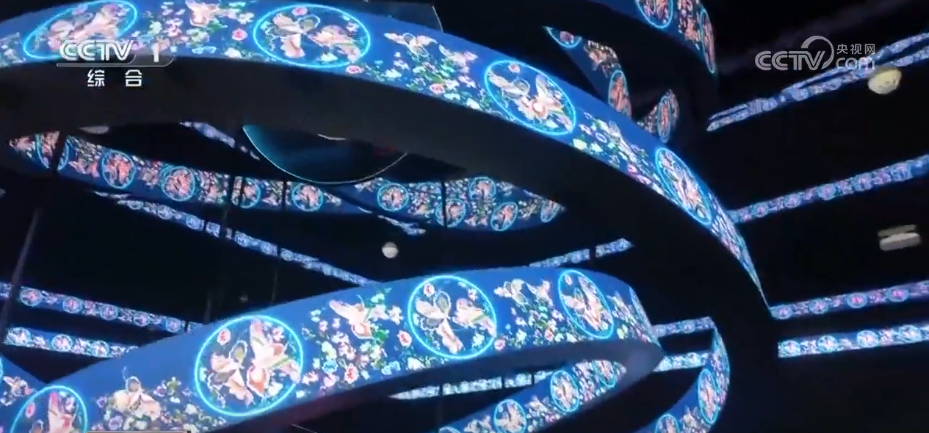
Core Insights - The State Council of China has issued implementation opinions to accelerate the application of digital technology in the cultural and tourism sectors, aiming to make cultural experiences more accessible and immersive [1] Group 1: Digital Technology in Cultural and Tourism - Digital technologies such as AI and VR are being utilized to create interactive and immersive experiences in cultural exhibitions, allowing visitors to engage with traditional culture in innovative ways [5][7] - In museums like the Nanjing Museum and Sanxingdui Museum, advanced technologies enable visitors to experience historical narratives and artifacts in a more engaging manner, enhancing the overall visitor experience [7] - The integration of digital technology is transforming the tourism consumption experience from mere sightseeing to interactive and immersive engagements, supported by AI, VR, and 5G technologies [9] Group 2: AI and Smart Tourism - The introduction of AI-powered tour guides in scenic areas, such as Huangshan, provides personalized experiences by offering real-time guidance and information based on visitors' locations [11] - The use of a digital model in Zhejiang allows tourists to access comprehensive travel information through a single QR code, streamlining the travel experience [9] Group 3: Innovative Cultural Presentations - Drone performances have become a new highlight in cultural tourism, exemplified by a recent event in Hubei where 3,500 drones created a visually stunning display, merging poetry and technology [15]

老牌街区如何焕新?南京1912用“文化+科技”破圈
Jiang Nan Shi Bao· 2025-10-09 03:16
Core Insights - The 1912 district in Nanjing is redefining its identity beyond a nightlife hub by integrating culture and technology, aiming for a strategic transformation towards a "cultural + commercial + tourism + technology" model [1][2][7] Group 1: Cultural and Technological Integration - The district showcases a blend of cultural events, such as the ethnic dance drama "Dream of the Red Chamber," alongside tech exhibitions like the AI robot showcase, highlighting its diverse appeal [1][2] - The introduction of immersive experiences through technology, including AI and VR projects, aims to transform the district into an interactive space rather than a static backdrop [3][7] Group 2: Strategic Collaborations - The partnership with Jiangsu Cultural Investment Group is crucial for the district's evolution, focusing on creating a cultural ecosystem that extends beyond traditional commercial spaces [4] - Initiatives include developing cultural spaces that connect with nearby cultural venues, enhancing the district's role as a "city cultural living room" [4] Group 3: Diverse Experience Offerings - The district plans to introduce various experience clusters, such as performance arts through collaborations with the Jiangsu Grand Theatre and international drama festivals, merging entertainment with commerce [5] - Creative initiatives, including the establishment of an incubation base for trendy designs, aim to position the district as a source of cultural innovation [6] Group 4: Future Vision - The overall strategy seeks to elevate 1912 from a mere street to a comprehensive cultural district, emphasizing continuous content innovation and ecological restructuring [7][8] - The transformation reflects a broader narrative of how cities can empower old landmarks and activate new vitality, setting a benchmark for urban renewal [8]