智慧旅游

Search documents
建议提案办理见成效 | 深入听民意抓落实 更好惠民生促消费——商务部认真办理代表委员建议提案
Xin Hua She· 2026-02-25 03:17
Core Viewpoint - The government is actively responding to suggestions from representatives regarding the promotion of service consumption, which is seen as a key driver for economic growth and improving people's livelihoods [1] Group 1: Policy Initiatives - A series of policies aimed at boosting service consumption have been implemented, reflecting the government's commitment to enhancing consumer experiences and economic vitality [1] - The Ministry of Commerce has developed a work plan to address the suggestions made by representatives, conducting extensive research and discussions across various regions [2] - New policies have been introduced to accelerate the cultivation of new growth points in service consumption and to expand service consumption through innovative business models and pilot programs [2] Group 2: Digital Consumption - Digital technology is significantly expanding the space and experience of service consumption, with representatives highlighting the need for improvements in infrastructure and service supply [2][3] - The Ministry of Commerce has issued guidelines to promote digital consumption, incorporating suggestions from representatives to enhance demand stimulation and create a supportive environment for digital products and services [3] Group 3: Engagement with Representatives - The Ministry of Commerce is committed to effectively processing suggestions from representatives, ensuring that their insights are translated into practical measures for reform and development [5] - In 2025, the Ministry received a total of 1,020 suggestions and proposals during the National Two Sessions, indicating a strong engagement with various stakeholders in the business sector [4]
深入听民意抓落实 更好惠民生促消费
Xin Hua She· 2026-02-25 01:55
Group 1 - The core viewpoint emphasizes the importance of service consumption as a key driver of economic growth and a reflection of public well-being, with recent policies aimed at promoting service consumption receiving positive feedback from government representatives [1] - The shift in consumer spending towards enhancing quality of life and self-development is noted, alongside challenges such as the low contribution of the service sector to GDP compared to developed countries, insufficient supply of new and quality consumption, and a lack of policy support and inter-departmental coordination [1] - Suggestions were made to adjust consumption promotion policies, innovate service consumption formats, promote digital transformation in traditional services, and enhance policy coordination and regulatory efforts [1] Group 2 - The Ministry of Commerce quickly engaged with representatives to discuss and implement suggestions, leading to the development of a work plan and conducting research across various regions [2] - Policies were introduced to accelerate the cultivation of new growth points in service consumption and expand service consumption, including actions to improve service quality and introduce new consumption models [2] - Digital technologies are expanding the service consumption landscape, with representatives highlighting issues such as infrastructure gaps and structural imbalances in product service supply [2] Group 3 - The Ministry of Commerce is committed to implementing representative suggestions as a key strategy for advancing digital consumption, with a focus on creating a supportive environment for consumer demand and innovative supply [3] - The 2025 guidelines for developing digital consumption reflect the suggestions made by representatives, emphasizing the need for a robust support system, new supply models, and a conducive environment for boosting consumer confidence [3] - Representatives have contributed insights based on their expertise and field research to enhance service consumption and promote new consumption formats [3] Group 4 - In 2025, the Ministry of Commerce received 1,020 proposals during the National Two Sessions, focusing on key areas such as domestic and foreign trade, foreign investment, and bilateral economic relations [4] - The Ministry aims to improve the proposal handling mechanism and innovate work strategies to achieve consensus and collective efforts with representatives [4] Group 5 - The Ministry of Commerce will continue to align with the central government's decisions, enhance the quality and effectiveness of proposal handling, and transform representative insights into practical measures for reform and development [5]
建议提案办理见成效丨深入听民意抓落实 更好惠民生促消费——商务部认真办理代表委员建议提案
Xin Hua She· 2026-02-24 12:29
Core Viewpoint - The article emphasizes the importance of consumer spending as a key driver of economic growth and highlights the government's proactive measures in responding to suggestions from representatives to enhance service consumption and improve living standards [1][4]. Group 1: Government Response to Suggestions - The Ministry of Commerce has actively engaged with representatives to address their suggestions, leading to the formulation of practical measures aimed at boosting service consumption [2][3]. - A total of 1,020 suggestions and proposals were received by the Ministry of Commerce during the 2025 National Two Sessions, with 584 being suggestions and 436 proposals, covering various aspects of trade and economic reform [4]. Group 2: Focus on Service Consumption - The article outlines a shift in consumer spending towards enhancing quality of life and self-development, while also noting the challenges in service sector contributions to GDP compared to developed countries [1][2]. - The Ministry of Commerce has introduced policies to cultivate new growth points in service consumption and expand service offerings, including innovative consumption models and pilot programs [2][3]. Group 3: Digital Consumption Development - Representatives have raised concerns regarding the infrastructure and regulatory challenges facing digital consumption, prompting the Ministry of Commerce to prioritize these issues in their policy framework [3]. - The Ministry has collaborated with other departments to develop guidelines aimed at fostering digital consumption, addressing structural imbalances in product and service offerings [3].
2026丙午马年文旅市场大预测:最长春节后,旅游市场将奔向何方?
Sou Hu Cai Jing· 2026-02-13 17:03
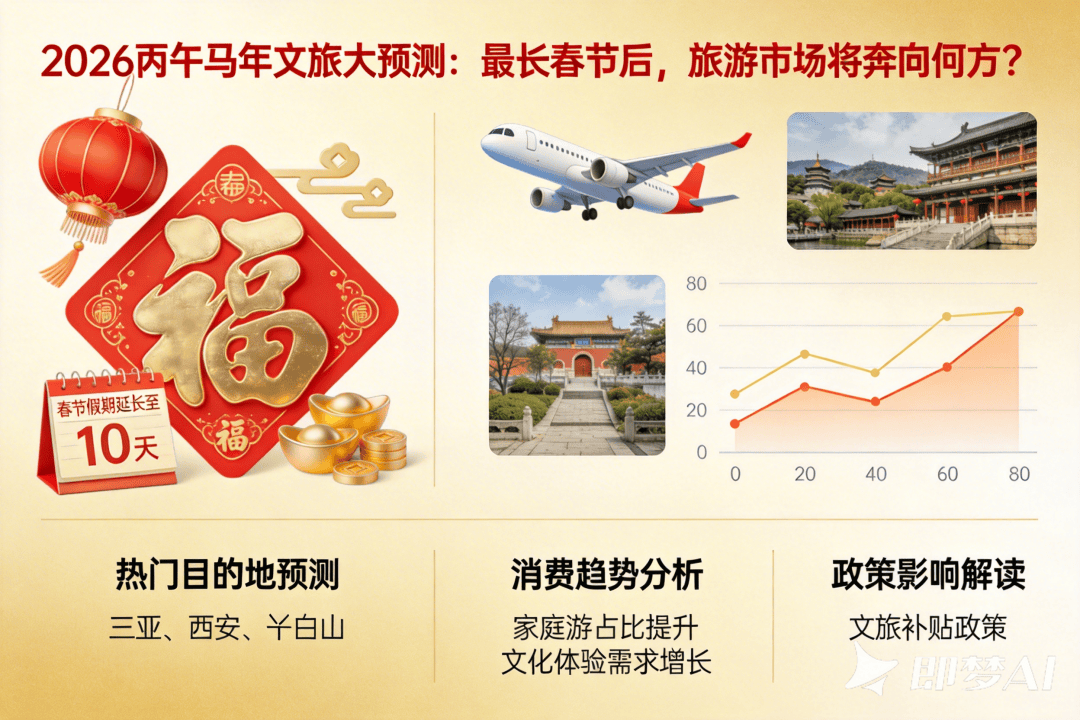
Core Insights - The 2026 Year of the Horse is expected to bring a significant boost to the cultural and tourism market, coinciding with the longest Spring Festival holiday in history, leading to a surge in travel demand and bookings [1][15] - The market is predicted to experience three major trends: quality upgrades, composite experiences, and in-depth exploration throughout the year [1] Group 1: Characteristics of the 2026 Cultural and Tourism Market - The "segmented New Year" has become a new norm, with a notable increase in travel peaks during the holiday, particularly from the second to the third day of the New Year, where booking volume increased by over 40% compared to the same period in 2025 [3] - The cultural consumption driven by the "year flavor" is becoming a core consumer focus, with hotel bookings in Guangdong increasing by 169% and cultural sites like the Emei Mountain and Sanxingdui Museum gaining popularity [4] - A clear "polarization" in winter tourism is observed, with significant growth in bookings for both snow destinations in the northwest and warm destinations in the south, reflecting tourists' pursuit of seasonal experiences [5] Group 2: Annual Trends Forecast - The outbound tourism market is expected to see explosive growth, with long-haul outbound bookings nearing completion and a 60% increase in travelers compared to last year, while short-haul destinations have seen a 160% increase [6] - Domestic tourism is shifting from "check-in" to "immersion," with a 300% increase in travelers compared to last year, and a growing preference for comprehensive cultural experiences [8] - The consumer structure is evolving towards quality and small group travel, with groups of 20 or fewer becoming the preferred choice, reflecting a post-pandemic preference for privacy and flexibility [10] Group 3: Key Market Segments - Educational tourism is expected to benefit from favorable policies and market conditions, transitioning from simple tours to deeper, project-based learning experiences [12] - The silver-haired tourism market is expanding, with opportunities in three to four-line cities that offer pleasant climates and good medical facilities [13] - The inbound tourism market is anticipated to thrive as foreign tourists seek to experience the Chinese New Year, with a focus on cultural experience products [14]

立足旅游行业优势 更好服务对外开放
Xin Lang Cai Jing· 2026-01-27 23:07
Core Viewpoint - The tourism industry plays a crucial role in implementing China's strategy of "opening up" and promoting multi-field cooperation, which is essential for enhancing cultural exchange and boosting the economy through international collaboration [1]. Group 1: Strategies for Opening Up the Tourism Industry - Deepening the opening of the tourism industry requires institutional innovation to align with international trade rules, optimizing visa policies, and expanding digital currency payment systems [2]. - Building cooperative bridges through the Belt and Road Initiative is vital, including enhancing border tourism zones and improving transportation connectivity with key source countries [3]. Group 2: Industry Innovation and Development - Emphasizing a "tourism+" cross-industry approach can stimulate industry dynamics, focusing on cultural empowerment and developing unique tourism products based on traditional crafts and heritage [4]. - Establishing a multi-layered, precise international tourism promotion system is necessary for enhancing China's global tourism brand, utilizing targeted marketing strategies and international tourism exhibitions [5]. Group 3: Talent Development for Internationalization - Strengthening an international talent support system is essential, including training professionals with global perspectives and enhancing service capabilities in key tourist cities [6][7].
不断优化城市文化产品供给(专题深思)
Ren Min Wang· 2025-12-16 22:32
Group 1: Cultural Development and Urbanization - The core viewpoint emphasizes that cultural prosperity is a significant marker of Chinese-style modernization, with a focus on optimizing cultural product supply to empower economic and social development [1] - The document highlights the importance of urban cultural development, stating that cities should not only focus on material construction but also on spiritual value shaping [1] - The recent policy document from August outlines the need to promote urban cultural prosperity and optimize cultural product supply as a pathway to enhance cultural welfare [1] Group 2: Heritage and Cultural Products - The importance of inheriting urban cultural heritage is stressed, as culture is seen as the essence and unique identifier of a city [2] - The document provides examples of local cultural revitalization, such as Jingdezhen's transformation of ceramic culture into modern products, showcasing how historical elements can be modernized [2] - It suggests that creative design can enhance urban aesthetics by transforming old factories and neighborhoods into spaces for cultural experiences [2] Group 3: Accessibility and Inclusivity in Cultural Services - The key to enhancing cultural welfare lies in the inclusivity and accessibility of cultural product supply, ensuring that services reach diverse populations [3] - The document advocates for innovative cultural service models that prioritize community needs and facilitate easy access to cultural experiences [3] - Examples of initiatives like citizen art night schools and community cultural spaces are mentioned as ways to improve public cultural service delivery [3] Group 4: Cultural Industry Development - The document discusses the need to accelerate cultural industry development and establish a robust cultural market system, highlighting the role of value innovation in creating new economic models [4] - It emphasizes the integration of culture with sports, tourism, and commerce to create high-value growth dimensions for urban economies [4] - The use of technology, such as virtual reality and artificial intelligence, is encouraged to expand cultural experiences beyond physical spaces [4] Group 5: Governance and Institutional Environment - The optimization of cultural product supply requires modernization of urban governance systems, shifting from single-entity management to collaborative governance [5] - The document calls for the establishment of legal frameworks to support cultural prosperity, including laws for cultural industry promotion and heritage protection [6] - It highlights the importance of encouraging social participation in public cultural services to enhance the relevance and richness of cultural offerings [6]
文化和旅游部党组书记、部长孙业礼:大力发展智慧旅游,提升旅游产品体验性、舒适性
Cai Jing Wang· 2025-12-12 03:03
Core Viewpoint - The article emphasizes the need to enrich the supply of high-quality tourism products and enhance the integration of culture and tourism to foster high-quality development in the industry [1] Group 1: Enhancing Tourism Product Supply - The Ministry of Culture and Tourism aims to improve the design and development of tourism products, introducing more high-standard offerings that reflect Chinese cultural spirit [1] - There is a focus on revitalizing tourist attractions and enhancing the quality of vacation areas, as well as cultivating leisure and specialty tourism products [1] - The development of smart tourism is prioritized to improve the experiential and comfort aspects of tourism products [1] Group 2: Improving Tourism Service Quality - The article highlights the importance of strengthening monitoring and evaluation of tourism service quality, as well as cultivating high-quality tourism service brands [1] - Enhancements in public tourism services are necessary, including improvements in public information, transportation, and emergency rescue services [1] - There is a call for increased safety management in tourism and stricter market regulation to address prominent issues [1] Group 3: Promoting Cultural and Tourism Integration - The integration of culture and tourism is emphasized, with a focus on using culture to enhance tourism and vice versa, fostering a blend of cultural and tourism products and markets [1] - The article advocates for incorporating more quality cultural content into tourism products and services, promoting cultural heritage tourism, red tourism, and educational tourism [1] - The strategy includes deepening the integration of culture and tourism with various industries to extend the industrial chain, create new value, and improve the quality of life for the public [1]
新华鲜报·“十四五”发展亮点丨1.65万家A级景区!越来越“美”的旅游
Xin Hua Wang· 2025-12-04 01:29
Core Insights - The article highlights the significant growth in China's tourism sector during the "14th Five-Year Plan" period, with approximately 2,600 new A-level scenic spots established, bringing the total to 16,500 [1] - The "15th Five-Year Plan" aims to enhance the quality of tourism services and diversify high-quality tourism products, contributing positively to economic and social development [1] Group 1: Tourism Development - The introduction of 40 national-level tourist resorts, 204 national-level leisure streets, and 345 national-level night cultural and tourism consumption clusters showcases the expansion of tourism infrastructure [1] - The article emphasizes the accessibility of beautiful scenic spots and the variety of experiences available to tourists, with over 1,597 key rural tourism villages and towns and more than 1,400 provincial-level resorts and leisure areas [1] Group 2: Industry Integration - The integration of tourism with agriculture, industry, and sports has extended the industry chain and fostered new growth points, promoting rural tourism tailored to local conditions [2] - The transformation of industrial production lines and heritage sites into tourism products illustrates the potential of the "tourism+" model, which is gaining traction [2] Group 3: Technological Advancements - The development of smart tourism has accelerated, with 36 smart tourism solutions and 39 examples of age-friendly smart tourism, enhancing the overall visitor experience [2] - The article notes the increasing emphasis on technology in tourism, making services more personalized and immersive [2] Group 4: Visitor Experience - The tourism industry is focusing on diverse and personalized visitor needs, leading to the emergence of customized travel options, educational tours, family trips, and popular cruise and yacht experiences [5] - The recovery of the tourism sector post-pandemic is evident, with domestic travel and spending showing high growth rates, indicating a robust rebound [5] Group 5: Future Outlook - The tourism sector is positioned to better serve quality living, promote economic development, and enhance cultural exchange, contributing to China's modernization goals [6]
“智慧旅游”重塑文旅消费体验 数字技术让“诗和远方”触手可及
Yang Shi Wang· 2025-11-17 01:33
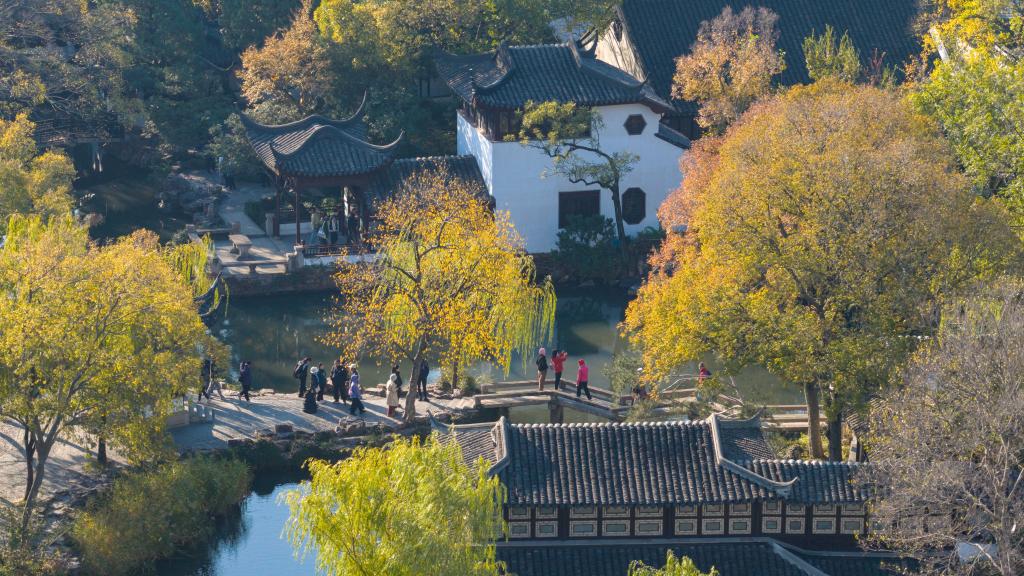
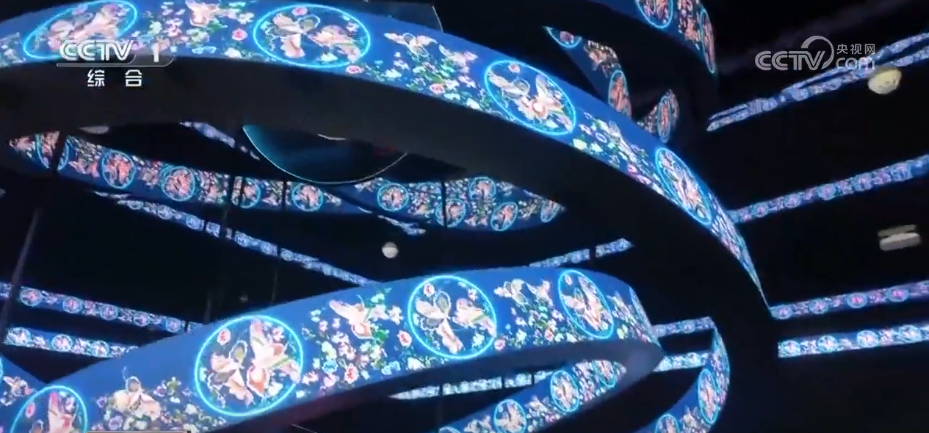
Core Insights - The State Council of China has issued implementation opinions to accelerate the application of digital technology in the cultural and tourism sectors, aiming to make cultural experiences more accessible and immersive [1] Group 1: Digital Technology in Cultural and Tourism - Digital technologies such as AI and VR are being utilized to create interactive and immersive experiences in cultural exhibitions, allowing visitors to engage with traditional culture in innovative ways [5][7] - In museums like the Nanjing Museum and Sanxingdui Museum, advanced technologies enable visitors to experience historical narratives and artifacts in a more engaging manner, enhancing the overall visitor experience [7] - The integration of digital technology is transforming the tourism consumption experience from mere sightseeing to interactive and immersive engagements, supported by AI, VR, and 5G technologies [9] Group 2: AI and Smart Tourism - The introduction of AI-powered tour guides in scenic areas, such as Huangshan, provides personalized experiences by offering real-time guidance and information based on visitors' locations [11] - The use of a digital model in Zhejiang allows tourists to access comprehensive travel information through a single QR code, streamlining the travel experience [9] Group 3: Innovative Cultural Presentations - Drone performances have become a new highlight in cultural tourism, exemplified by a recent event in Hubei where 3,500 drones created a visually stunning display, merging poetry and technology [15]
9处5A景区串起“神武峡”,湖北全球推介“绿色奇迹走廊”
Di Yi Cai Jing· 2025-07-14 05:22
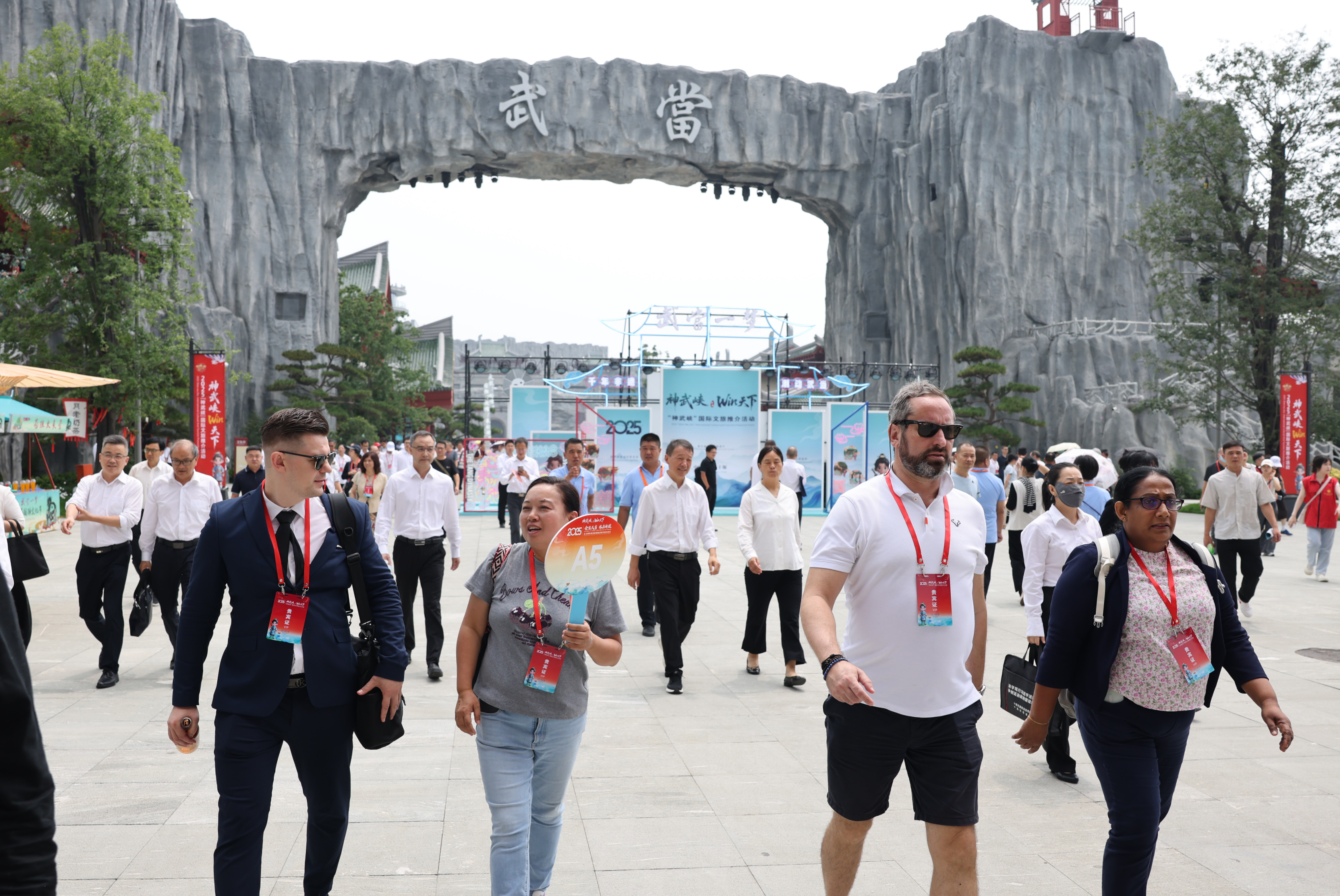
Group 1 - In 2024, Wudang Mountain Special Zone received over 10 million tourists, achieving a total tourism revenue of 10.3 billion yuan, with both metrics growing by over 20% year-on-year [1][5] - The "Shenwu Gorge" international cultural tourism promotion event was held in Shiyan City, Hubei Province, showcasing various activities including the "DOU Travel Shenwu Gorge" Douyin challenge and the eighth Wudang Tai Chi International Friendship Competition [1] Group 2 - Shenwu Gorge is described as an ecological and cultural corridor that connects nine national 5A scenic spots and seven world-class natural and cultural landmarks, forming a "green miracle corridor" over 400 kilometers long [4] - The Secretary-General of the French National Tourism Committee emphasized that Wudang Mountain has the potential to become an international top-tier tourist destination, highlighting the importance of Shenwu Gorge as a dialogue hub for global cultural tourism [4] - European travel merchants expressed interest in collaborating on the Shenwu Gorge route, identifying it as a preferred "Eastern secret" for European tourists and proposing three action plans for market expansion [4] Group 3 - The Wudang Mountain Special Zone has focused on ecological industry development, strengthening brands such as Wudang Taoist music, Wudang Tai Chi, Wudang health preservation, smart tourism, and ecological agriculture to establish itself as a world cultural tourism destination [5]