
智能翻译机

Search documents
不光是“活地图” 还是“国际通”
Bei Jing Ri Bao Ke Hu Duan· 2026-02-24 21:54
Core Viewpoint - The article highlights the efforts of a subway station staff member, Ding Rui, who utilizes technology and language skills to assist foreign passengers during the busy Spring Festival period, showcasing the importance of customer service in public transportation. Group 1: Customer Service Initiatives - Ding Rui, a subway staff member, uses a smart translation device to assist foreign passengers, demonstrating a commitment to enhancing the travel experience for international visitors [2][3] - The subway station has prepared bilingual guidance cards and equipped staff with advanced technology to address the needs of foreign passengers, reflecting a proactive approach to customer service [3][4] Group 2: Challenges and Solutions - During peak travel times, Ding Rui encounters various inquiries from foreign passengers, including directions to embassies and currency exchange, requiring adaptability and problem-solving skills [3][4] - Ding Rui actively engages with passengers facing difficulties, such as operating ticket machines, providing hands-on assistance to ensure they can successfully purchase tickets [3][4] Group 3: Personal Development and Communication - To improve communication with foreign passengers, Ding Rui, who has a background in computer science, practices English speaking through mobile applications, emphasizing the value of language skills in customer interactions [4] - The station's initiative to create colorful bilingual guidance cards aims to assist passengers in navigating the subway system, highlighting the importance of clear communication in public transport [4]

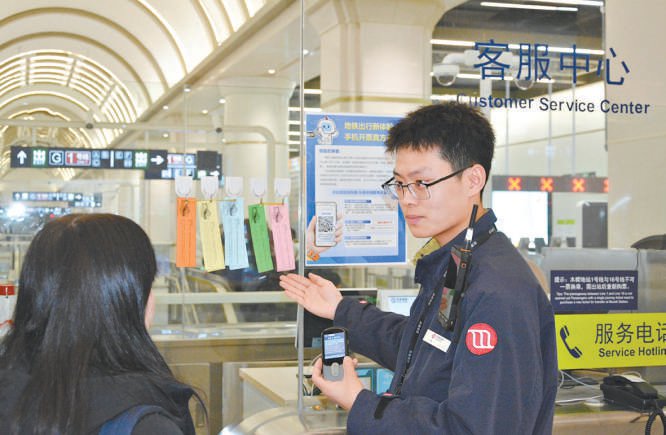
这个00后地铁站务员“不一般”
Xin Lang Cai Jing· 2026-02-20 07:15
Core Viewpoint - The article highlights the dedication of a subway station staff member, Ding Rui, who provides exceptional service to foreign passengers during the busy Spring Festival period in Beijing, utilizing technology such as a smart translation device to enhance communication and assistance [2][3]. Group 1: Service and Communication - Ding Rui, a subway staff member, effectively assists foreign passengers by using a smart translation device to bridge language barriers, ensuring they receive the necessary guidance [2][3]. - The subway station has prepared bilingual directional cards to aid passengers in navigating the transit system, reflecting a commitment to improving service for international travelers [4]. - Staff members are encouraged to proactively approach passengers who appear confused or in need of assistance, rather than waiting for them to ask for help [5]. Group 2: Operational Challenges - The opening of the new Yong'anli station in December 2025 presents new challenges for staff, requiring them to be knowledgeable about both local routes and international travel needs [3]. - The station experiences a significant increase in foreign passenger traffic during the Spring Festival, necessitating enhanced communication skills and adaptability from staff [3]. - Ding Rui's background in computer science aids him in utilizing technology effectively, such as practicing English speaking skills through mobile applications [4].
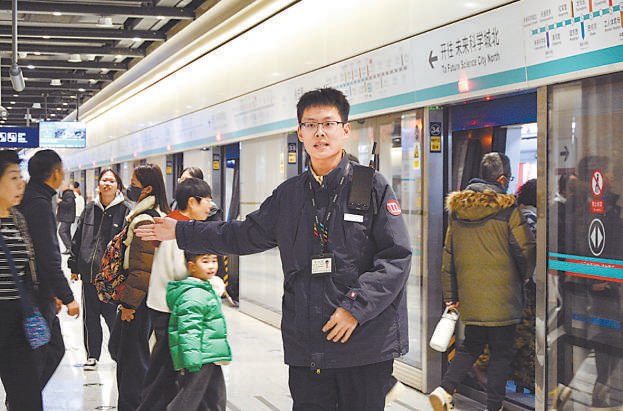
“不一样的”站务员:上班怀揣翻译机,下班抽空练口语
Bei Jing Ri Bao Ke Hu Duan· 2026-02-19 04:56
Core Viewpoint - The article highlights the dedication and adaptability of subway staff, particularly focusing on a station attendant named Ding Rui, who utilizes technology and language skills to assist foreign passengers during the busy Spring Festival period in Beijing. Group 1: Service and Technology Integration - Ding Rui uses a smart translation device to communicate effectively with foreign passengers, enhancing their travel experience [1][3] - The subway station has prepared bilingual directional cards to assist passengers in navigating the system, reflecting a commitment to international service [8] Group 2: Passenger Assistance and Experience - Ding Rui actively engages with passengers facing difficulties, such as operating ticket machines, and provides hands-on guidance to ensure they reach their destinations [5][6] - The presence of foreign passengers has increased significantly during the Spring Festival, necessitating a higher level of service and communication from staff [3] Group 3: Staff Training and Development - Ding Rui, with a background in computer science, has taken the initiative to improve his English skills through mobile applications, demonstrating a proactive approach to enhancing communication with passengers [6] - The article emphasizes the importance of staff being well-prepared and adaptable to meet the diverse needs of travelers [10]
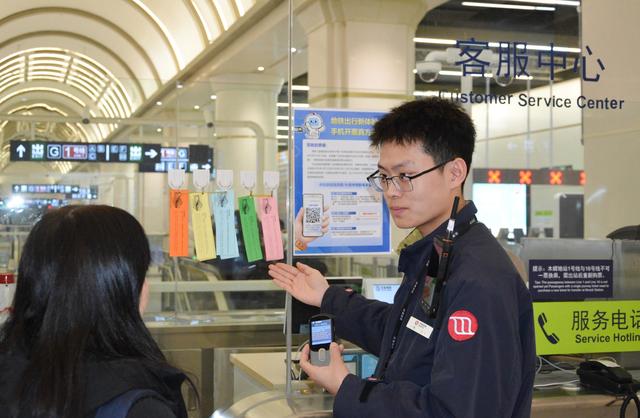
无人机、AI眼镜……华强北科技年货火了!智能产品成为主流
Sou Hu Cai Jing· 2026-02-13 16:14
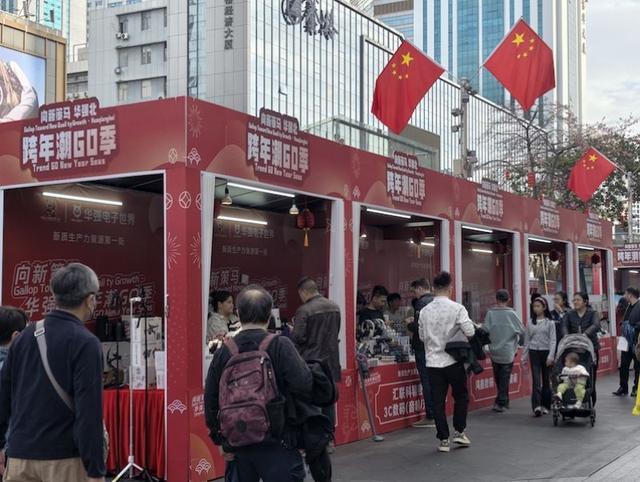
Core Insights - Shenzhen Huaqiangbei is a significant hub for global smart products and has become a source for this year's tech-related consumer goods, reflecting a deep integration of consumption upgrades and technological innovation [1] Group 1: Consumer Trends - The Spring Festival shopping activities in Shenzhen Huaqiangbei are thriving, featuring a variety of high-tech products such as drones, AI glasses, smart translators, and emotional interaction robots, attracting both local citizens and overseas customers [1] - Consumers are increasingly favoring products that incorporate smart technology, ranging from musical instruments to toys and robots, indicating a shift in purchasing preferences towards tech-enhanced goods [3] Group 2: Market Performance - The daily foot traffic in Huaqiangbei has exceeded 750,000 since the start of the Spring Festival activities, representing a 10% to 15% increase compared to regular days [7] - Sales in various markets and shopping malls in Huaqiangbei have increased by approximately 30% year-on-year, with the rise in foot traffic also boosting related industries such as dining and hospitality, which saw an 8% increase in revenue [9] Group 3: Export Growth - According to Shenzhen Customs, the export scale of high-tech products is expected to surpass 700 billion yuan by 2025, with a growth rate exceeding 10%, showcasing the unique appeal of these tech consumer goods driven by innovation [11]

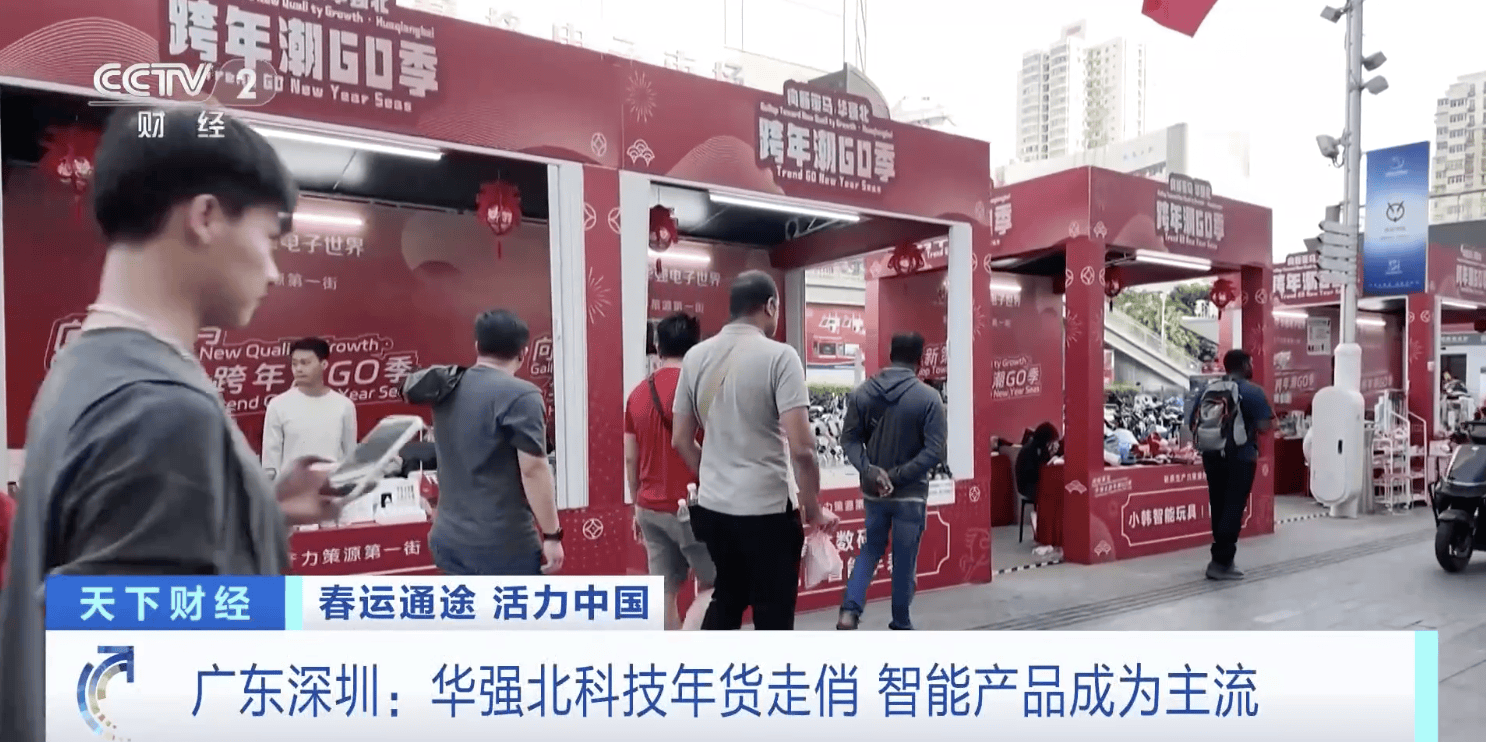
从吃的到“飞的”,华强北“科技年货”走红|新春走基层
Hua Xia Shi Bao· 2026-02-11 12:55
Core Viewpoint - The article highlights the vibrant consumer activity in Huaqiangbei, showcasing a significant shift towards technology-driven products as the preferred choice for New Year gifts, reflecting a broader trend of consumption upgrade and cultural evolution in China [2][5][10]. Group 1: Consumer Trends - Huaqiangbei experiences a daily foot traffic of approximately 750,000, with a recent increase of 10%-15% due to promotional activities [4][12]. - Sales of "tech New Year goods" such as consumer electronics, AI wearables, and smart devices have surged by about 30% month-on-month [4][5]. - The shift in consumer preferences is evident, with gifts transitioning from traditional items to innovative tech products, indicating a cultural evolution in gift-giving practices [9][10]. Group 2: Market Dynamics - Huaqiangbei hosts over 115,000 business entities, generating an annual transaction volume of 480 billion yuan [10]. - The area operates on a "front store, back factory" model, allowing for rapid response to global market demands, supported by a robust supply chain within the Greater Bay Area [10]. - The local manufacturing ecosystem, characterized by a complete electronic industry supply chain, enhances efficiency and responsiveness to market signals [10]. Group 3: International Engagement - The influx of foreign buyers and tourists has notably increased, with over 7,000 foreign visitors daily, doubling year-on-year [12]. - Policies such as the "240-hour visa-free transit" and "departure tax refund" are driving inbound tourism and trade, significantly boosting local consumption [12]. - The number of departure tax refund stores in Shenzhen has surpassed 2,000, with over 1,000 new stores added in 2025, reflecting the growing international consumer base [12].
新春走基层|240小时的冰雪邂逅
Xin Lang Cai Jing· 2026-02-10 22:10
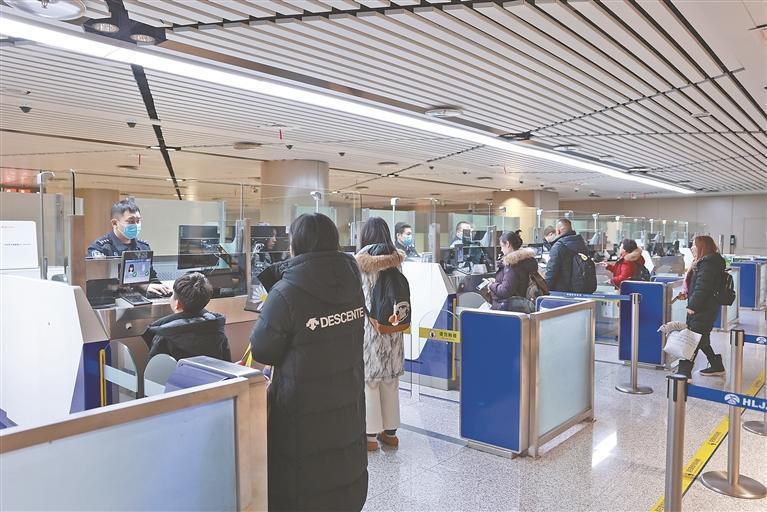
Core Viewpoint - The implementation of the 240-hour visa-free transit policy in Harbin has significantly boosted tourism, particularly from Russian travelers, enhancing the city's cultural and economic landscape during the winter season [4][5][6]. Group 1: Policy Implementation - The 240-hour visa-free transit policy allows foreign travelers to stay in Harbin for up to 10 days, facilitating a deeper cultural experience during the Chinese New Year [4]. - Harbin Airport has established dedicated channels for issuing temporary entry permits and policy consultation, streamlining the application process to reduce average clearance time to under 30 seconds [4]. Group 2: Tourist Experience - Travelers are receiving personalized assistance, including multilingual support and tailored itineraries highlighting popular attractions and local cuisine, enhancing their overall experience [4][5]. - The number of Russian travelers arriving in Harbin has surged, with a 107% year-on-year increase in total arrivals and a 59.3% rise in visa-free entrants, many of whom extend their stay by 5 to 7 days [5]. Group 3: Economic Impact - The influx of tourists has provided a significant boost to local tourism, with over 90,000 foreign visitors recorded at the Ice and Snow World in just 40 days, making it a key destination for cross-border travelers [5]. - The policy has transformed short transit stops into opportunities for in-depth cultural experiences, injecting vitality into Harbin's tourism sector [5][6].
从智能穿戴到翻译硬件、从视觉技术到自研芯片 “中国智造”走俏海外
Yang Shi Wang· 2026-02-03 05:07
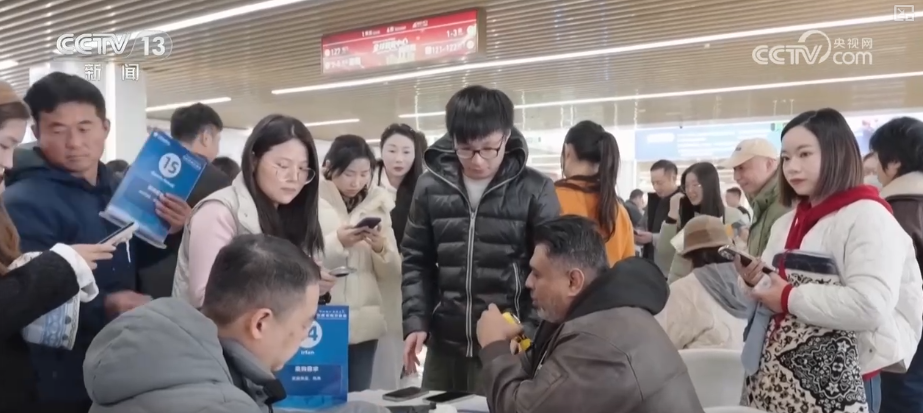
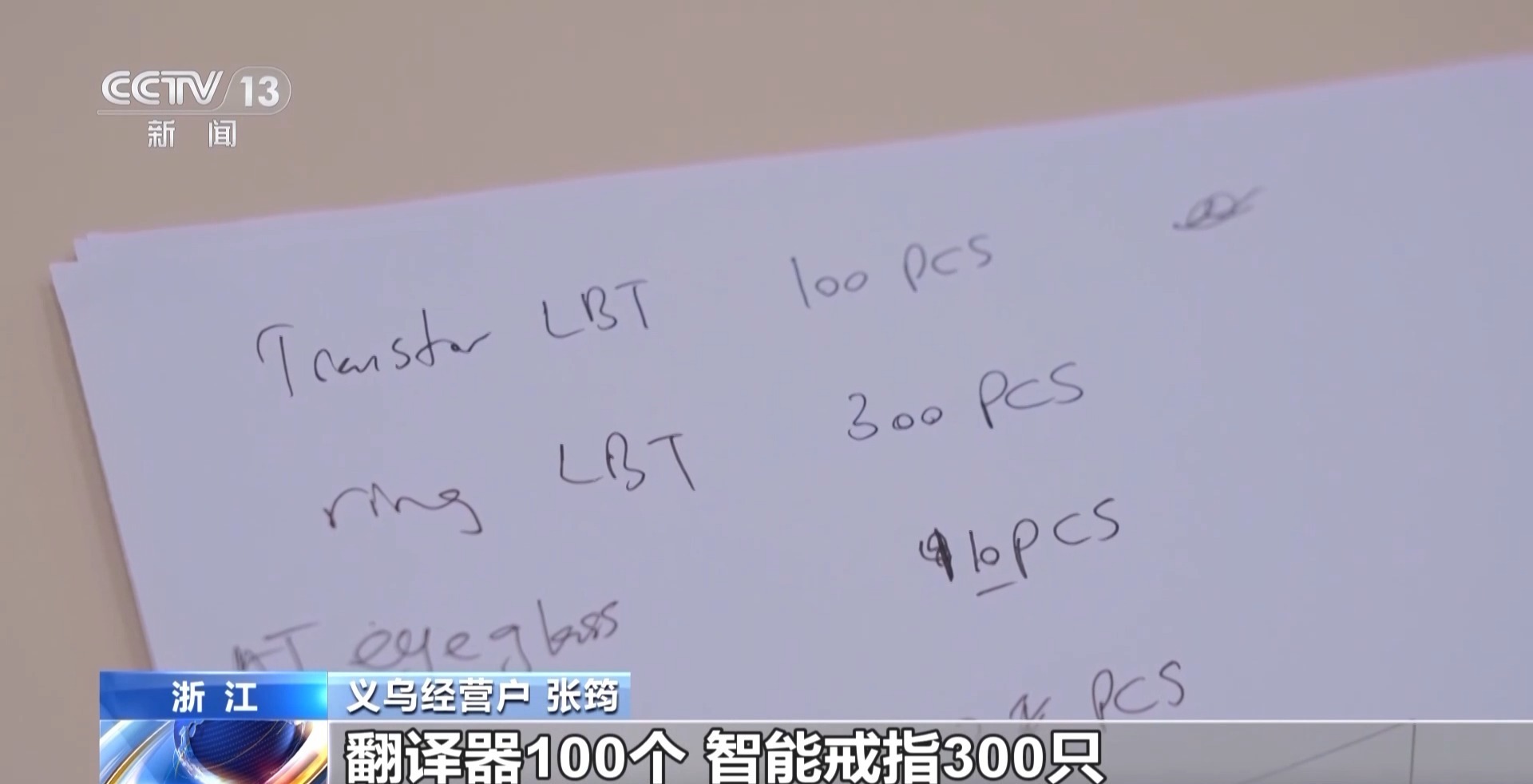
Group 1 - The global market for artificial intelligence products is thriving, with various products such as smart wearables and translation hardware gaining popularity, marking a new highlight in China's foreign trade [1] - In the first overseas procurement meeting of the year held in Yiwu, over 200 businesses received their first orders, showcasing products like smart translation machines and smart glasses [1] - A Shanghai-based AR glasses company has successfully overcome the "motion imaging delay" technology challenge, leading to increased international market interest and daily cross-border meetings with partners [2] Group 2 - The production lines of the AR glasses company are operating at full capacity, with over 75% of customers coming from Europe, America, Japan, and South Korea, and the company is confident of achieving two to three times revenue growth by 2026 [2] - Continuous breakthroughs in core technologies are driving the global popularity of China's artificial intelligence products, with a research team working on algorithm platforms to address long-standing challenges in augmented reality [2] - According to Liang Ming from the Ministry of Commerce, China's AI product exports are expected to grow nearly 10% by 2025, contributing over 32% to overall export growth and boosting export growth by 1.7 percentage points [6]
“含智量”+“含绿量”双提升 新的一年我国外贸表现亮点多多
Yang Shi Wang· 2026-02-03 02:41
Group 1 - The core viewpoint of the articles highlights the rapid growth of artificial intelligence (AI) products in China's foreign trade, with significant contributions to export growth expected in the coming years [1][3] - In the first procurement meeting of the year in Yiwu, over 200 businesses received their first orders, showcasing the demand for AI products like smart translation devices and smart glasses [1][2] - A company in Shanghai, specializing in AR glasses, reported that over 75% of its customers are from Europe, America, and Japan, and it anticipates a two to threefold increase in performance by 2026 [2] Group 2 - The contribution of AI products to China's export growth is projected to exceed 32% by 2025, which will drive overall export growth by 1.7 percentage points [3] - The rise of AI products is accompanied by a focus on green technology, with significant advancements in energy efficiency and sustainability in various sectors, including industrial gas purification and textile manufacturing [4][6] - Companies are increasingly adopting green practices, such as utilizing renewable energy sources and improving energy efficiency, to meet the high environmental standards demanded by international clients [5][6]
视频丨“含智量”+“含绿量”双提升 新的一年我国外贸表现亮点多多
Yang Shi Xin Wen· 2026-02-03 00:10
Group 1: AI Product Market Growth - Various AI products are gaining popularity in the global market, with Chinese manufacturing accelerating its overseas expansion, becoming a new highlight in foreign trade [1] - At a procurement meeting in Yiwu, overseas buyers tested AI products like smart translation devices and smart glasses, resulting in significant orders for over 200 businesses [1][3] - The AR glasses company in Shanghai is experiencing increased international interest, conducting daily meetings with overseas partners to discuss product advancements [5] Group 2: Technological Advancements - Core technological breakthroughs are driving the global success of Chinese AI products, with a focus on overcoming challenges like "motion imaging latency" in augmented reality [9] - A strategic partnership has been established between a Chinese hardware provider and a renowned overseas software company to enhance product offerings [11] Group 3: Export Contributions and Economic Impact - According to the Ministry of Commerce, AI products are projected to contribute over 32% to export growth by 2025, boosting overall export growth by 1.7 percentage points [15] - High-tech and AI products are becoming the core drivers of China's foreign trade export growth [15] Group 4: Green Transition in Foreign Trade - The green transition is opening new growth opportunities for China's foreign trade, with significant advancements in energy efficiency and reduced carbon emissions in various sectors [19] - The export of industrial gas purification devices is expected to grow by 17.3% by 2025, while lithium batteries and wind turbine exports are projected to increase by 26.2% and 48.7%, respectively [19] Group 5: Environmental Standards and Market Demand - Chinese textile companies are enhancing their environmental standards to meet the high quality and sustainability demands of European clients [27] - Companies are integrating green requirements throughout their production processes, leading to stable foreign trade orders [25][29] Group 6: Future Directions for Green Development - The Ministry of Commerce plans to enhance the green and low-carbon development capabilities of enterprises, promoting training and encouraging leading companies to drive the transformation of foreign trade supply chains [31]
重庆市人大代表:AI要成为市民“触手可及”的民生红利
Zhong Guo Xin Wen Wang· 2026-01-29 07:22
Core Viewpoint - The integration of artificial intelligence (AI) into daily life is essential for enhancing the quality of life for citizens in Chongqing, with a focus on making AI a tangible benefit for the public [1] Group 1: AI Development and Implementation - The Chongqing government aims to expand the "Artificial Intelligence+" initiative as part of its 2026 work report, emphasizing the importance of AI in urban digital transformation and public service [1] - The establishment of the Chongqing AI Bay Area marks a significant step in creating a national hub for AI applications, supported by a comprehensive "government-industry-academia-research-application-finance" innovation ecosystem [1] Group 2: Talent Development and Resource Integration - Recommendations include creating an integrated urban AI industry service platform that consolidates core resources such as computing power and enterprise services, providing ready-to-use AI solutions validated by state-owned enterprises [2] - A local AI talent training and industry acceleration center is proposed to enhance the synergy between innovation resources and local industries, utilizing project-driven practical training and collaborative course development [2] Group 3: AI Applications in Various Sectors - In the tourism sector, AI applications like smart travel companions and real-time translation tools are suggested to enhance visitor experiences and streamline travel planning [2] - In education, integrating AI into all aspects of teaching is recommended to reduce burdens on teachers and students through intelligent teaching assistants and learning companions [2] - In healthcare, AI is proposed for use in diagnostic assistance, intelligent medical record writing, and medication management, particularly in grassroots medical institutions and hospitals [2]