AI智趣喜羊羊

Search documents
奥飞娱乐:公司已陆续推出“AI智趣喜羊羊”“AI智趣懒羊羊”等智能产品
Zheng Quan Ri Bao Wang· 2026-01-26 14:13
Core Viewpoint - The company, Aofei Entertainment, is actively developing AI-driven products such as "AI Smart Happy Sheep" and "AI Smart Lazy Sheep," indicating a focus on innovation in line with market trends and user preferences. However, this business is still in its early development stage and is not expected to significantly impact the company's overall operations at this time [1]. Group 1 - The company has launched AI products aimed at enhancing user engagement and aligning with market trends [1]. - Future product development will continue to focus on user preferences and market demands [1]. - The current AI business is in the early stages and will not have a major impact on the company's operations [1].

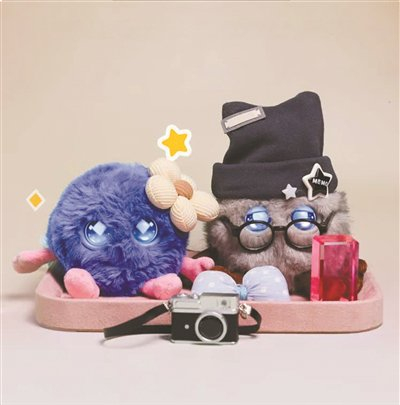
软萌又聪明 AI毛绒玩具年底出“爆品”
Bei Jing Qing Nian Bao· 2025-12-09 19:20
Core Viewpoint - The AI toy market in China is expected to grow significantly, reaching 29 billion yuan in 2025, driven by plush products that combine friendliness and intelligence [2] Group 1: Market Growth and Trends - The AI toy market in China is projected to reach 24.6 billion yuan in 2024 and 29 billion yuan in 2025, with plush products being the main growth driver [2] - Various players are entering the market, enriching the product offerings, such as Huawei's "Smart Hanhai" which sold over 6,500 units in 10 seconds [2] - Companies like JD.com and Honor are launching AI plush toys targeting children and families, focusing on imaginative play and emotional support [3] Group 2: Consumer Demographics and Preferences - The AI plush toy user base includes children, who seek knowledge and emotional comfort, and adults, particularly the 120 million single population, who view these toys as companions [3] - The Z generation perceives AI toys as "stress relief tools" and "fashion items," often taking them out as accessories [3] Group 3: Challenges and Concerns - Users have reported issues with AI toys, such as stiff dialogue and delayed responses, indicating a need for improved personalization [3] - There are concerns regarding the monetization strategies of AI plush toys, with some products criticized for exploiting emotional needs for profit [3] - The lack of standardized data collection practices raises privacy concerns among parents regarding children's data usage [3][4] Group 4: Regulatory and Ethical Considerations - Media commentary warns against AI toys becoming "emotional fast food," potentially hindering children's ability to manage real-life relationships [4] - The EU has updated toy safety regulations to address children's mental health, cognitive development, and privacy protection [5] - Balancing technological innovation, emotional value, and compliance will be crucial for AI plush toys to evolve from mere entertainment to genuine companions [5]

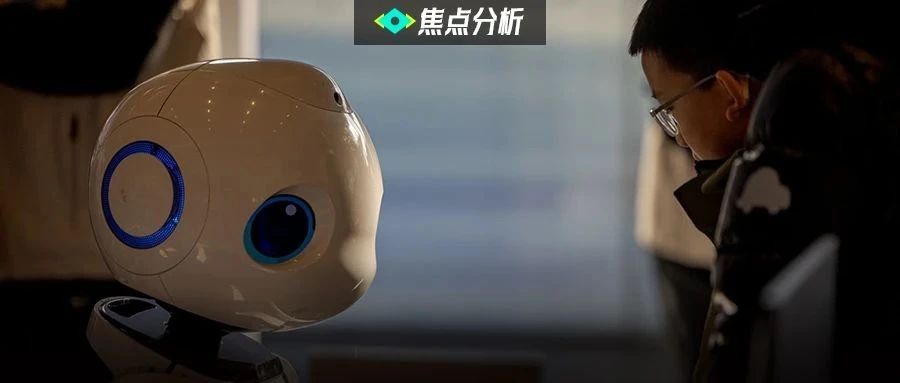
2025年春天还没来,第一批儿童AI硬件已经死了|焦点分析
36氪· 2025-03-18 09:35
Core Viewpoint - The article discusses the challenges and opportunities in the children's smart hardware market, emphasizing the need for products that align with children's cognitive logic rather than adult expectations [2][4][15]. Group 1: Market Overview - The demand for AI in children's education has been validated, with various smart hardware products flooding the market, including smartwatches, early education robots, and interactive storybooks [4][5]. - The children's smart hardware market in China reached a scale of 52.2 billion yuan in 2023, but the growth rate has declined from 35% in 2019 to 12%, indicating a shift from enthusiasm to rational competition [6][9]. Group 2: Successful Case Studies - The Xiaotian Genius smartwatch, under the BBK Electronics brand, has sold over 20 million units in its first seven years and is now present in over 100 countries, dominating the market for users under 14 years old [4][5]. - The product's success is attributed to its basic functionalities and competitive pricing, which allows it to compete with higher-end products like the Apple Watch SE [4][12]. Group 3: Challenges in Product Development - Many children's smart hardware products fail due to high costs and lack of engaging content, with examples like the Moxie emotional robot, which faced a low repurchase rate and high production costs [5][6]. - A significant gap exists between parents' educational needs and children's entertainment preferences, leading to dissatisfaction with current products [9][10]. Group 4: Technological Limitations - Voice recognition technology, crucial for children's smart devices, has a lower accuracy rate for children compared to adults, which hampers user experience [10][11]. - The complexity of children's cognitive development makes it challenging to design products that effectively meet their needs, often resulting in products that do not resonate with their behavior and preferences [11][12]. Group 5: Future Directions - Companies are encouraged to focus on simple, direct functionalities that address children's social and educational needs rather than overcomplicating products with unnecessary features [7][15]. - The market may see innovations such as multimodal interactions and screenless designs, but the core focus should remain on understanding children's cognitive logic [14][15].