
喜羊羊超能铃铛娃娃

Search documents
陪伴机器人,正在改写9亿人的孤独经济
Sou Hu Cai Jing· 2026-01-11 16:16
Core Insights - The rise of companion robots is driven by the dual forces of emotional consumption and AI technology, transitioning from toys to essential life companions [1][3] - The demand for companionship is fueled by a significant loneliness economy, with 900 million people in need of emotional support [4][6] Group 1: Market Dynamics - The online market for AI toys in China is projected to surge by 394.9% by 2025, with emotional companionship products growing from 7.0% to 15.7% market share [4] - The global AI companionship market is expected to grow from $30 million to between $70 billion and $150 billion by 2030, with the domestic market reaching approximately $3.86 billion by 2030 [8] - The demand for companionship robots is particularly strong among young adults aged 18-35, with over 120 million living alone in China [6] Group 2: Technological Advancements - New-generation companion robots have evolved from passive responders to active empathizers, utilizing advanced AI technologies to understand user emotions and context [9][11] - Multi-modal sensors enable these robots to perceive voice, visual, tactile, and environmental cues, enhancing user interaction [11] - The integration of large models and low-cost API calls facilitates the widespread adoption of companion robots [9] Group 3: Competitive Landscape - The market is characterized by three main player categories: traditional toy manufacturers, tech startups, and cross-industry players [14] - Traditional toy companies leverage established IPs and supply chains to transition into the AI space, while tech startups focus on high-end, differentiated products [16][18] - Cross-industry players innovate by extending scenarios, such as Sony's Aibo and Panasonic's interactive robots, to create new market opportunities [20][22] Group 4: Product Evolution - Companion robots are segmented into three price tiers: entry-level (100-500 RMB), mid-range (500-3000 RMB), and high-end (over 3000 RMB), catering to diverse user needs [23][25][27] - Entry-level products focus on basic interactions, while mid-range products emphasize emotional recognition and advanced features [24][25] - High-end products offer multi-modal interactions and medical-grade companionship, primarily targeting affluent families and healthcare institutions [27] Group 5: Future Trends - The market for companion robots is expected to transition from concept-driven to demand-driven growth, with four key trends emerging: emotional computing precision, deeper IP integration, diversified scenario expansion, and service-oriented monetization models [28][29][31] - Emotional computing will enhance robots' ability to respond to user emotions accurately, while IP collaborations will deepen user engagement [29] - The expansion into adult emotional therapy, elderly care, and educational settings will broaden the market scope [31] Group 6: Opportunities and Challenges - Despite the promising market outlook, challenges such as technology integration and safety risks remain prevalent [32][33] - The industry faces potential issues with data privacy, especially concerning sensitive user information, necessitating careful market education and product adaptation [33] - The competitive landscape is intensifying, with a risk of commoditization in the entry-level segment, highlighting the need for differentiation [35]


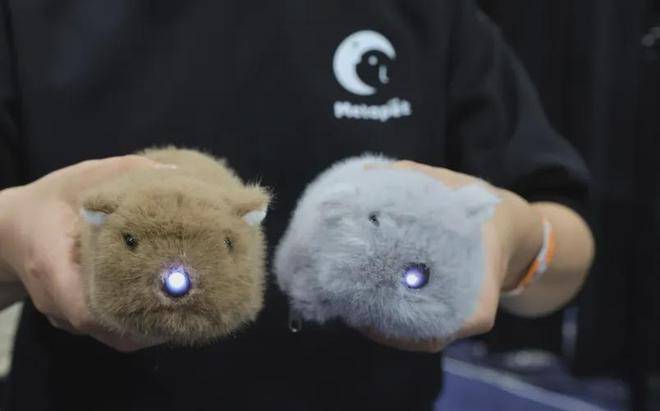
软萌又聪明 AI毛绒玩具年底出“爆品”
Bei Jing Qing Nian Bao· 2025-12-09 19:20
Core Viewpoint - The AI toy market in China is expected to grow significantly, reaching 29 billion yuan in 2025, driven by plush products that combine friendliness and intelligence [2] Group 1: Market Growth and Trends - The AI toy market in China is projected to reach 24.6 billion yuan in 2024 and 29 billion yuan in 2025, with plush products being the main growth driver [2] - Various players are entering the market, enriching the product offerings, such as Huawei's "Smart Hanhai" which sold over 6,500 units in 10 seconds [2] - Companies like JD.com and Honor are launching AI plush toys targeting children and families, focusing on imaginative play and emotional support [3] Group 2: Consumer Demographics and Preferences - The AI plush toy user base includes children, who seek knowledge and emotional comfort, and adults, particularly the 120 million single population, who view these toys as companions [3] - The Z generation perceives AI toys as "stress relief tools" and "fashion items," often taking them out as accessories [3] Group 3: Challenges and Concerns - Users have reported issues with AI toys, such as stiff dialogue and delayed responses, indicating a need for improved personalization [3] - There are concerns regarding the monetization strategies of AI plush toys, with some products criticized for exploiting emotional needs for profit [3] - The lack of standardized data collection practices raises privacy concerns among parents regarding children's data usage [3][4] Group 4: Regulatory and Ethical Considerations - Media commentary warns against AI toys becoming "emotional fast food," potentially hindering children's ability to manage real-life relationships [4] - The EU has updated toy safety regulations to address children's mental health, cognitive development, and privacy protection [5] - Balancing technological innovation, emotional value, and compliance will be crucial for AI plush toys to evolve from mere entertainment to genuine companions [5]
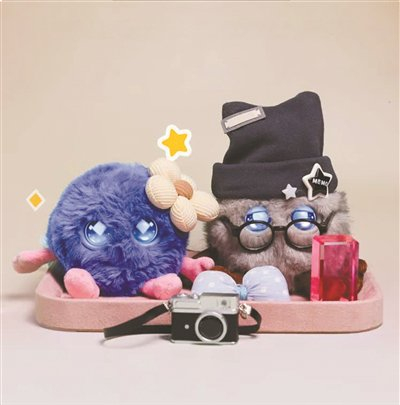
BubblePal不到一年卖出1个亿,AI玩具的风吹到哪了?
3 6 Ke· 2025-06-27 00:49
Core Insights - The AI toy market is experiencing significant growth, with companies like Haivivi and FoloToy reporting impressive sales figures, indicating a shift from skepticism to acceptance of AI toys as a legitimate market segment [1][4][5] - The industry is witnessing a surge in investment, with at least 27 financing events recorded in 2024, including several multi-million dollar rounds, highlighting the increasing interest from investors [3][4] - AI toys are characterized by their ability to provide personalized interactions through advanced technologies such as multi-modal interaction and emotional analysis, setting them apart from traditional toys [5][6] Company Highlights - Haivivi's BubblePal has sold over 250,000 units since its launch, generating sales exceeding 100 million yuan [1] - FoloToy aims to sell 300,000 units this year, significantly increasing its sales target compared to the previous year [1] - Companies like Lobo Intelligent and Bepei Technology have also secured significant funding, indicating a robust investment landscape in the AI toy sector [2][3] Market Dynamics - The AI toy market is categorized into various segments, including smart pendants, interactive dolls, and robotic toys, each offering unique features and price points [5][10] - The price range for AI toys varies widely, with simpler models priced under 500 yuan and advanced robotic toys reaching several thousand yuan [10][11] - The market is primarily driven by children's products, but there is growing potential in emotional companionship toys targeting adults and seniors [11][14] Investment Trends - The AI toy sector has seen a mix of traditional toy manufacturers and tech startups entering the market, with established companies leveraging their IP to create AI-enhanced products [6][16] - Notable investments include Haivivi's partnerships with various venture capital firms and the strategic collaborations between traditional toy companies and tech firms [4][6][16] - The trend of integrating popular IPs into AI toys is gaining traction, with companies like FoloToy and Haivivi exploring collaborations with well-known brands to enhance market appeal [15][16] Future Outlook - The development of AI toys is expected to accelerate as technology costs decrease, allowing for more innovative products that can engage users on a deeper emotional level [14][21] - The potential for creating new IPs within the AI toy space is significant, with companies exploring unique designs and narratives to attract consumers [18][21] - As the market matures, the emergence of iconic brands similar to LABUBU is anticipated, driven by the intersection of technology and creative product design [21]






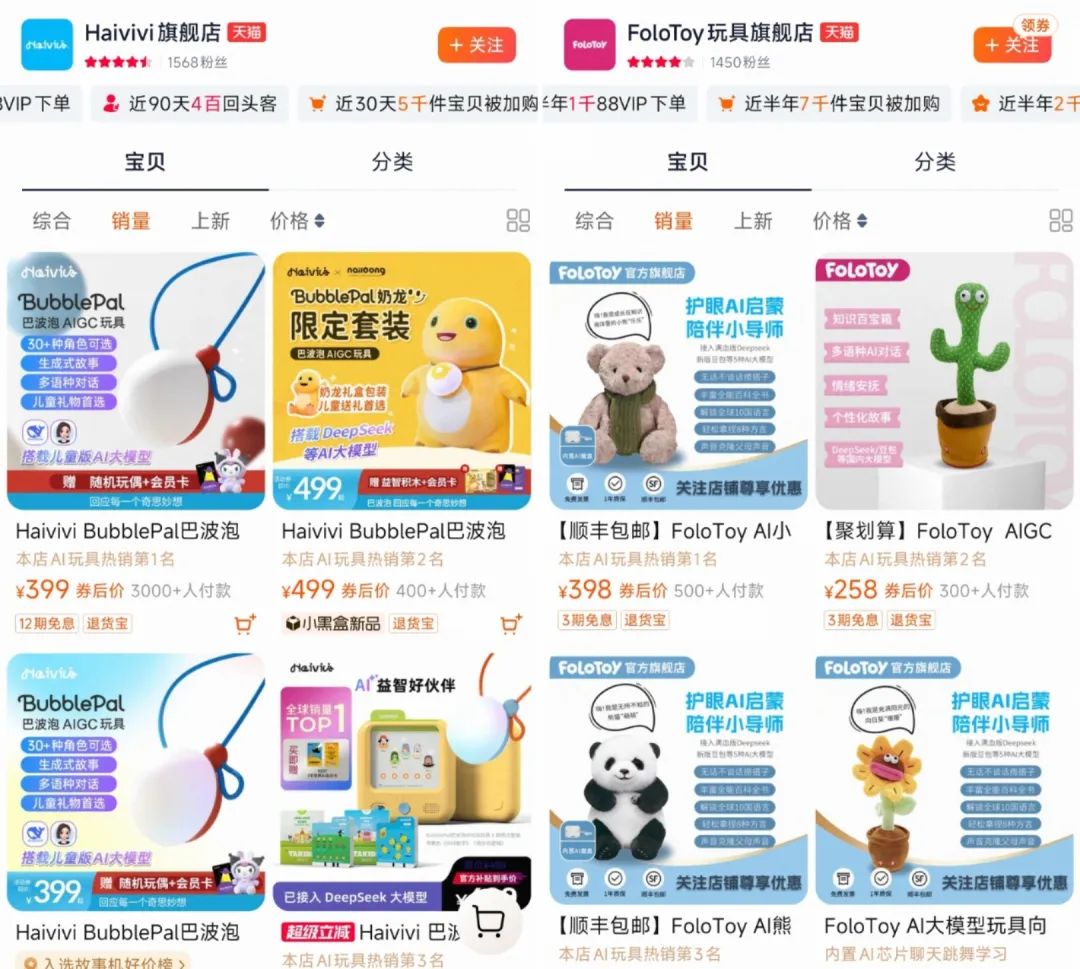
万创行研——AI玩具,下一代“亲密形态”的智能终端
3 6 Ke· 2025-05-28 02:31
Group 1 - The core concept of AI toys is evolving from traditional children's toys to intelligent interactive systems that cater to all age groups, providing companionship and emotional support [2][5] - AI toys are defined as products that integrate artificial intelligence to create interactive, personalized experiences, moving beyond simple entertainment [3][4] - The technology stack supporting AI toys includes voice recognition, natural language processing, computer vision, emotional computing, and continuous learning capabilities [20][21][24] Group 2 - AI toys are expanding their application scenarios from children's education to emotional companionship for adults and elderly care, reflecting a trend towards diverse user needs [7][11][14] - For children, AI toys focus on language development, behavior intervention, and emotional support, with a shift towards interactive and dynamic learning experiences [9][10] - For adults, AI toys serve as digital companions to alleviate loneliness and stress, with features that promote emotional interaction and relaxation [12][13] Group 3 - The competitive landscape for AI toys is characterized by a mix of tech giants and innovative startups, with a focus on cross-industry integration and ecosystem development [32][33] - In the global market, major tech companies are exploring AI toy capabilities through ecosystem partnerships, while startups emphasize emotional interaction and educational value [34][35] - The Chinese market is rapidly developing AI toys, driven by strong hardware manufacturing capabilities and a large consumer base, with a focus on content-driven innovation [37][38] Group 4 - Recent investment trends indicate a growing interest in AI toys as a potential application of AI technology, with over 40 financing events and a total of over $1 billion in funding in 2024 [47][48] - Investors are increasingly looking for projects that combine AI capabilities, user retention, and emotional value, reflecting a shift in evaluation criteria compared to traditional consumer electronics [52][68] - The future of AI toys is seen as a key entry point for AI technology into everyday life, with potential for significant market growth as technology and user understanding evolve [64][72]

AI玩具:智能化浪潮下的机遇与挑战
深圳来觅数据信息科技· 2025-03-14 07:49
Investment Rating - The report does not explicitly provide an investment rating for the AI toy industry Core Insights - The AI toy market is experiencing significant growth, driven by advancements in artificial intelligence technology and increasing consumer interest in interactive and personalized products [7][9] - The global smart AI toy market is projected to grow from USD 1.745 billion in 2023 to USD 7.502 billion by 2033, with a compound annual growth rate (CAGR) of 15.7% [9][11] - AI toys are characterized by features such as voice interaction, personalized experiences, and emotional companionship, making them appealing to both children and adults [2][8] Summary by Sections AI Toy Characteristics - AI toys utilize technologies like voice recognition, natural language processing, and machine learning to interact with users and adapt to their needs [2] - Key features include voice interaction, personalized content generation, and emotional support [2] Current Forms of AI Toys - Major forms of AI toys include plush toys with voice interaction, smart accessories that enhance traditional toys, and robotic toys with high interactivity [4] Market Demand and Growth - The demand for AI toys is substantial, with approximately 70% of parents willing to purchase toys that offer unique interactive experiences for their children [8] - The market is expected to benefit from the growing number of single-person households in China, estimated to reach around 300 million by the end of 2024 [8] Technological Innovations - Innovations in voice interaction and emotional recognition technologies are enhancing the intelligence of AI toys, allowing for more natural conversations and personalized experiences [12] Industry Dynamics and Investment Trends - The AI toy sector is attracting investment, with companies like Haivivi and Mengyou Intelligent receiving multiple rounds of funding, indicating strong investor interest in AI technology applications [16][17] - The majority of financing events are concentrated in early-stage rounds, suggesting that the industry is still in its nascent phase [16]