智能憨憨

Search documents
华为憨憨、千问G1眼镜、Vbot浮出水面:谁代表AI硬件的下一站?
虎嗅APP· 2026-03-26 09:44
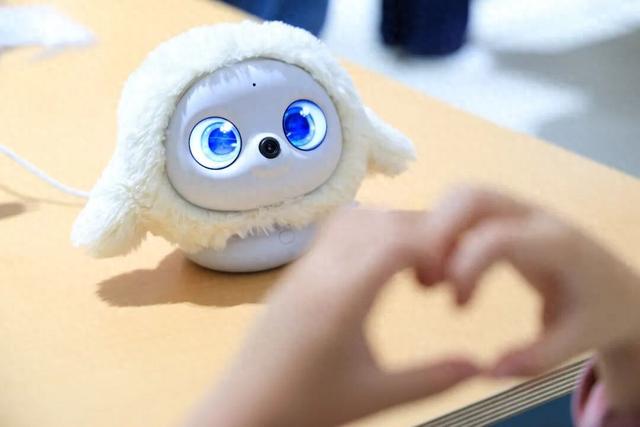
Core Viewpoint - The AI hardware industry is transitioning from a "technology-driven" approach to a "scenario-driven" model, with a focus on practical applications and real-world problem-solving [5][6]. Group 1: Validated Judgments - Functional robots are outperforming general humanoid robots, with practical products like delivery and cleaning robots achieving mass production in specific scenarios [8]. - The industry consensus is that the viable path for edge AI by 2026 involves a hybrid architecture of cloud-based complex reasoning and local lightweight interactions, rather than purely offline models [8]. - Competition is shifting towards brand and channel strength, as product differentiation diminishes due to hardware standardization [9]. Group 2: Disproven Misconceptions - The expectation that general humanoid robots would be commercially viable by 2026 has been proven incorrect due to unresolved technical challenges [10]. - The notion that plush AI pets represent a low-barrier entrepreneurial opportunity has been debunked, as the market has become saturated with similar products [10]. - The belief that edge AI would be the definitive trend by 2026 has been challenged, as hardware limitations hinder the deployment of large models on local devices [10]. Group 3: Representative Products in Confirmed Directions - Vbot, a functional robot, exemplifies a successful product by addressing real-world needs in a stable and cost-effective manner, focusing on user experience rather than humanoid aesthetics [13][14]. - The Qianwen AI glasses G1 are significant for their pricing strategy and hybrid technology approach, integrating cloud services with local processing to enhance user experience [15][17]. - TicNote Pods integrate recording, transcription, and translation features into headphones, aligning with the trend of mobile AI centralization and improving office efficiency [18][20]. - Ropet, an AI pet, has succeeded in a competitive market by focusing on emotional value and effective brand management rather than solely on technological innovation [21][24]. Group 4: Products with Diverging Opinions - The plush AI pet market is highly saturated, with products like Fuzozo and Mooni M1 facing significant challenges due to lack of differentiation and high competition [26]. - Independent office AI hardware, such as standalone AI chairs and recording devices, are losing market relevance as their functionalities overlap with mobile devices [26]. - General humanoid robots are overhyped, with significant technical barriers preventing practical applications, relegating them to mere promotional tools [27]. - AR glasses aimed at replacing mobile screens are misaligned with user needs and face significant technical challenges, leading to a consensus that they lack commercial viability [27]. - Pure edge AI hardware claiming to run large models locally are deemed impractical due to hardware constraints, with the industry agreeing on a hybrid approach as the only feasible path forward [27]. Group 5: Special Observations - The "Intelligent Huan Huan" AI pet, developed by Huawei and Lobo Smart, has achieved impressive sales but raises questions about whether its success is due to channel strength or product capability [29][32]. Conclusion - The AI hardware industry is undergoing a necessary culling process, rewarding products that effectively address real-world problems and establish commercial viability, while those relying on mere technological concepts are being phased out [34].


AI玩具哄孩子,效果如何?
Xin Lang Cai Jing· 2026-02-23 02:13
Core Insights - The emergence of AI toys is reshaping children's growth paths and educational practices, while also innovating family interaction models and exploring ethical boundaries in technology [1][5][10] Industry Overview - AI toys are defined as products that integrate artificial intelligence with traditional toys, enhancing their functionality to include education, companionship, and therapeutic roles [5][7] - The AI toy market in China is projected to grow from approximately 246 billion yuan in 2024 to 290 billion yuan in 2025, indicating a significant expansion in this sector [8] Technological Integration - Companies are utilizing a dual-layer model of "general large model + vertical small model" to enhance interaction, integrating both domestic and international AI models [4][5] - The development of AI toys is supported by advancements in technologies such as language models, voice recognition, computer vision, and emotional computing, allowing for multi-modal interactions [5][8] Market Dynamics - The demand for AI toys is driven by parents seeking companions for their children that can listen and respond, filling the emotional companionship gap [5][9] - Major tech companies are entering the AI toy market, with products like "智能憨憨" and platforms like JoyInside gaining popularity and selling out quickly [8] Consumer Experience - While AI toys are gaining traction, there are concerns regarding performance issues, such as lag and inadequate recognition rates, leading to a return rate of 30% to 40% [9][10] - The reliance on cloud-based models and the simplicity of many products have resulted in a homogenized market, where many toys merely serve as "smart story machines" [9][10] Ethical Considerations - The use of AI toys raises questions about emotional dependency and the impact on children's social skills, highlighting the need for a balance between technological companionship and real human interaction [10] - Privacy concerns are paramount, as the collection of data from children necessitates the establishment of regulatory standards to protect sensitive information [10]
前华为、OPPO、腾讯的技术骨干,给外国孩子做了款会讲故事的AI“小房子”|36氪专访
3 6 Ke· 2026-02-05 02:18
Core Insights - The article discusses the innovative AI toy Talenpal, designed to stimulate children's imagination without screens, targeting the growing AI toy market, which is projected to exceed $11 billion in 2024 and reach $58 billion by 2030, with an annual growth rate of over 20% [2]. Company Overview - Talenpal was founded by Ma Xiucheng and Pan Xuan, both experienced professionals from the mobile industry, who transitioned to create a product that meets the needs of parents for screen-free, imaginative play for children [1][5]. - The core team includes members with backgrounds from major tech companies like Huawei, Apple, Tencent, and Amazon, providing a diverse skill set in consumer electronics, content creation, and international market expansion [5]. Product Features - Talenpal is a unique AI toy resembling a small house, equipped with a micro-display for simple visual prompts, and comes with various character dolls, each preloaded with specific stories and activities [1][3]. - The product aims to enhance children's imagination by providing auditory storytelling and interactive AI conversations, avoiding the pitfalls of screen dependency [6][14]. Market Positioning - Talenpal primarily targets the U.S. market, emphasizing compliance with local regulations and data security, which presents a high barrier to entry for competitors [3]. - The company leverages exclusive IP assets derived from overseas picture book copyrights, combined with local content production, to create a unique storytelling experience [3][12]. User Engagement - Initial user feedback indicates a high "screen replacement rate," with children showing increased focus and engagement compared to traditional screen-based toys [17]. - The product serves as a helpful tool for parents, reducing the burden of childcare while providing frequent companionship for children [17]. Content Strategy - Talenpal's content is designed to be systematic and educational, addressing emotional recognition and social skills through character-driven narratives [13][12]. - The company emphasizes the importance of high-quality content, asserting that AI toys without substantial content are merely empty shells [19]. Business Model - Talenpal operates on a "razor-and-blades" business model, where the main device serves as a platform for ongoing content and character doll sales, encouraging repeat purchases as children grow [25]. - The pricing strategy reflects the value of the content and IP behind each character, with dolls priced between $10 and $15 [20]. Future Outlook - The company is exploring potential investments but prioritizes gathering user feedback to validate the product's market fit and effectiveness [26]. - Talenpal's adaptability to different cultural contexts and local preferences positions it well for international expansion, with plans to customize content for various markets [18].
秒空、溢价……华为、京东等大厂为何盯上这门生意?
3 6 Ke· 2026-01-23 09:46
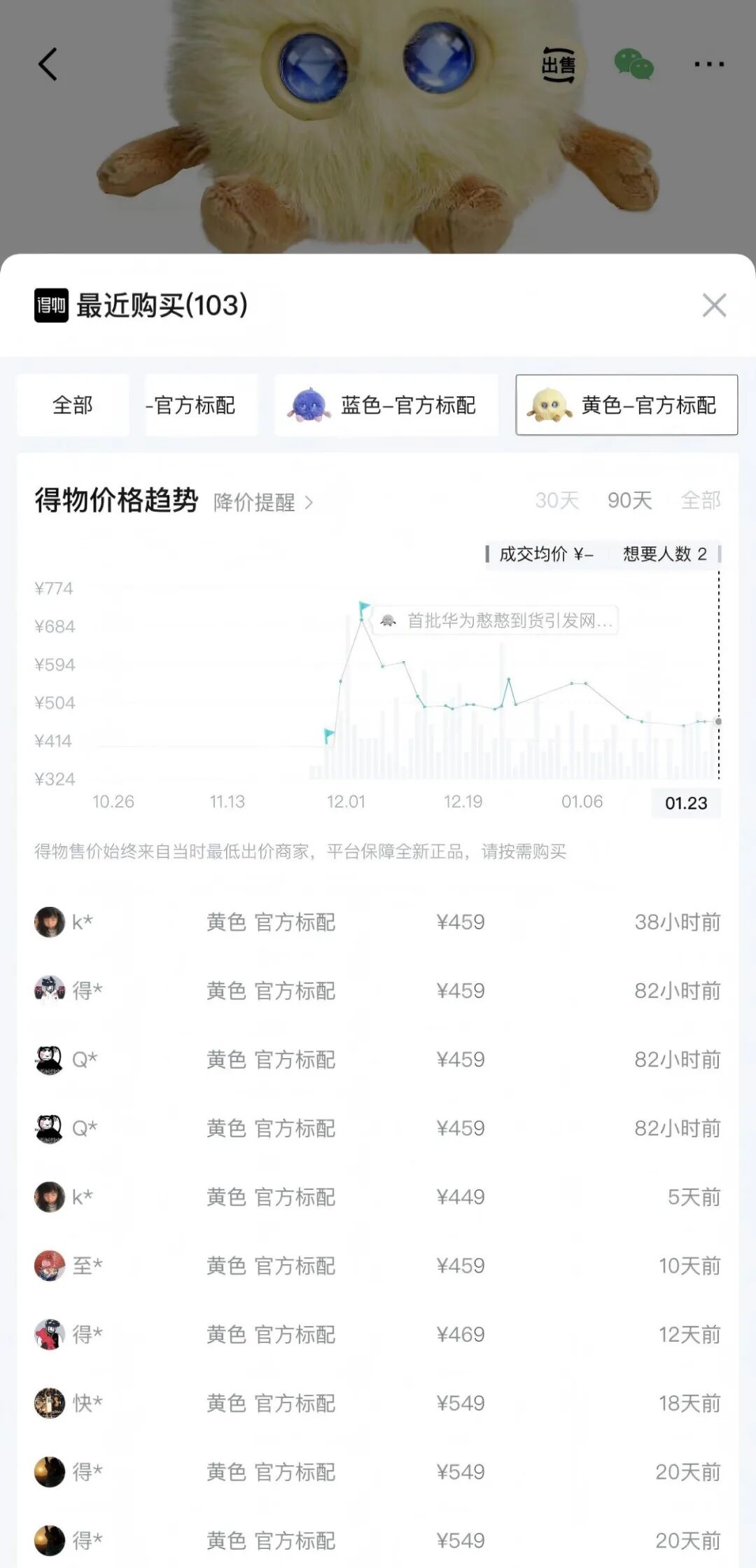
Core Insights - The article discusses the launch and market performance of Huawei's AI companion product "Smart Hanhai," which sold out within seconds of its release, indicating strong consumer demand for AI toys [1][2]. Industry Overview - The AI toy market is experiencing rapid growth, with global market size expected to exceed 100 billion yuan by 2030, and a compound annual growth rate (CAGR) of over 70% in China [8]. - Major companies like JD.com and Baidu are entering the AI toy sector, with JD.com launching its JoyInside brand and integrating AI capabilities into various toy products [8][10]. Consumer Behavior - Consumers are willing to pay a premium for AI toys, with "Smart Hanhai" initially selling for 399 yuan but reaching market prices as high as 699 yuan, reflecting a 75% markup [2][5]. - The demand for emotional companionship is driving the value of AI toys, as consumers shift from functional satisfaction to emotional connection [11][12]. Product Features - "Smart Hanhai" offers unique features such as multi-modal emotional interaction, personality evolution, and long-term memory capabilities, making it more akin to a pet than a traditional toy [12][13]. - The product's design and functionality cater to various age groups, addressing emotional needs and enhancing user engagement [11][12].


AI玩具崛起,投融界解码“情感科技”创业新范式
Sou Hu Cai Jing· 2026-01-20 07:34
Core Insights - The article highlights the rising trend of AI toys, which are becoming emotional companions for users, reflecting a growing demand for low-burden companionship in modern fragmented lifestyles [1][4]. Group 1: Emotional Connection and Technological Integration - AI toys have evolved from being merely observed to being perceived, with capabilities such as emotional recognition and interactive memory, allowing them to "understand" users better [1][2]. - The transition from functional response to emotional resonance is driven by the democratization of AI technology, enabling toys to provide continuous emotional support and integrate seamlessly into daily life [2][4]. Group 2: Market Growth and Ecosystem Development - The AI toy market in China is projected to grow from approximately 24.6 billion yuan in 2024 to 29 billion yuan in 2025, with the global market expected to reach 58 billion USD by 2030 [4]. - The ecosystem of AI toys includes agile startups, tech giants leveraging their advantages, and traditional toy companies exploring AI transformation, indicating a diverse competitive landscape [4][5]. Group 3: Challenges and Future Directions - Key challenges for AI toys include achieving natural and long-term emotional companionship, balancing personification with privacy concerns, and creating sustainable product differentiation [4][5]. - The future of AI toys is anticipated to focus on deeper emotional connections, moving from novelty to becoming integral companions in daily life, with a shift in consumer spending from functionality to emotional resonance [5][6].

“死了么”App估值上亿,照见“孤独经济”万亿新蓝海
Sou Hu Cai Jing· 2026-01-14 14:50
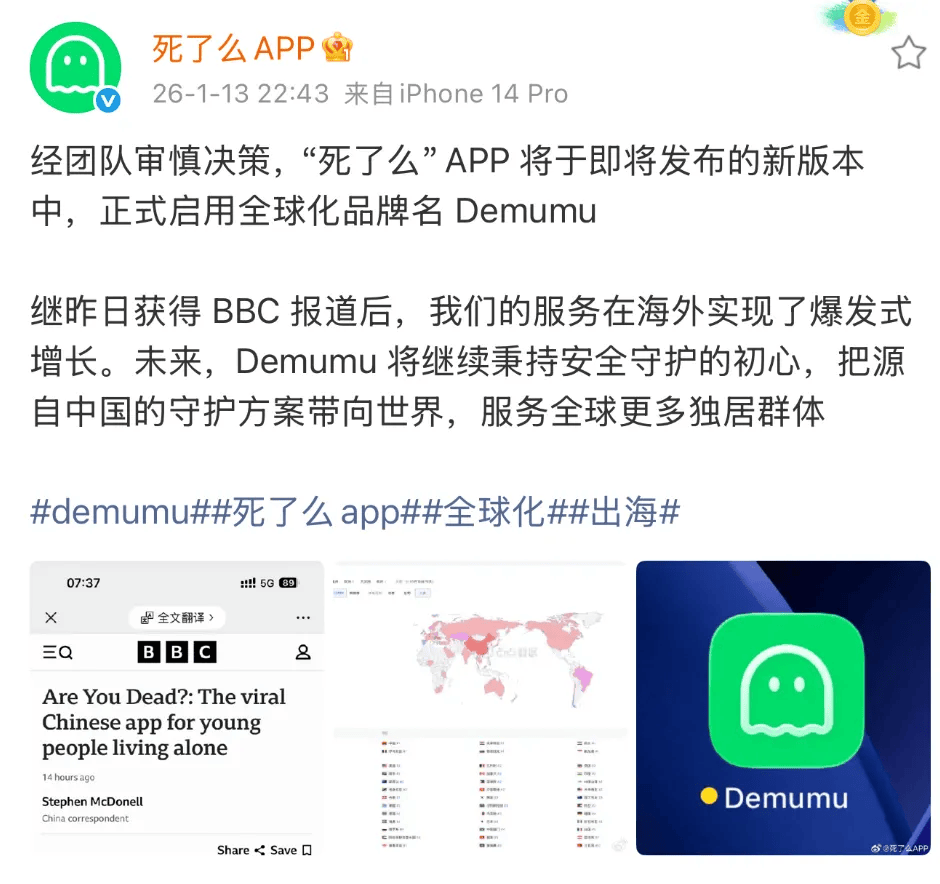
Group 1: App and Company Overview - The "Are You Dead?" app has gained significant popularity, with a rapid increase in downloads by 100 times since its launch, which had an initial investment of just over 1,000 yuan and was developed in less than a month [1] - The app's daily new user count has surged by 500-800 times compared to its initial phase, leading to a company valuation increase to approximately 100 million yuan from 10 million yuan within two days [1] - The app's founder plans to sell 10% of the company's equity for a financing amount in the tens of millions, despite the name "Are You Dead?" being criticized for its negative connotation, prompting a rebranding to "Demumu" for the upcoming version [1] Group 2: Societal Trends and Market Potential - The emergence of the "Are You Dead?" app reflects a growing trend in the "loneliness economy," which is a response to the increasing number of individuals living alone, particularly among urban youth [2][3] - By 2030, it is projected that the number of people living alone in China could reach 150-200 million, with the solo living rate exceeding 30%, driven by factors such as urban migration and changing marriage views [3] - The "loneliness economy" is expected to grow rapidly, with a focus on products that provide emotional value and cater to the needs of individuals living alone, indicating a significant market opportunity [3][5] Group 3: Emotional and Material Needs - The loneliness economy encompasses both emotional and material needs, with young individuals seeking emotional release and social interaction while feeling fatigued by interpersonal relationships [5][7] - The market for companionship services is expanding, with offerings ranging from online companionship to in-person activities, reflecting a growing demand for emotional fulfillment [7] - The rise of AI products and pets as alternatives for companionship is notable, with AI companionship market revenues projected to soar from $30 million to between $70 billion and $150 billion by 2030 [12][16] Group 4: Industry Developments and Consumer Behavior - Major companies are entering the AI companionship and pet markets, with significant investments and product launches aimed at meeting the emotional needs of consumers [15][16] - The pet industry is also experiencing rapid growth, with a projected market size of 312.6 billion yuan by 2025, driven by younger generations who view pets as family members [16][19] - The food and beverage industry is adapting to the needs of solo diners, with businesses like Haidilao innovating their offerings to cater to individual consumption patterns [20][22]
AI玩具赛道能否跑出下一个LABUBU?
Zheng Quan Ri Bao· 2026-01-13 16:49
Core Insights - The AI toy market is experiencing unprecedented growth, with sales in the first half of 2025 increasing by 600% quarter-on-quarter and over 200% year-on-year, driven by consumer demand and significant investment activity [1][2] - The industry is characterized by a diverse range of players, including tech startups, traditional toy manufacturers, and internet giants, all vying for a share of the AI toy market [2][4] - The pursuit of "realistic emotional interaction" has become a consensus among AI toy manufacturers, with competition shifting towards enhancing user experience [4][7] Market Dynamics - As of June 2025, there are 1,766 active companies in the AI toy sector, indicating a robust entry of various enterprises into this market [2] - The average return rate for AI toys is reported to be between 30% and 40%, significantly higher than the 15% for traditional toys, highlighting challenges in consumer acceptance [7] - AI toys generally have a higher profit margin compared to traditional toys, with prices ranging from 200 to 700 yuan, and some products priced significantly higher due to advanced features [5][6] Technological Integration - Companies are integrating advanced AI technologies into toys, enabling features such as memory retention and interactive dialogue, which enhance the emotional connection with users [2][3] - The development of multi-modal large models is a focus for traditional hardware companies, aiming to create more engaging AI toy experiences [3][4] - The industry is leveraging China's robust manufacturing capabilities, with domestic chips expected to account for 82% of AI toy components by 2025, providing a cost advantage [6] Commercial Strategies - AI toys are adopting a business model that combines one-time hardware sales with ongoing software subscription fees, extending product lifecycles [6] - Companies are exploring B2B solutions, offering comprehensive AI toy packages to small and medium enterprises, thereby creating additional revenue streams [6] - The industry is encouraged to maintain originality and avoid imitation, as suggested by industry leaders, to foster innovation and long-term growth [7] Regulatory Environment - The Ministry of Industry and Information Technology is working on revising national standards for toy safety, particularly concerning privacy and data security for AI toys that interact frequently with children [8] - The government aims to guide toy companies in applying AI technology to create new consumer demands, indicating a supportive regulatory framework for the industry [8]
AI玩具引爆CES,京东、字节、华为等巨头加码下能否跑出AI版泡泡玛特?
Xin Lang Cai Jing· 2026-01-12 07:08
Core Insights - The article discusses the emergence of AI toys, particularly highlighting the AI pet robot "mirumi" from Yukai Engineering, which gained significant attention at CES 2026, indicating a shift in the toy industry towards emotional interaction rather than static display [1][3] - Major tech companies like JD.com, ByteDance, and Huawei are recognizing the potential of the AI toy market and are actively investing in this sector [4][6] Industry Trends - The AI toy market is projected to grow at a compound annual growth rate (CAGR) of approximately 14%-16% over the next decade, potentially exceeding $60 billion by 2034 [7] - In China, the AI toy market is expected to surpass 10 billion yuan by 2030, with an annual growth rate exceeding 70% [7] - Traditional toy sales are experiencing a decline, with a reported 0.6% drop in sales in 2024, prompting a shift towards smarter, AI-integrated products [8] Company Developments - JD.com hosted an AI toy conference in July 2025, attracting over 600 manufacturers, and has seen significant sales of AI toys, with products like Fuzozo selling out quickly [4][6] - ByteDance launched its AI companion toy "Xianyan Bag" in 2024, which utilizes advanced AI technologies for interaction, and has seen substantial sales growth in its AIoT products [6] - Huawei's collaboration with Luobo Smart resulted in the launch of the AI emotional companion product "Smart Hanhai," which also sold out rapidly upon release [6] Market Dynamics - The demand for traditional toys is expected to weaken over time, pushing the industry towards increased intelligence and AI integration, which could enhance both volume and pricing [8] - AI toys are gaining traction due to their capabilities in interaction, companionship, and education, appealing to a broader age demographic [8][9] - The market penetration of AI toys is anticipated to increase as the target audience expands from children and teenagers to all age groups [9]



AI宠物玩具狂潮来了
Hua Er Jie Jian Wen· 2026-01-12 03:03
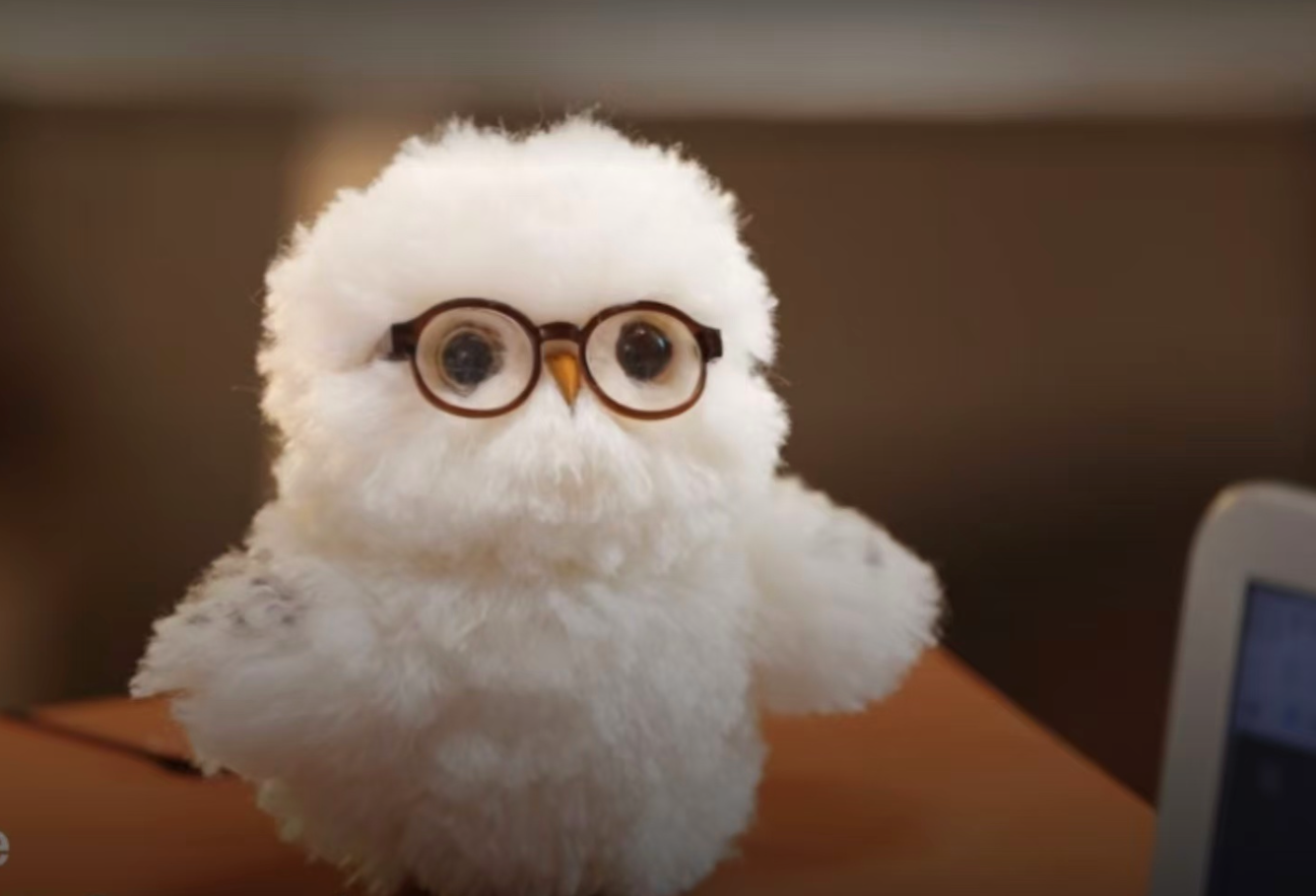
Core Insights - The article discusses the rising popularity of AI pet toys, particularly highlighted by the "Joobie" AI pet toy from Hugbibi, showcased at CES 2026, which has garnered significant attention for its interactive and emotional capabilities [3][4]. Industry Overview - Over 30 Chinese companies, including Hugbibi, TCL, and Tuya, are participating in the AI pet toy market, indicating a growing trend in this sector [3]. - AI pet toys are seen as a combination of large models, sensors, low-power chips, and consumer-grade hardware, making them a viable product in the context of widespread AI application [3][4]. Product Development - The evolution of AI pet toys has shifted from simple mechanical interactions to more complex emotional and personality-driven designs, aiming to create a long-term companionship experience for users [4][5]. - Hugbibi's Joobie is designed to develop a unique personality based on user interactions over a week, termed "growth-type companionship," which differentiates it from traditional toys [6][7]. Market Dynamics - The AI toy market is experiencing a surge in interest, with various players including startups, tech giants, and traditional toy manufacturers entering the space [11]. - Investment in the AI toy sector is increasing, with nearly 100 investment institutions involved, reflecting a strong belief in the emotional value of these products [14][17]. Financial Projections - The domestic AI toy market is projected to grow from 246 billion yuan in 2024 to 290 billion yuan in 2025, representing an 18% year-on-year increase [19]. - By 2030, the domestic AI toy penetration rate is expected to reach 47%, with a market size approaching 850 billion yuan, indicating nearly threefold growth from 2025 [20]. Regulatory Support - The Ministry of Industry and Information Technology has recognized AI toys as a new growth engine for industry upgrades, encouraging collaboration between toy and AI technology companies [18].
1956-2026:人类与机器智能的七十年对话
3 6 Ke· 2026-01-06 05:31
Core Insights - The article discusses the evolution of artificial intelligence (AI) over the past 70 years, highlighting significant milestones and the need for global collaboration in AI innovation [5][22] - It emphasizes the role of Shanghai and Hong Kong as key players in the AI landscape, showcasing their contributions and the potential for international collaboration [6][10] Group 1: Historical Context and Evolution - The concept of AI was first introduced in 1956, with early predictions of machines achieving human-level reasoning within a decade [3] - The journey of AI has included various phases, such as the golden age of symbolic reasoning, the AI winter, the resurgence of machine learning, and the explosion of deep learning [5] - Key breakthroughs in AI have been driven by interdisciplinary collaboration and the convergence of ideas, data, and computational power [5][22] Group 2: Shanghai's AI Ecosystem - Shanghai has nurtured foundational AI models and applications across various sectors, including healthcare and education [6][9] - Innovations such as the "ZhiYuan" robot, which set a Guinness World Record for the farthest distance walked by a humanoid robot, highlight China's advancements in embodied intelligence [9] - The city faces challenges in resource integration and global connectivity, particularly for AI companies seeking international expansion [9] Group 3: Hong Kong's Role as an AI Hub - Hong Kong is emerging as an AI hub in Asia, with around 500 AI-related organizations and 290 AI companies, supported by a robust capital market [10] - The Hong Kong government has allocated 3 billion HKD for AI initiatives, including the establishment of AI research institutes and supercomputing centers [10] - The upcoming WAIC UP! global annual conference in Hong Kong represents a significant opportunity for collaboration between Shanghai's AI practices and Hong Kong's international interface [10][11] Group 4: WAIC UP! Conference Insights - The WAIC UP! conference aims to connect various stakeholders in the AI ecosystem, providing a platform for sharing insights and fostering collaboration [11][13] - The conference features international speakers who will discuss the evolution of AI and its commercial potential, helping participants navigate the future landscape [14][15] - The event facilitates rapid networking and resource linking, allowing participants to establish connections that typically take months to develop [18] Group 5: Future Perspectives - The article underscores the importance of rethinking human roles in the age of AI, emphasizing that human judgment and emotional intelligence remain irreplaceable [23] - The WAIC serves as a platform for ongoing dialogue about the future of AI, encouraging diverse perspectives and interdisciplinary collaboration [25] - The evolution of AI from an academic topic to a broader civilizational issue reflects its growing significance in shaping the future [25]