AI5处理器

Search documents
马斯克自建晶圆厂,重磅官宣
半导体行业观察· 2026-03-15 02:20
Core Viewpoint - Elon Musk plans to announce the construction of a chip factory, named "TeraFab," in 7 days to address Tesla's chip supply bottleneck amid soaring demand in the semiconductor industry driven by artificial intelligence [2][6] Group 1: TeraFab Project - The TeraFab project aims to integrate storage, chip manufacturing, and packaging within the same facility, which Musk claims is the only way to achieve the required production scale [2] - Musk envisions an annual production capacity of 100 billion to 200 billion chips, potentially making TeraFab one of the largest chip factories globally, surpassing TSMC's capacity [2][6] - The project is seen as a response to the urgent need for the U.S. to expand its domestic semiconductor industry and reduce reliance on foreign manufacturers like TSMC [4] Group 2: Challenges and Industry Response - Experts express skepticism about Musk's ambitious plans, citing the high technical barriers and significant investment required for advanced chip manufacturing [3][7] - Nvidia's CEO Jensen Huang highlighted the complexities of establishing advanced chip manufacturing capabilities, emphasizing that it involves more than just financial investment [7] - Tesla currently relies on a dual-sourcing strategy with TSMC and Samsung for chip production, while also considering partnerships with Intel for potential collaboration [7] Group 3: Industry Context - The semiconductor industry is experiencing unprecedented demand, particularly for AI chips, which has led to supply chain vulnerabilities for companies like Tesla, Nvidia, and AMD [4][6] - The example of the Japanese startup Rapidus illustrates the challenges new entrants face in establishing advanced manufacturing capabilities, with significant investments and time required to achieve production readiness [8][9]


马斯克宣布:自建晶圆厂
半导体芯闻· 2026-01-29 10:10
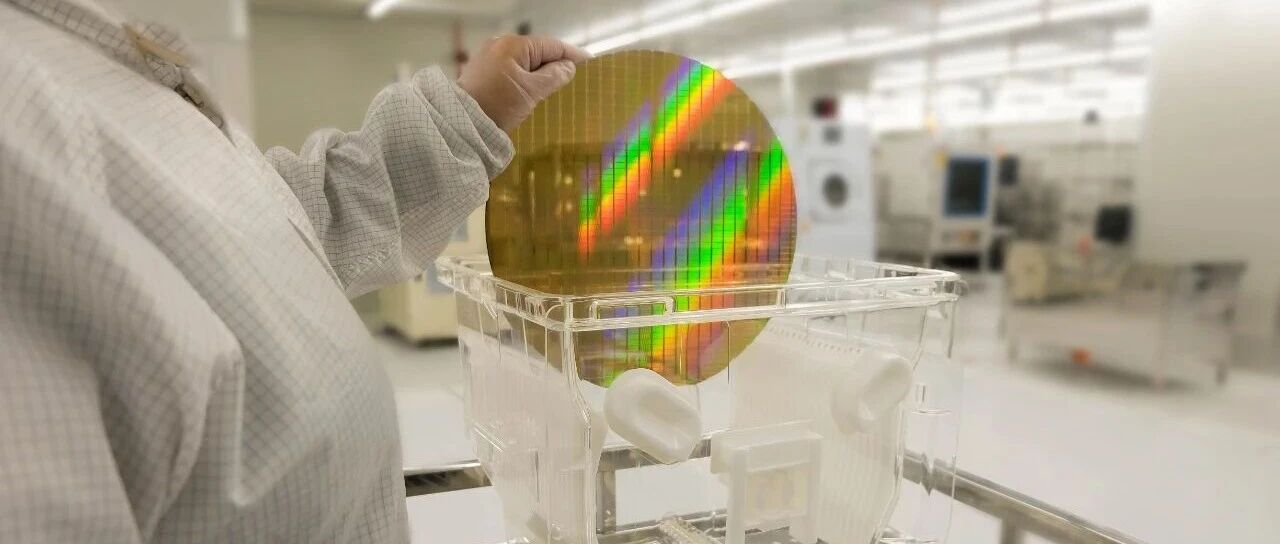
Core Viewpoint - Elon Musk announced that Tesla plans to build and operate a semiconductor manufacturing facility called "TeraFab," which will require billions of dollars in investment and signifies an expansion beyond its core electric vehicle business [1][5]. Group 1: TeraFab Project - The TeraFab will be a large-scale factory covering various aspects of semiconductor production, including logic circuits, memory, and packaging, with production based in the United States [1]. - Musk emphasized the necessity of TeraFab to avoid potential capacity bottlenecks in the next three to four years, as existing suppliers like TSMC and Samsung cannot meet Tesla's demand [1][2]. - The factory is expected to have a production capacity that exceeds 100,000 wafers per month, positioning Tesla among the largest semiconductor manufacturers globally [5]. Group 2: Financial Considerations - Tesla is projected to spend over $20 billion on capital expenditures this year, with funding sources for the TeraFab and other infrastructure projects still under consideration [3]. - The company has over $44 billion in cash and investments, which will be utilized alongside other financing options, including potential bank loans [3]. Group 3: Industry Challenges - Building a semiconductor factory involves significant economic costs, with advanced facilities requiring hundreds of billions in fixed costs and a lengthy timeline from construction to full operation [2][6]. - The complexity of semiconductor manufacturing is often underestimated, as it requires extensive engineering expertise and a deep understanding of various processes [6][7]. - The industry faces challenges in achieving high yield rates for new manufacturing processes, which are critical for market stability and profitability [8].
马斯克爆建晶圆厂原因
半导体芯闻· 2025-11-19 10:32
Core Viewpoint - Elon Musk indicated that Tesla may require "100 to 200 billion AI chips" annually, expressing concerns over the production speed of TSMC and Samsung Electronics [2]. Group 1: Production Capacity Concerns - Musk emphasized that the current pace of chip production by TSMC and Samsung is insufficient for Tesla's needs, stating that building a new wafer fab would take five years, which he considers too long [2]. - He mentioned that if TSMC and Samsung could expedite their production to meet the demand of 100 to 200 billion AI chips per year, it would be ideal [2]. - The semiconductor industry supplied 1.5 trillion semiconductor devices in 2023, but this figure is misleading due to the variety of chip types involved [3]. Group 2: AI Chip Specifications - Musk believes that the AI5 processor consumes only 250W, significantly less than Nvidia's B200 GPU, which consumes 1,200W, suggesting that the AI5 is much smaller in size [3]. - If Musk's statement about needing 200 billion AI processors is accurate, it would exceed the annual production capacity of the entire semiconductor industry, primarily manufactured by TSMC [3]. Group 3: Potential Collaborations and Future Plans - Musk is exploring the possibility of collaborating with Intel to address chip production challenges, noting that even in the best-case scenario, supplier chip output would still be insufficient [4]. - Tesla's potential wafer fab could initially produce 100,000 silicon wafers per month, with a possible expansion to 1 million wafers, while TSMC's projected annual output for 2024 is 17 million wafers, averaging 1.42 million per month [4].